

Including extraneous details in your photos dilutes attention. These details distract the viewer's attention from the main subject. The best thing, therefore, is not to include anything that does not help to better tell the story. If it is irrelevant, remove it.
Let's see which are 3 methods that allow you to enhance your subject in the photo!
The balancing of light
Finding one dark background it is always pleasing. When the subject has more light on it than the background, it is often possible to carefully expose it so that the background is very dark or even black. This is a technique that works very well for black and white photos and portraits.
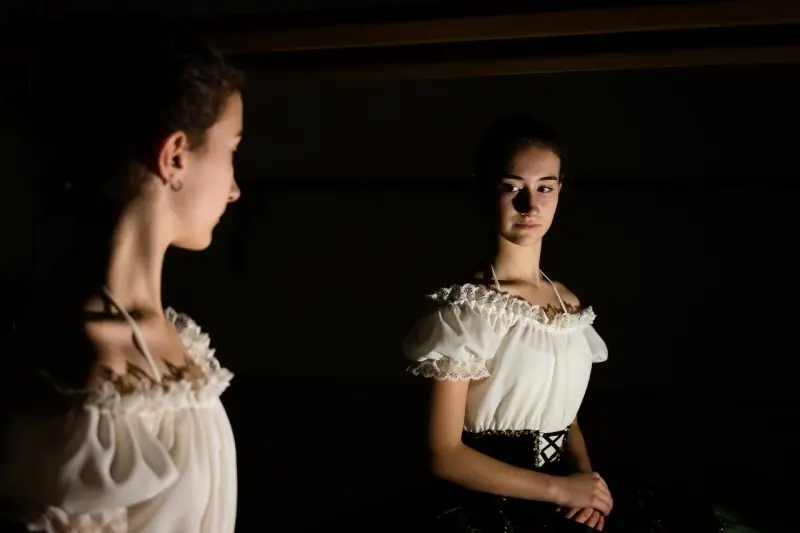
Train your eye to look for the right situations where you can use this technique. Once you know what to look for, you will do it instinctively.
Look for large areas of shadow where no light is turned on and no sunlight directly hits the area. Setting the camera to properly expose the face means the rest is underexposed.
Use a spot meter setting to read only the light from the main subject and not the darker background. If the camera's meter is set to read the entire frame and average it, you will not get a satisfactory result.
The key to this method is the balance of lights and shadows.
If you take the exposure reading from the entire scene, the camera includes all the dark areas and wants them to be well exposed too. The resulting image will have a subject overexposed and visible details in the shadow. You can also use this same method with a background brighter than your subject.

Doing this is often more complicated if the light is too strong or comes directly into the lens. The same principle applies when there is more light on the background than on the main subject.
Have your exposure read only from the subject, excluding the light from the background. The subject will be well exposed and your background will be overexposed.
Control of focus and depth of field
The most popular methods used to isolate subjects are carefully controlled focus and a shallow depth of field.
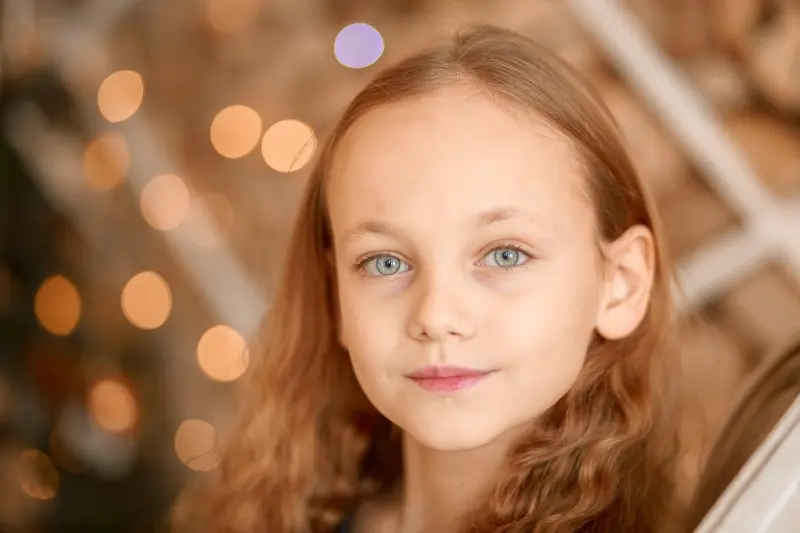
Using a setting of wide aperture is fundamental for this method. However, there is much more than just choosing the lowest f-stop number.
Relative distances have a significant impact on the amount of background blur. The closer you get to the subject, with any lens, the more blurred the background will be. Likewise, the farther the subject is from the background, the softer the background appears.
The choice of lens also affects depth of field. Using a telephoto lens, you can blur a background more at any aperture setting than if you use a wide-angle lens.
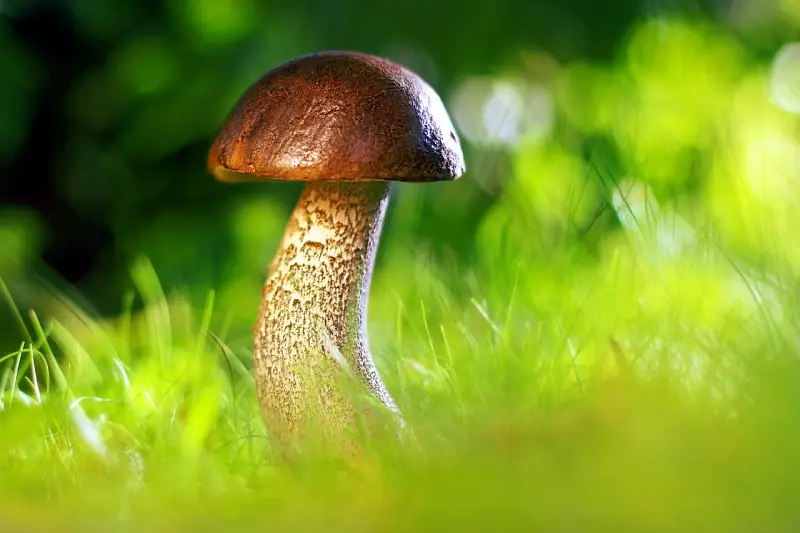
Learn to control what you focus on and the other settings that affect depth of field. Doing this well means you can include enough detail without compromising attention on your main subject.
Compositional choices to isolate your subject
The viewpoint (the chosen angle to take the photo) affects what you include and exclude from the frame. Often even a small change in camera position can have a significant impact impact on what is in the frame and what is left out.
Move around the subject and see what happens with the background. Having a tree that looks like it’s growing out of someone’s head is distracting. Changing your viewing angle a bit to your left or right removes this distraction. Choosing a higher or lower position helps if there is a strong horizontal line in the background that cuts across the subject.
Use leading elements to direct the viewer’s gaze toward your subject. You don’t need to find complicated frames. Simple bright LEDs can be enough to achieve the purpose.
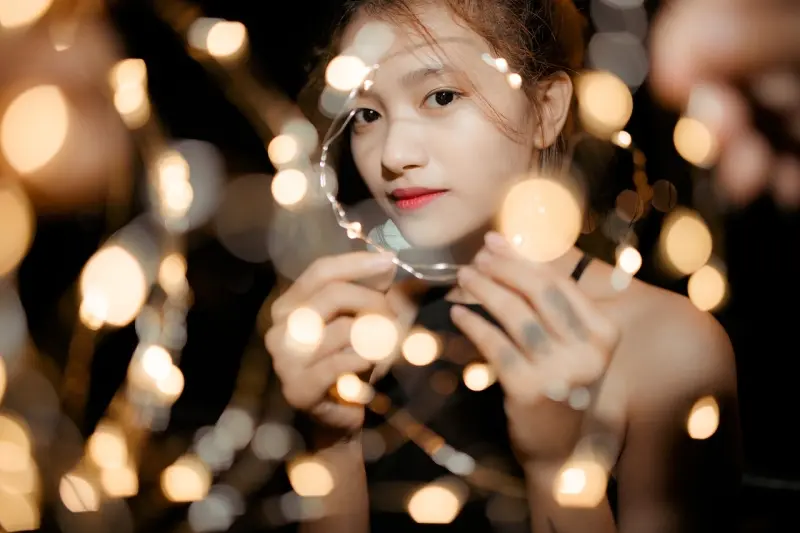
Take your time. Pay attention to the background, not just your subject, when composing your shot. After taking your initial photo, review it on your monitor.
Study what’s in the background. Often this reveals distractions. Move a little. One way or the other, up and down. Focus on the relationship between the subject and the elements in the background.
Conclusion
There are many and varied methods to enhance your subject. You can use contrasting colors, broken patterns, selective cropping, and other techniques to make the chosen subject stand out.
Trying and experimenting with different techniques will help you build your individual photographic style as you begin to use them consistently. Photographs are often stronger when the subject is clearly defined over anything else in the frame.



