
What is white balance and why it is important
The white balance is a crucial element in photography that determines the accuracy of colors in our images. The light around us can have a variable tone depending on the light sources and environmental conditions, but thanks to white balance, we can achieve faithful and natural colors in our photographs. In this article, we will explore the importance of white balance and provide practical advice on how to achieve perfect colors in your images.
White balance is the process of adjusting the camera to capture colors accurately based on the color temperature of the light present in the scene. Our perception of colors can vary depending on different color temperatures, ranging from warm (yellowish tones) to cool (bluish tones).
The goal of white balance is to neutralize the effects of these color temperatures so that whites appear truly white and other colors are represented faithfully. If white balance is not managed correctly, photos can appear with incorrect color casts, such as a blue or yellow tint.
How to achieve perfect white balance
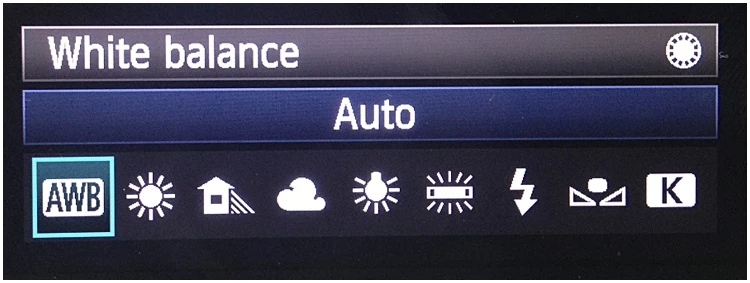
Most digital cameras offer an automatic white balance mode (AWB). In this mode, the camera measures the color temperature of the ambient light and adjusts the white balance accordingly.
Preset settings:
Some cameras offer preset white balance settings for different scenarios, such as daylight, tungsten light, or fluorescent light. Choosing the correct setting can help achieve more accurate colors without the need for manual adjustments.
Custom settings
Advanced cameras allow you to manually set the temperature of the color or to use a white object as a reference to obtain an accurate white balance measurement. This approach can be particularly useful in complex lighting conditions or in the studio, where accurate white balance calibration is essential.
Post-production
Although it is preferable to get the correct white balance at the time of shooting, it is possible to correct any white balance issues during post-production. Photo editing programs such as Adobe Lightroom offer tools to adjust white balance, allowing you to correct any unwanted color casts.
White balance is a fundamental skill for every photographer aiming to achieve accurate and faithful colors in their images. With a basic understanding of color temperature concepts and the various white balance options available on your camera, you can drastically improve the quality of your photographs. Remember that white balance can make the difference between a mediocre image and an extraordinary one, conveying the atmosphere and true colors of the scene you are capturing.



