
 Architecture, means of transport, people. Cities, urban landscapes, can be an excellent source of ideas and inspiration for a photographer. Not all urban areas are obviously interesting, but under certain light or in black and white, they can enhance uncommon atmospheres.
The city is also an “organism” that changes continuously and rapidly: try to keep your lens fixed on a busy intersection in a big city. Over time, lights, colors, and people will change according to the flow of traffic.
So let's see 10 tips to improve urban landscape photography.
#1. Lenses
You don't need dozens of lenses, but at least try to bring one lens with you wide-angle and a telephoto lens.
Longer focal lengths are useful for capturing details of building and street scenes (know that they also tend to flatten images), but wide-angle lenses are great for capturing wide views and buildings as a whole.
They also tend to give a greater depth of field that can add interest and a nice feeling to your shots.
#2. Equipment
The equipment you use for shooting urban landscapes will obviously reflect your photography style, but besides the two lenses mentioned above and the camera, it is advisable to bring a monopod (or a tripod if you plan to shoot in the evening), polarizing filters, filters UV (for when you are not using polarizers), camera bag (or a backpack), spare batteries and possibly an external flash.
Remember that it is always advisable to mount either a polarizer or a UV filter on your lenses as lens protection.
#3. Look for contrasts
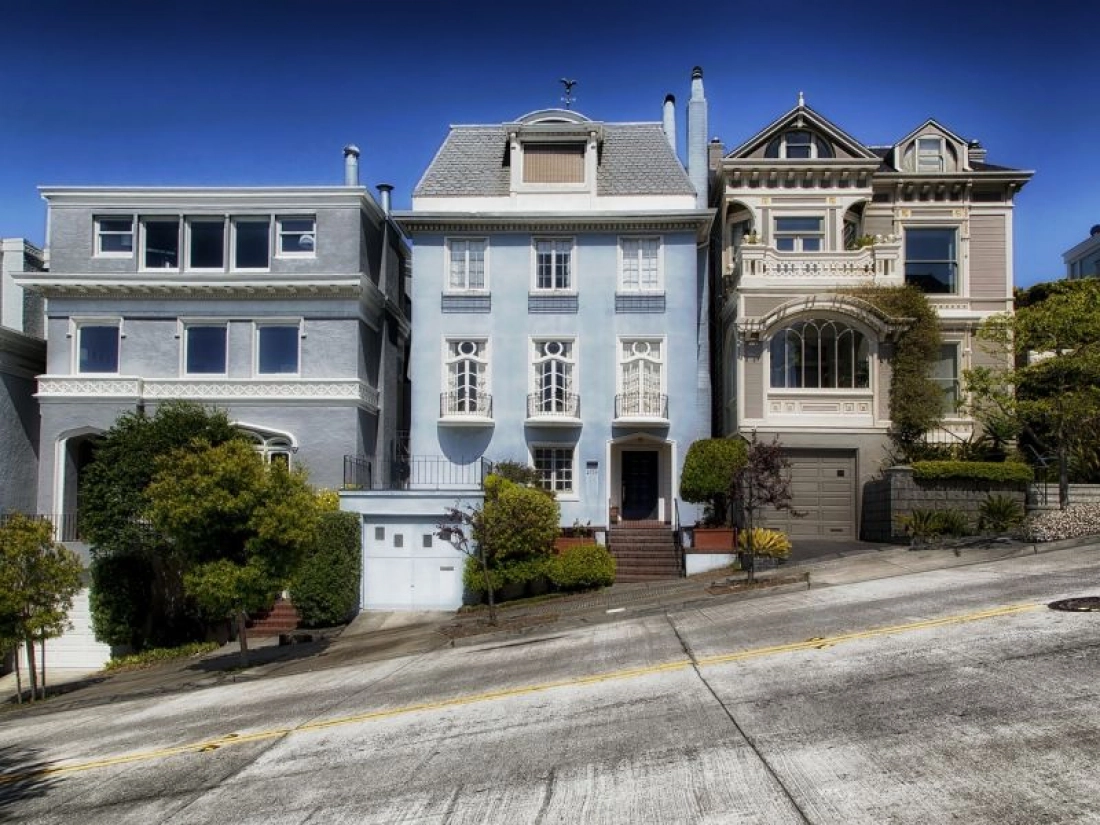
In a city, you can find a great diversity of subjects, both in terms of people and architecture and means of transport.
Look for these contrasts: an ancient church reflected on a steel and glass building, a veiled woman next to a girl in a miniskirt, a modern means of transport next to an old one… Your only limit is your imagination.
Look for contrasts and you will end up with very interesting shots.
#4. People
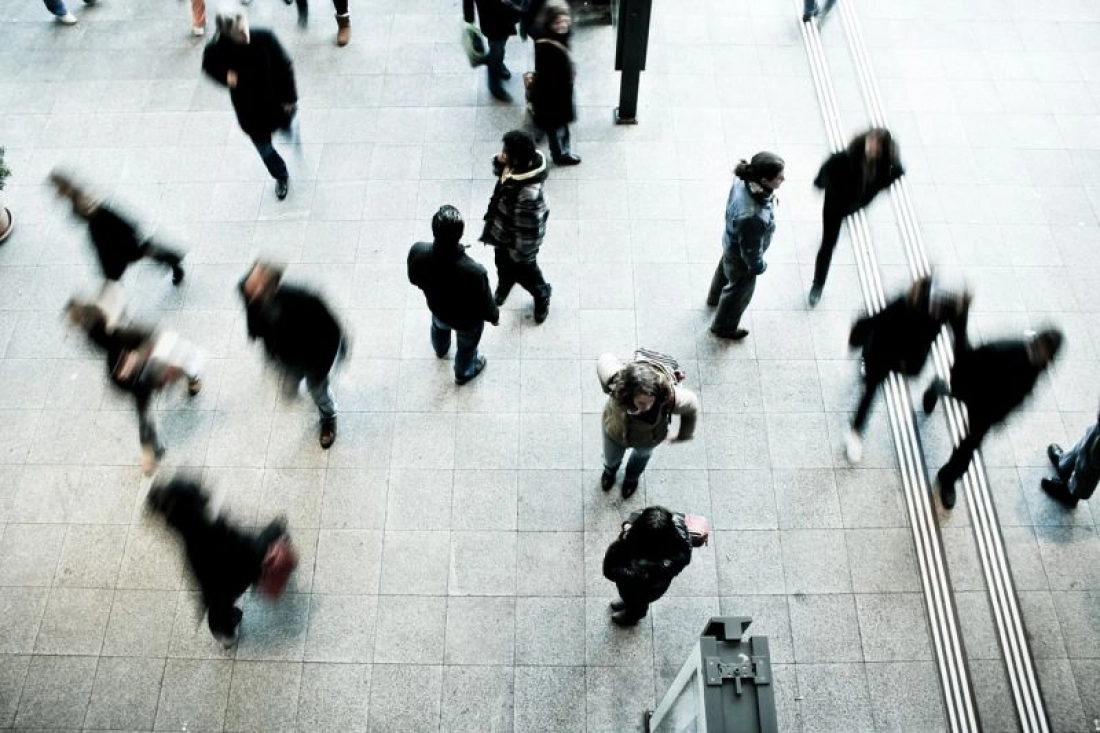
A constant challenge for urban landscape photographers is that cities are places where people people naturally gather. There is nothing wrong with people, but in urban photography they tend to become the focal point of the shots, whether you want it or not.
If people are the main subject of your shot, no problem, but if you are photographing architecture, they can become an obstacle. One way to eliminate people from photos is to shoot on weekends or after work hours, when there are generally fewer people around (obviously this does not apply to tourist attractions, where the number of people can actually increase on weekends).
Ultimately, when it comes to including or excluding people in a scene, you need to ask yourself the following questions: "Are they relevant to the shot?" And, "Do they add to or detract from the composition?". If they add something, include them. If they distract, “get rid” of them.
#5. Evidence of life
Even if you choose to eliminate people from your images, their presence can still be inferred from the traces they leave on the city.
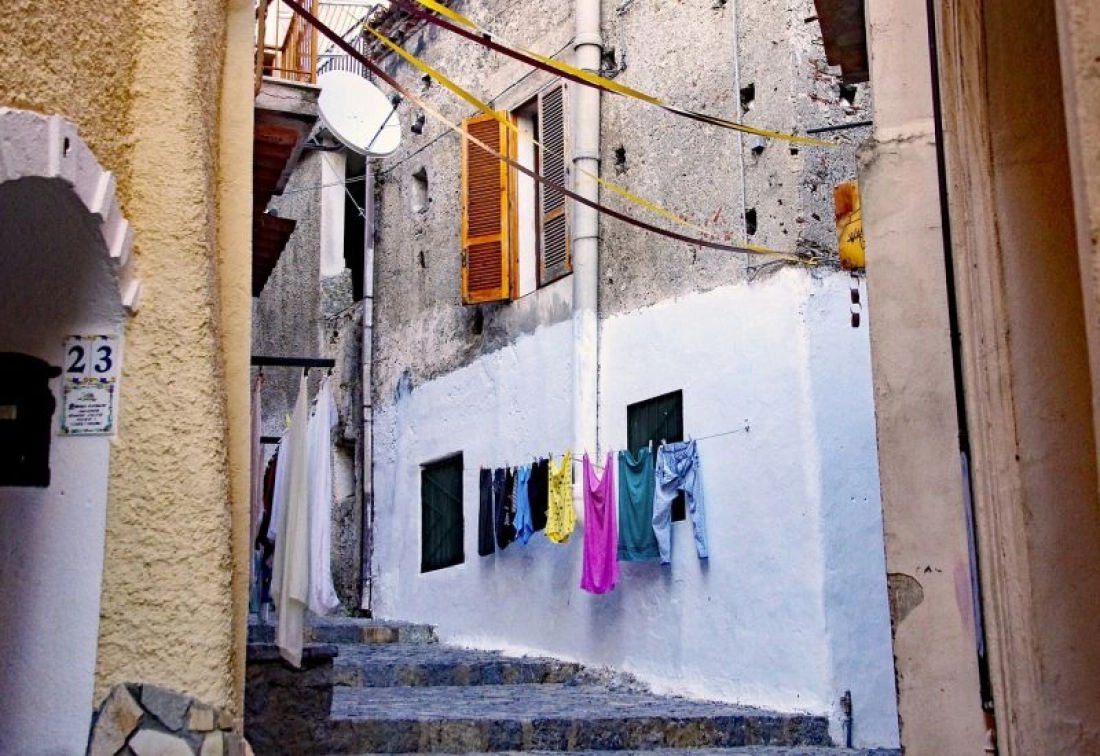
It can be a photography challenge so look for evidence of people's presence without directly framing them: clothes hanging out to dry, children's abandoned toys in the street, … Let your images tell the story of how we live the urban landscape.
#6. Scout your locations
Urban landscape photography might seem like a fairly spontaneous thing (and sometimes it can be) but many of the most spectacular shots are the result of a careful planning.
It's surprising how a location can change depending on the time of day (especially due to light angles), so scout potential locations at different times of day and consider returning to the same place over time to see what else it might offer.
For this purpose, you can use programs like SunCalc, which allows you to determine the best time for a shot based on the Sun's position at a given location.
#7. Look for recurring themes
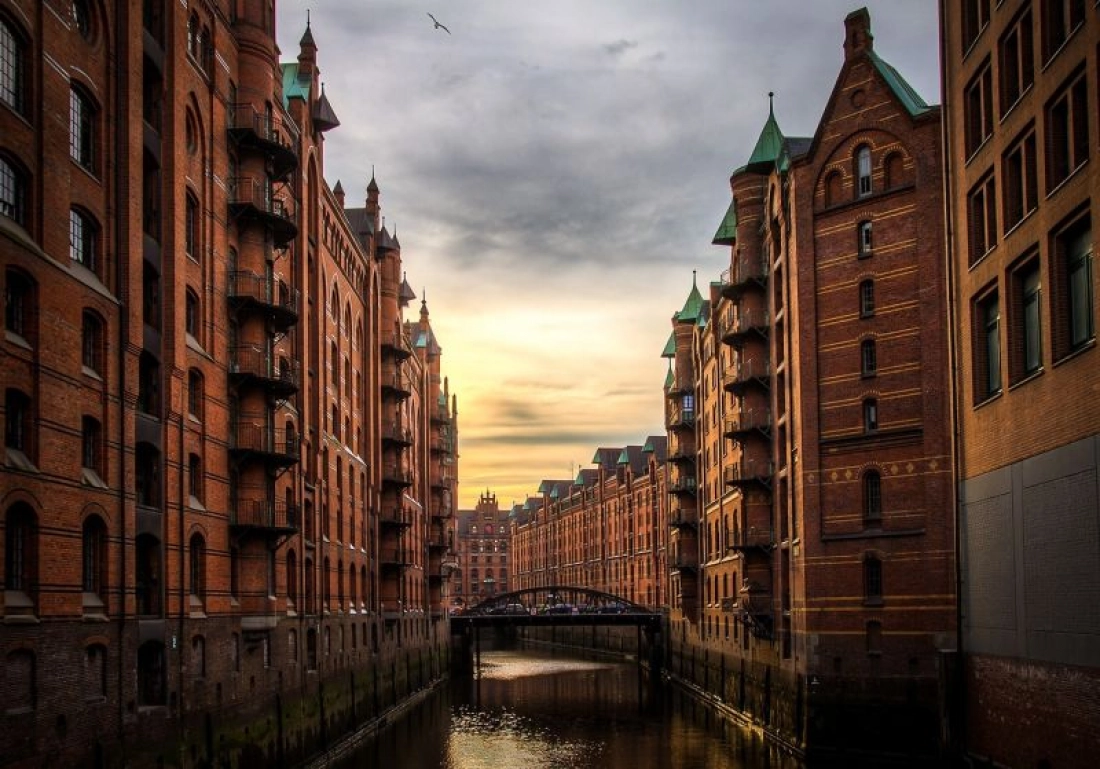
In urban areas, it's quite easy to encounter recurring themes: identical public housing blocks in former working-class suburbs, period houses in central or semi-central areas, warehouses converted into expensive lofts, unfinished public works, … Creating a photographic project that places all these realities side by side can yield extremely satisfying results.
#8. Look for reflections
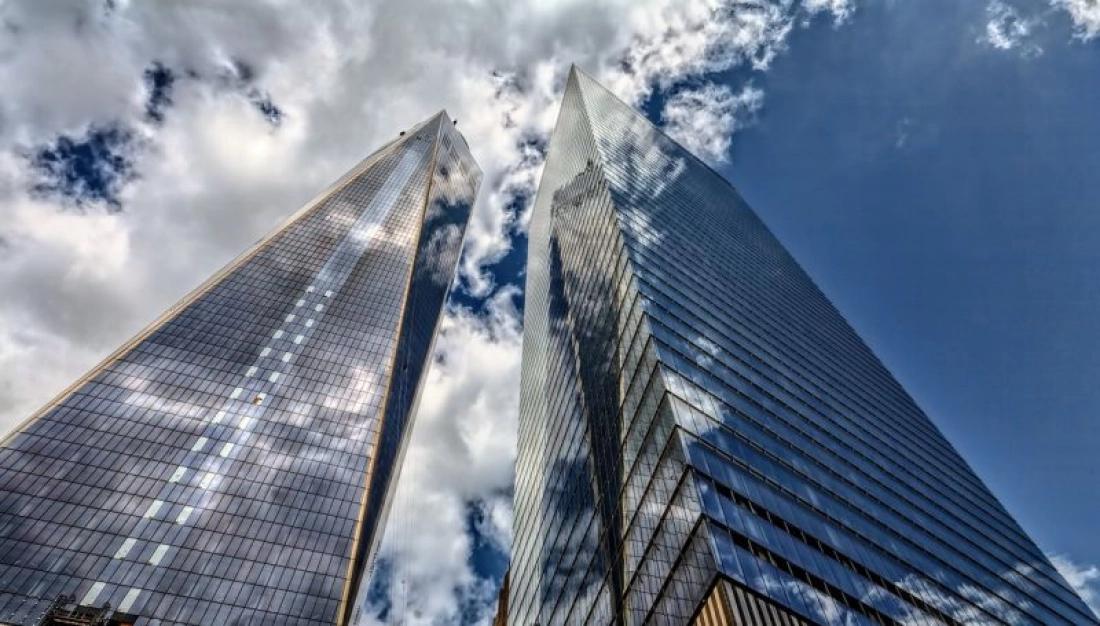
Many modern buildings are constructed with highly reflective surfaces. These can present both an opportunity and a challenge. Some surprising effects can be achieved by capturing reflections in such buildings, and finding the perfect way to do so often means trying many angles to find the best reflection.
If you want to eliminate glare or unwanted reflections from mirrors or shiny windows, it's worth investing in and using a polarizing filter.
#9. Shoot in the evening
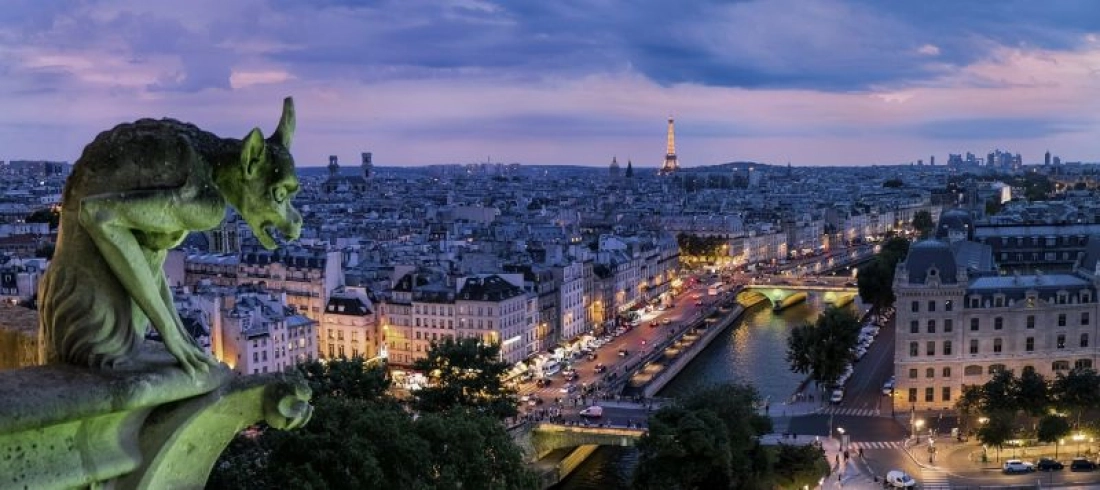
Cities change incredibly when evening comes and the lights turn on. What might be a gray or shapeless scene can quickly become something full of character and mood. Shooting during the twilight hour between day and night allows you to achieve very meaningful images because there is still light in the sky but you also get the impact of the city lights.
#10. Explore different areas of the city
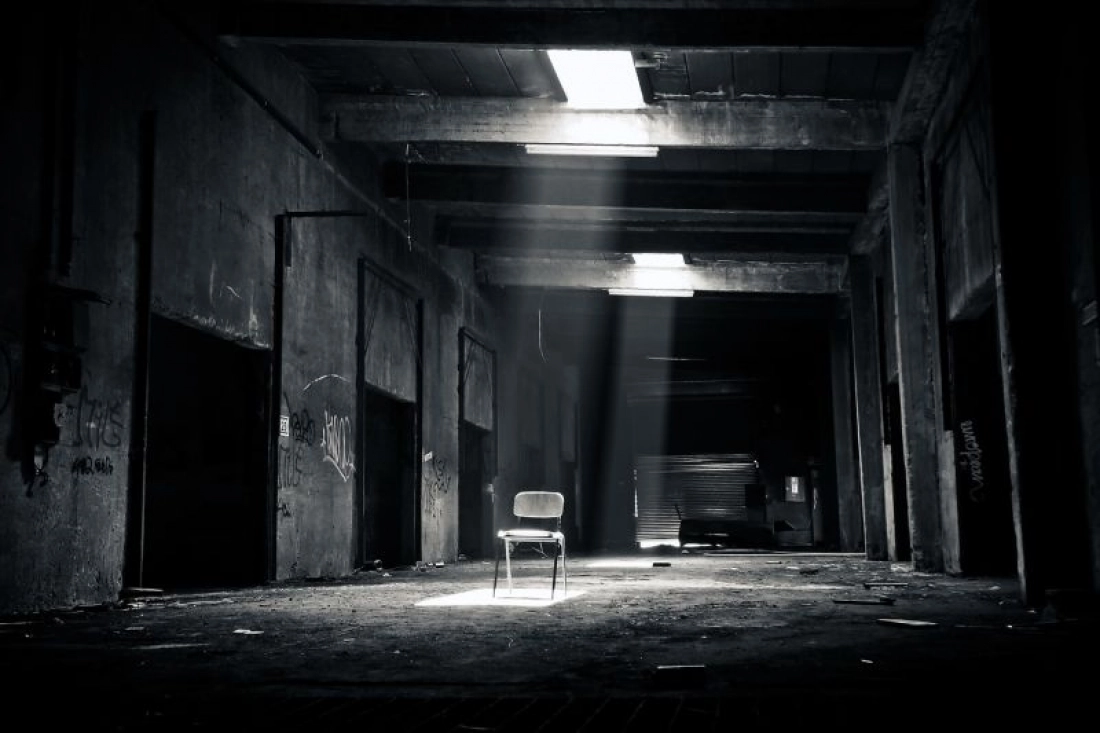
In a city it is very easy to move from one urban landscape to another just by moving from one neighborhood to another: from a business district or commercial area to a rundown and dilapidated industrial zone, from a residential area to a trendy downtown district.
Keep in mind that not all city areas are always safe and sometimes for this reason it may be advisable to shoot with others or avoid them altogether.
The camera suitable for “urban landscape photographers”?
- Lightweight and compact size: easy to carry and does not attract much attention from wrongdoers.
- Video 4K: superior quality compared to Full HD. You never know what opportunities may arise. Better to be prepared.
- High-speed autofocus: when opportunities arise we must seize them, we cannot waste time searching for focus.



