
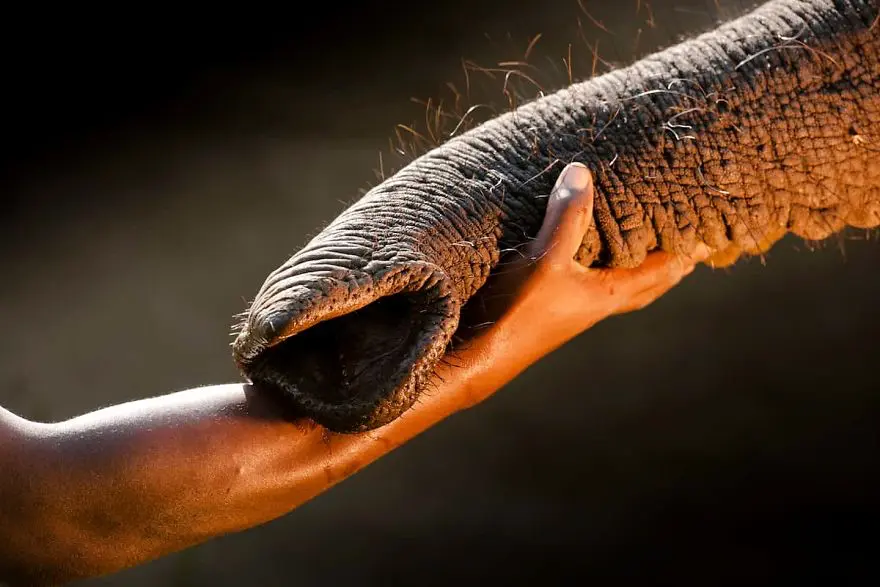
 They called it “Photographers against wildlife crime” and it is the project of twenty multi-award-winning photographers who will try, through their most powerful and iconic images, to raise awareness and to stop the illegal trade of wild animals.
The powerful images will be collected in a special book to be released in mid-2018 although it is already possible to pre-order one or more copies or simply support the initiative thanks to the crowdfunding campaign launched by the photographers themselves which you can find at this address.
The illegal trade of wild animals is worth billions of dollars and is considered the fourth most profitable illegal business after drug trafficking, human trafficking, and arms trade.
Among the photographers who will be part of the project “Photographers against wildlife crime” there is also the winner of the Wildlife Photographer of the Year 2017, Brent Stirton who documented the illegal trade related to rhino horn ivory.
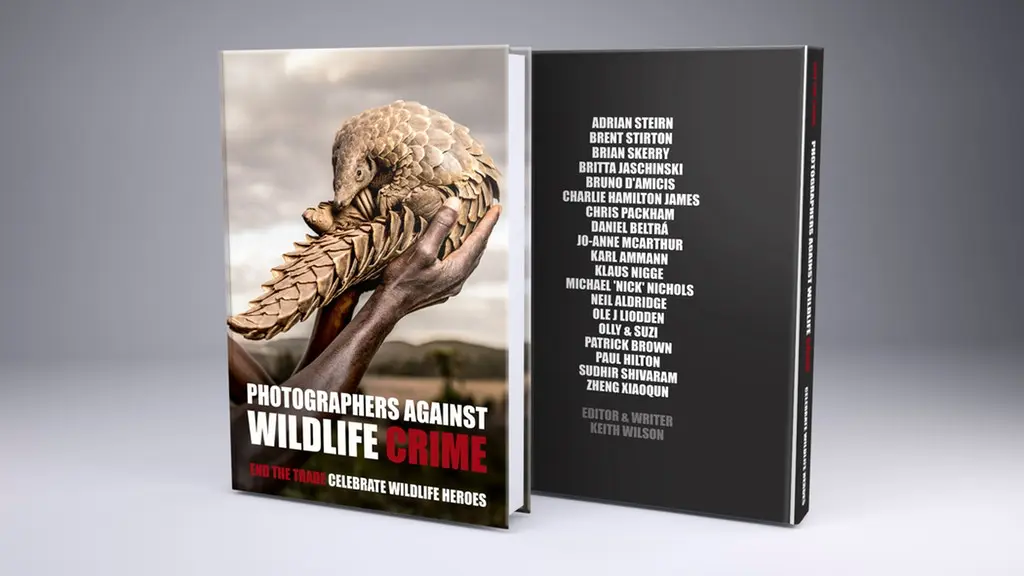 Among the other photographers are Britta Jaschinski, winner of the Magnum Photography Awards 2017, and Keith Wilson, who in 2013 founded Wild Planet, the first fully digital monthly magazine dedicated entirely to wildlife photography.
"We take award-winning photographs to protect our planet. Some of us risk our lives to document and inform the world about incomprehensible cruelties and ruthlessness. We know that photography is a powerful tool that can make a difference. We want to end the demand for products derived from wildlife, so that species can be saved from extinction."
 The book “Photographers against wildlife crime” will be distributed in English language throughout Europe and in the United States while a special edition in Mandarin will be distributed in China, a special edition that could provide a valuable contribution towards a constructive dialogue to end the demand for products derived from the illegal wildlife trade, which is very high in China.
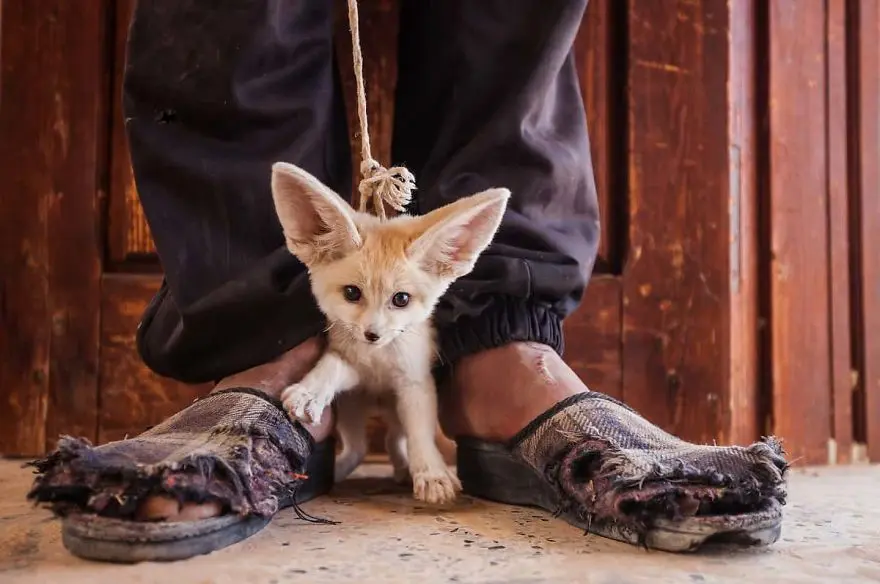
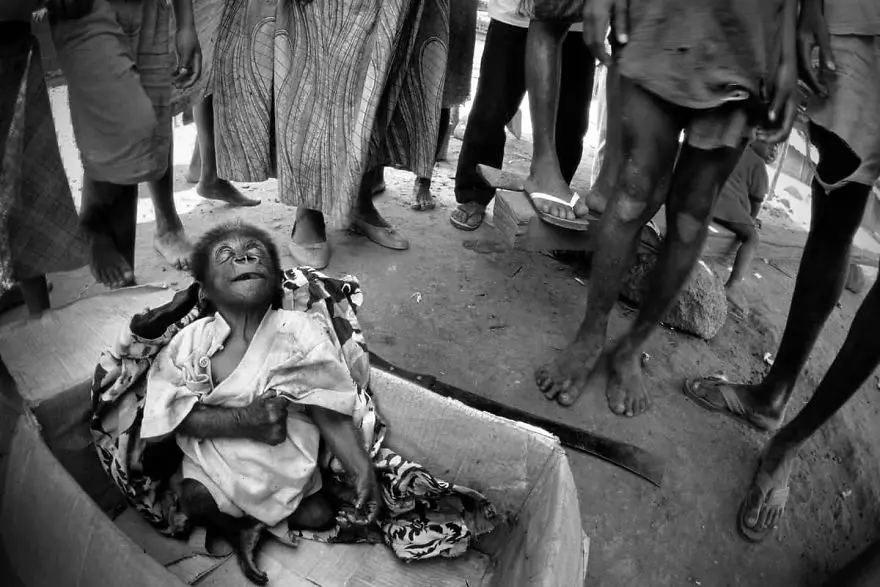
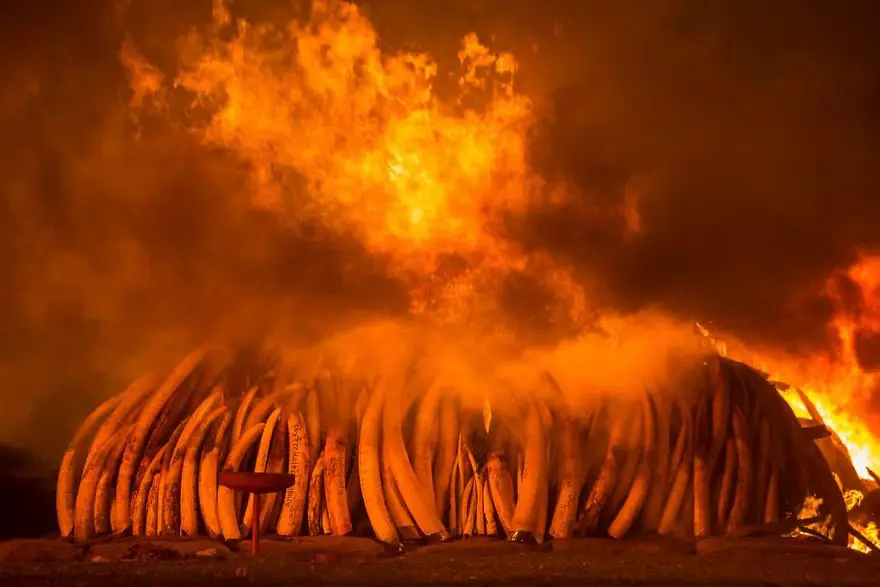
Here are some images you will find in May 2018 when the book “Photographers against wildlife crime” is released.
[caption id="attachment_7485" align="aligncenter" width="800"]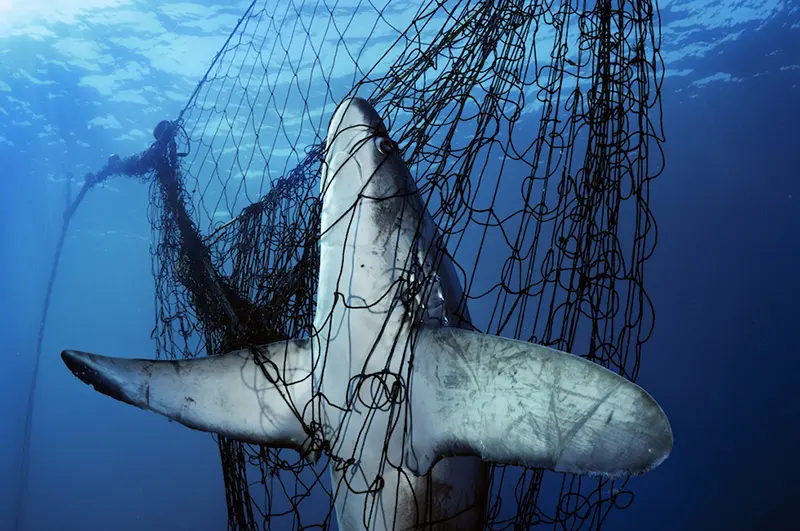 A shark trapped in a net at Cortez, in the Sea of Cortés, Mexico. Every year tens of millions of sharks die because they are used in Chinese cuisine to prepare a soup made with their fins (© Brian Skerry/Photographers against wildlife crime™)[/caption]
[caption id="attachment_7484" align="aligncenter" width="800"]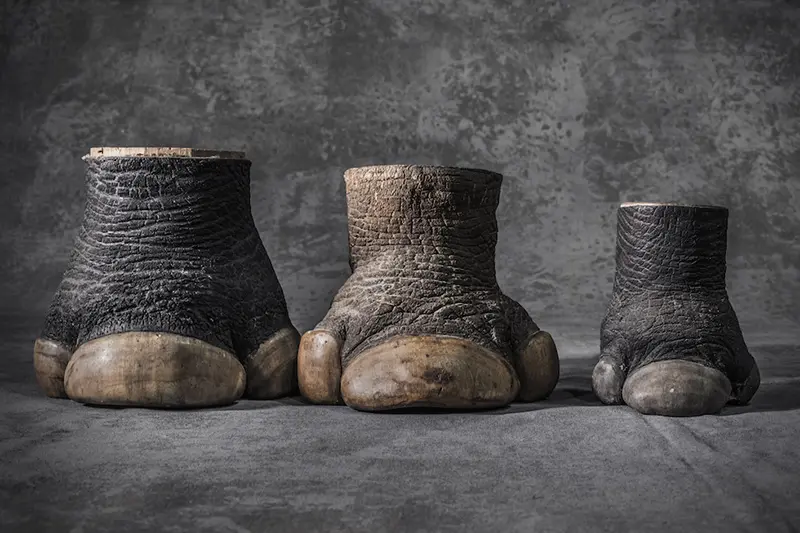 Three rhino legs (of a male, a female, and a calf) seized at an airport in Colorado between 2016 and 2017
(© Britta Jaschinski/Photographers against wildlife crime™)[/caption]
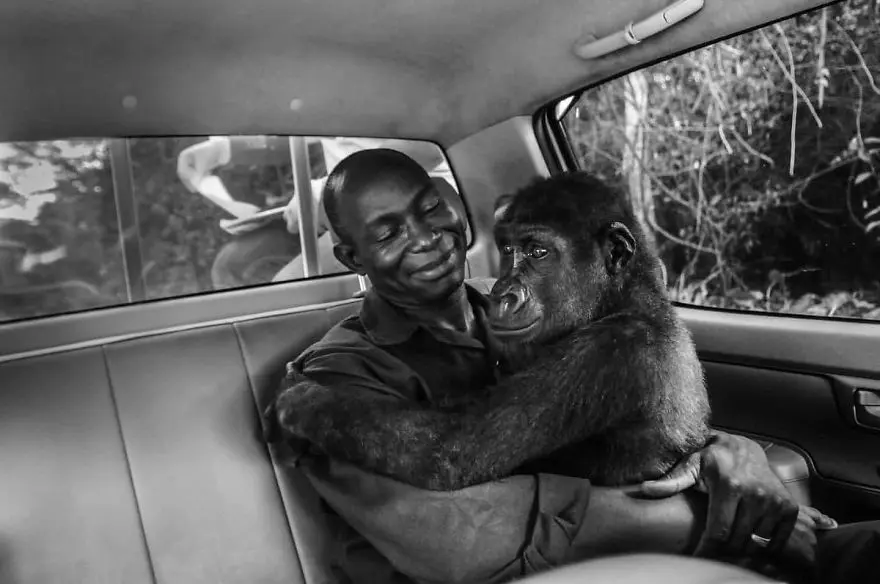
[caption id="attachment_7477" align="aligncenter" width="800"]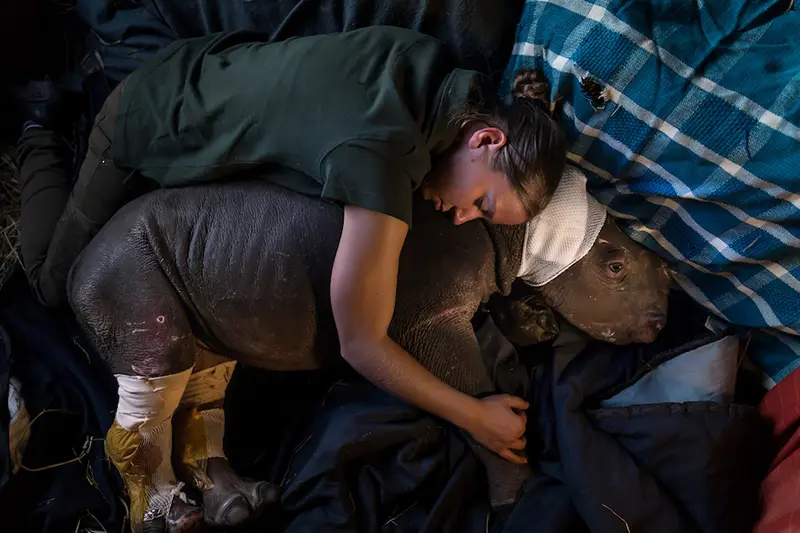 A volunteer from the NGO Care for Wild Africa embraces a rhino calf treated after being attacked by some hyenas. At the time of the attack, the calf had recently been orphaned following the killing of its mother by poachers
(© Brent Stirton/Photographers against wildlife crime™)[/caption]
[caption id="attachment_7476" align="aligncenter" width="800"]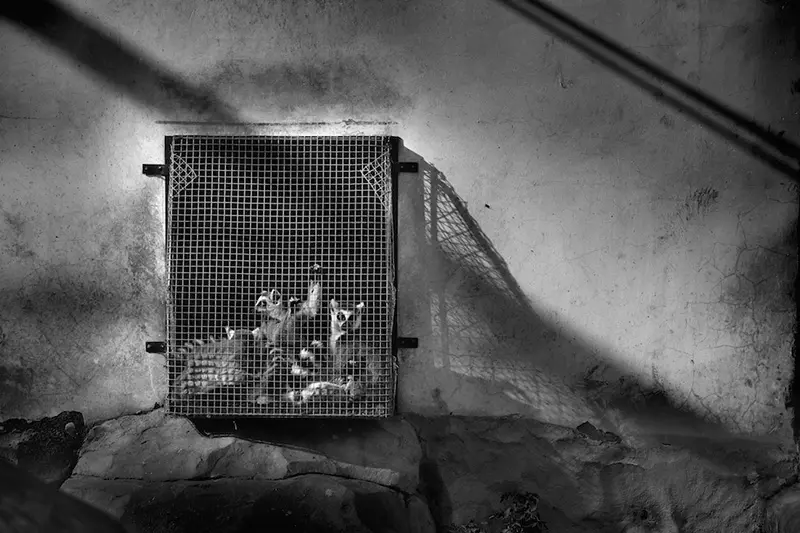 Lemurs in a cage at the Whenzou zoo, China. There are fewer than 2000 lemurs left in the wild today, due to poaching and habitat loss
(© Zheng Xiaoqun/Photographers against wildlife crime™)[/caption]



