
Before moving on to more interesting lessons where we will learn how to use our camera and understand well how to use it best on every occasion, we need to understand the different types of digital cameras that the market offers us.
As I have already mentioned in the article “advice on buying your first digital camera”, it is very important to know what the market offers because, depending on your needs, you can choose one type rather than another.
So let's take a closer look at what these types are.
Compact Cameras
These are cameras with a non-interchangeable lens. Usually, it is a lens with built-in zoom, although some cameras have fixed focal length lenses.
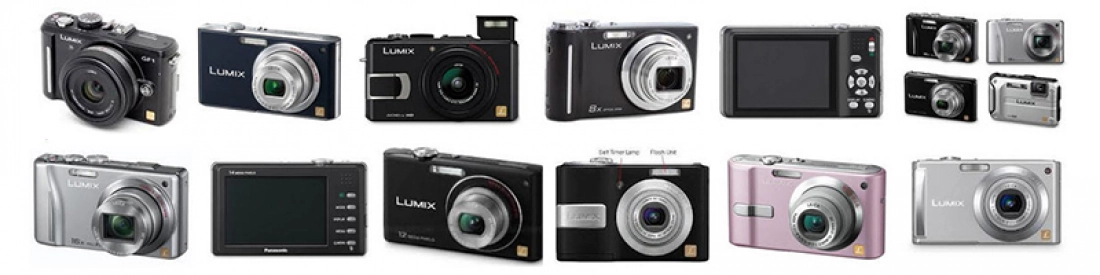
As the name suggests, these are generally small cameras, compact and lightweight, although in some cases you can find large and heavy compacts.
They are extremely easy to use, usually operating fully automatically and not allowing any manual adjustments (except for some filters that can be applied before shooting); almost all now also record full HD video at 1920x1080 pixels.
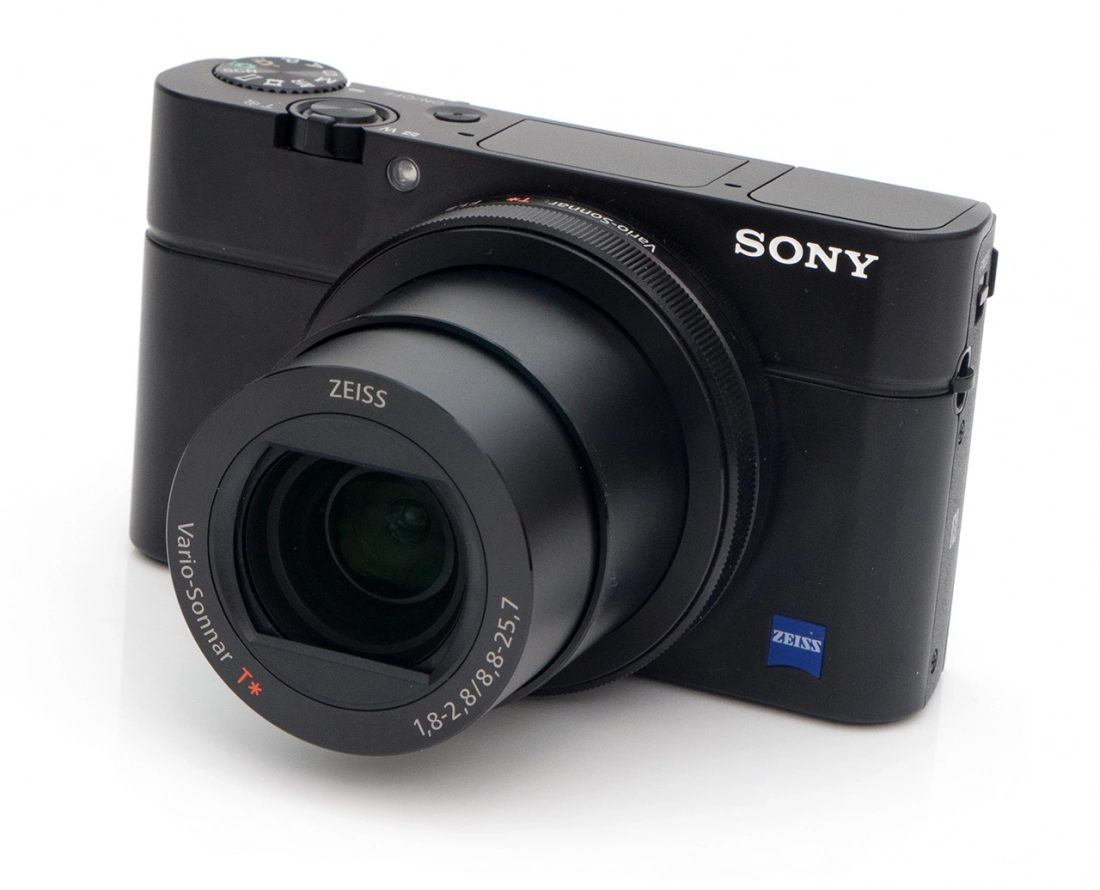
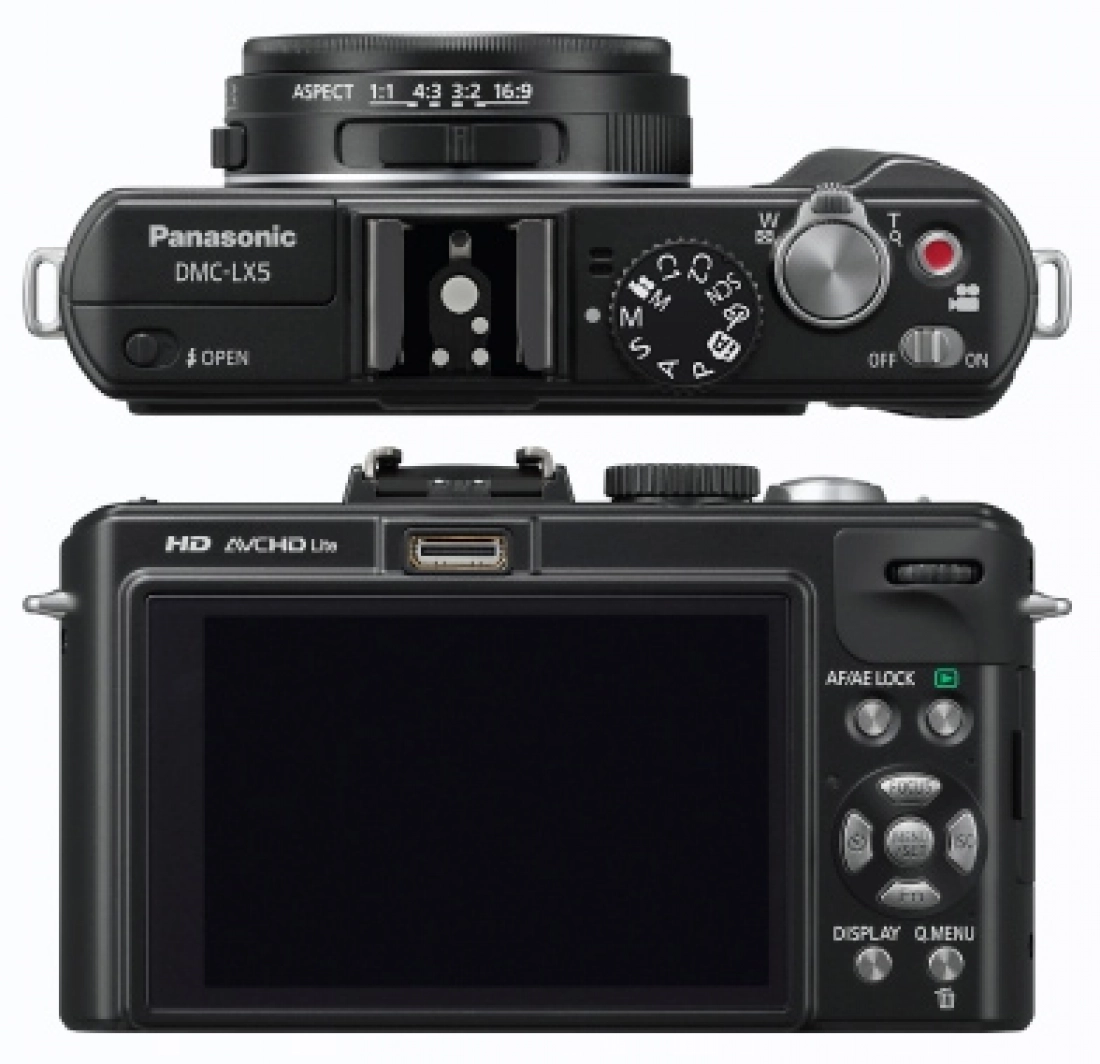
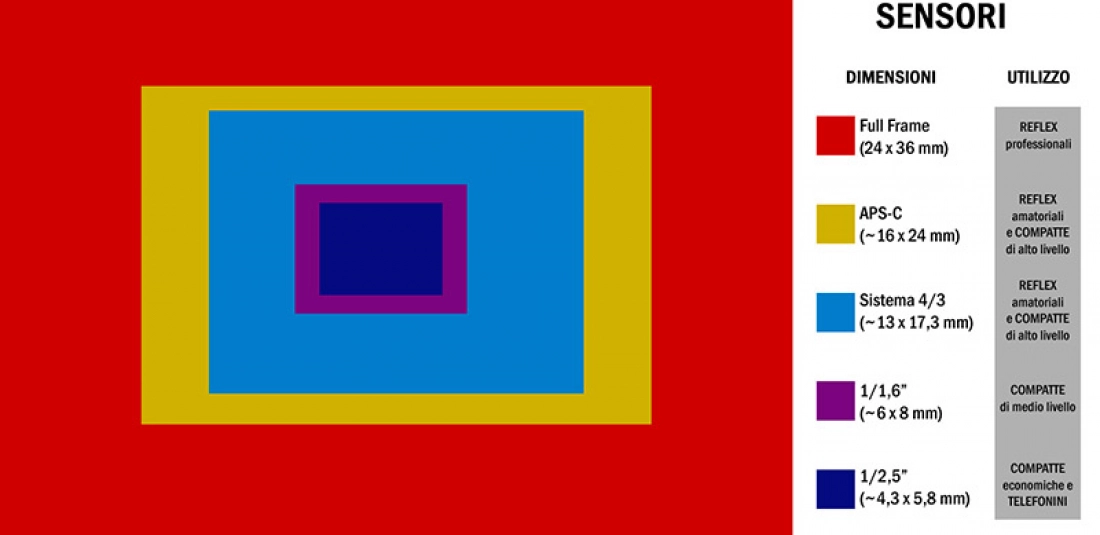
They have a small sensor, typically around 6x8 mm. This allows for building compact cameras. The downside is that the image quality cannot be compared to a DSLR; moreover, a small sensor does not handle sensitivity well, and photos at high ISO are full of annoying 'noise.' For this reason, compact cameras are suitable for shooting in bright outdoor light but do not perform well in low light conditions unless using the flash.
Another drawback of compacts is that, being fully automatic, they are often slow to shoot. This means that sometimes photos come out blurry or the decisive moment is missed.
Finally, being completely without a viewfinder, in bright light or outdoors in the sun, strong reflections appear on the display, making it practically impossible to get a good framing.
On the market, compacts range from just under 100 euros up to 500-600 euros for the best models.
Conclusions
They are suitable for general outdoor photos, travel, for those who want light gear and for those who want to spend little.
They are not suitable for shooting in low light, for sports or nature photography, or for those who are very demanding in terms of quality.
BRIDGE
Bridge cameras are essentially cameras with an operation intermediate between a DSLR and a compact. Their main feature is a zoom that can easily go from wide-angle or normal to the size of a telephoto lens. This zoom is equipped with built-in stabilization that helps prevent camera shake in low light conditions.
One feature that differentiates them from compacts is the availability of main exposure modes (manual, aperture priority, shutter priority, automatic), while a feature that differentiates them from DSLRs is the presence of a fixed, non-interchangeable lens.
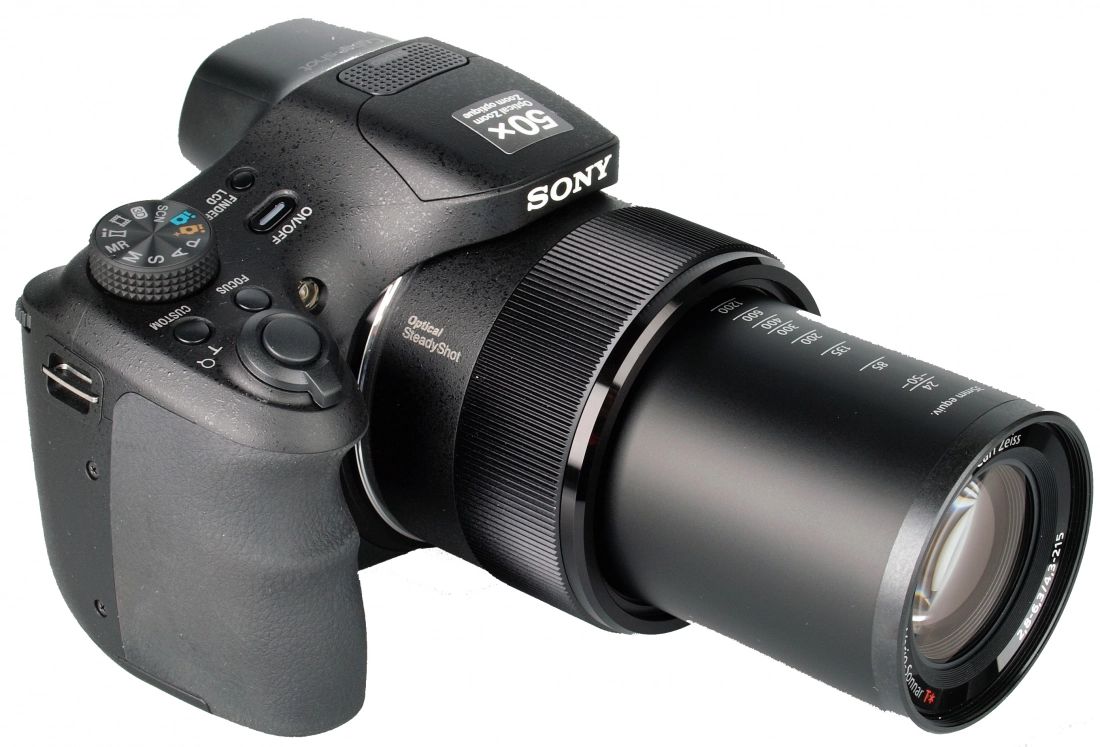
They have a small sensor, similar to that of compacts, but thanks to higher quality lenses, the shots are better than compacts. However, these lenses, having significant zoom, tend to be less bright, so shooting in low light can be difficult.
They have a compact design, a comfortable grip, although they are quite bulky.
Conclusions
Of all types of cameras, I strongly advise against bridge cameras. They are bulky, not very bright, and practically cost about the same as an entry-level DSLR.
The only advantage they have is this excessive zoom which, however, is not interchangeable and often lacks brightness. Therefore, they are not recommended for sports photography or wildlife shots.
MIRRORLESS
They are the latest arrivals on the market, experiencing strong growth, and in some countries (see Japan, for example) they have already surpassed DSLRs in the number of units sold.
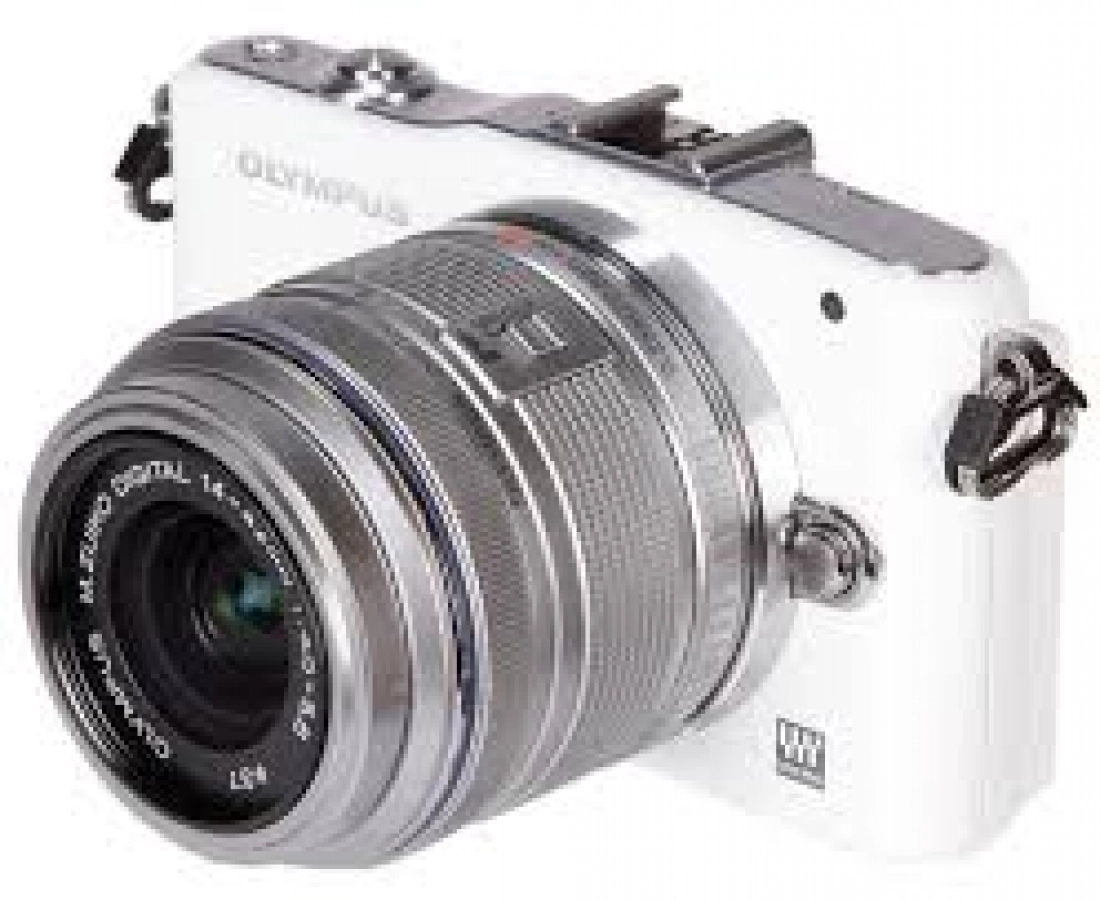
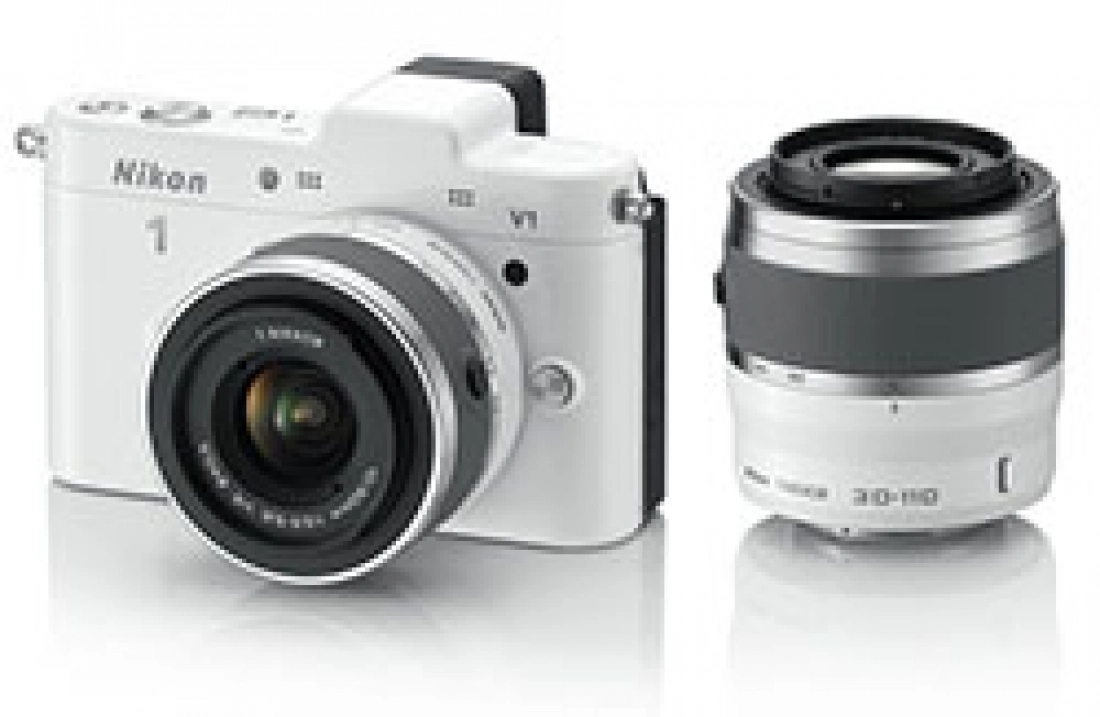
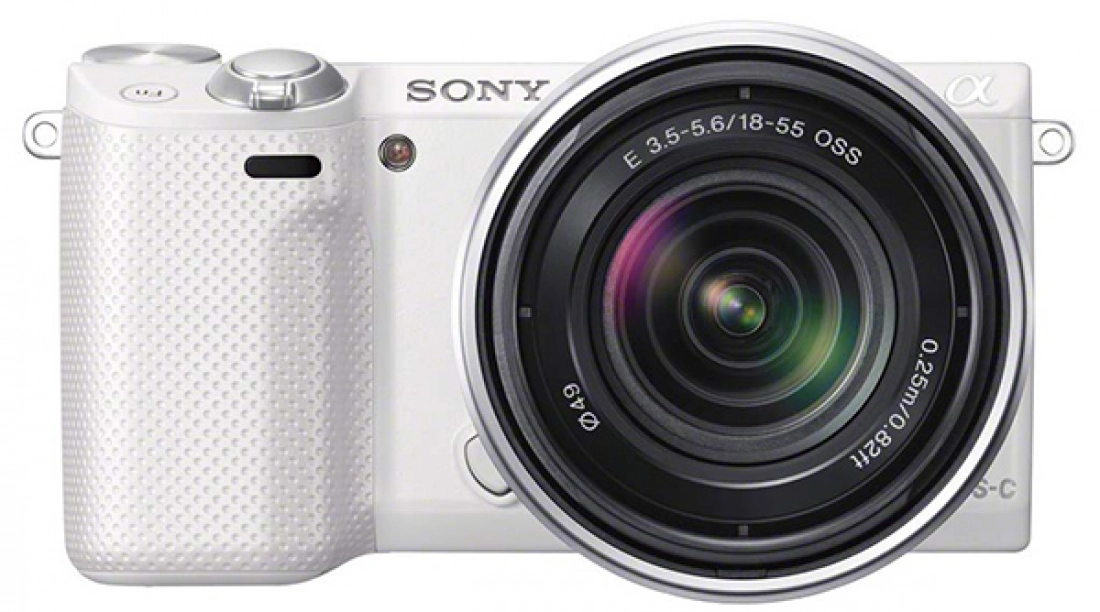
Aesthetically, they resemble a large compact camera but with the ability to change the lens, from wide-angle to telephoto. Technically, compared to DSLRs, they lack the internal mirror that reflects the image into the viewfinder (we will see how this works in upcoming lessons). This allows mirrorless cameras to have a smaller body. However, in the absence of a viewfinder as in compacts and bridge cameras, it is not possible to see exactly what the lens is capturing.
Performance in terms of image quality is excellent. Thanks to their larger sensor compared to a compact camera, they can capture more information and have an excellent signal-to-noise ratio even at high ISO.
Mirrorless cameras, like all other cameras, can be used fully automatically but also offer numerous manual adjustment options. Additionally, all (or almost all) can record video in full HD at 1920x1080 pixels.
Last but not least, an interesting feature is that through special adapter rings, many DSLR lenses can be mounted.
The cost is not exactly cheap but, given the quality, it is money well spent. Prices start from a minimum of 350-400 euros up to over 1000.
Conclusions
Personally, I find mirrorless cameras a wonderful innovation in the world of photography. These cameras are suitable more or less for all uses. They are light, compact, and offer excellent image quality.
I recommend them to those about to buy their first camera who don't want to go overboard with a DSLR but at the same time want something more than a compact.
At the moment, the only problem is the still high price, but over time and with the evolution of models, I believe they will become significantly more affordable.
DSLR
DSLRs are the most used cameras by advanced amateurs and professional photographers and have features that make them practically ideal for photographing in any situation.
The advantages of DSLRs, compared to the categories we discussed earlier, are countless:
- Thanks to significantly larger sensors (especially when we talk about full frame), the image quality is definitely superior to that of a compact or mirrorless camera.
- Also thanks to the quality and size of the sensor, there are no particular issues at high sensitivities, so you can photograph even in low light conditions.
- They are much faster at shooting compared to a compact camera, allowing us to capture the right moment (for example, at a sporting event).
- Thanks to the mirror/pentaprism/viewfinder system (we will go into detail in upcoming lessons), focusing and framing can be done with absolute precision. What you see in the viewfinder is exactly what will be recorded on the sensor.
On the market, there are countless lenses and accessories, even from brands different from the camera's, allowing us complete freedom of choice.
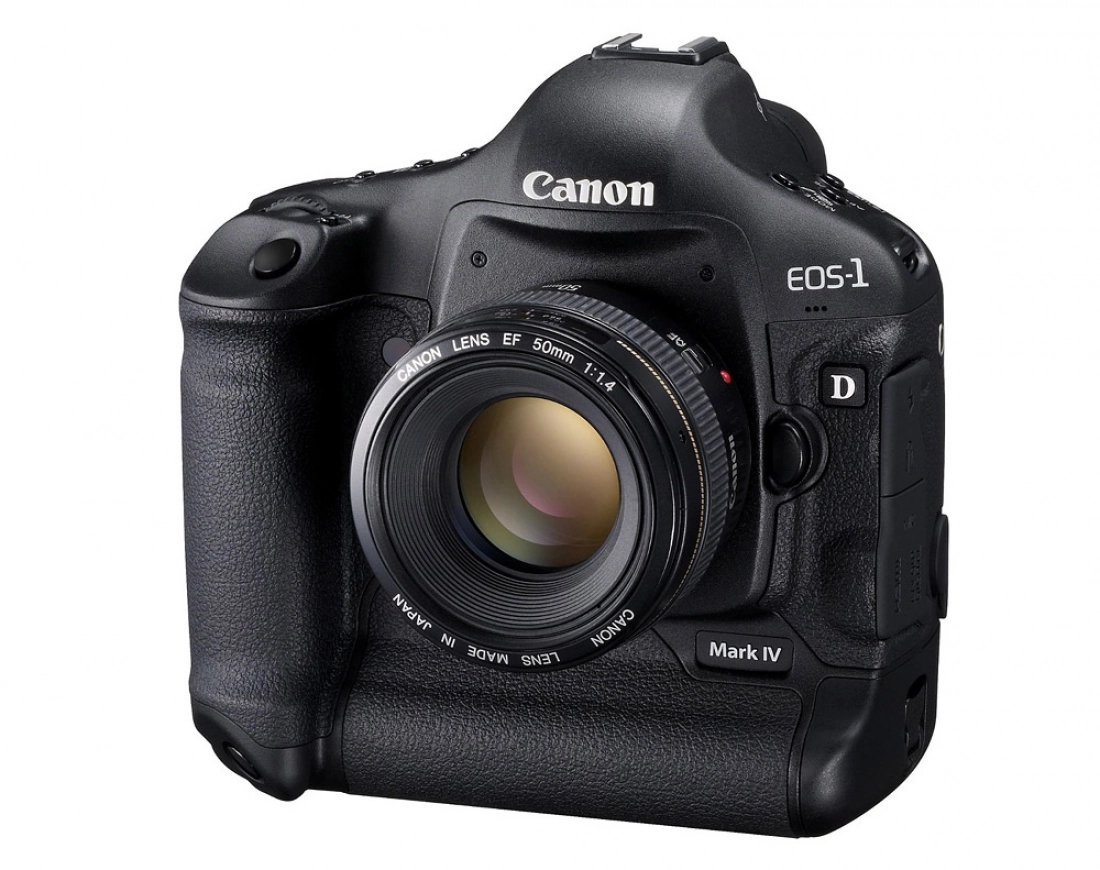
Prices today range from 350-400 euros for entry-level models up to about 10,000 euros for top-of-the-line models.
Conclusions
If you are still undecided about whether to buy a DSLR or not, the only question you need to ask yourself is whether you are willing to carry around a fairly bulky and heavy object. This, in my opinion, is the only drawback of DSLR cameras.
Otherwise, I recommend them to anyone who intends to do “serious” work; this type of camera is not a toy. It takes time and willingness to learn how to use it, but in the end, it will give you great satisfaction.
If you missed the previous lessons you can consult this page where there is a summary of all the lessons of the course.



