
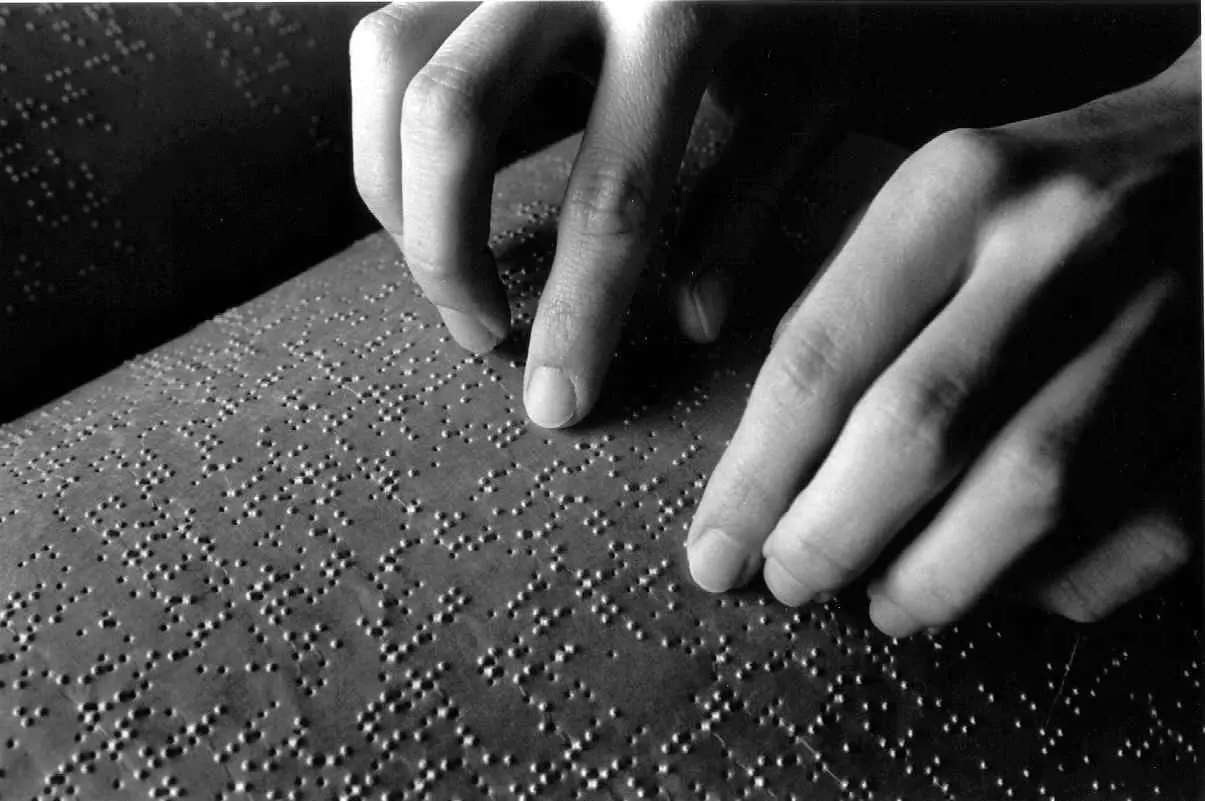
Saverio Caracciolo, photographer and video reporter from Tropea, in the province of Vibo Valentia, organized a photography course quite special, also giving the opportunity to BLIND people to express themselves through images.
Madness? A waste of time? Absolutely NOT, Saverio managed to create a course so interesting that it will even be repeated at the University of Cosenza.
Blind people are not disabled but have a disability and a life to live and express. This is the reason behind this wonderful gesture of his.
We at Photoblog wanted to meet Saverio in person and contacted him to learn more about this wonderful project. Below is a brief interview.
Photoblog: Good morning Saverio
Saverio: Good morning to you and all the readers of Photoblog.
Photoblog: How did the idea of creating a photography course for BLIND people come about?
Saverio: It all started by chance in 2015. Being the on-set photographer for the TV station LaC TV, every Sunday we had a nice entertainment program called LA NOSTRA DOMENICA: current events, music, prize games, interviews, sports, entertainment, and much more, hosted by Erica Cunsolo and Alessio Bompasso.
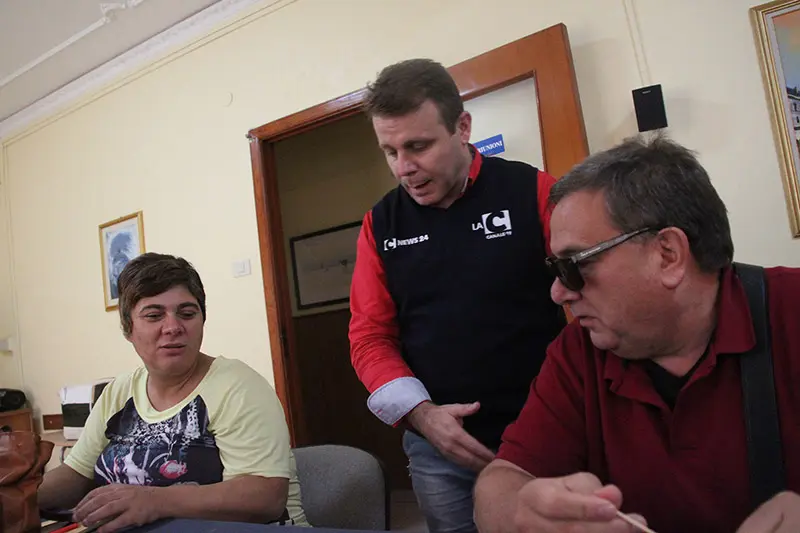
And in one episode, a group from the Union of the Blind of Vibo Valentia was invited, and while I was talking with the president of the union, Giovanni Barberio, instead of looking at him, I was addressing his companion. After a few seconds, Giovanni interrupted me and said: why, if you are talking to me, don’t you address me?
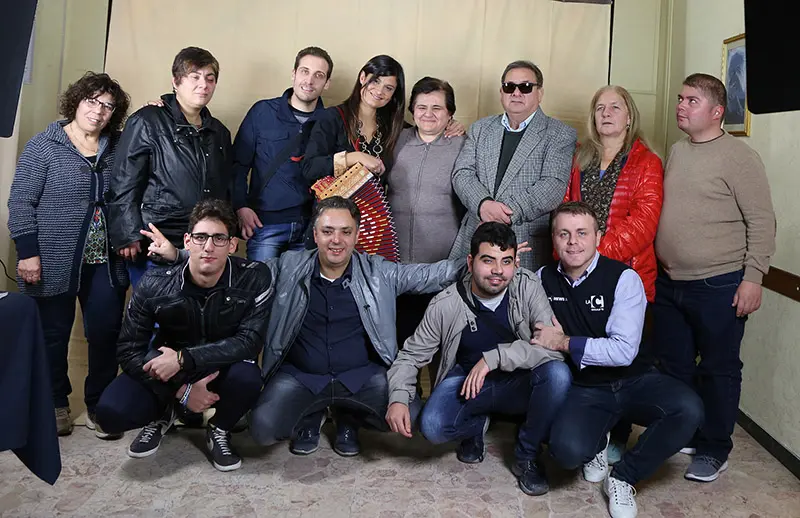
That reproach touched my heart because, being a person with some sensitivity, I realized that in a way, even if unintended, I had put barriers between me and him, and during the broadcast, the idea of a course for blind people was born in me.
In the following days, I tried to find something on the internet and get some ideas, but I found nothing; in other words, something like this had never been done. So I set to work alone and structured the various phases of the course, and after two weeks, I went to the Union of the Blind of Vibo Valentia (UICI) to propose the course to President Barberio, and as soon as I told him: “I would like to create a photography course for you,” his blunt response was: “Are you kidding me?”
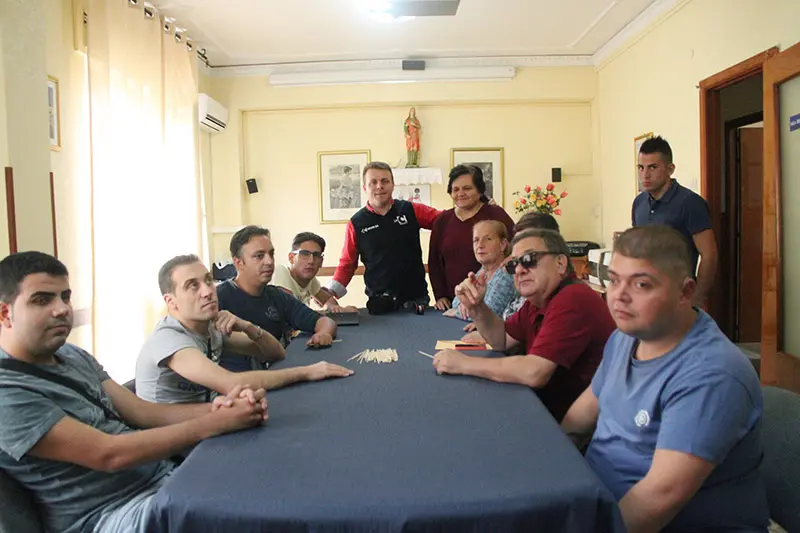
But as soon as I described the course to him, he got excited and with a touch of reserve and apprehension, he proposed it to all the members of the union, who accepted the challenge and 11 of them took part with me.
Photoblog: How did you structure this course?
Saverio: I started the course dedicating the first part to talking about the history of photography, from its beginning with the daguerreotype invented in 1837 by L.-J.-M. Daguerre, up to the present day, covering analog to digital, and also discussing the greatest photographers, both past and present.
Then I dedicated a few days to showing and letting them touch various cameras, both SLRs and box cameras, so that through their hands and senses, they could begin to familiarize themselves with a device they had never seen or touched before.
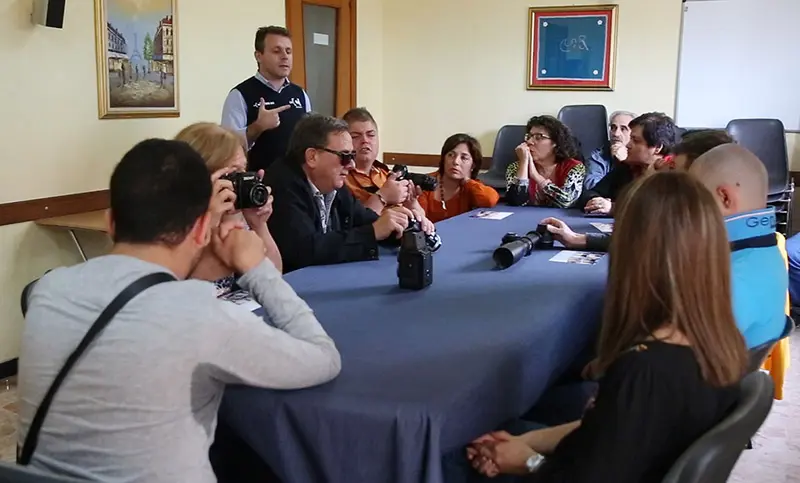
But the most interesting part was when I had to explain the rule of thirds and photographic framing, and to do this one day I brought some wooden sticks, and after giving them to the participants, I asked them to form a rectangle on the table, which would represent the frame of their camera. I explained that the main subject should never be placed in the center of the frame but offset, and they used a small piece of stick inside their rectangle on the table to position it either to the right or left of the center.
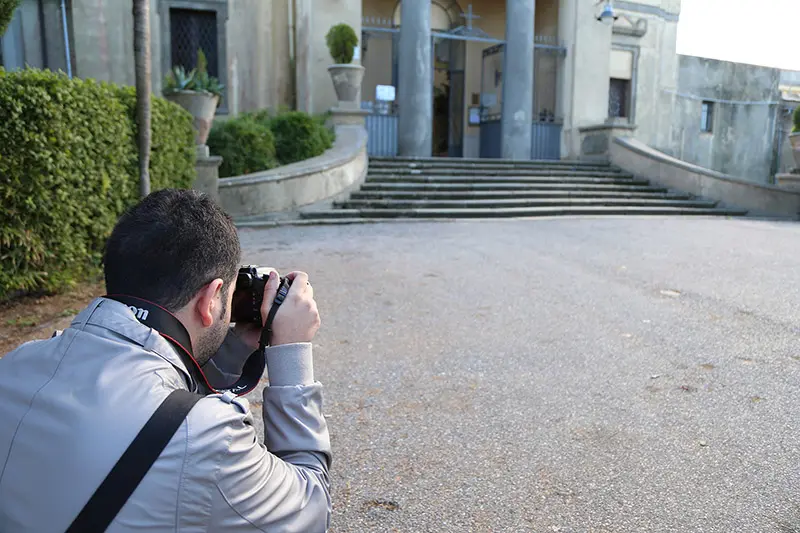
Once the course was finished, I asked them to choose a theme and do a street reportage, and the theme they chose was against architectural barriers. At that point, accompanied by me individually, we went to the place where they wanted to photograph and which they knew well due to the difficulties they encountered during their walks. On site, I described the scene in front of them, and they chose the angle, holding the camera correctly with their hands, bringing the camera’s viewfinder to their eye and taking the photos.
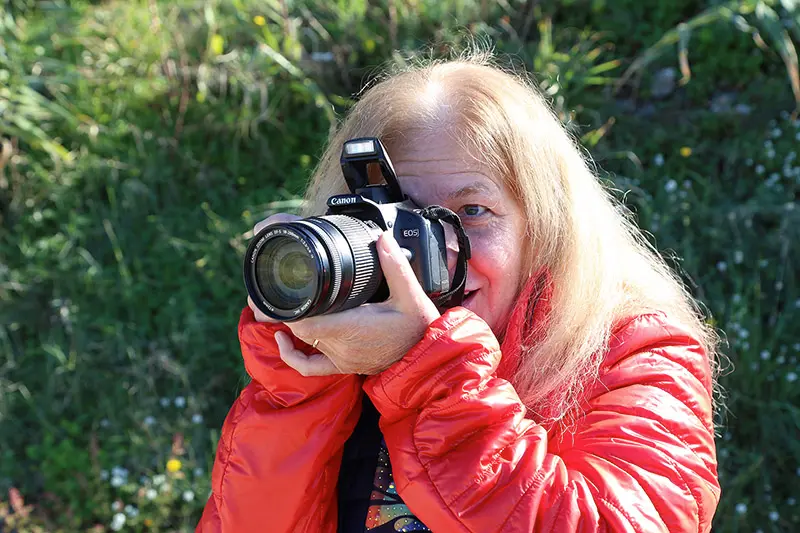
I remember one day, with a participant Marco Librandi, while we were out, an acquaintance of his was watching him with an ironic and playful smile, and seeing that Marco obviously couldn’t see that scene, I invited the person to call Marco to take his photo. Without Marco knowing, this person started calling him asking for a photo. The surprise was that while this person was calling him for a photo, Marco turned around and, following him with the camera, took some shots. Then Marco showed him the photos on the camera’s screen, and those photos changed that ironic smile into a phrase: “Well done, Marco.”
[caption id="attachment_12285" align="aligncenter" width="800"]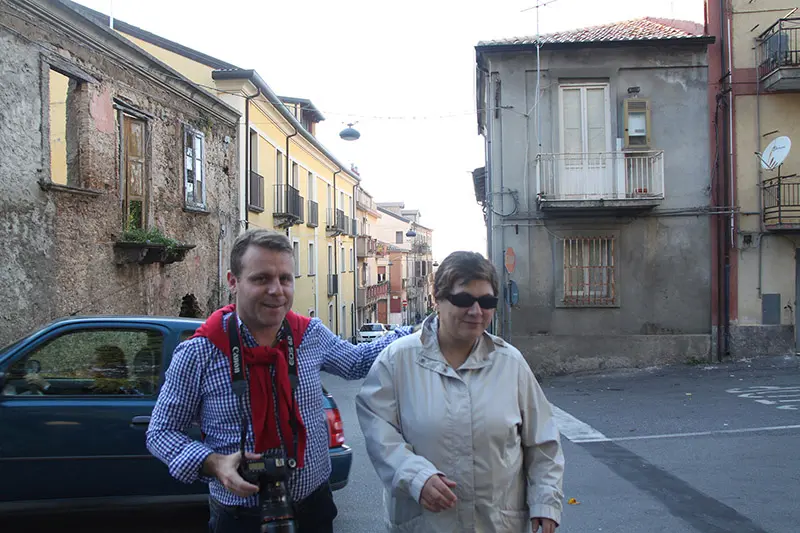 @photo by Giovanni Barberio[/caption]
Photoblog: Did you encounter difficulties teaching a visual art to blind people?
Saverio: Absolutely not, because it’s true that this idea was born by chance, but being a photographer who, before photographing with the eyes, uses both mind and heart, blind people also have both heart and mind… and as they say, where there’s a will, there’s a way.
[caption id="attachment_12283" align="aligncenter" width="800"]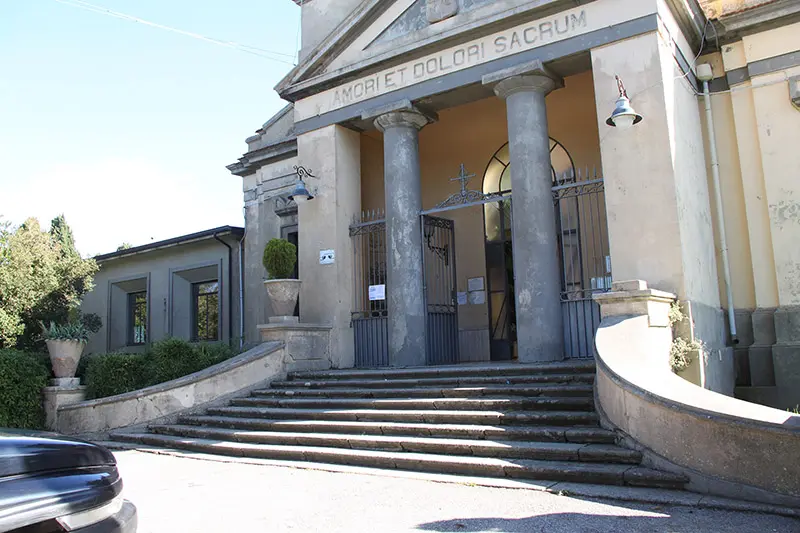 @photo by Giuseppe Bartucca[/caption]
Photoblog: Did the participants enjoy this unique experience?
Saverio: Very much so, and one participant, Giuseppe Pastafiglia, when I asked him to tell me his feelings and emotions about the course, said: “It allowed us to project ourselves through images to others and vice versa, because through what we imagine we photographed a situation that can concern everyone, since each of us has dreams and expectations, and photos serve this purpose, to capture dreams and expectations so that they may come true.”
[caption id="attachment_12281" align="aligncenter" width="800"]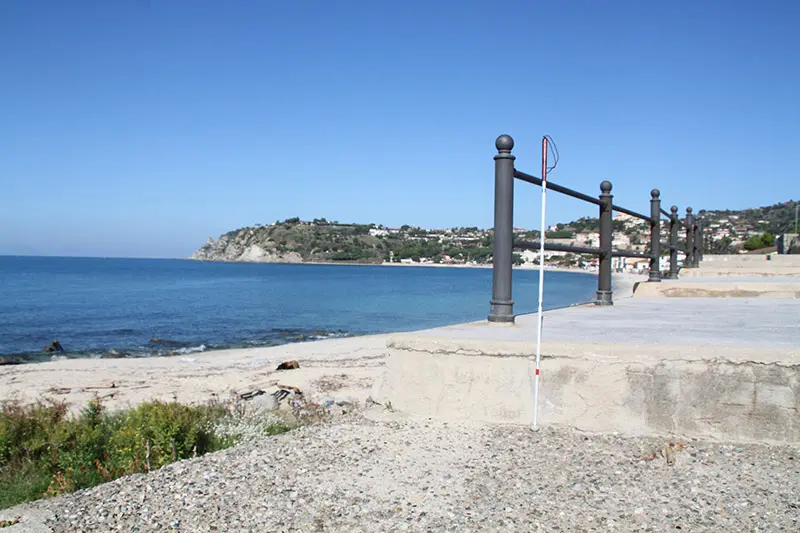 @photo by Silvia Baresani[/caption]
Photoblog: Did you manage to achieve the goal you set for yourself?
Saverio: Besides achieving the goal I had set, I realized that it’s true I taught them something that had never been thought of before, but through the participants I understood that one should never have barriers in their own eyes and should think that we are all equal without distinction.
Photoblog: This course was such a success that it will be repeated at the University of Cosenza, do you confirm?
Saverio: Yes, we are evaluating with the university how to structure it, but it will happen.
[caption id="attachment_12286" align="aligncenter" width="800"]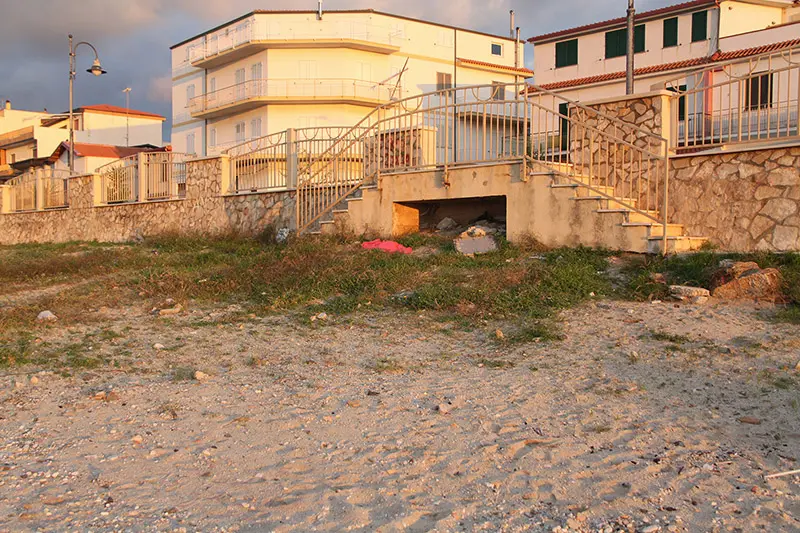 @photo by Giuseppe Pastafiglia[/caption]
Photoblog: Have you organized exhibitions with the participants' photos?
Saverio:In addition to the photographic exhibition, we created the 2015 Vibo Valentia union calendar with their photos.
Photoblog: Do you have plans for further courses for the visually impaired or other special projects in the future?
Saverio:After the article was published in Corriere della Sera, I received several requests to hold this course in various regions of Italy.
[caption id="attachment_12282" align="aligncenter" width="600"]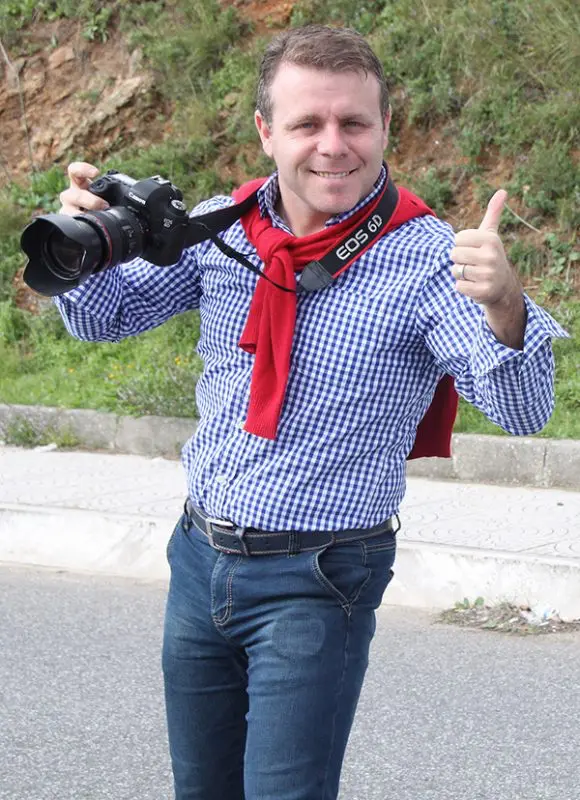 Saverio Caracciolo photographed by Laura Monteleone[/caption]
Saverio Caracciolo: Facebook - YouTube channel - Lac TV - Lac TV News



