
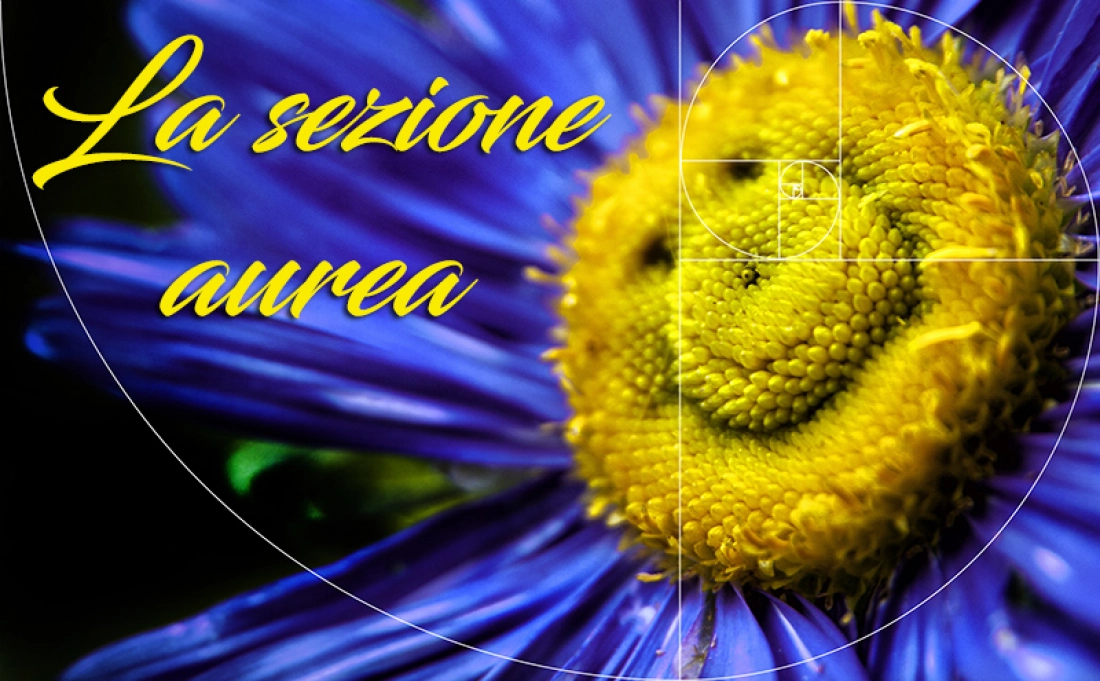
In previous lesson we thoroughly analyzed one of the main composition rules to know in photography: the rule of thirdsi. In reality, the rule of thirds is a simplification of a further composition rule that is decidedly more complex but absolutely more effective. We are talking about the golden section.
This rule, if followed, will make a significant leap in quality for your images. It will not be easy to apply at all, but over time (and with many shots to discard) you will see that it will become increasingly familiar to you. Let's start, of course, by seeing what the golden ratio consists of and then we will see how to apply it to our shots.
What is the golden ratio?
The golden section, also called divine proportion, it is the basis of human works such as architecture, sculpture, painting, but also within anatomical structures, shapes of galaxies, and elements of the mineral and natural world.
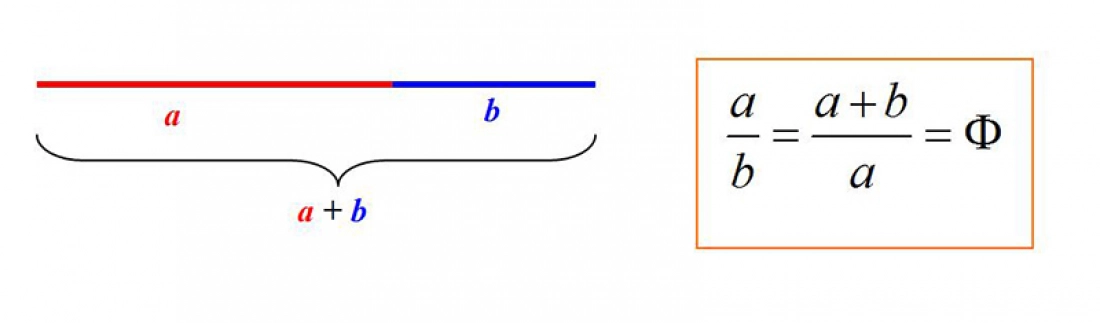
Its history begins to be documented already in the book “Elements of Geometry,” written by Euclid in 300 BC. The golden number is an irrational number that we represent with the Greek letter “phi”. Theoretically, the golden number is the result of the ratio between two different quantities, where the larger quantity is the mean proportional between the smaller quantity and the sum of the two. The golden ratio is an irrational number that is approximately abbreviated as 1,6.
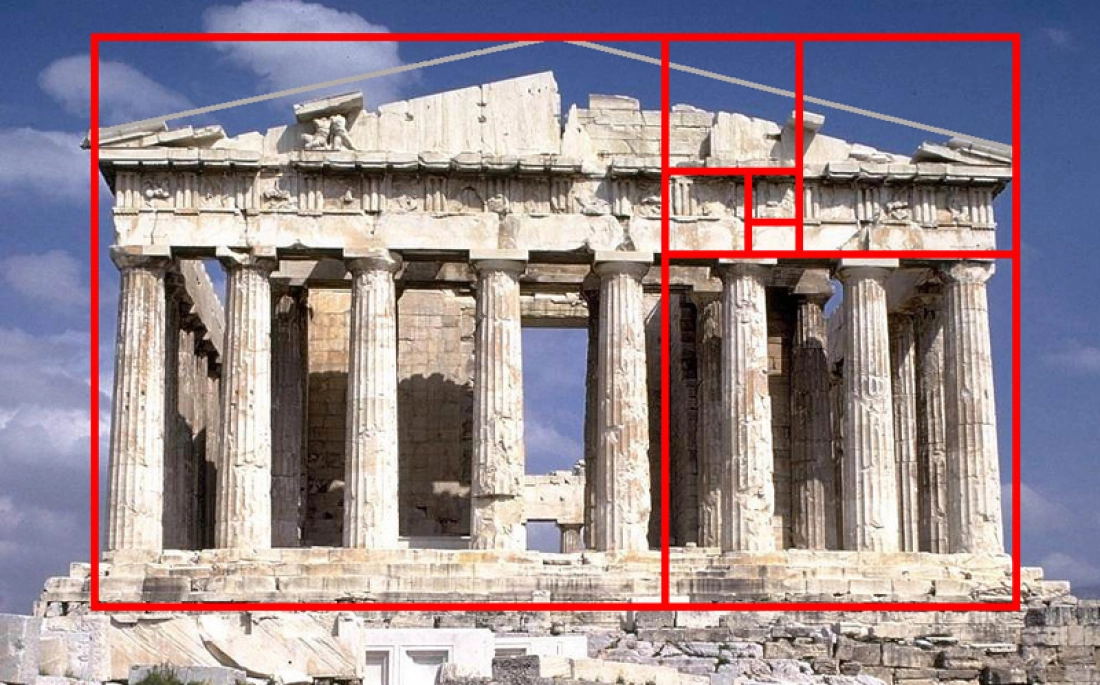
The golden proportion was widely used by the ancient Greeks as a harmonic ratio in architectural constructions and sculptural representations, for example in the proportions of the Parthenon of Athens.
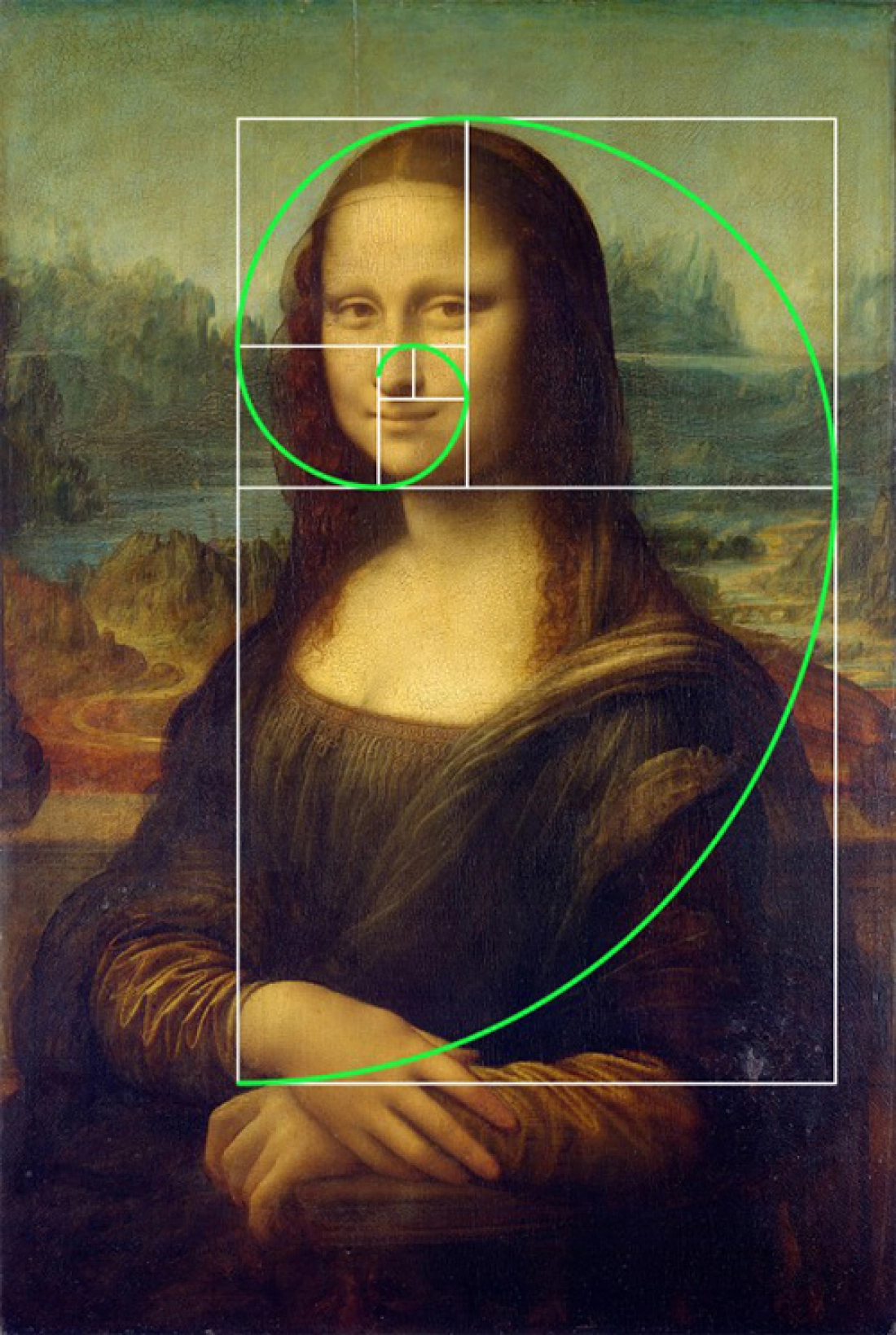
The golden section has also been widely used in painting, in many paintings, especially since the Renaissance. It aroused great interest among Renaissance artists and mathematicians, including Leonardo da Vinci and Piero della Francesca just to name a couple. It was then known as the “Divine Proportion” and was considered almost the mystical key to harmony in the arts and sciences.
The golden ratio can be found in the “Mona Lisa” by Leonardo Da Vinci and we can notice it:
- in the composition of the painting;
- in the proportions of the face;
- in the area from the neck to above the hands;
- in the area from the neckline of the dress down to below the hands.
Another example of the golden sequence is found in the very famous numbers of the series of Fibonacci (1,1,2,3,5,8,13,21,34,55,89,144…), where each number is calculated by adding the two previous ones.
The golden ratio in nature is found in the nautilus, a large mollusk, and we find it in the arrangement of rose petals or of geraniums and in the horns, tusks, and claws of some animal species. Even major global brands design advertisements and logos according to the golden ratio; just look at the logos of National Geographic, Apple, Toyota, Twitter, and Google perfectly in harmony with the golden ratio.
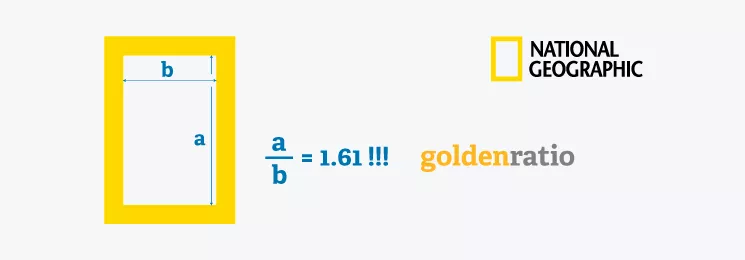
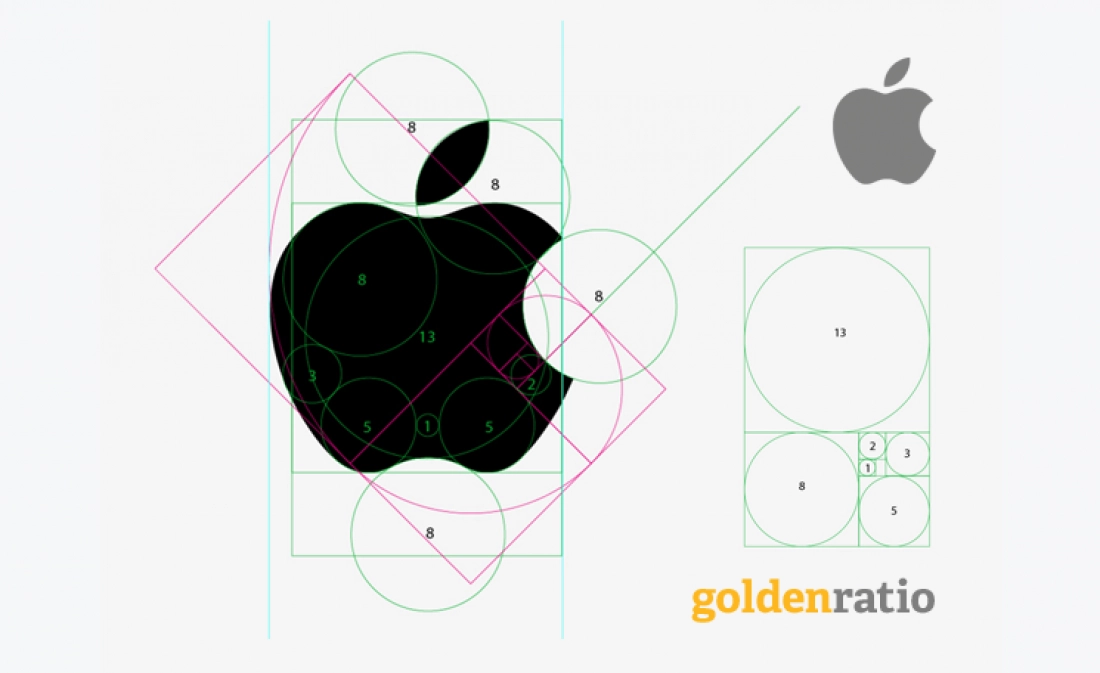
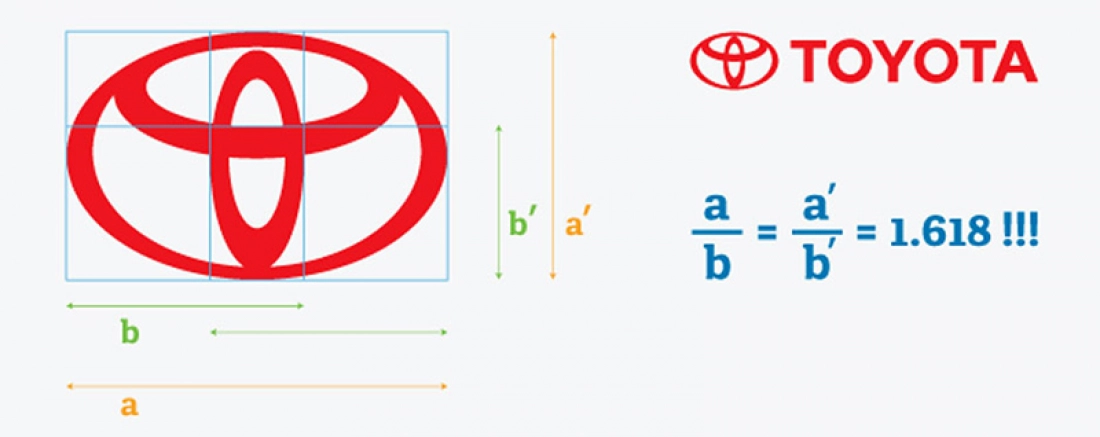
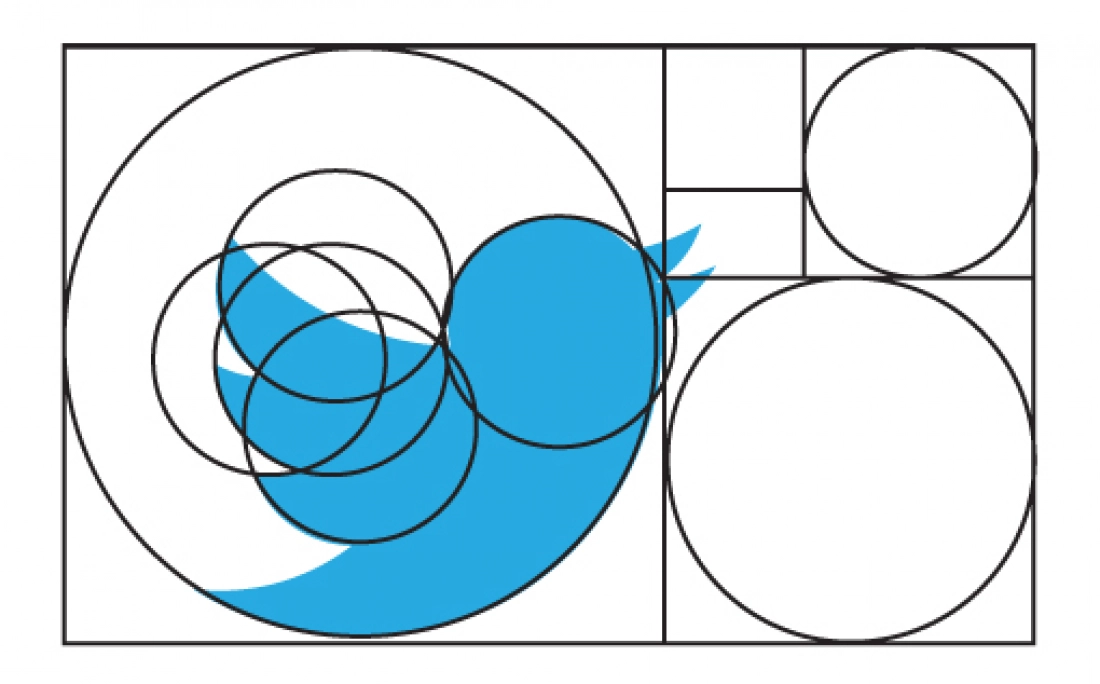
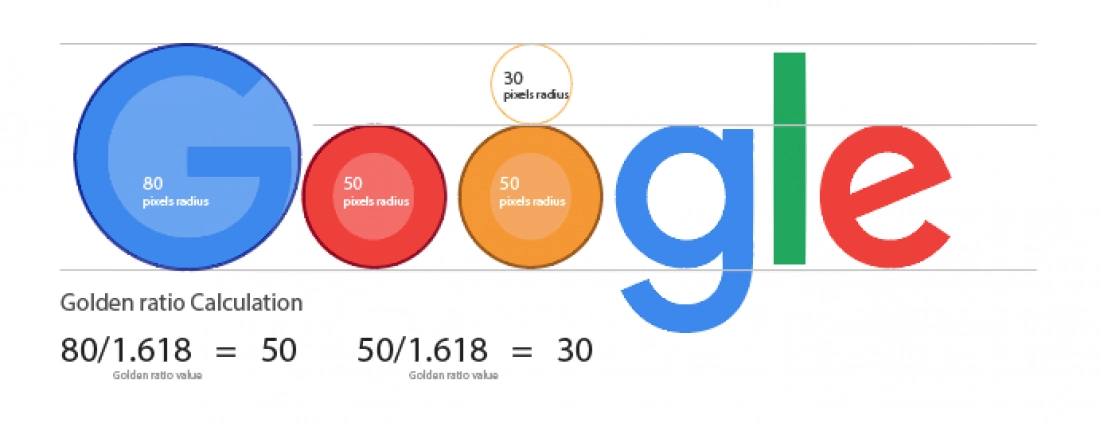
The reason for this excessive passion for the golden ratio is that compositions structured following its mathematical ratios are highly appreciated by the human eye for aesthetics and overall pleasantness. This ratio has been considered, since its discovery, as a representation of the universal law of harmony. The concept of harmony and its numerical laws have governed since archaic civilizations through the golden ratio.
How is the golden ratio applied in photography?
Yes, okay, you’re right, this is not a math lesson but a lesson in a basic photography course, so the question naturally arises. But how is the golden ratio applied in photography? Is it really useful?
There is only one answer: YES, in photography the golden ratio is absolutely recommended because it generates photographs with strongly harmonious proportions and allows us to achieve a more balanced and natural composition. Our brain, even unconsciously, is used to seeing golden objects all around us. If the photographs we take respect this golden ratio, they will be more pleasing to the eye.
To achieve a good golden ratio in our photographs, we have 3 different approaches; let's start with the simplest.
The golden rectangle
Just like the rule of thirds, we divide our frame into 9 sections but instead of having 9 equal rectangles, we must obtain rectangles that respect the golden number ratio among them. We will get a smaller central column while the side ones are larger (and equal to each other). The ratio between the central column and the side ones is precisely the golden number 1.61.
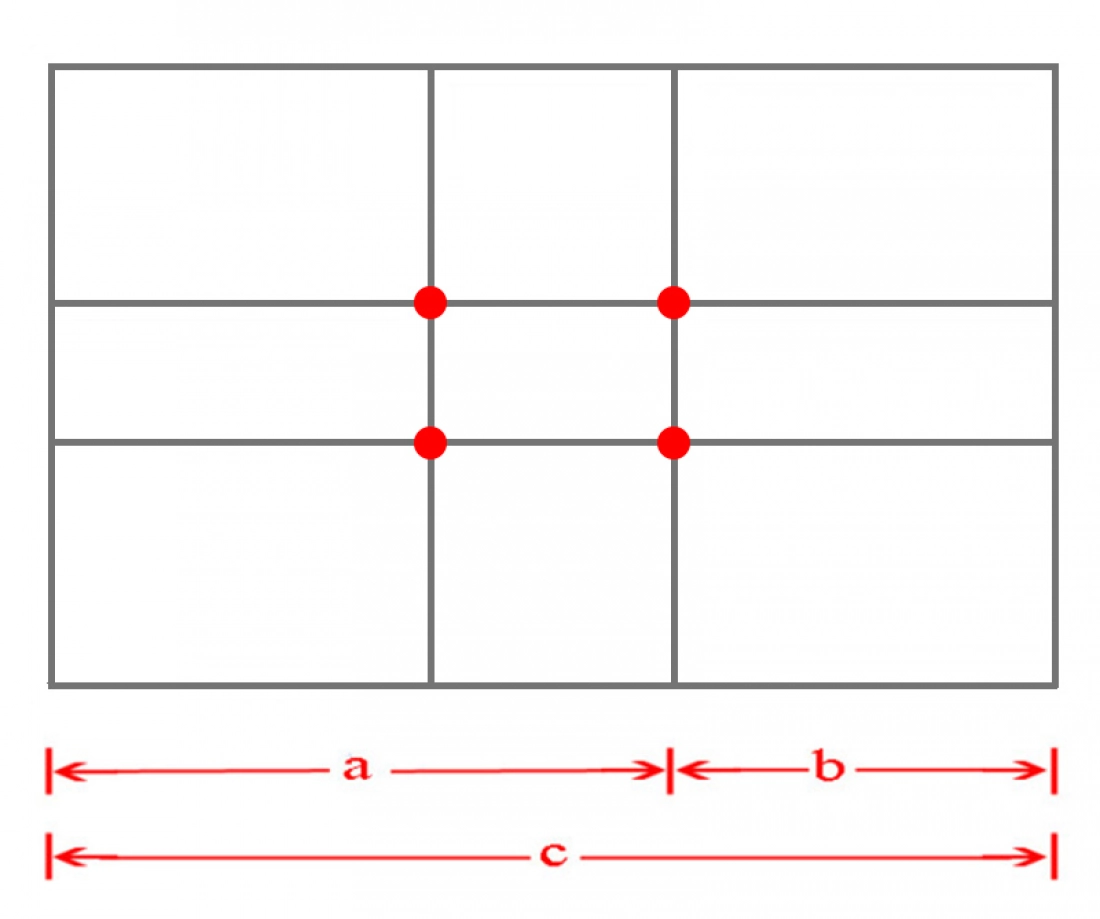
Also in this case, to give more harmony to the image, we should try to position our subject or the most important element of our photograph at one of the 4 intersection points of the lines.
The golden triangle
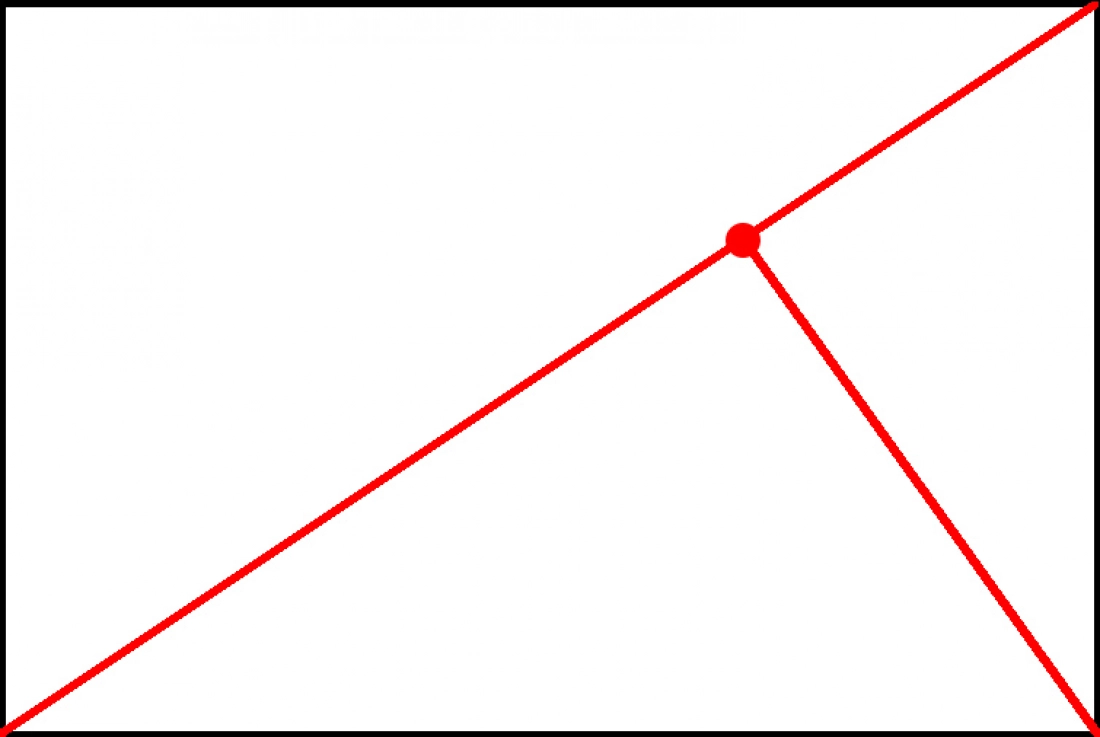
Simplifying the grid even more, instead of rectangles it is possible to use triangles to achieve the same effect, a sign of the power of the golden ratio. By drawing a diagonal on our frame and then the perpendicular connecting it to one of the corners that do not belong to it, we obtain at most 4 combinations which, by chance, coincide with the 4 points obtained from the grid with rectangles.
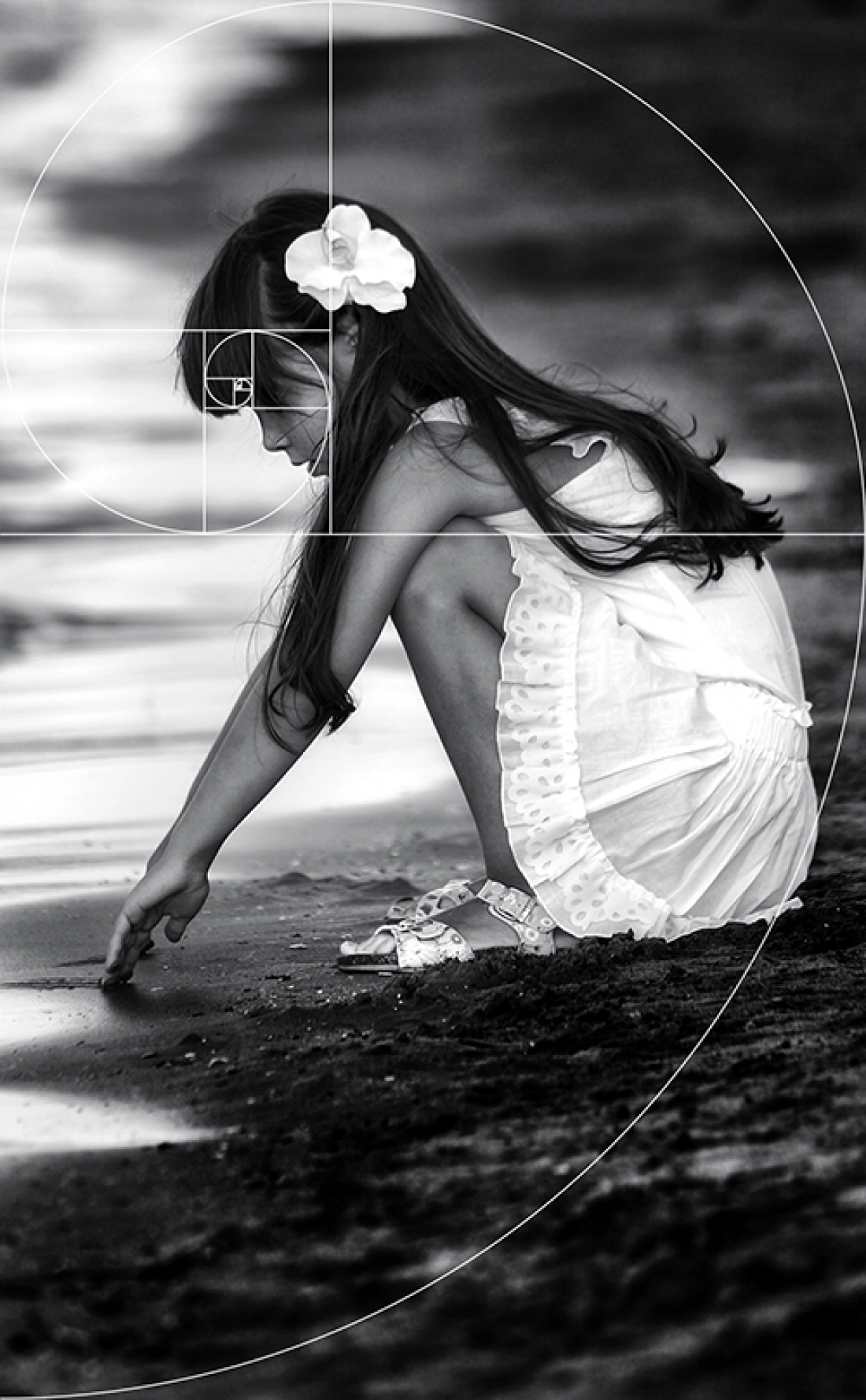
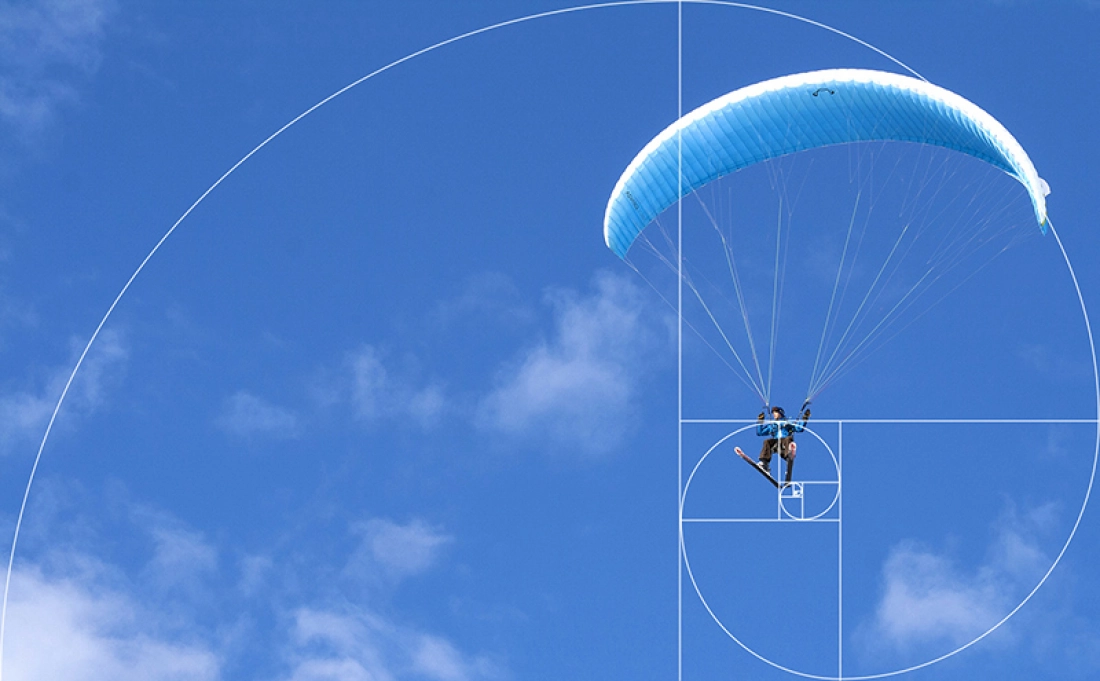
The golden spiral
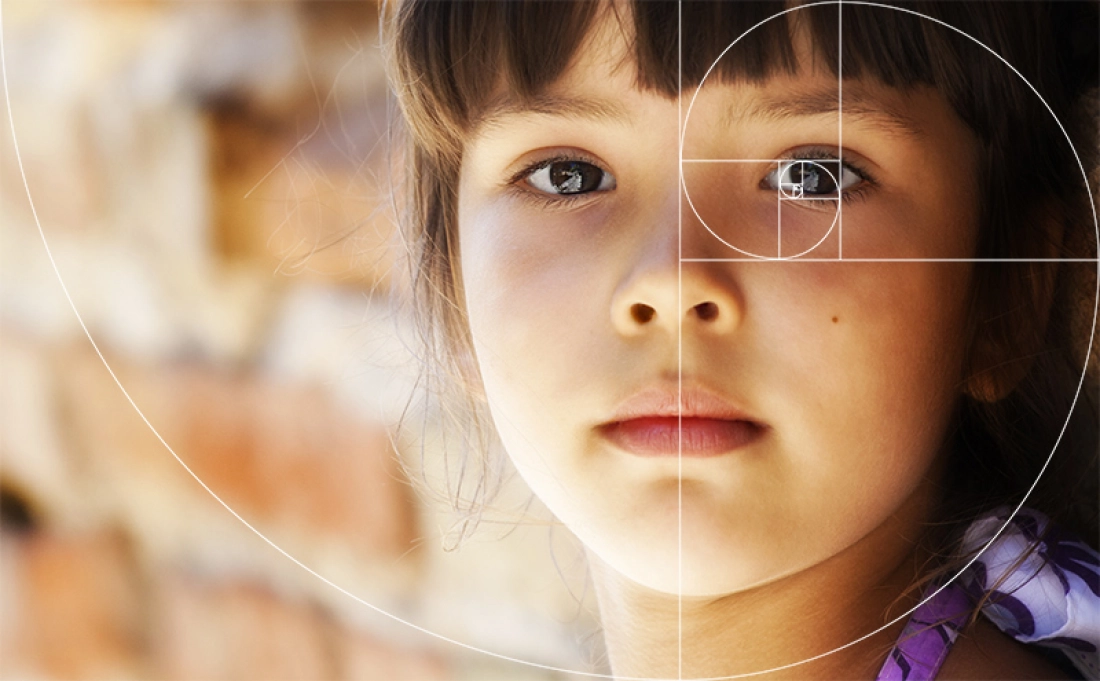
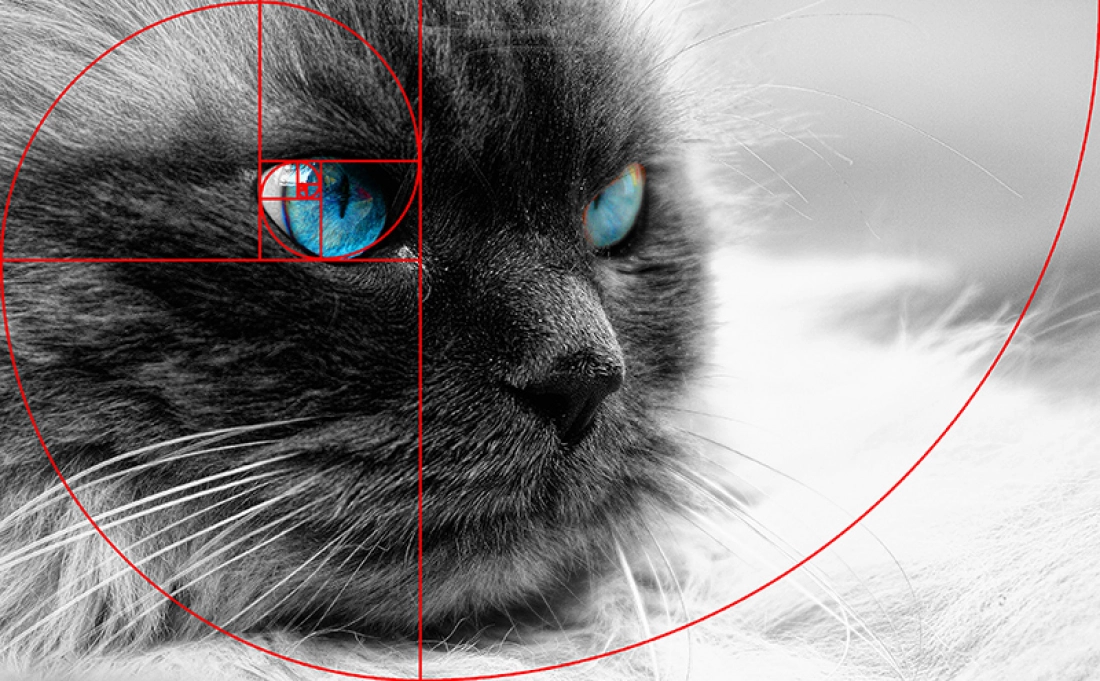
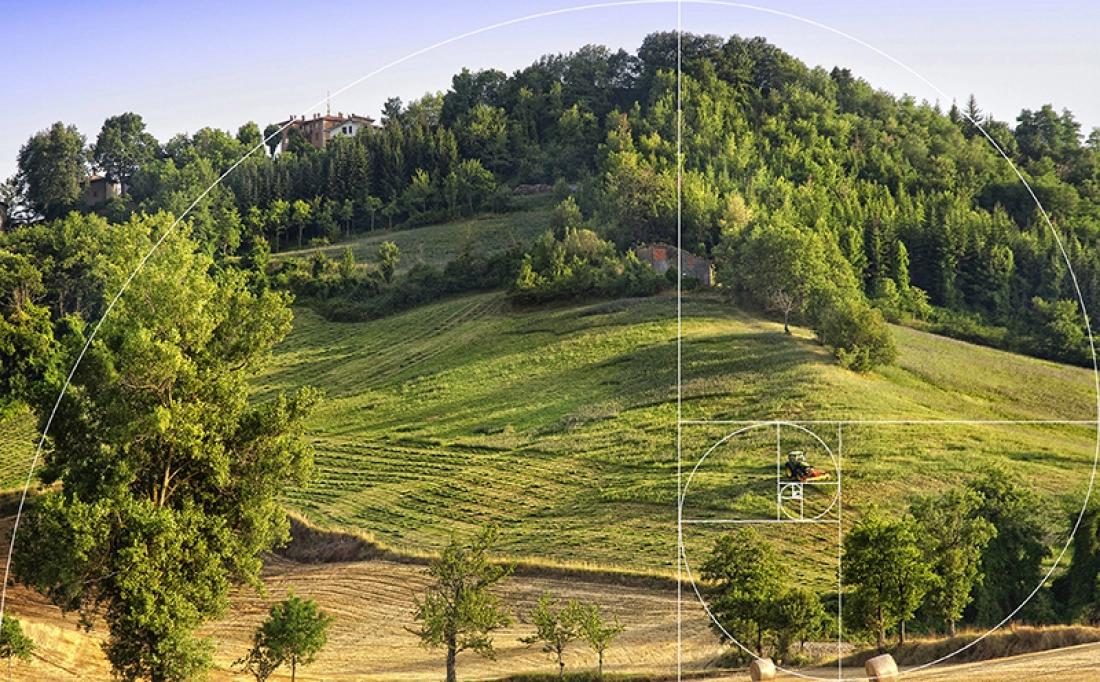
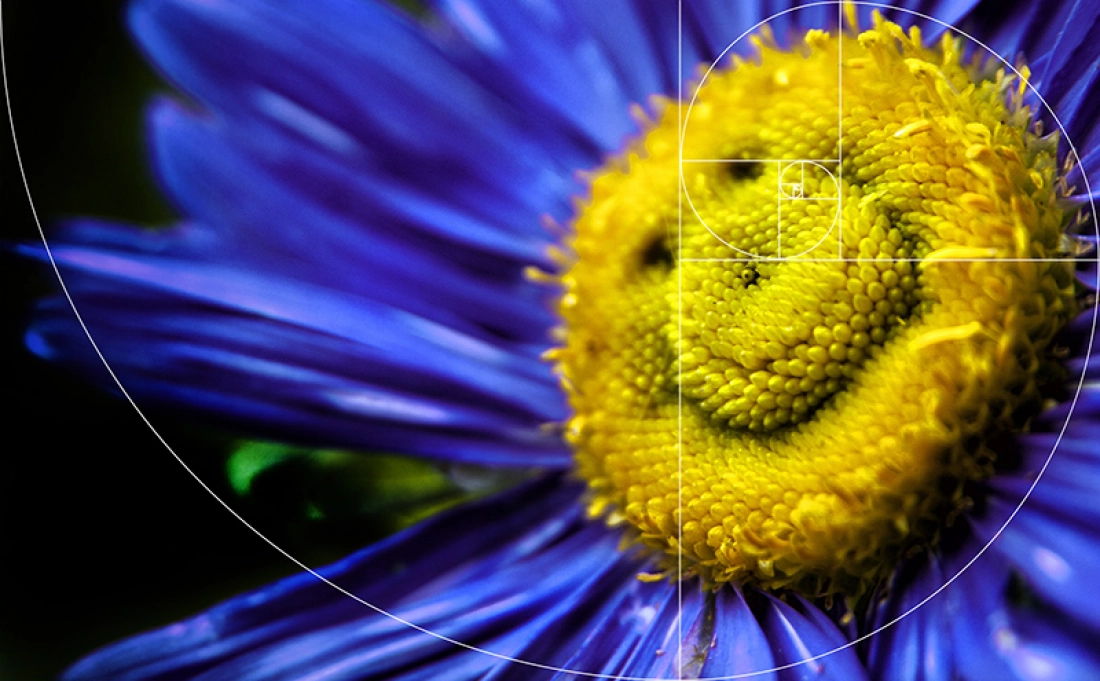
The most difficult but also the most fascinating approach to applying the golden ratio rule consists in following its spiral. To achieve it, simply divide our frame into many golden rectangles and draw a spiral that starts from a vertex and coils around itself.
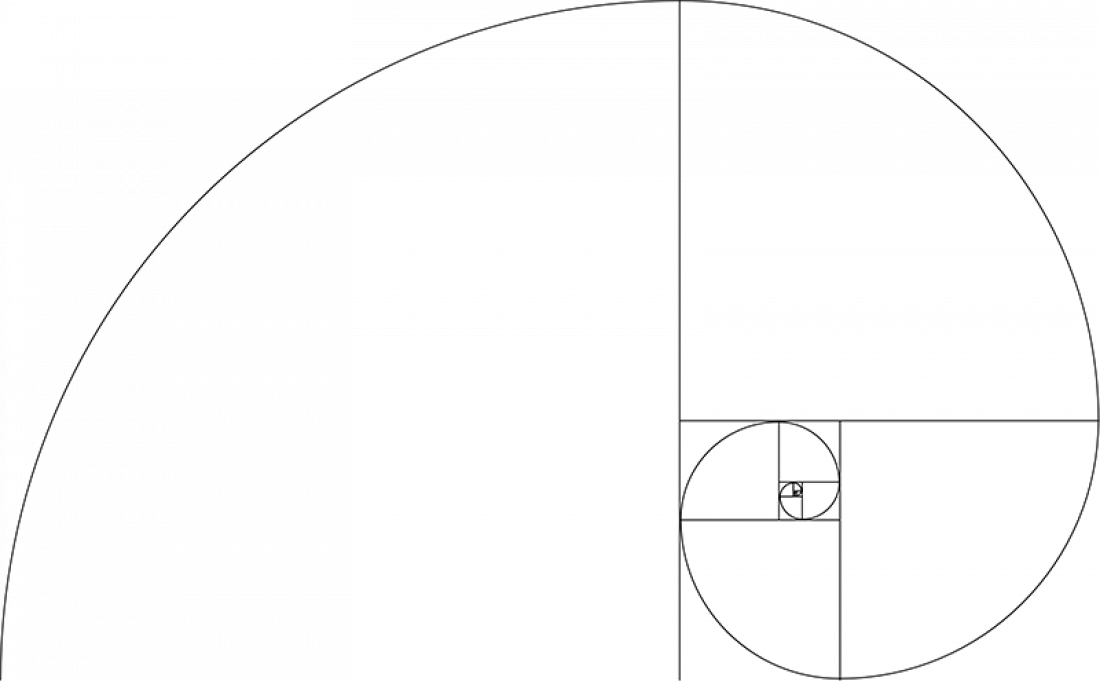
Even in this case, we should try to place our most important element of the frame exactly at the end of the spiral of the golden spiral which, as usual, coincides with one of the 4 points seen earlier in the grid of rectangles and triangles!
Not only that, the golden spiral also offers us a great cue by following its curve. By aligning elements of our framing to the shape of the spiral, we will obtain a very harmonious and beautiful image to look at. I assure you that it is not easy to find elements that perfectly follow the shape of the golden spiral; the important thing will be to position our subject within the smallest curl.
Below you can see some of my photographs that follow the golden ratio rule.
Conclusions
The golden section It is a fairly complex concept and it is difficult to understand which composition suits this rule well. Not all photographers are happy to set aside their instinct in favor of this complex mechanism. My suggestion is to learn the art and put it aside, do not remain anchored to the concept of pure technique and let your instinct take over. Perfection does not exist!
Certainly, if you manage to follow and apply the golden ratio to your shots, the quality and harmony you will achieve will make a big leap in your photographic technique and your photos will be decidedly more pleasing to the eye. Start with the rule of thirds we saw in the previous lesson and when it becomes automatic, try to move to the next level and achieve perfect golden spirals.
I didn't introduce it in this lesson because it didn't seem appropriate, this course is a serious matter, but if you want to have a laugh, read this article about the perfect golden spiral found on Donald Trump's profile!!!
In the next lesson we will talk again about photographic composition by introducing the concept of leading lines! If you missed the previous lessons of the photography course, you can always consult them at this link.



