
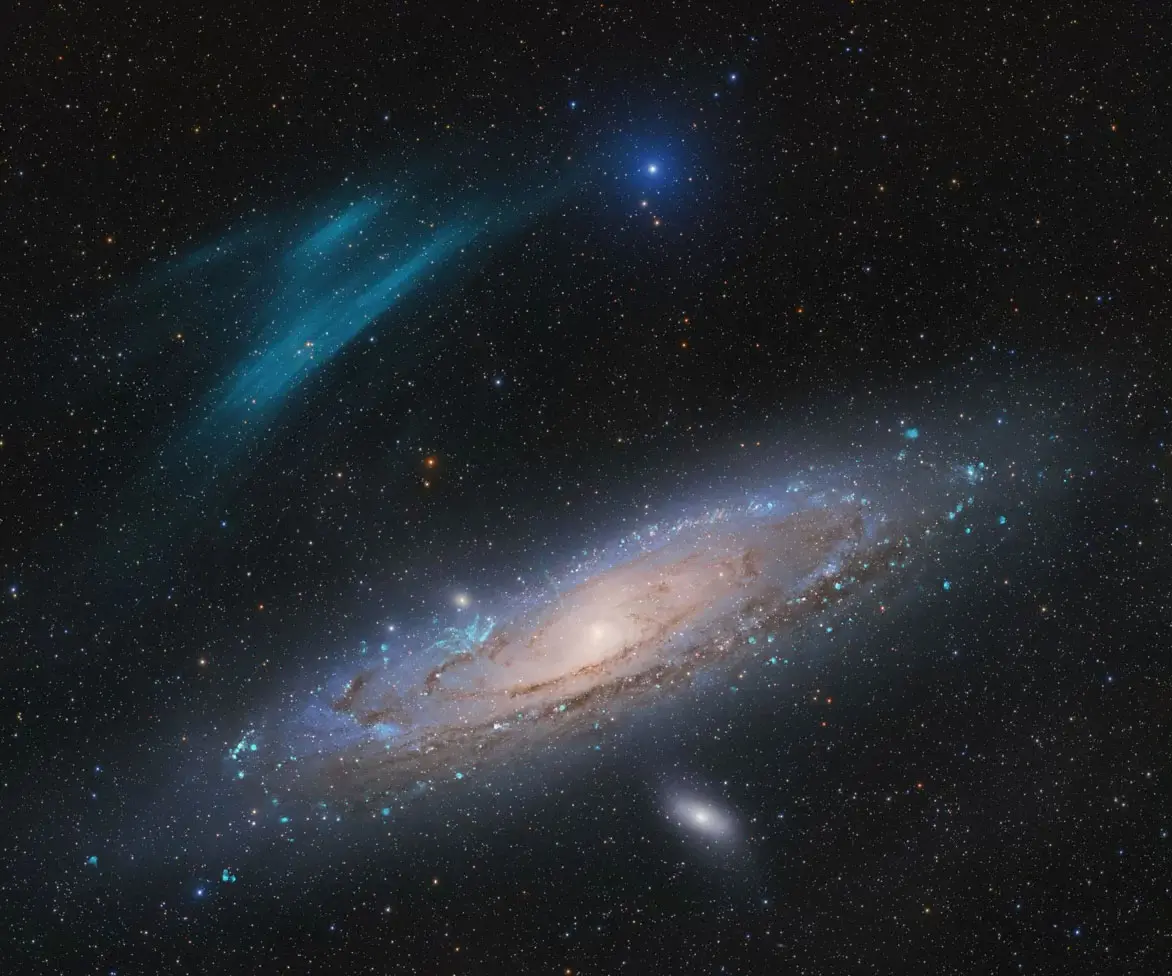
A team of amateur astrophotographers has won this year's prestigious photography award with a photo of a huge plasma arc near the Andromeda Galaxy. This structure could be the largest of its kind in the local environment of the Universe.
The judge and astrophotographer László Francsics praised the image, stating that it is both spectacular and valuable. The Royal Observatory Greenwich also awarded two 14-year-old Chinese boys with the prize Young Astronomy Photographer of the Year.
This news is important because it shows that amateur astrophotography can produce results of the highest level. Furthermore, the discovery of this new gas cloud could help us better understand the evolution of galaxies.
Discover the wonders of the sky yourself with a telescope in your garden!
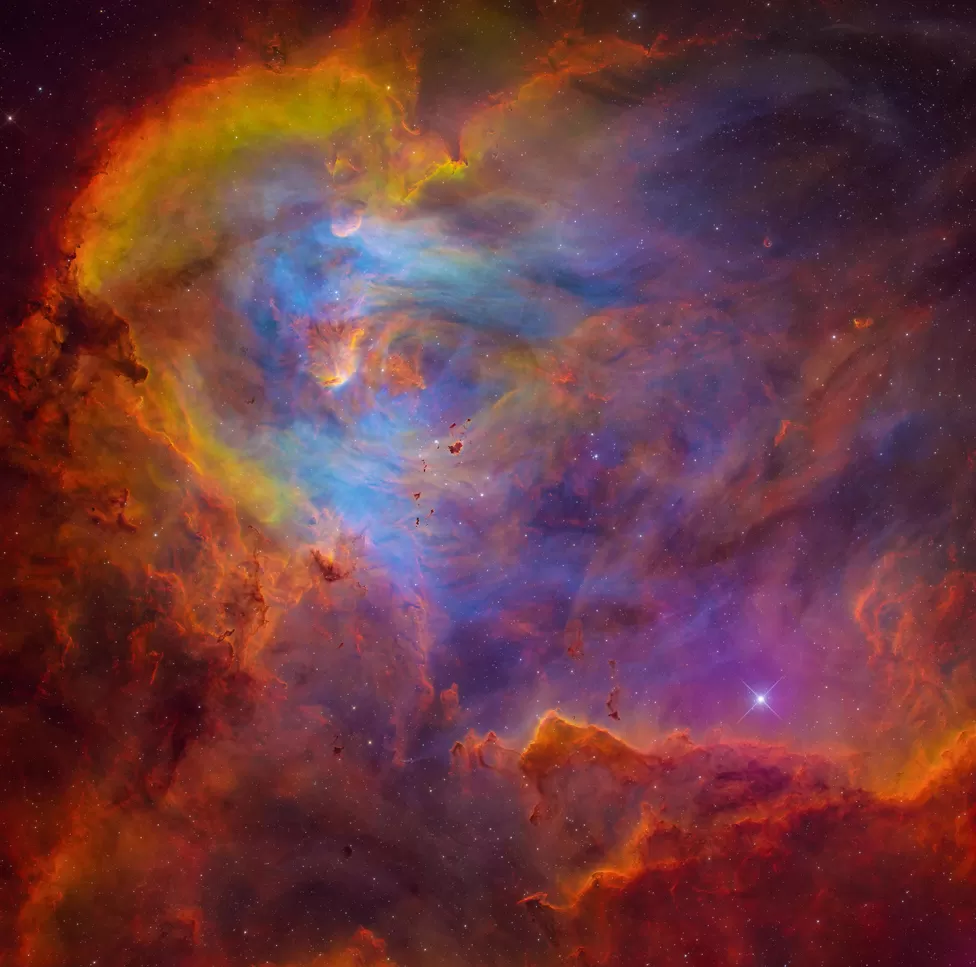
Photographers have successfully captured the vibrant colors of the nebula and the star cluster embedded within it.
The Young Astronomy Photographer of the Year award is intended for people under 16 years old.
The judges examined over 4,000 images from all over the world.
The images are exhibited in a show at the National Maritime Museum in London starting Saturday.
Additionally, we can add that the Running Chicken Nebula is a fascinating object, as it has a shape resembling a running chicken. The star cluster Collinder 249 is one of the largest and brightest of its kind in the constellation Centaurus.
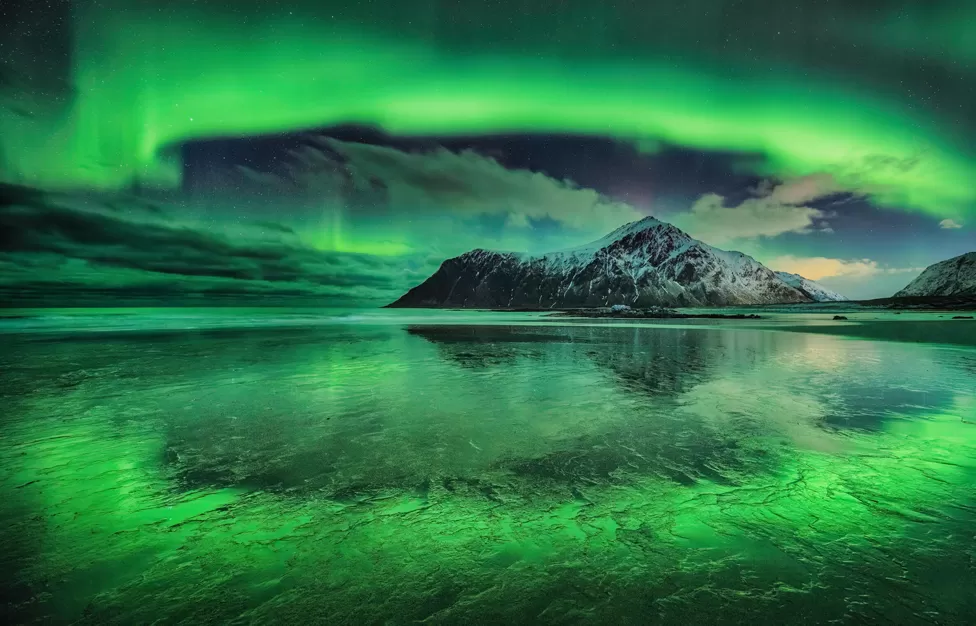
This extraordinary image by Andreas Ettl shows the northern lights reflected on Skagsanden beach, in the Lofoten Islands, Norway.
The mountains in the background are the Hustinden, which appear to be surrounded by auroras.
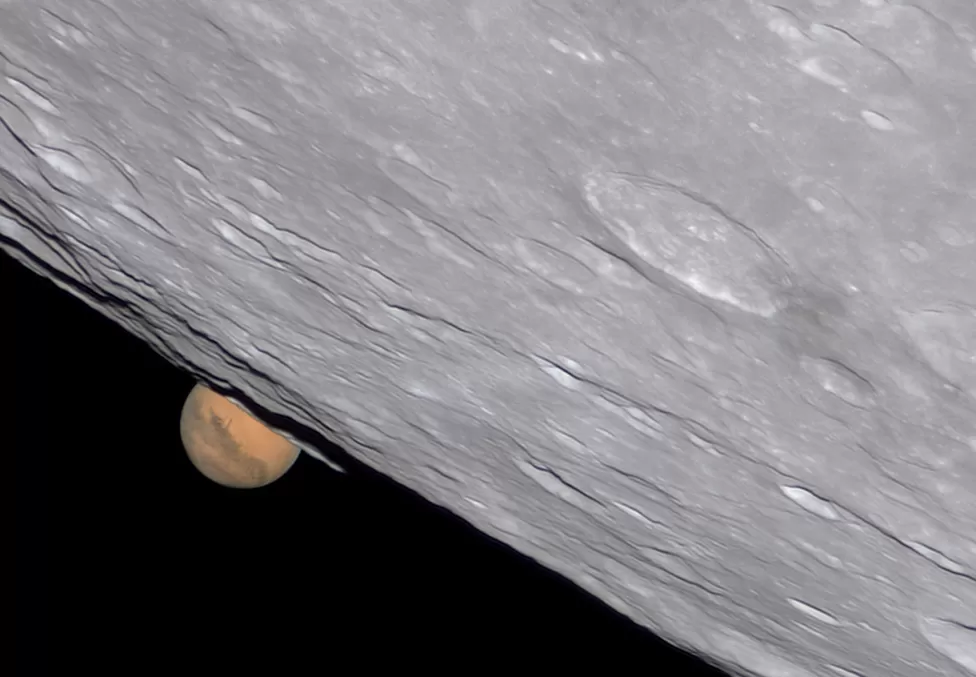
Ethan Chappel captured this image from Cibolo, Texas, USA, which depicts a occultation of Mars that occurred on December 8, 2022.
During the occultation, the Moon moved in front of the planet Mars, offering the photographer a unique opportunity to capture both celestial objects in the same frame.
The image shows Mars positioned behind the southern part of the Moon, revealing surprisingly sharp details of the red planet behind the lunar profile.
Try photographing the moon from your balcony!
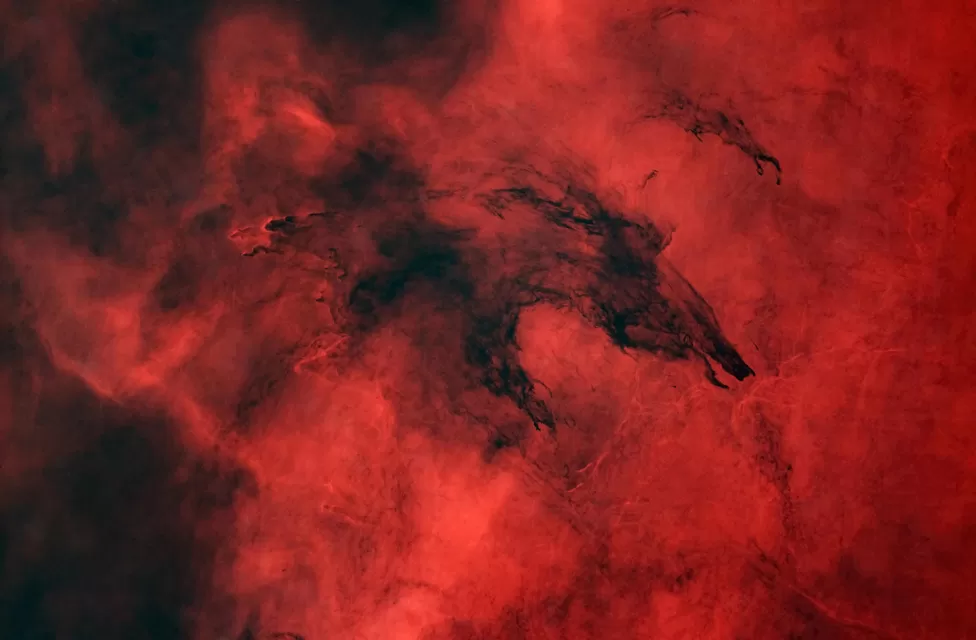
This image, taken from Canberra, Australia, depicts a dense and dark molecular cloud shaped like a wolf, known as the Wolf Nebula or Fenrir Nebula.
The photographer, James Baguley, chose a starless image to highlight the magnificent red background. This background is characterized by a dense curtain of hydrogen gas.
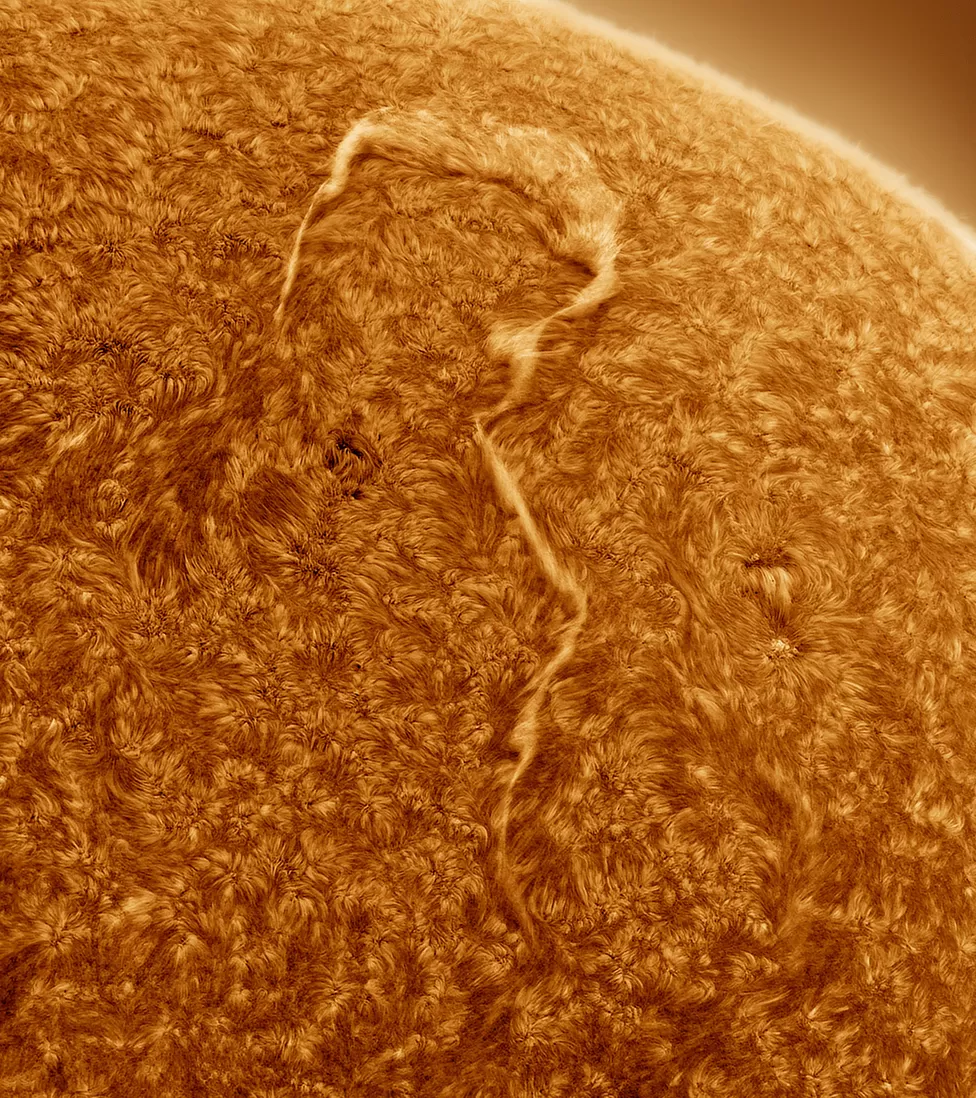
Eduardo Schaberger Poupeau created this extraordinary image of the Sun taken from Rafaela, Santa Fe, Argentina.
The image highlights an impressive solar filament that resembles the shape of a question mark. Solar filaments are arcs of plasma present in the Sun's atmosphere, whose shape is determined by magnetic fields. The photograph is composed of a mosaic of two panels, perfectly joined to show the grandeur and detail of the phenomenon.
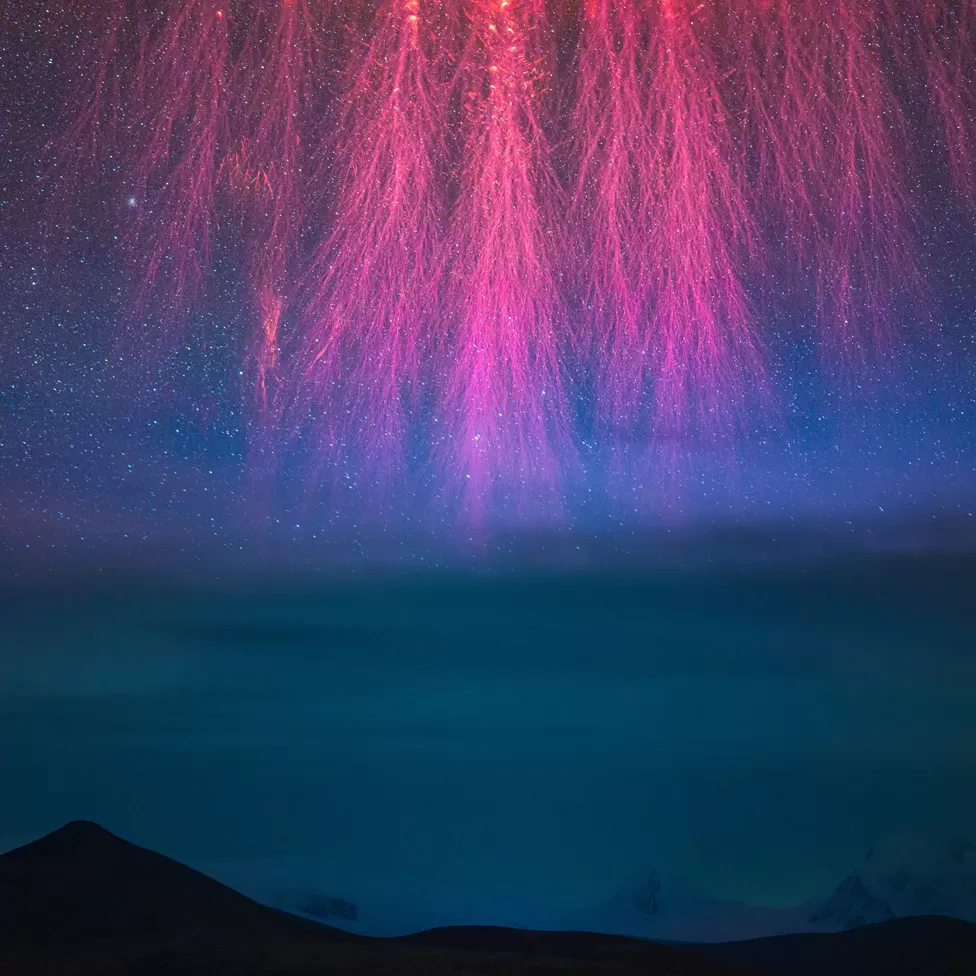
"Sprites" are an extremely rare atmospheric luminescence phenomenon, appearing similar to fireworks.
Angel An He captured this spectacular phenomenon in a photograph taken from the highest ridge of the Himalayan mountains, precisely at Lake Puma Yumco in Tibet. This location, with its altitude and distance from artificial lights, offers an ideal vantage point to capture such unique and fascinating atmospheric events.
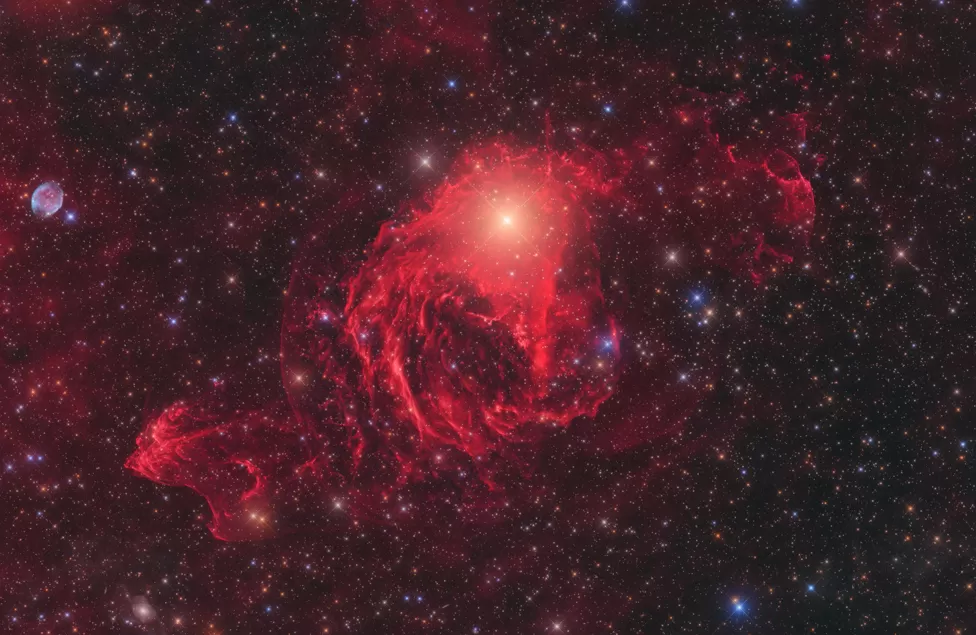
Another image favored by the judges was that of Marcel Dreschsler. The photograph captures a previously unknown galactic nebula, inside which lies a pair of stars surrounded by a common envelope, adding another exciting discovery to the list of awarded images.
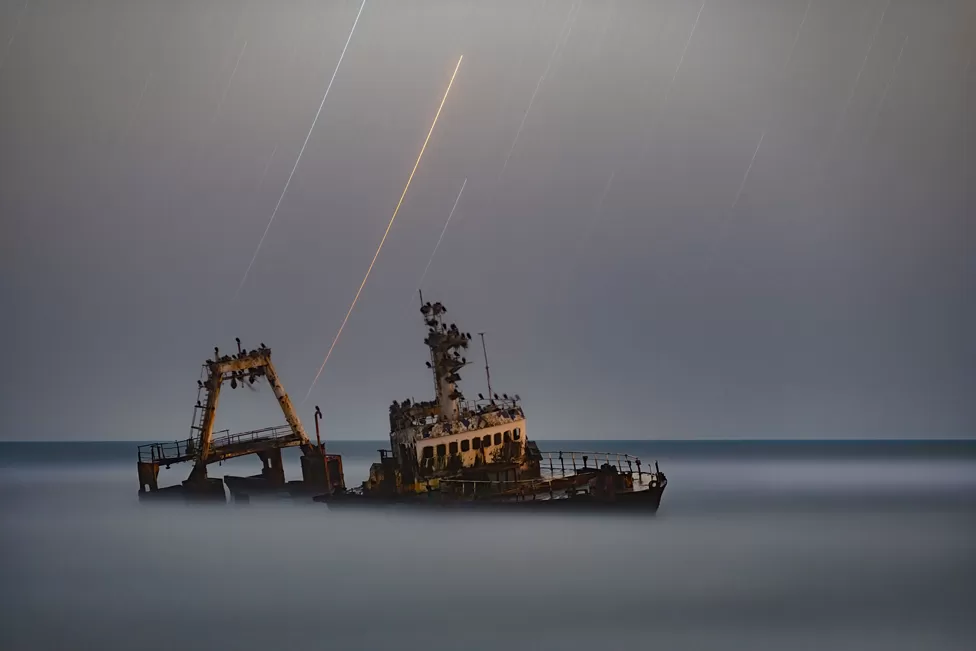
The northernmost part of Namibia's Atlantic coast is one of the most dangerous coastlines in the world, and has been nicknamed the Skeleton Coast.
The ship in this photo, the Zeila, ran aground on August 25, 2008, and is still in remarkably good condition.
The image, taken by Vikas Chander, shows the delicate colors of different types of stars in the sky above the wreck.
This photographic technique, known as "Star trails," involves capturing the apparent movement of stars in the night sky due to Earth's rotation. This method produces lines or curves of light that represent the stars' paths across the sky over a given period of time.
Buy a tripod to take a photo like this
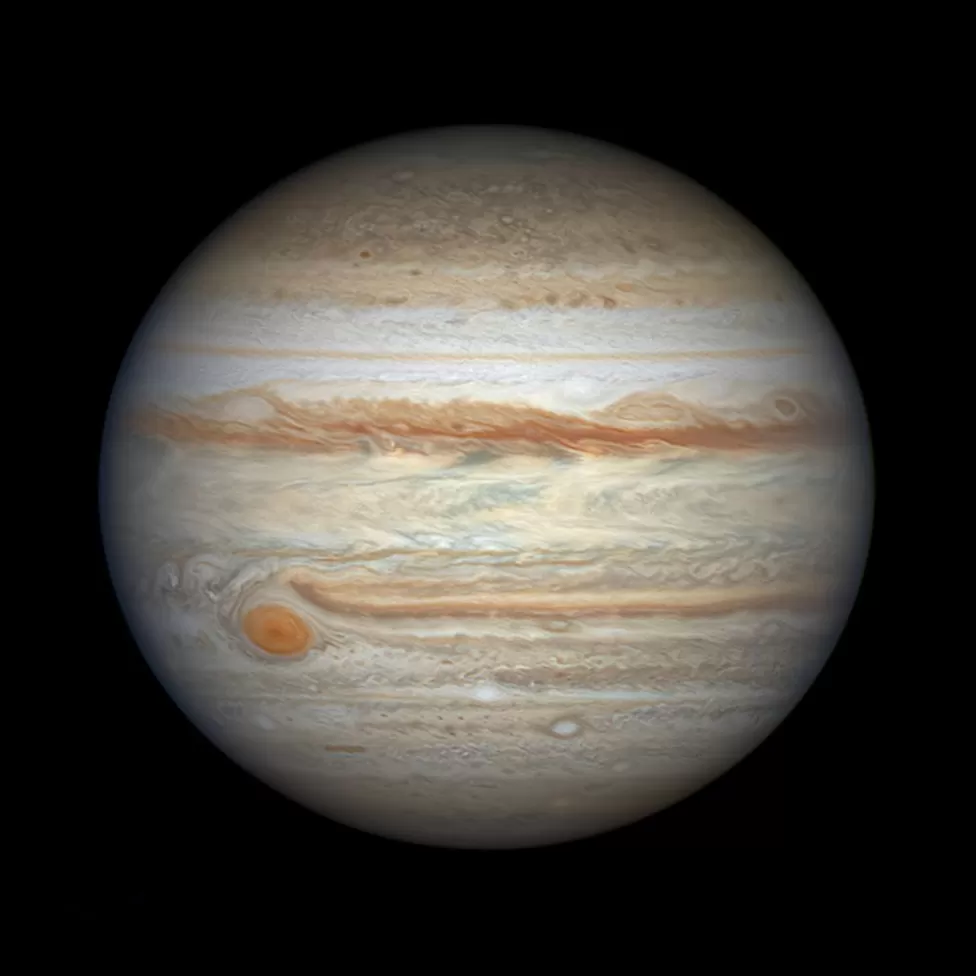
An image of Jupiter, taken 30 minutes after its meridian passage, was captured by Marco Lorenzi in Singapore.
The Great Red Spot and many details of the turbulent atmosphere, composed mainly of hydrogen and helium gases, are clearly visible, including several smaller storms.
It is a gigantic anticyclonic storm located in Jupiter's atmosphere and is one of the planet's most distinctive and recognizable features. It is impressively large—big enough to cover about two or three times the diameter of Earth. It was first observed over 400 years ago, suggesting it is at least that old, though it may have existed for much longer.
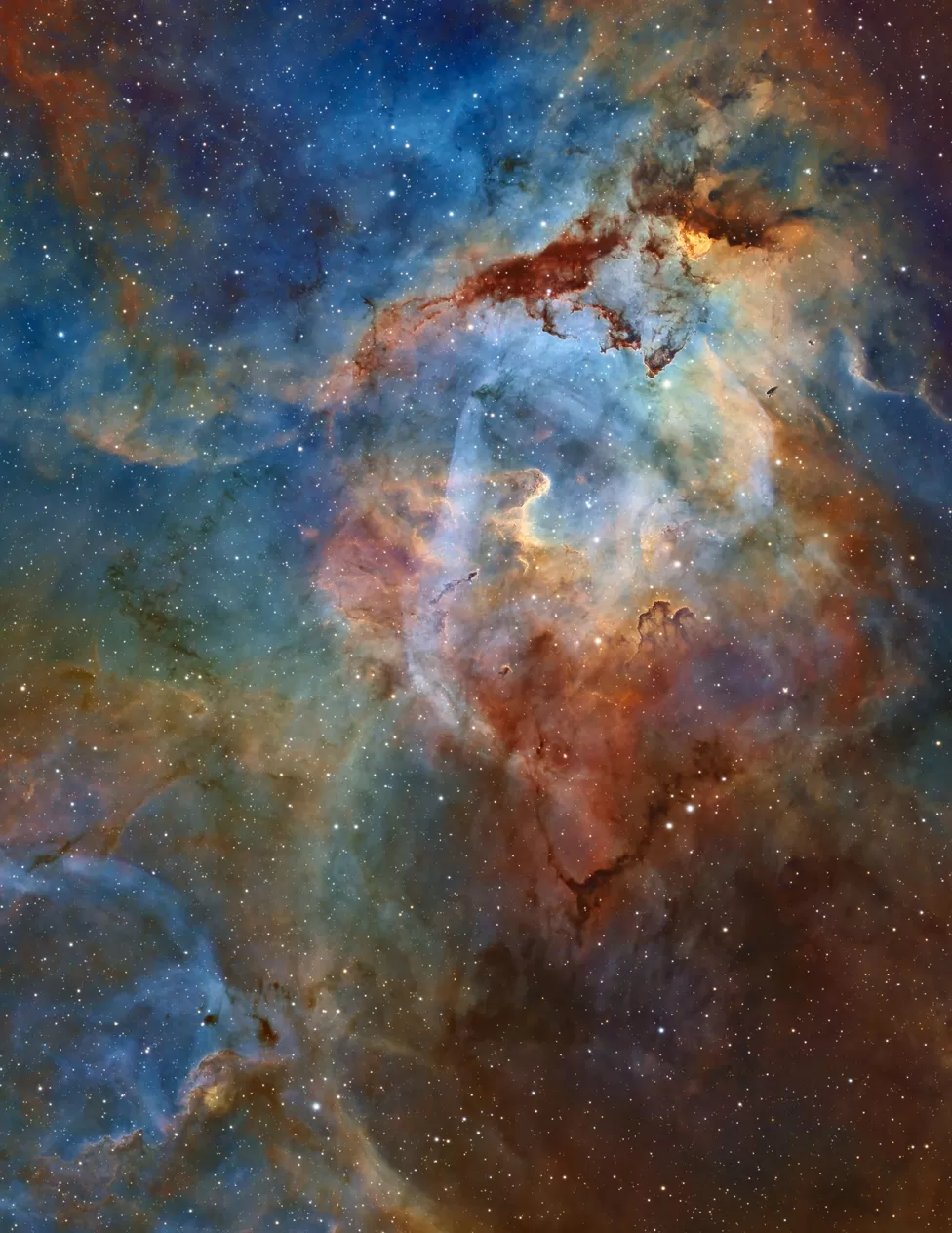
The Sh2-132 complex is located near the border between the constellations Cepheus and Lacerta and contains several deep-sky structures within it.
The photograph taken by Aaron Wilhelm is not just a simple shot, but the result of as many as 70 hours of data collected. This wealth of information highlights the incredible interaction among the various gases present, revealing new details and facets each time the image is observed that might have previously gone unnoticed. The beauty of the work lies in its ability to showcase the infinite complexity and variety of the universe we live in.
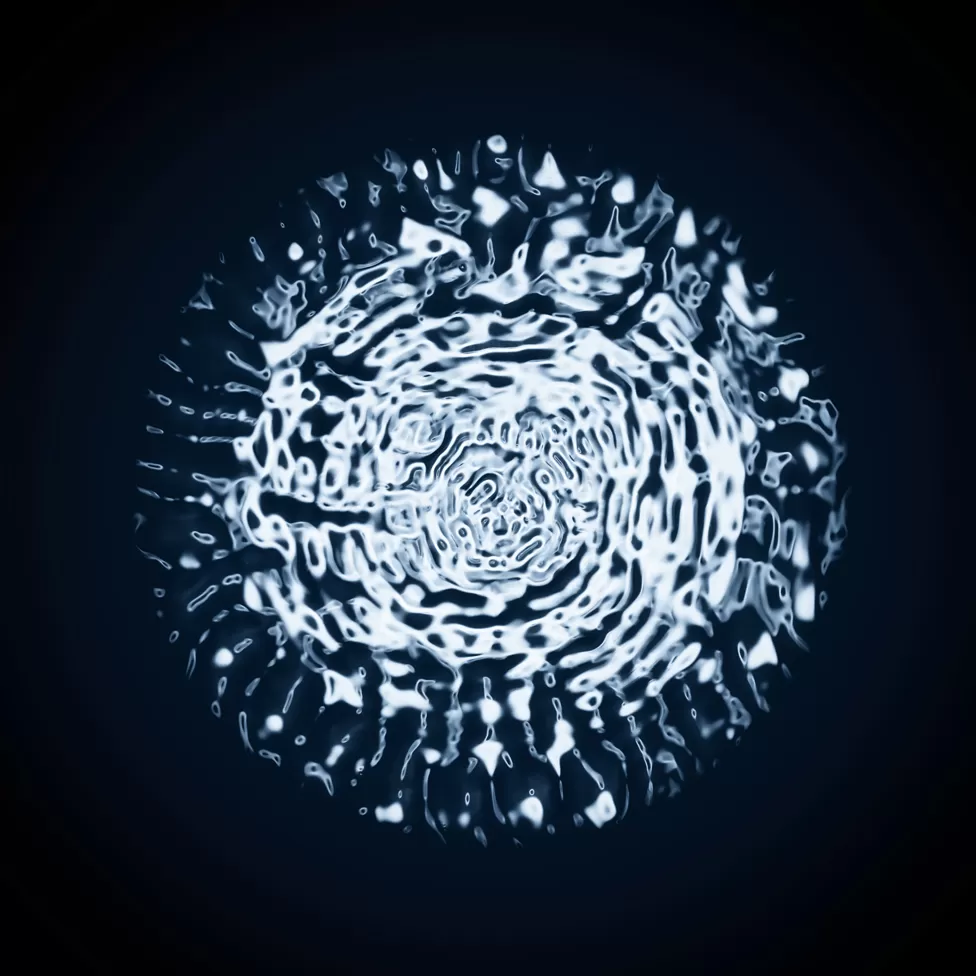
Using audio material from NASA's "Chandra Sonification Project" (NASA Chandra X-ray Observatory, May 2022), John White visually captured the sound of the black hole located at the center of the Perseus Galaxy.
The Chandra Sonification Project is a NASA initiative that transforms data collected by the Chandra X-ray Observatory telescope into sounds. The project was launched in 2020 in response to the COVID-19 pandemic, which interrupted the CXC's 3D modeling and printing project with members of the blind and visually impaired community. The sonifications, being entirely digital, were another way to work with community partners during a period of physical isolation.
The project is led by a team of scientists, musicians, and artists who collaborate to create sounds that reflect the physical properties of astronomical data. For example, X-ray data can be mapped to different tones, with higher tones representing hotter regions. Sonifications can also be used to highlight movements and interactions among astronomical objects.
To date, the Chandra Sonification Project has produced sonifications of a variety of astronomical objects, including galaxies, nebulae, supernovae, and black holes. The sonifications are available on the Chandra X-ray Observatory website and can be listened to on computers, smartphones, and tablets.
The audio was played through a speaker on which White attached a Petri dish, darkened on the bottom and then filled with about 3 mm (0.11 inches) of water.
Using a macro lens and a ring light in a dark room, White experimented with the audio and different volumes to explore the various patterns formed in the liquid.
All images are copyright protected
Source: BBC



