
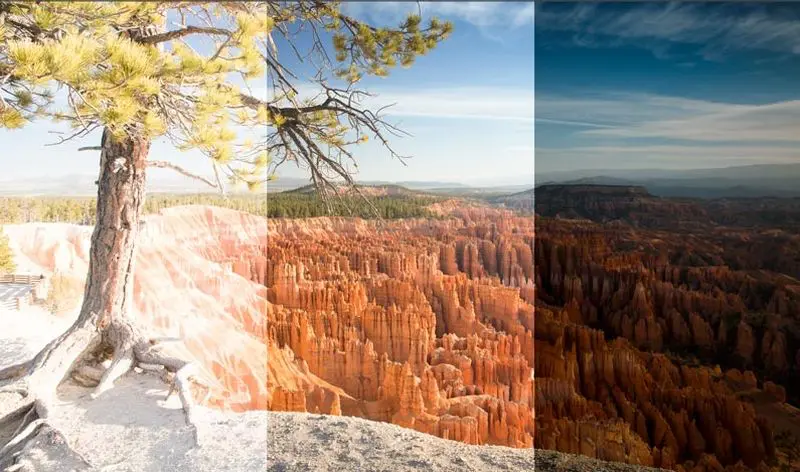
 We all know that to get a beautiful image it is necessary that our photograph has a correct exposure.
But, what does it mean to have a photograph with correct exposure?
If we turn to technical and academic books we may find that “a correctly exposed image must contain a range of tones without details lost in the highlights or shadows".
Another definition can be that “acorrect exposure means that the combination of settings between aperture, shutter speed, and ISO speed has produced a perfectly exposed image. When nothing is blown out (in the highlights) or lost (in the shadows) in an image, a correct exposure has been achieved".
Exposure and bell-shaped histogram: is it always correct?
Photography, at its best, is acreative expression of how we perceive what we see. Our vision of the world is unique. Each of us has the ability to interpret and convey our experience through the photographs we capture. The freedom to expose our photos so that some parts of our compositions lack recorded details is a natural part of this art form.
If our minds are rigidly boxed in by technical restrictions like those previously expressed, our creative expression is inhibited.
This does not mean disregarding the technical quality of a photo, but simply that the strict observance of technical rules should not limit creativity: while it is true that generally an image should not have blown-out highlights or irrecoverable shadow details, it is also true that, in particular conditions, such “flaws” can characterize a great photograph, and indeed provide that something extra that distinguishes it from a perfectly neat but anonymous photo.
An image must provide emotion and energy, which can be lost in technical and stylistic perfection.
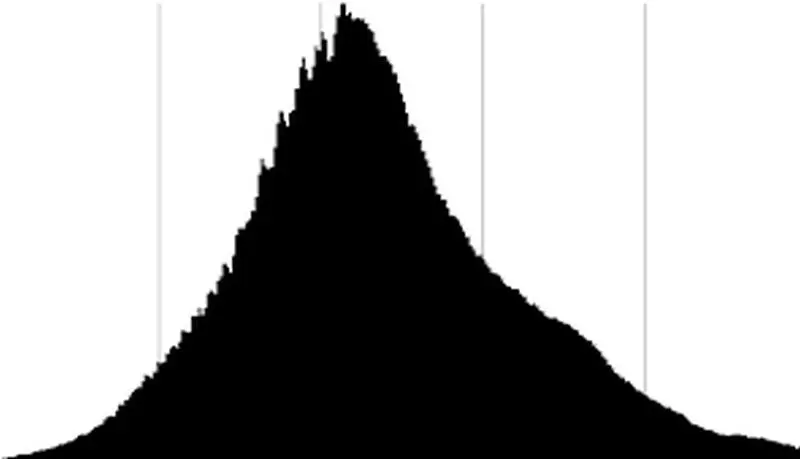
If we look at the histogram, a perfectly bell-shaped curve indicates that the camera has recorded many midtones and little or nothing regarding the extremes (both highlights and shadows).
If our goal is to achieve a bell-shaped histogram, are we sure our image will be more pleasing? Or might it rather be something flat, without peaks and emotions?
Perhaps, by abandoning the idea of having a perfectly balanced bell-shaped histogram, you could achieve a much more dramatic and exciting!
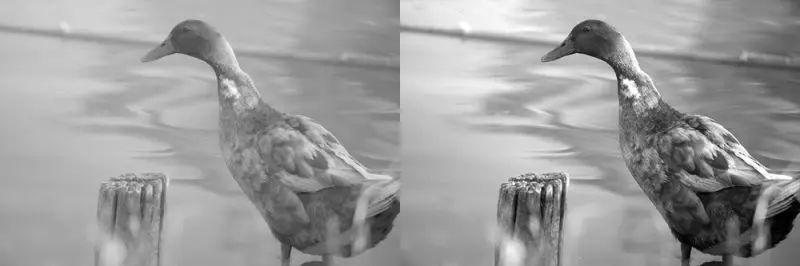
Trying to create only photos with uniform exposure across the entire tonal range always means having to give up something; it's like trying to make different dishes in the kitchen without ever changing the ingredients and their amounts.
Shadows and lights generate and modify the atmosphere of a photo, being able to find the right balance in relation to what you want to achieve allows you to create great images: the choice of how to let light or shadows fall in an image is the result of a precise stylistic choice by the photographer.
Don't focus only on the technical details.
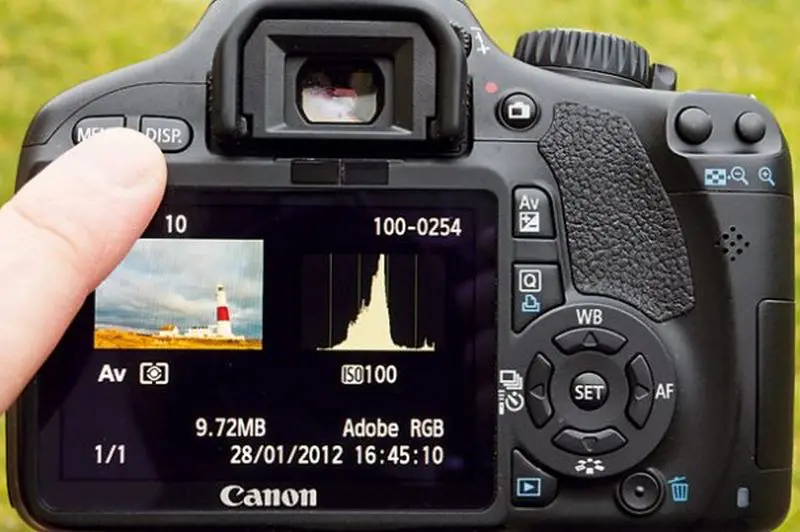
You will usually end up with photos that contain little or no feeling. Before bringing the camera to your eyes, you need to see the light. Consider the brightest parts of a scene. Are they important?
Do you need to show the details contained in them to communicate what you want with your photo? Similarly, for the dark areas of your photo, if there are many distracting elements in the shadow areas, let them be hidden by darkness.
Understanding light and tone will help you make more interesting exposures. Knowing how your camera evaluates and records light and tone is equally important.
What is the most important element in your composition?
Recognizing your key subject is an important initial decision when taking a photo.
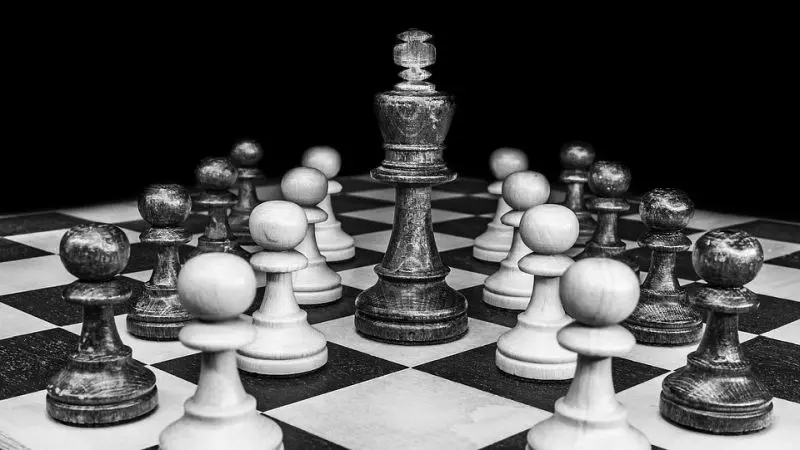
This will be what you focus on and what you want to expose well (usually). If the subject has a wide tonal range, for example a bride in a white dress and a groom in a black suit, be careful.
Your camera will not be able to reproduce the details of both outfits because the tones are extremely different. Similarly, if part of the subject is in full sun and part is in shadow, you will need to choose your exposure carefully.
The contrast created by light and shadow is also extreme. Identifying your main subject helps you compose everything in the frame around it. Exposing it well helps it become the center of attention in your photograph.
What mood and feelings do you want to capture or create?
The answer to this question might be the most important thing to focus on, rather than trying to achieve a complete tonal range in your photographs. The type of light you are photographing will influence the feelings in your photographs.
Is the light bright and harsh, or soft and delicate? Do you need to set your exposure so you can see all the details in the shadows, or choose to let them become very dark with little or no detail?
Letting your camera make these choices for you by working in automatic mode, thus not controlling your exposure, your photos might become flat and somehow lifeless. Taking control and properly exposing the main subject can infuse story, drama, and imagination.
What you need to do is: Look. Think. Shoot..
- Look at what you want to photograph. Look at what’s in front of you: the subject, the surrounding elements and the background, the light.
- Think about how you want to portray your subject. What do you want to achieve?
- How much or how little do you want to include? What will fill your image?
- What is the quality of the light and how will it affect your photo?
- Where are you or where will you position yourself?
- When will be the best time to take your photo?
- What exposure settings will you choose to best fulfill your intentions?
- Click. This should only happen after thinking about these things.
\t
\t
\t
\t
\t
\t
\t
\t
It might seem like a lot to do before taking a photograph, but this is what makes the difference between a snapshot and an image you might want to frame and hang on your wall.



