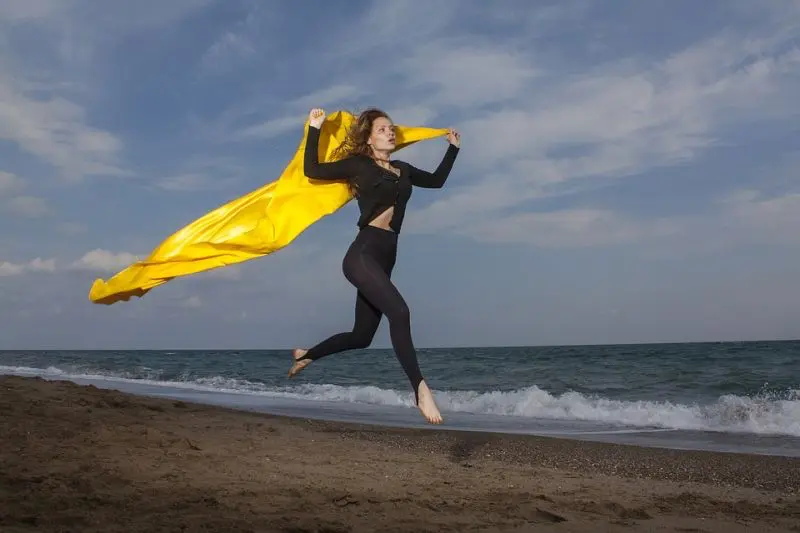
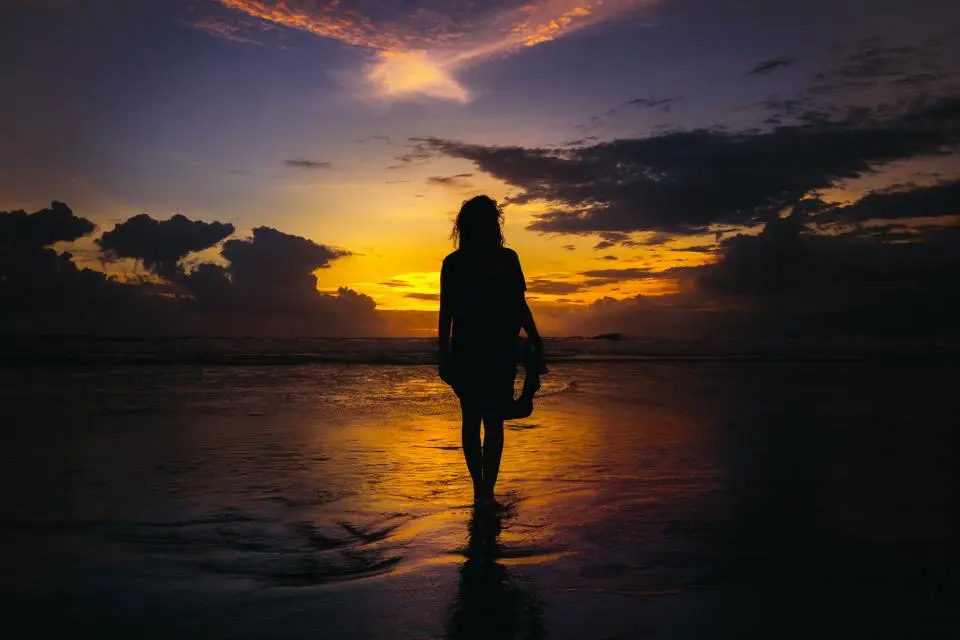
 The holiday season has finally arrived! Opportunities to take photos abound, but let's not forget the flash at home! Whether we're at the sea, in the mountains, or at the lake, we have a unique opportunity to find beautiful locations for our images.
Light, abundant like on a beautiful sunny day, is always welcome, but if our goal is to create portraits, too much light, especially if poorly directed or too harsh, can be a problem.
Too harsh contrasts on the face, nose shadows distorting the face, eyes closed because our subject is dazzled—these are all problems that each of us has had to face sooner or later. So let's see some advice on how to use the flash to get beautiful portraits even on the beach!
Flash in manual mode
While TTL mode is suitable for most scenes, during your beach portraits, we recommend having full control of your flash. In TTL, the flash measures the light and provides enough power to illuminate the scene, generating several flash bursts each time you take a photo.
With the flash in manual mode, however, it is possible to set the flash power and maintain consistent power while photographing the subject.
Manual mode on the flash can help you get the exact amount of light for different times of the day. This means that in manual flash mode, you have full control of your flash and its output power.
During the session, you can switch between different power levels to get the right mix of fill flash and ambient light so that both the subject and the background are evenly lit.
Flash in TTL mode
In TTL mode the flash uses the internal meter to determine the power it emits when taking a photo. This also means that the output power can vary from shot to shot, making it less consistent compared to manual mode.
However, TTL mode is a great starting point because you can control flash compensation, but you don't necessarily have to worry about setting the exact output power.
For example, you can have your flash in TTL mode and set it to +1/3 to get an extra boost of light from your flash. Or you can set it to -1 to reduce the power (and underexpose the flash relative to ambient light). Use the flash to fill shadows, especially during sunset.
TTL mode is also useful when you need to shoot quickly or don't have much time to set up the flash. It is particularly useful during weddings or portraits with children.
Check your flash manual to see how to quickly switch from TTL to manual and vice versa. This can be really useful when you have a mix of moving subjects, like children, and posed portraits, like a couple.
When to Use Flash in Beach Sessions
It all depends on how much ambient light you have and whether you want to compete with the sun or illuminate your subjects during a sunset.
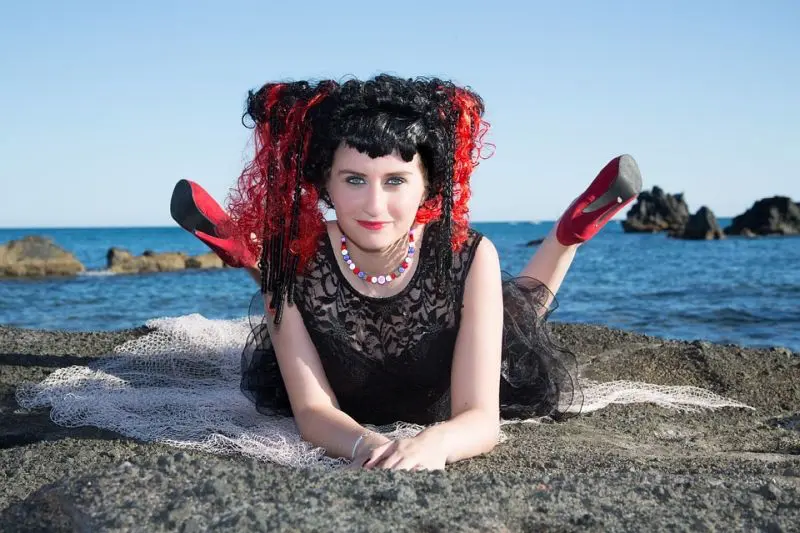
Competing with the sun is where flash units are most useful. The midday sun can be very harsh and can cause the background to be improperly exposed. First, get a correct exposure for the background.
Then connect the flash to the camera or wireless trigger and set the power to 1/4 power. Take some test shots and adjust the flash to get the right amount of light you need.
Use your flash to fill in shadows and compete with the harsh sunlight. This option mainly works by having the flash act as a fill light to the existing light. Perfect for very bright days or if your subjects are in a shaded area while the beach is lit.
In case it’s overcast, the flash acts as a fill light and can eliminate the high contrast created by cloudy days. This helps avoid washing out the background while still lighting the subjects. Cloudy days also create shadows on the face (dark eyes) and a bit of light can really create a special atmosphere.
During sunsets, set your camera shutter speed between 1/250 and 1/400 (set the flash to high-speed sync if you exceed your camera’s sync speed) so you can capture the colors of the sunset.
Once you have the right settings for the sunset, set the flash to about 1/16 power and adjust the aperture accordingly while photographing your subjects to let in more or less light.
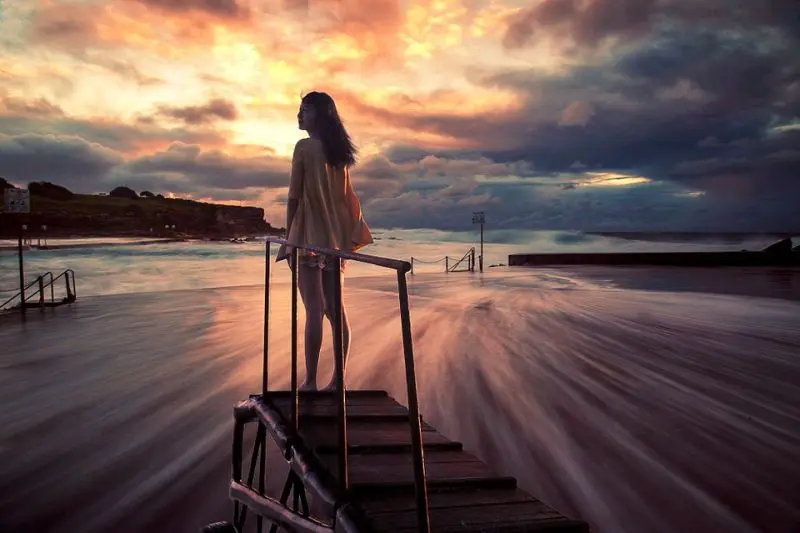
NOTE: It’s important to emphasize that if you use flash while in the water at the beach, be careful of reflections on your model’s face or other parts of their body.
Differences Between Flash Positions
On-Camera
During beach sessions, especially at sunset and bright scenes, you will need to position the flash directly on your subjects so it illuminates the entire scene evenly. The flash angle does not allow light to fall sufficiently on your clients’ bodies and can create a division of light in your photography.
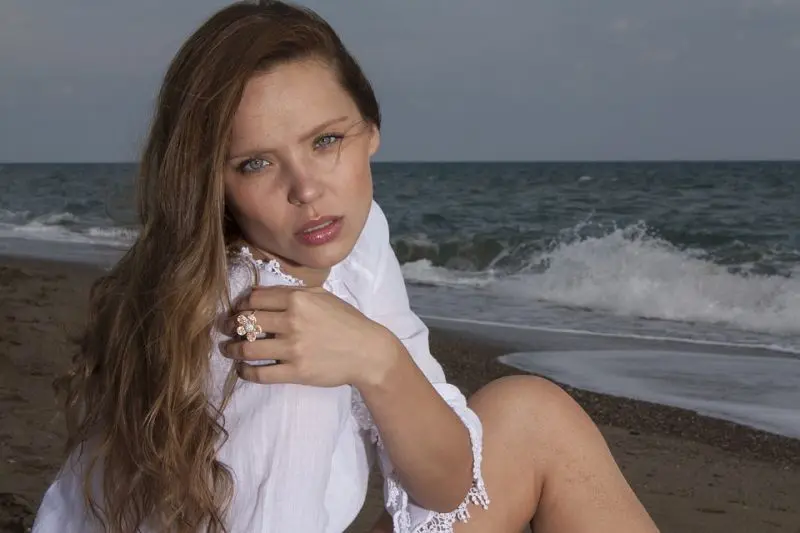
However, this does not mean you cannot experiment with the flash in different positions. Trying different angles will also give you a better idea of what will work best for the type of session you are having.
Use a diffuser to diffuse the light and evenly illuminate your subjects. You may need to increase the flash power to get enough light.
Off-camera
Using off-camera flash in beach sessions can give you more versatility and can create different types of lighting effects. For example, a couple walking along the shore lit with flash perpendicular to the camera can give you perfect lighting on the couple with shadows falling in the background.
This creates more drama within the photo. It also allows you to be farther from the clients during the session while maintaining the same light.
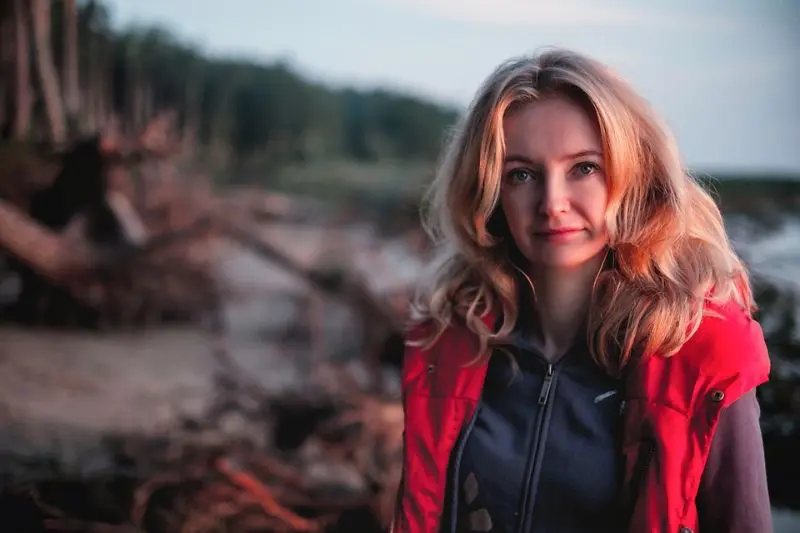
For this, you will need wireless triggers to remotely activate the flash and a tripod or an assistant to help move the light where you want it.
Use your phone's flash or a flashlight
Flash units and wireless triggers can be a bit expensive if you are just starting out. The phone flash or a flashlight can give you that fill light needed to get an excellent photo.
When using either, the closer you are to your subject, the more the light will hit them and be less diffused everywhere. The farther away you are, the more the light disperses but it is also less intense. You can use more than one flash or phone flashlight to get more light.
Conclusion
Practice using flash on the beach in different lighting situations can help you get an idea of how to use external lighting. Taking the time to practice will help you become familiar with your flash power and which look you like best.
When you are out practicing, take note of what power you used on which photos. Unfortunately, flash metadata only lets you know if the flash fired, not the power or if you used flash compensation. With some time and lots of practice, you will be able to set your flash simply by looking at the light.
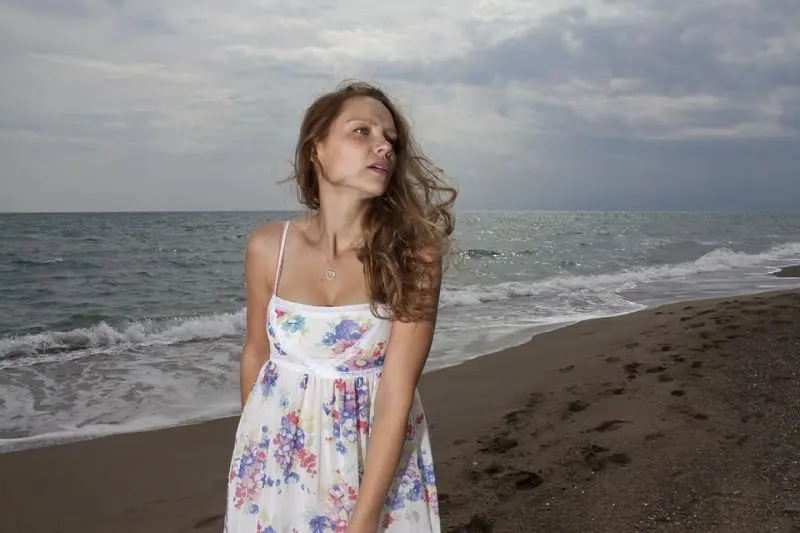
Using a flash, either on-camera or external, can be extremely helpful during beach portrait sessions because the light is so harsh and in some spots you will need a bit of fill light.
At your next session, practice and experiment with different flash power outputs and angles to increase the drama of the image. Use your flash at noon to eliminate shadows or during sunset to capture that beautiful setting sun in the background.