
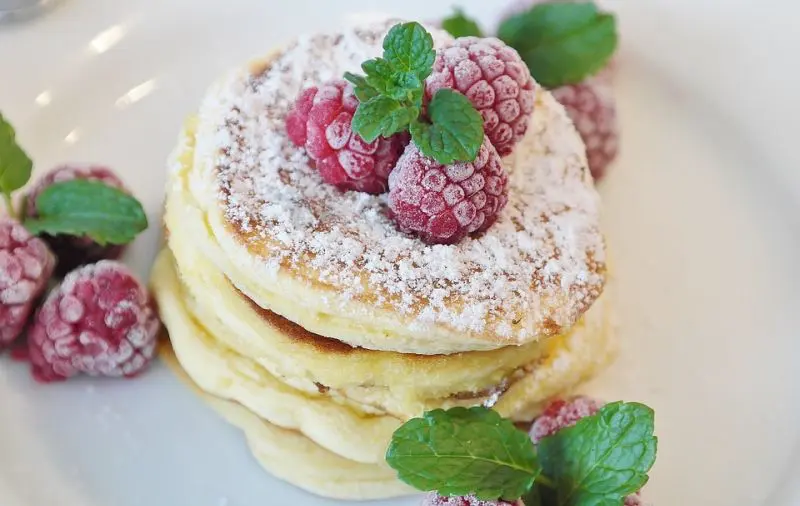
 The food photography (or food photography) is a genre of photography that is becoming increasingly popular. Everywhere we look, Facebook and Instagram are never lacking in food images.
However, to achieve the best results it is necessary to use light in the best way. If we don't have a fully equipped photo studio, the best thing is to use natural light.
Food photographers, whether professionals or enthusiasts, know that natural lighting is one of the best tools for taking quality photos.
In this article, we will discuss what natural lighting is and how it influences your photos – for better or worse.
What is natural lighting?
In short, natural lighting is the light produced by the sun. Another related term is ambient light, which refers to the light available in an environment.
Ambient light can also be considered natural light if it is not artificially produced by the photographer's equipment.
In most parts of the world, natural light is abundant and can be used for free. This is one of the many reasons why it is preferred by many photographers.
Two types of natural lighting
In general, there aretwo different types of natural lighting that you might want to use for photography. If you plan to use natural light for photography, it is advisable to know the different patterns of sunlight and you may need to adjust your style accordingly.
Direct light
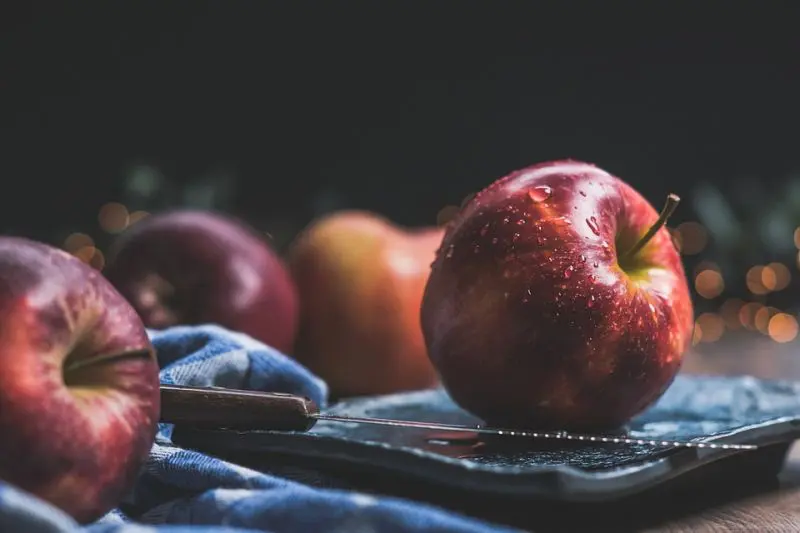
A cloudless environment with full midday sunlight produces direct light. This light is very intense, resulting in a high contrast and/orvery sharp shadows.
The color of the light will vary depending on the time of day. At noon, it will be a neutral white color and a warmer golden tone in the late afternoon. Depending on your photographic style, you might prefer direct light if you want to emphasize dramatic shadows and high contrast.
Diffuse light
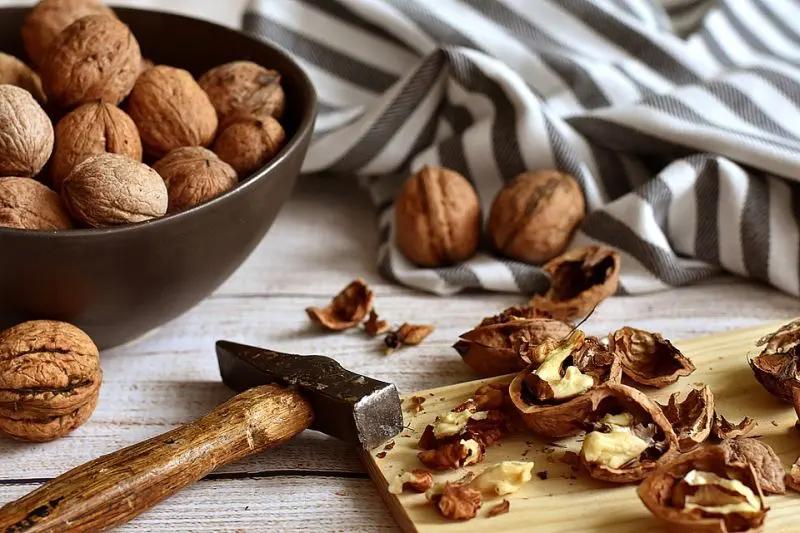
In a cloudy or overcast environment, natural light will appear diffused. This results in a soft, to low contrast with little or no shadow.
Most photographers tend to prefer this lighting because you can do anything good with it. If you have a lot of direct light, you can also turn it into diffused light using something like a reflector.
And artificial lighting?
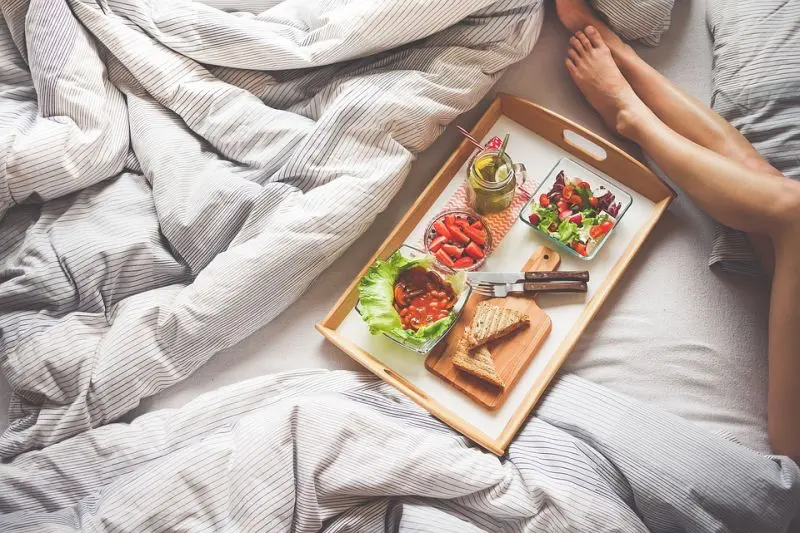
Unlike natural lighting, the artificial lighting is produced by LED lamps or strobe lights. If the idea of flash photography intimidates you, consider this: most forms of artificial lighting strive to recreate natural lighting.
For example, a flash without a diffuser is similar to direct light, while a flash with a softbox produces diffused light. Even if you plan to use artificial light, it helps to understand natural light and how it influences your creative style.
When to use natural light for food photography
Before deciding which type of lighting to use, consider your creative output. Do you want food photos with bold colors and clearly defined shadows? If so, you need direct light and therefore a cloudless day, in full sun.
But if you want a soft and diffused light for an even photo, a cloudy day will suit you best (or a sunny day using a reflector).
After identifying your preferred creative style, take a look at the weather. You may need to plan the photoshoot according to the weather forecast if you want a particular quality of natural light. Alternatively, you will need to bring extra equipment to compensate.
When you might not want to use natural light
There are two times of the day when natural lighting might not be your best friend. Those are the blue hour and the golden hours of the day.
These times of day are appreciated by landscape photographers as they provide the most dramatic lighting in the sky. However, this might not be ideal for food photography.
This is because both the blue hour and the golden hour emit different colored light. Food photographed during the blue hour might have more blue hues, while the golden hour will cast it in a warmer tone.
Some of these effects can be corrected in post-production, but most food photographers prefer to shoot with neutral natural light so that the food retains its natural color.
In conclusion
In general, using natural light is the simplest solution for photographers who love food photography. It is quite easy to use natural lighting, although adding tools to your kit such as reflectors and diffusers will help you do it best.
A general knowledge of lighting patterns during the day is also useful, so you don't end up planning natural light during the golden or blue hours (unless you want that colored light!).



