 Photographing sunrises and sunsets allows you to obtain very special images.
Images of beaches and mountains captured in the soft light of dawn or the warm light of sunset certainly allow us to impress our friends. It seems simple, but sometimes our results do not live up to our expectations.
With the approach of the beautiful season and holiday periods, there are more and more opportunities that could allow us to take this type of photograph. So let's see 5 tips on how to get stunning photos of sunrises and sunsetsi.
# 1 - What’s the point?
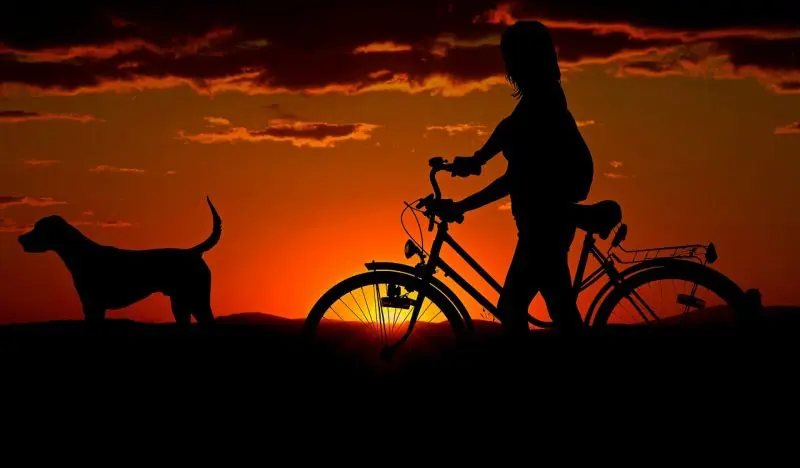
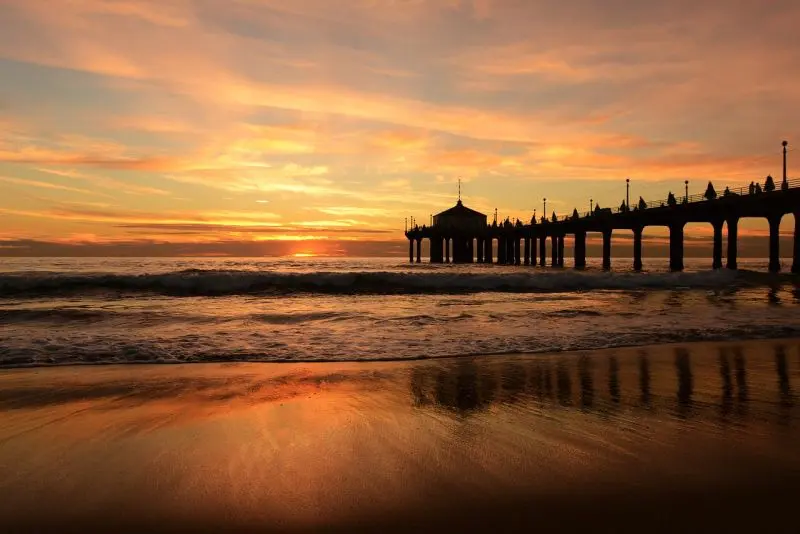
While sitting on a beach watching a sunset is an experience that can be wonderful and convey unique feelings to us, the same cannot always be true when looking at a photo. If we fail to include something special, the image of a sunrise or sunset could actually be boring. It is therefore necessary to introduce something interesting: a subject to which the light of dawn or sunset provides the right atmosphere. It doesn’t have to be a person, but you might also consider waves breaking on the beach, or a solitary tree with a distinctive shape.
The key point is that there is something that draws the attention of those viewing the photo. Don’t rely solely on the rising or setting sun, but make it complementary to your story.

# 2 - Clouds or no clouds?
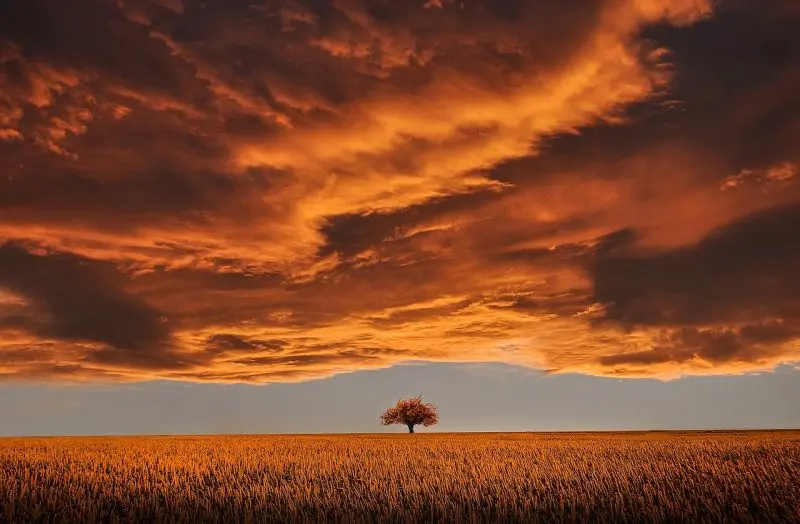
Clouds can add drama to your photo. The same image with and without clouds can be very different and much more dramatic. Obviously, you cannot control the presence or absence of clouds or particular environmental conditions. In this case, you can only try to find a different point of interest. While the presence of clouds can certainly improve the image, on the other hand, a completely cloudy sky flattens your image.
So, in conclusion, while ideally you want some clouds, it’s important not to have a completely overcast day. You can, of course, plan your shots for times when you’ll have the best conditions.
# 3 - Are your lights and shadows correct?
One of the great challenges in sunrise or sunset photography is the strong contrast that occurs between lights and shadows. The highlights are the bright areas of the photo (for example, the sky) and the shadows are the dark areas of the photo (for example, the foreground). If either is pushed too far, you will get completely white areas for the highlights and completely black areas for the shadows. This means these areas contain no detail, and it is something you want to avoid.
The problem you face when photographing sunsets or sunrises is that your sky will be bright and your foreground will be dark (a high dynamic range).
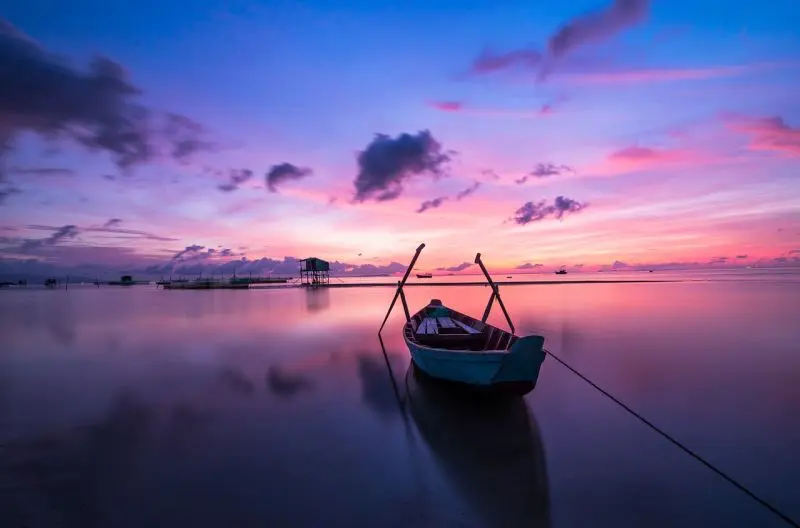
The way to ensure that the highlights and shadows are properly exposed in this scenario is to use a graduated neutral density filter to balance the difference between highlights and shadows.
There are also other techniques such as exposure bracketing that can help you achieve this result in post-production by simply brightening or darkening these areas in software like Adobe Photoshop or Lightroom.
But whatever you decide, make sure your highlights and shadows are properly exposed and adjust them if necessary during post-production.
# 4 - The image is not framed correctly
One of the key elements to ensure the final photo is perfect is to compose the image correctly. The simplest way to do this and a good starting point for any photographer is the famous Rule of Thirds where you try to place key points of interest at the intersections of the lines. Placing the horizon line in the center of the image is generally not a good solution: placing it in the upper or lower third is usually the best solution, but of course there are exceptions.
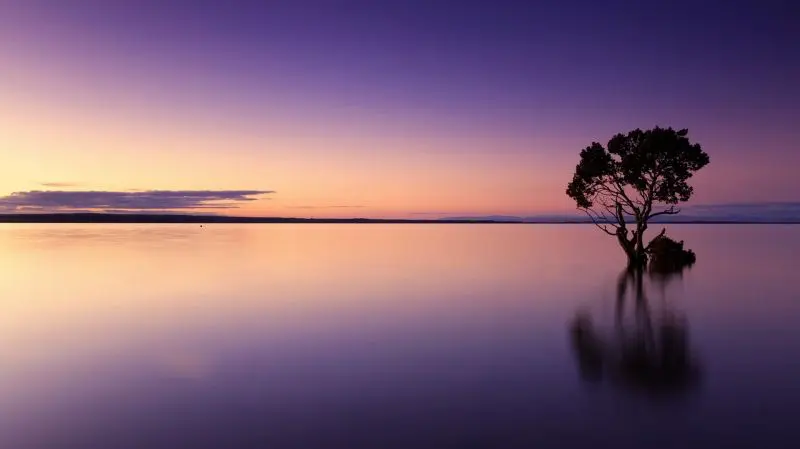
Consider the entire image when framing your shot. Since sunrises and sunsets are events that unfold over a fairly slow time, take the proper time to compose correctly and take as many photos as necessary to get your result.
So, play with your composition and capture some alternatives that you can review later in post-production.
# 5 - You haven't corrected the mistakes
Review your images in post production. Often the most common and most disturbing mistakes can be easily corrected in post production. For example make sure the horizon line is straight: a tilted photo is definitely annoying! Also make sure you have the correct white balance for the photo (if you haven't already done so when taking the shot). Think about the scene you are showing, is it a warm and golden setting or a cool and crisp environment? In any case, adjust the white balance until it is correct. Even if you do nothing else in post production, just making sure these two settings are correct will immediately improve your photos.
Conclusion
Sunsets and sunrises are wonderful times of the day to photograph things.
The soft golden light can transform an ordinary scene into an extraordinary one. If done well, these are often the photos that will be the "cornerstones" in every portfolio.
But always remember that a sunset and sunrise must work in combination with your composition and subject to create a wonderful photo.