
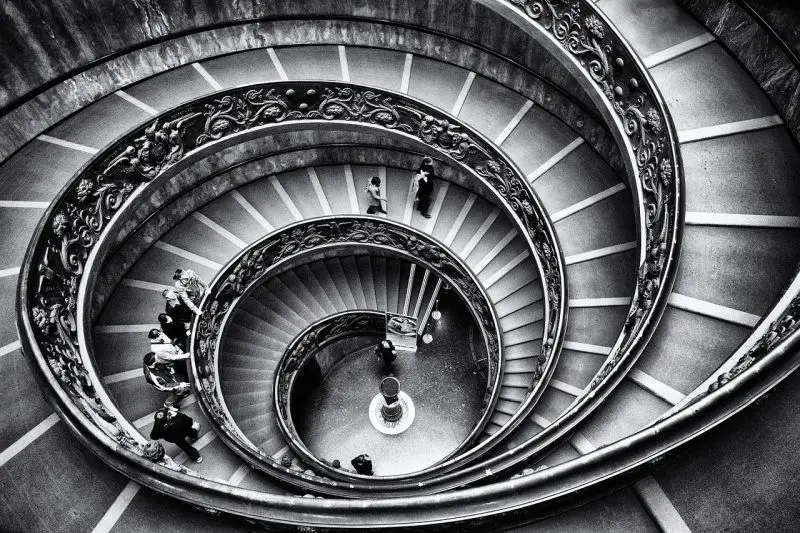
At the beginning of the history of photography, all images were in black and white. If in the early years this was due to the non-existence of media that allowed color photography, for a long time black and white photography persisted thanks to the higher cost of color media.
Now, with the almost total spread of digital photography, black and white photography has been relegated almost to the margins of the photographic world.
Black and white images, however, sometimes contain a “strength” and a “dramatic tension” that is not found in color photography.
You can find other examples in the drama of Sebastião Salgado's images.
So let's see 5 tips on how to photograph in black and white.
#1. Black and white photos - Shoot in RAW
Cheaper cameras and smartphones cannot handle RAW formats. Many users also don’t set their camera to RAW because they think it’s too difficult and prevents immediate sharing of shots on social networks.
The RAW format, however, allows maximum control during post-production and enables you to convert your color images into black and white very effectively. Of course, shooting in JPEG format doesn’t prevent you from photographing in black and white, but if RAW is an option on your camera, try it—you might be surprised by what it offers in post-production.
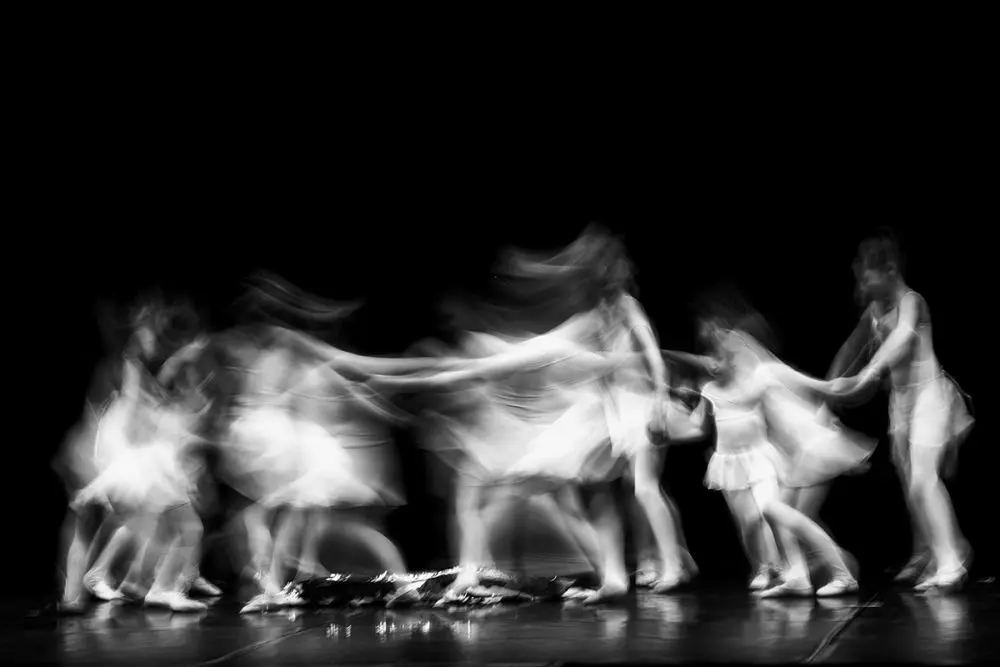
Be careful though: RAW produces files much larger in size compared to JPEG. So use very large memory cards.
#2. Shoot in color and convert later to black and white
If your camera doesn’t allow you to shoot in RAW (or you haven’t chosen it), shoot in color and do the black and white conversion later on your computer.
While most digital cameras offer you the option to shoot in black and white (and can produce acceptable results), if you do the conversion on your computer you have more control over the final results.
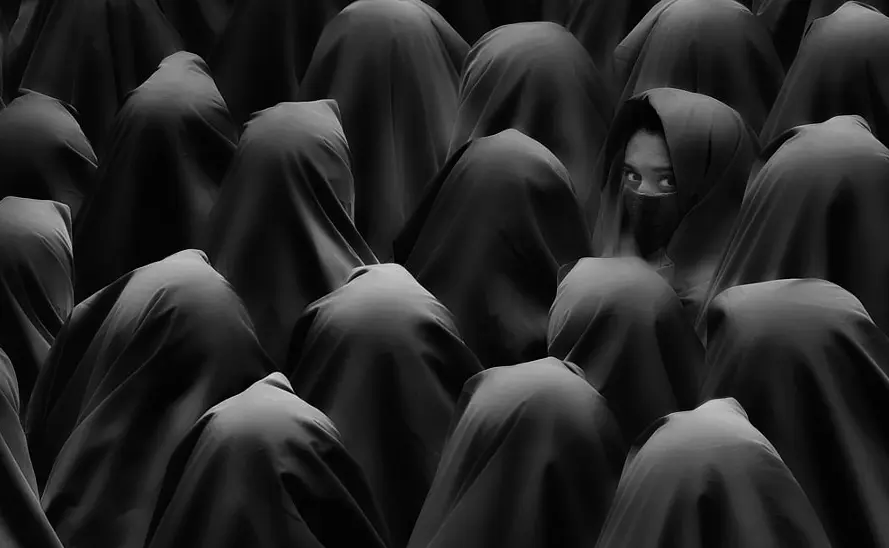
Moreover, the computing power, filters, and conversion parameters are definitely more efficient when using a program on the computer compared to the software included in your camera.
When shooting in RAW and switching to black and white mode, the results are displayed on the LCD screen in black and white, but the camera actually records all the information (including color), the best of both worlds. But if you are shooting in JPEG format, shoot in color and do the conversion later.
#3. Keep ISO low
Shoot with the lowest possible ISO. While this is something most of us do in color photography, it is especially important when it comes to black and white where noise created by high ISO can become even more noticeable.
If you are looking for this "noise" (or grain) you can always add it later in your post-production, but it is harder if you do not impossible remove this grain if your image already contains it due to the high noise introduced.

#4. When to shoot
The enemy of color photography is low contrast or the presence of muted and washed-out colors. These are typical atmospheres of foggy or dark and cloudy winter days. On such days, it may definitely not be worth going out to take photographs, as our result (in color) will be mediocre.
So why not think about taking advantage of the day for black and white photography?
A dark or cloudy day can be a great time to take black and white photos!
Also remember: our world is full of colors, but a simple object, when seen in black and white, can evoke new feelings.
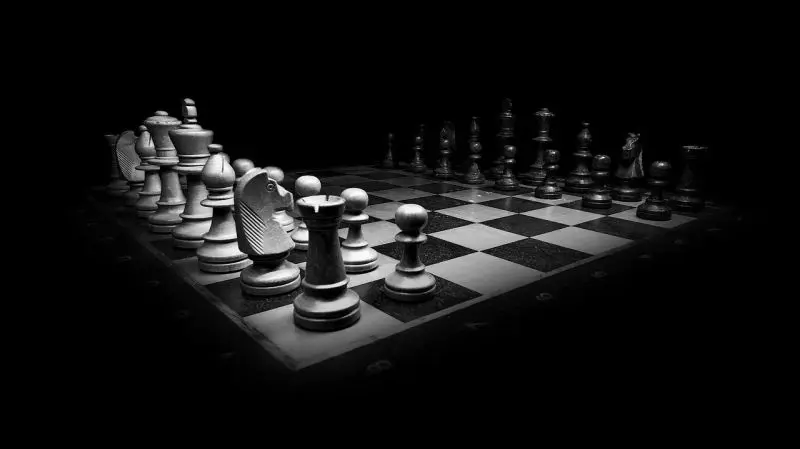
#5. Composition
Most general tips on how to compose or frame a good shot apply just as well to black and white photography as they do to shooting in color. The main obvious difference is that you cannot use color to guide the eye around or around your subject.
This means you have to train yourself to look at the shapes, the tones and the textures in the frame as points of interest.
Pay particular attention to the shadows and to highlights which will become a feature of your shot.
Consider the guidelines!



