
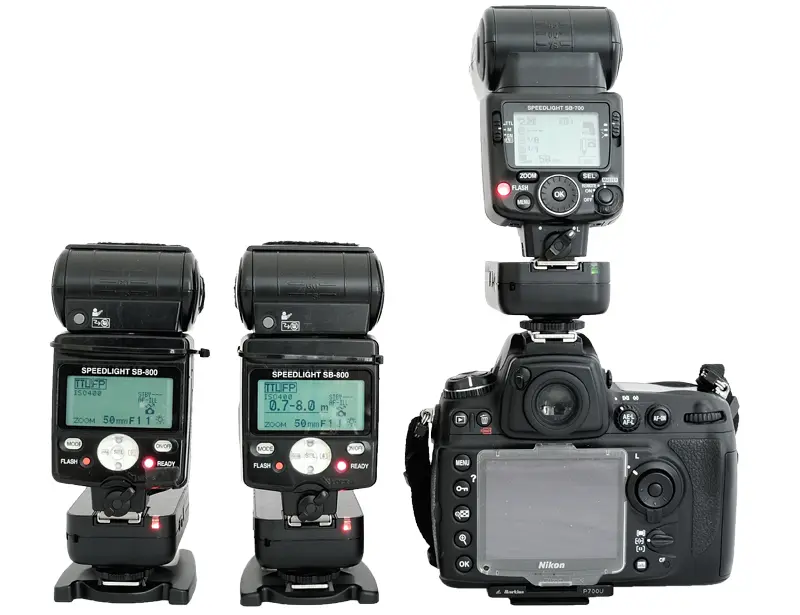
When it comes to photography, light is a fundamental element to achieve exceptional shots. While natural light is often preferred by many photographers, there are situations where a good flash can make the difference between a flat image and a spectacular photo. But how do you choose the flash best suited to your photographic needs? In this guide, we will explore the different types of flashes available and provide you with valuable advice to make the right choice.
Built-in Flash vs. External Flash
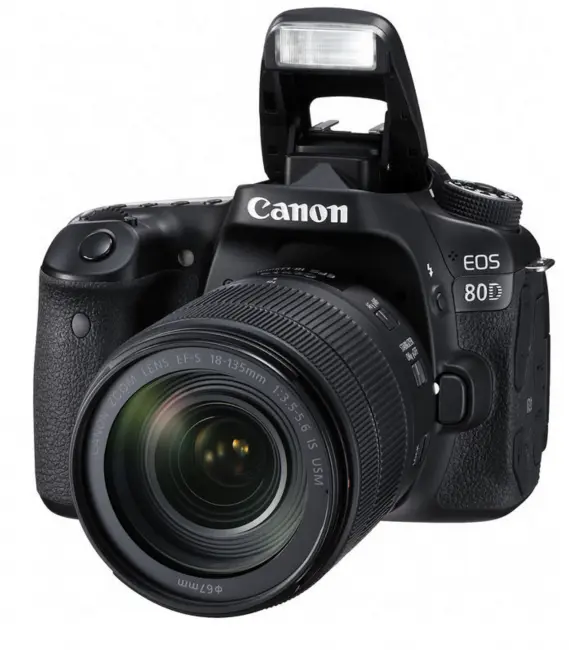
Many digital cameras come equipped with a built-in flash, which can be useful in emergency situations or when a slight additional illumination is needed. However, the built-in flash has its limits: it can produce unwanted shadows and is not ideal for more artistic shots.
An external flash, on the other hand, offers greater power and flexibility. You can tilt it, rotate it, and use it with accessories to create more interesting lighting effects. If you are seriously interested in photography and want full control over the light, consider purchasing an external flash.
Dedicated Flash vs. Universal Flash
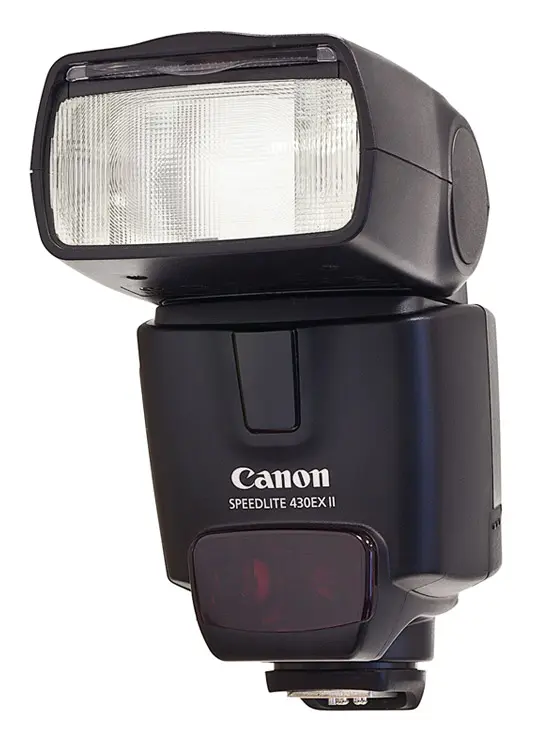
A dedicated flash is specifically designed to work with a particular brand and model of camera. These flashes are often more expensive but offer better integration with your camera system and can provide advanced functions such as flash exposure compensation and the high-speed sync.
On the other hand, a universal flash is more versatile and can be used with different camera brands. If you have multiple cameras or want to share the flash with other photographers, a universal flash might be the best choice.
Guide number and flash power
The guide number (GN) is an indicator of the flash's power. The higher the guide number, the greater the distance at which the flash can properly illuminate the subject. If you plan to do portraits or photograph subjects in wide environments, a flash with a high guide number will be essential.
TTL Flash vs. Manual Flash
The flash TTL (Through The Lens) is equipped with a light metering system through the camera lens. This system measures the amount of light needed for correct exposure and automatically adjusts the flash power. It is a convenient option, perfect for beginners or when shooting in variable lighting conditions. On the other hand, the manual flash gives you full control over the flash power. If you are a more experienced photographer or want to experiment with more creative lighting effects, the manual flash will offer you greater artistic freedom.
Flash accessories
Many external flashes offer the possibility to use accessories such as diffusers, snoot, softbox and lens hood. These accessories will help you shape the light and create more interesting effects. Consider purchasing a flash that supports accessories, so you can expand your photographic capabilities.
In conclusion, choosing the right flash depends on your photographic needs and the level of control you want over the light. Carefully evaluate the available options and remember that a good flash can make a difference in your photographs. Investing in a quality flash is an important step to improve the quality of your images and take yourphotography to the next level.



