
The portrait photography is a fascinating and engaging art that allows you to capture the expression, personality, and essence of people. With a bit of practice and some tricks, you can greatly improve your skills in portraying subjects in an extraordinary way. In this article, we will explore 15 ways to take better portrait photographs, enabling you to capture the essence of your subject and create memorable images.
Establish a connection with the subject
To achieve authentic and meaningful portraits, create a comfortable atmosphere between you and the subject. Establish a friendly dialogue and put the person in front of the lens at ease. A sincere connection will be reflected in the final image.
Choose the right light
Light is a crucial element in portrait photography. Avoid direct flash and use natural light when possible, such as sunlight in the early morning hours or just before sunset. Soft, diffused light will allow for more delicate tones and less pronounced shadows.
Use aperture to achieve blur
A blurred bokeh background can work wonders to highlight the portrait subject. Use a wide aperture (small f-number), focusing on the main subject and leaving the background out of focus.
Choose the appropriate lens
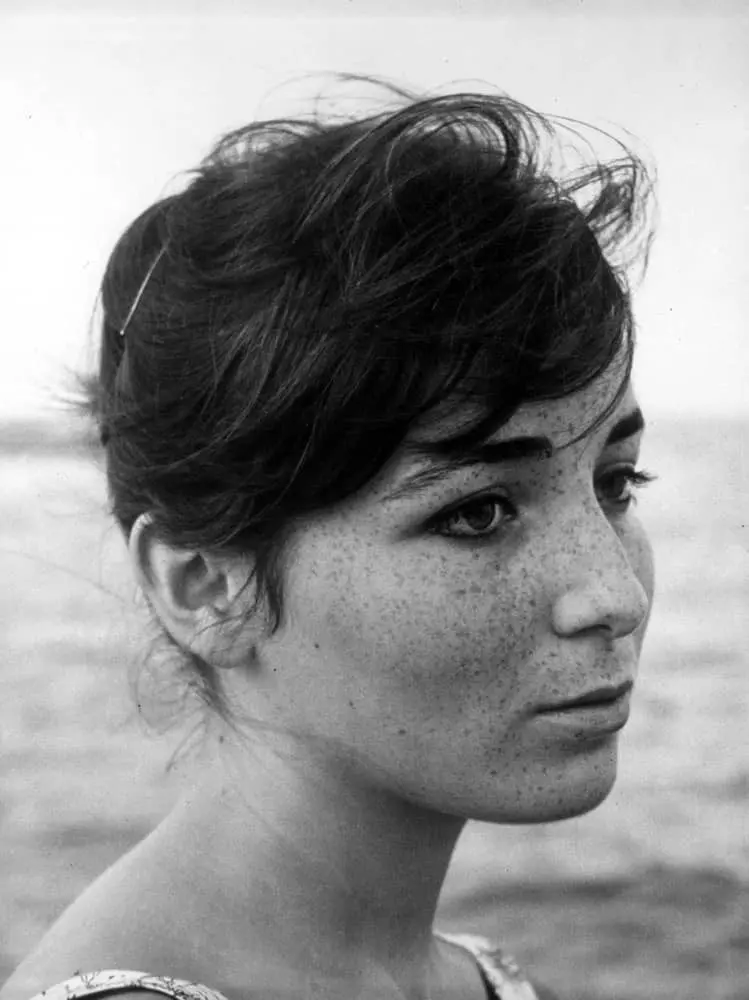
A lens with a focal length between 85 mm and 135 mm is optimal for portraits. These lenses slightly compress the image and produce more pleasing results for the subject's face.
Focus on the eyes
The eyes are the window to the soul, so make sure they are sharp and in focus. Set focus on the eye closest to the camera and, if necessary, use a narrower aperture to achieve greater depth of field.
Play with composition
Experiment with different compositions to make your portraits more interesting. Use the rule of thirds by framing the subject slightly off-center, or explore symmetrical and asymmetrical compositions.
Add surrounding elements
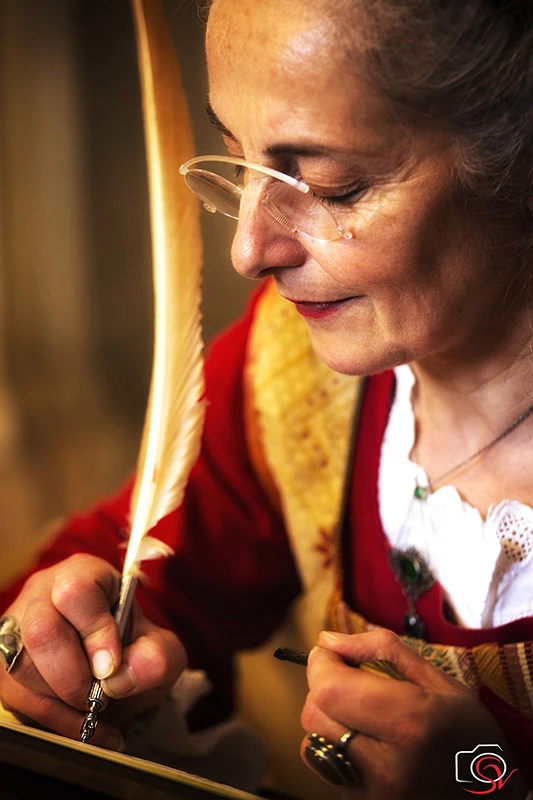
Incorporate elements from the surrounding environment or appropriate accessories to add depth and meaning to the portrait. For example, you can capture a musician with their guitar or an artist with their works.
Set an appropriate depth of field
Carefully control the depth of field to avoid important parts of the subject's face or body falling out of focus. Set your camera to aperture priority (mode A/Av) to have control over this aspect.
Capture natural expressions
Encourage the subject to relax and be themselves. Natural and spontaneous expressions can tell a more authentic and engaging story.
Avoid excessive retouching
Light retouching can enhance a portrait, but avoid overdoing it as it may appear unnatural. Maintain the subject's natural beauty as much as possible.
Experiment with black and white
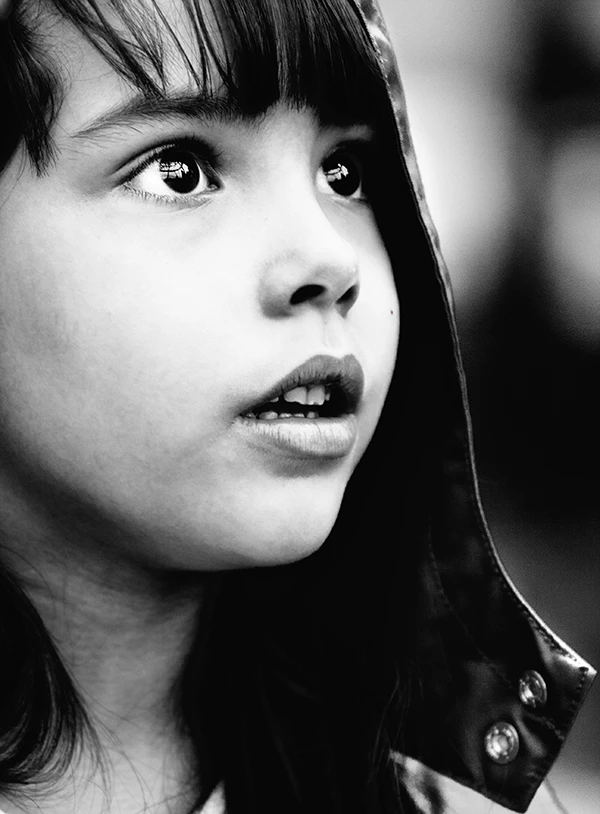
Black and white portrait photographs can create an intimate and emotional atmosphere. Try converting some of your color images to black and white to add a touch of elegance and sophistication.
Play with shadows and lights
Shadows can be just as important as lights in creating a captivating portrait. Experiment with soft or bold shadows to add drama and mystery to the image.
Shoot in continuous mode
When the subject is moving or has rapidly changing expressions, use continuous shooting mode to capture a sequence of images. This will help you select the perfect moment later.
Study the great portrait photographers
Get inspired by famous portrait photographers by studying their work and learning from their techniques. Take cues from artists like Annie Leibovitz, Richard Avedon, and Steve McCurry.
Practice, practice, practice
There is no substitute for constant practice. Shoot as much as possible and experiment with different techniques. Over time, you will see your skills improve in capturing extraordinary portraits.
Taking engaging portrait photographs requires a combination of technical skills and artistic sensitivity. With these 15 ways to take better portraits, you'll be on the right path to creating memorable and meaningful images.



