
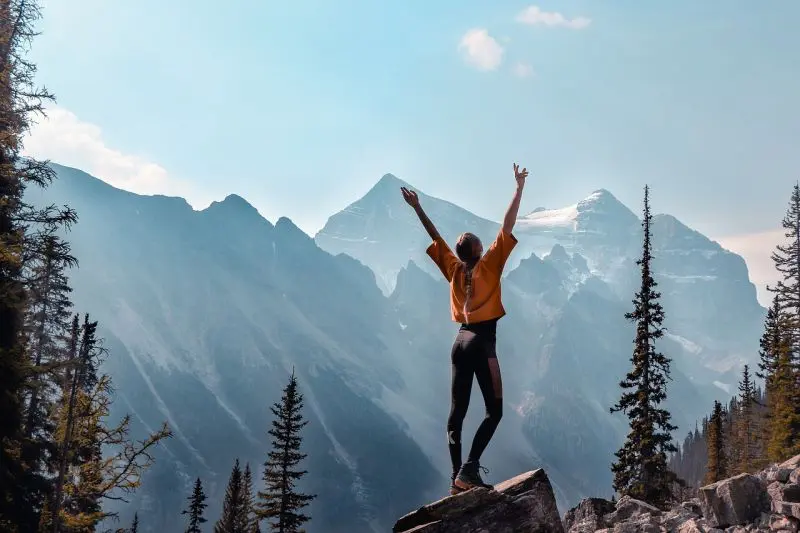
 Is landscape photography dangerous?
Those who grew up with Topo Gigio would say "What on earth are you telling me?!". In fact, nothing would seem further from danger than landscape photography: where could there possibly be danger in shooting a landscape?
On second thought, however, if we do not prepare well for what we are doing, even landscape photography could hide dangers, not only physical for us, but also just (and here I say simply, despite the costs of complete equipment) for our devices.
The pursuit of the perfect photograph must not make us forget the sense of measureand of the risk assessment.
So let's see what the inherent dangers in landscape photography are.
The Weather - The most unpredictable danger when we have to capture landscapes
One of the least controllable aspects of a photo session (and more) is the weather. Do we have everything prepared for our photo session?
Unfortunately Mother Nature (not the one from Ciao Darwin) does not agree: if we expected a sunny day and today it decided to rain, or if we wanted a sunny day with large cumulonimbus clouds for a highly dramatic effect, the day is actually gray.
The fact that the weather does not cooperate must be considered in the planning planning of our photographic day.
On one hand, the danger is only that we fail to photograph what we wanted as we wanted (and for this a good plan must also consider a plan B, for an alternative photo session, especially if we are traveling); on the other hand, changing weather conditions could become a a real danger.
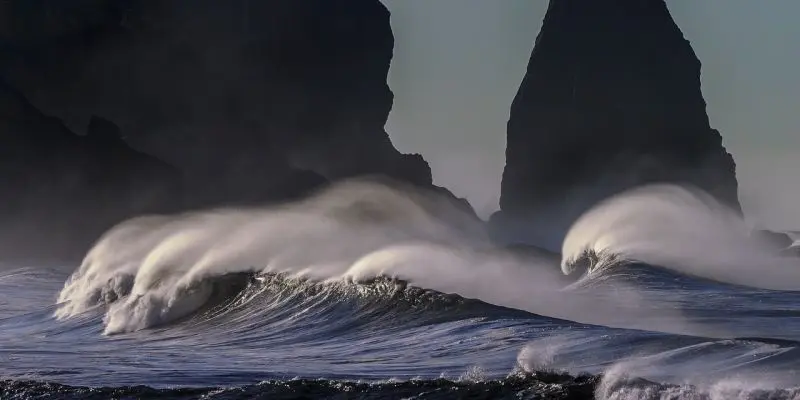
A sudden storm could expose our equipment to water, so especially if we are in the mountains where the weather changes quickly, a light waterproof protection for the equipment could be a good idea to have in the backpack.
But while getting the equipment wet only implies a material cost, it is a different matter if this storm catches us without adequate protection. Being exposed to lightning and hail, getting wet and being battered by cold winds are not easy conditions to endure.
Moreover, wet ground could suddenly become slippery. The same applies at the sea: changing tides or weather could turn what was a safe spot into a very precarious one.
On the other hand, the sun after the storm could create incredible lighting conditions and sparkling rainbows, allowing us to capture a unique photo!
Getting a beautiful photo is important but, as always, pay attention to safety.
Timing - The less obvious danger of landscape photography
Another danger of landscape photography is timing. We can take a nice photo, but if we had taken it half an hour earlier or later, the lighting conditions would have been different and we would have gotten a perfect shot.
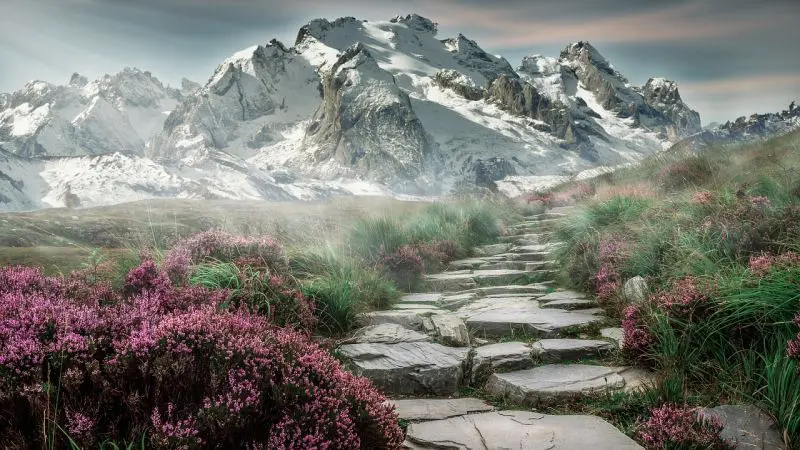
For this reason, it is important to know what the lighting conditions are the perfect ones for your photo. Of course, you can use filters or an HDR to get a good result, but if you start with perfect lighting conditions, everything will be easier.
Since the best hours for landscape photography are those near sunrise or sunset, you will need to be in position at the right moment.
What does this mean? Often, getting up very early in the morning or returning when the sun has already set. Moving in the dark or semi-darkness is dangerous, even if you think you know the area well, a flashlight it must therefore be part of your equipment.
If you return in the evening, also remember to pack something in your backpack to protect yourself from the cold: with darkness, the temperature could drop quickly and you might not have thought about this if you reached your spot during a sunny day.
The Terrain - The most dangerous when we move around to photograph a landscape
If you want to get unique and different images from those you can find on the internet, you need to find something new: a new subject or a new point of view of a known subject. The terrain on which you might find yourself moving could expose you to a third and new danger in landscape photography.
For this reason, it is always advisable to never move alone.
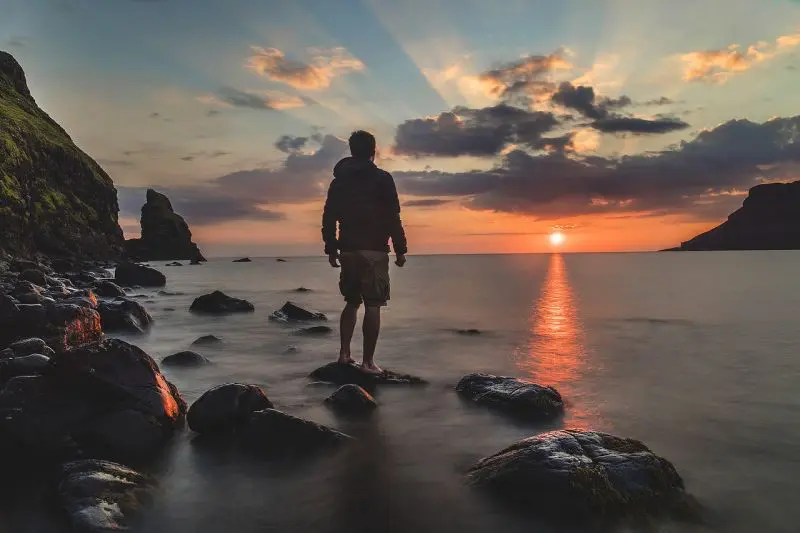
Photographers often spend so much time looking through the viewfinder that we forget what surrounds us, so it’s always good to have that second pair of eyes watching your back, because one wrong step and you could be in serious trouble.
This doesn’t mean you need a companion only if you go to high mountains or a remote area far from civilization, but also in a place that would normally be considered safe: what is full of families and children during the weekend could instead be isolated and lonely during the week, and so if we found ourselves in trouble we might not get any support.
The story of Aron Ralston, from which the film 127 Hours is based, remains a warning.
Had you never thought about these hidden dangers?
However, these are not a valid reason to give up a photographic excursion!
The important thing is to plan in advance what we have to do. The time spent planning is not time taken away from fun (in fact, this activity can be enjoyable), but time saved to manage problems.
So, plan and go!



