
 The minimalism, since the 1960s, it has entered almost every aspect of artistic life, whether we talk about design, architecture, literature, music, and therefore also photography.
The minimalist lifestyle, also thanks to the spread of Eastern philosophies, has itself become a reaction to the excesses of consumerism that have permeated the last decades of the 20th century, thus becoming a true philosophy of life: a particular way of living, creating, and even a certain way of traveling.
Although the interpretation is subjective, the Treccani Encyclopedia defines minimalism as “that artistic movement (…) characterized by simple (minimal) forms, generally derived from elementary geometry, modular and serial structures, and the use of materials from modern industrial technology”.
Many of us are attracted to the concept "less is more", with simple lines, geometric patterns, clear shadows, colors, and isolated subjects. Sometimes these elements are automatically within reach of our lens, other times a bit of image manipulation is necessary to remove the “extra” elements.
The key is to train your eye to assess what is necessary to create a strong story. Here are some tips and examples to start your search for minimalist images.
1. Composition Techniques
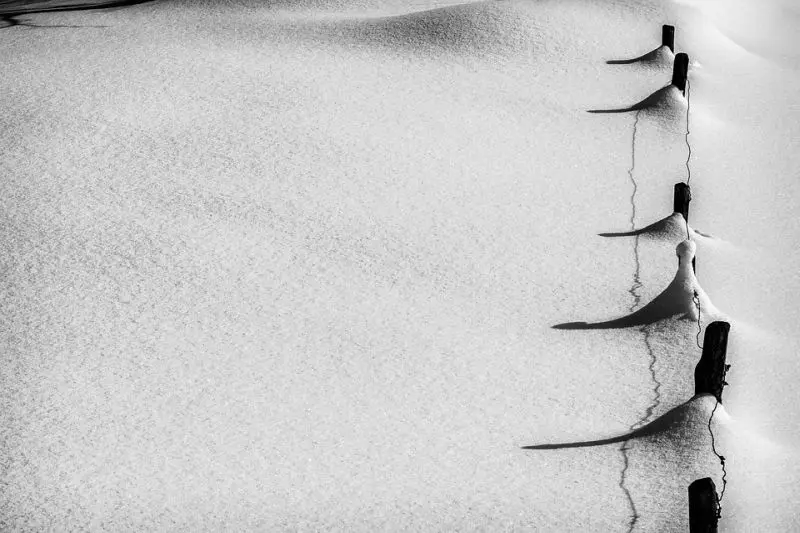
One of the key elements of minimalism is the concept “less is more”. However, keeping it simple does not mean making it boring. Contrary to popular belief, a minimalist approach requires a lot of creativity. Well-placed subjects and key elements that help communicate a story are all difficult to achieve at every moment. These concepts often require a lot of practice until the way you see becomes automatic.
Start asking yourself these questions even before bringing the camera to your eye to take the photo. Take your time to compose and don’t rush to click and move on. Think about it. Sometimes, if it’s not obvious, look through the viewfinder and observe the shot instead of cropping out unwanted distractions in post-processing.
In situations where it is not possible to remove distracting objects from the frame, use depth of field to isolate the subject from the background by shooting with a wider aperture (the smallest possible f-number) allowed by the lens. This, in effect, blurs the background, distracts elements, and gives a sense of minimalism. You will need a lens that can actually provide that bokeh effect.
2. Colors and Textures
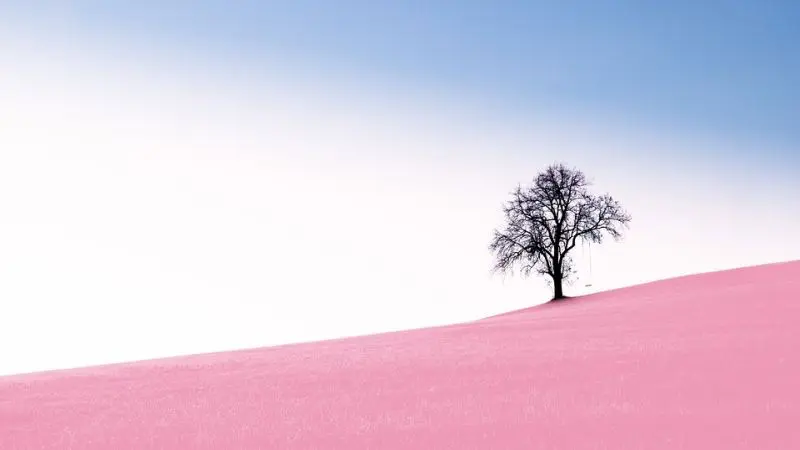
Bright colors or even contrasting colors help the minimalist approach by adding the right amount of contrast. The key is not to go to extremes, but to choose one or maybe two colors that work well together and use them visibly in the image. Sometimes even adding a bit of texture in the image can help improve the visual appeal.
Initially observe the color wheel and familiarize yourself with contrasting colors. But don't focus only on that. Trust your eyes to capture situations like this to practice minimalism, even if it's on your phone.
3. Leading Lines and Patterns
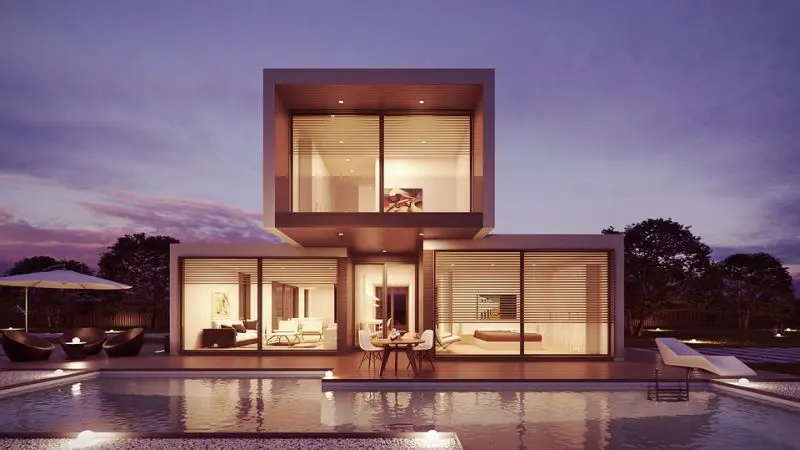
Lines and patterns, if done correctly, can also help in the minimalist approach. However, try to keep it simple. Leading lines and other geometric shapes can make great backgrounds for minimalist images.
But if there are too many elements in the frame, they can make the image chaotic and busy, which is not the clean minimalist way. Sometimes it's enough to find a creative angle to photograph. Experiment with different angles: straight, high, or low, until you get a shot that shows your vision of the image.
4. Negative Space
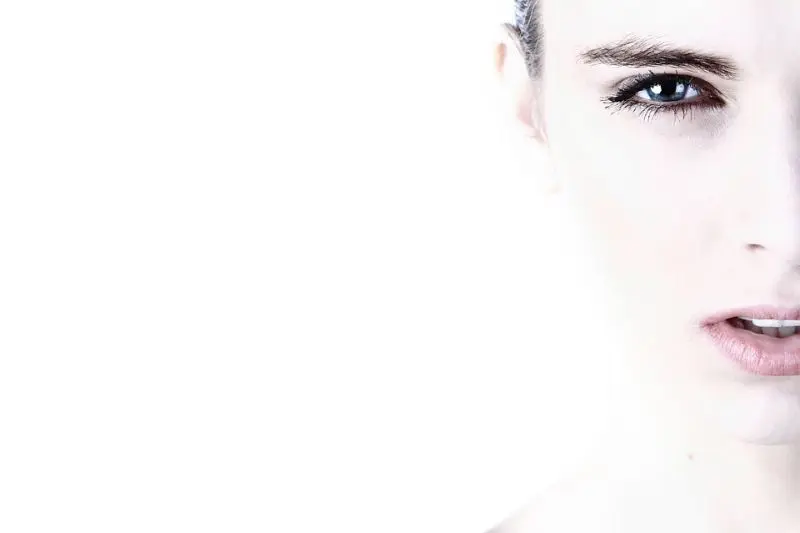
Learning to use negative space is a huge advantage when embracing the minimalist movement. Negative space allows the main subject to breathe freely.
It conveys a sense of lightness in the place and space. Negative space is a great way to isolate the subject so the viewer can easily interpret the story you are trying to convey.
Remember that negative space does not always mean a single subject and does not always mean photographing by following the rule of thirds. It means leaving less clutter in the frame. Negative space, along with posing, can add a lot of drama to an otherwise simple portrait.
5. Telling a Story
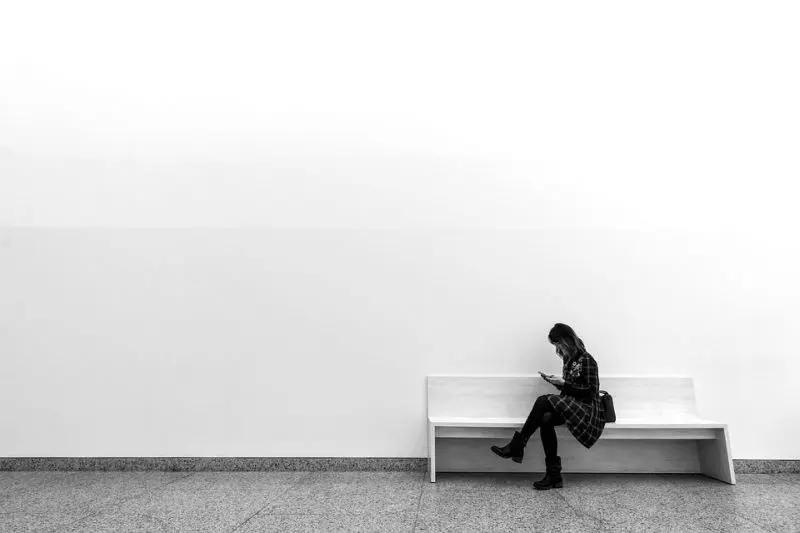
One of the best ways to practice and refine minimalist photography is telling a story. Ask yourself if the elements in the frame help advance the story or hinder it. Sometimes a human element is needed to tell the story, and other times, it is not.
Symmetry, lines, patterns, and shadows take on the role of telling the story. Sometimes the story and the environment come together spontaneously, and it is the photographer's job to see it and respond quickly. Other times it requires a bit of patience for the right subject to move through the frame.
The good thing is that a minimalist approach to photography can be applied in nature as well as in an urban environment. You can practice anywhere, so go out and open yourself to a different way of seeing with your camera, regardless of the genre.
6. Post-processing
Minimalist photography doesn't end when you capture the image. You can extend this concept also to post-processing. The simplest way to approach minimalist photography in post-processing is to keep the image treatment simple.
Avoid images that are highly saturated, very contrasty, and intense color corrections. With portraits, do not correct all the skin and tone imperfections. Let the natural beauty of the subject show through without too much retouching.
Conclusion
In photography, minimalism is a visual statement where the photographic story is simplified, elements are reduced, and clean space is added.
Not only has minimalist photography become its own genre, but photographers specialized in the discipline have created an attractive space of art and creativity for all of us. As photographers, it is important to pay attention to this trend and see how we can apply it in our work.



