
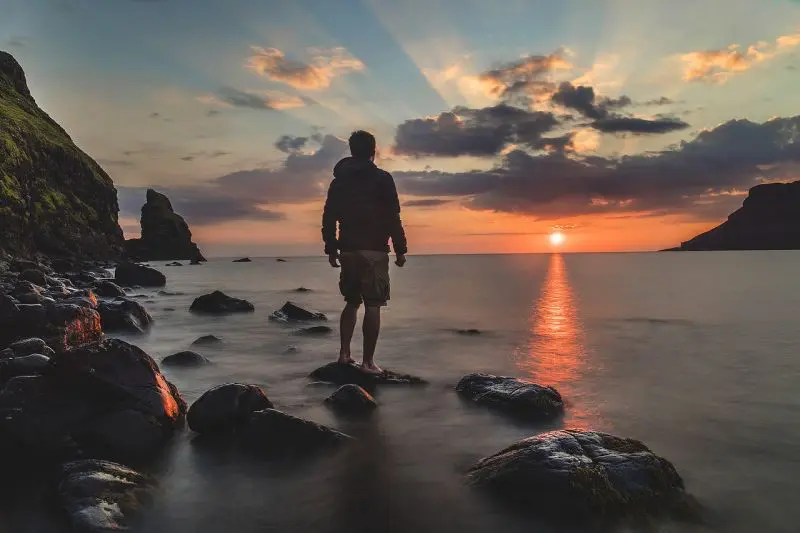
According to various (debatable) theories, 10,000 hours are necessary to master any subject. Now, 10,000 hours is a lot and perhaps not feasible for a hobby, but the more practice you have, the better the results that can be achieved.
An astronaut does not train for years before a mission because what they have to do once in space is particularly difficult, but because the procedures to follow in case of emergency must be so automatic that they can perform them even before thinking about them.
Similarly, learning how to perform an appendectomy does not take more than fifteen minutes, but years of study are essential to be able to handle the situation if something unexpected happens.
A photographer who knows their equipment perfectly, can make the correct adjustments without even having to look at the menus.
The secret to practicing to improve your skills is to have a plan. You need to know what you are practicing, set goals, and find a way to somehow measure your improvement.
Here are some tips on how to become more productive!
Decide what to improve
It seems obvious, but you need to start with something in mind that you want to improve. Wanting to improve your photography is too general.
Try to narrow your goal further: identify an area where you feel particularly weak and focus on that.
Remember that, in any case, an activity, to be fruitful, must have a clear objective, such objective must be achievable and it must be possible to measure the improvement achieved.
So look for advice on how to improve that particular aspect and take notes on things to keep in mind for your next shot. Start creating your instruction manual in your own words to carry with you.
Plan your practice
Once you have decided what things you want to improve, you need to start planning a subject, the time and a place to shoot in. It could be as simple as photographing food in the kitchen or as complex as a week-long trip.

Put your plans in your diary and note how much time you need to prepare. If you organize yourself, you will be much more likely to stick to your plan. Make sure that what you plan also sis something you find interesting.
Don't plan for a day of photography (or even a few hours) if what you have to do will be boring and you won't enjoy it
Right equipment
If you need equipment you don't currently own, now is the time to decide how to get it. Renting lenses can be an economical way to try new options before buying (but borrowing from friends is even cheaper).
Sometimes new equipment can be just what you need to kickstart your photography, but you need to practice and learn how to use it. For some pieces of equipment, there are also DIY solutions.
Don't be afraid to experiment and try things. It doesn't matter if your shots aren't perfect; this is a practice exercise, it doesn't require perfection!
Take your notes with you
When you go out to practice, make sure to bring your notes with you. It doesn't matter if they are in a notebook or on your phone, but make sure you have that research you did while planning.

If you are trying something new, you might have questions while you practice. Even if you are an expert photographer, it's still useful to refresh your knowledge before you start shooting.
Practice as much as possible, for as long as possible
The costs of film and development don't limit you in this digital age. This means you have the opportunity to take many images when you practice. Digital storage is cheap, so grab a couple of memory cards and keep shooting until you really get it.
Make the most of your free time by practicing photography and shooting as much as possible. You never know which image you’ve taken will teach you something new. It could be the first shot or it could be the last!
Don’t worry about perfection
The purpose of practice is not to get images for your portfolio or to take photos to post on social media or show to your non-photographer friends. The goal is to improve your technique or your creativity.
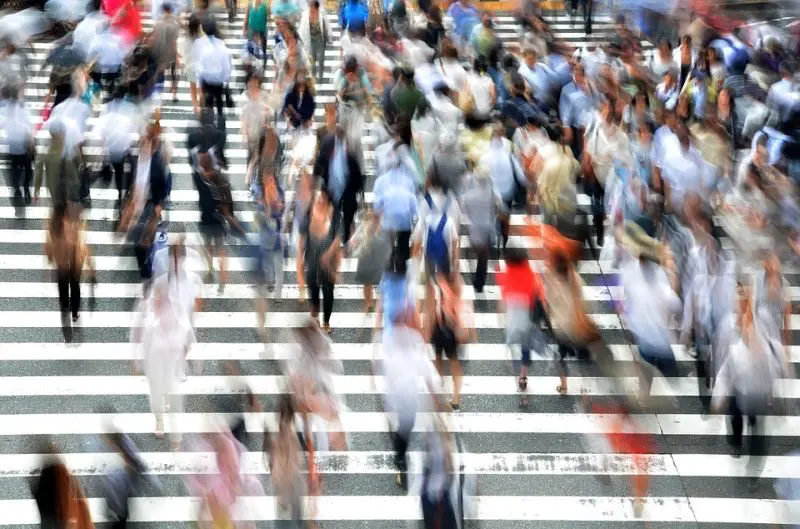
Check your images as you shoot. The displays on the back of digital cameras are good enough to see if you’re on the right track. You should take the opportunity to try new things and be experimental.
Don’t just delete an idea you had because it won’t work: take the photos and prove to yourself that it won’t work! You never know what you’ll learn from a failed experiment until you get home and review the photos.
Review your shots
Reviewing shots is part of the learning process. While the shot is still fresh in your mind, look over images along with the EXIF data to try to understand exactly what worked and why (and what didn’t work and why).
Look over the images one by one, marking those you like (and those you don’t) and then reviewing the EXIF data (shutter speed, ISO, aperture, and focal length).
Take notes
Ideally, with the research notes you made before starting shooting, take notes on how your practice went.
Look for patterns in the EXIF data to tell you what was successful and what wasn’t. Write down what you think about the images and maybe note other related techniques you’d like to work on in the future.
Look for how to correct your mistakes
If you have consistently made the same mistake repeatedly while practicing, then you’ll want to figure out how to fix it for next time. Take notes on how to improve for next time using everything you've learned so far.

If you try to keep everything in your head, it's easy to forget most of it before you go out with your camera again!
Plan more practice
Practice makes perfect, after all. And you don't learn everything on the first try. Using the notes and research you've gathered, plan to practice again.
Maybe this time you'll work on something related that you've identified as a weak point in your technique.
Maybe you could try the same technique but in a different environment.
Whatever you plan next, don't stop practicing. Not even after reaching ten thousand hours of practice because there's always something new to learn.



