
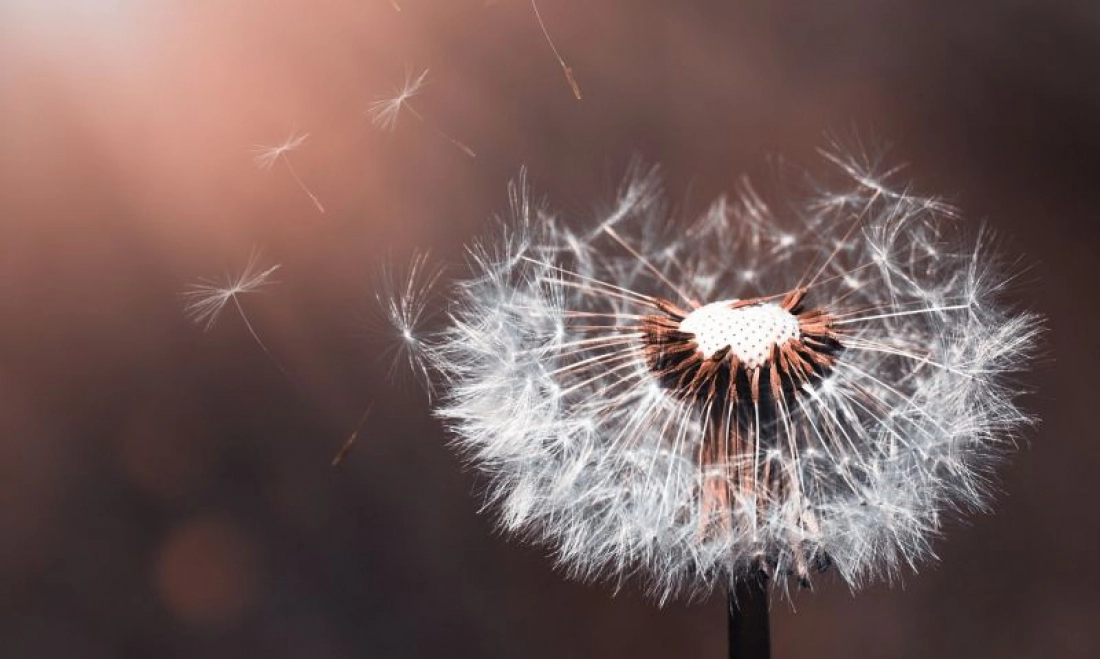
The spring is blooming in all its forms and fields and trees are filling with flowers. The season for day trips has also arrived and there are more and more opportunities to photograph flowers.
After all, flowers don’t move, there’s plenty of time to aim the camera, focus and shoot, and the result can only be a beautiful photograph!
But are we sure that’s the case? How many times after photographing flowers is the result actually flat and very different from what we expected?
Here are some ideas to start creating more spectacular flower photos. Obviously, let’s not forget to check what we have photographed.
Only this way can we effectively publish our photo (instead of writing "image of flower", it’s much better to tag the photo as "image of Leucanthemum vulgare", if we are talking about daisies).
1. Dramatic light
Flower photos are often taken in soft light conditions, in the shade or on a cloudy day. This is due to the soft and delicate nature of a flower that suits that type of light. But it doesn't have to be that way.
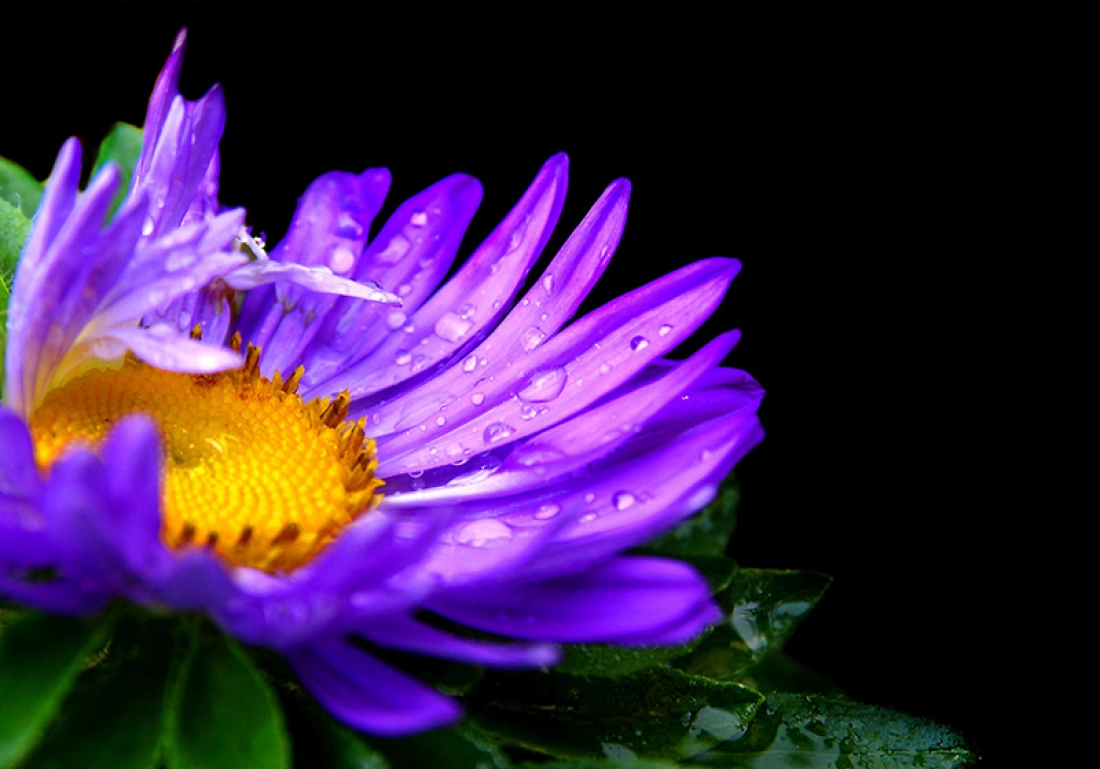
For a more dramatic image, try to find a flower that has direct light on it and is shaded behind it. High contrast scenes become more dramatic and your flower stands out against a darker background.
2. Change your perspective
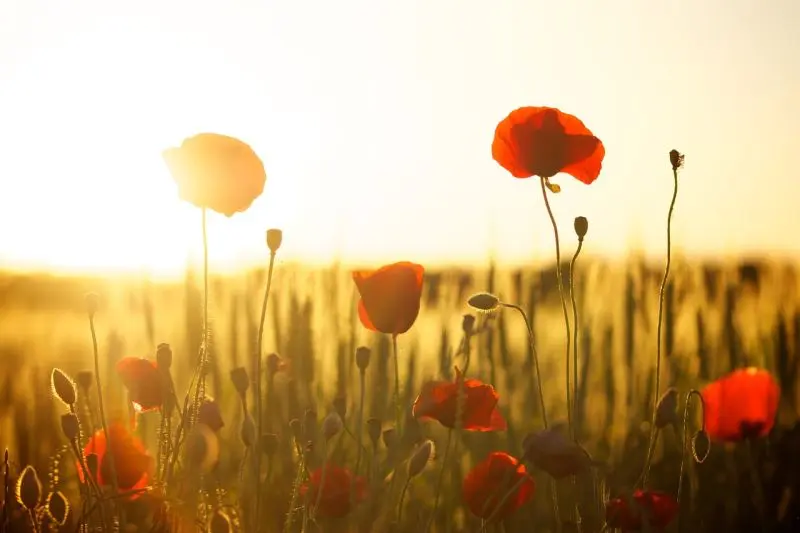
Most flower photos are taken from a perspective looking directly into the open flower. Try other perspectives for more interesting compositions.
You can look at the flower from above, from the side, or from below. Since the sky is much brighter than the flower, you can create a type of image with light passing through the petals making them glow.
3. Focus
To create something different, use a telephoto lens and, using manual focus to avoid mistakes, focus on a flower about a meter away.
Then place another flower between your lens and your subject, or just behind it. Since the second subject is blurred, it creates a soft color area around the main subject.
This is especially effective if you can find two flowers that have complementary (opposite) colors on the color wheel (orange-blue, red-green, yellow-purple).
4. Let the wind blow
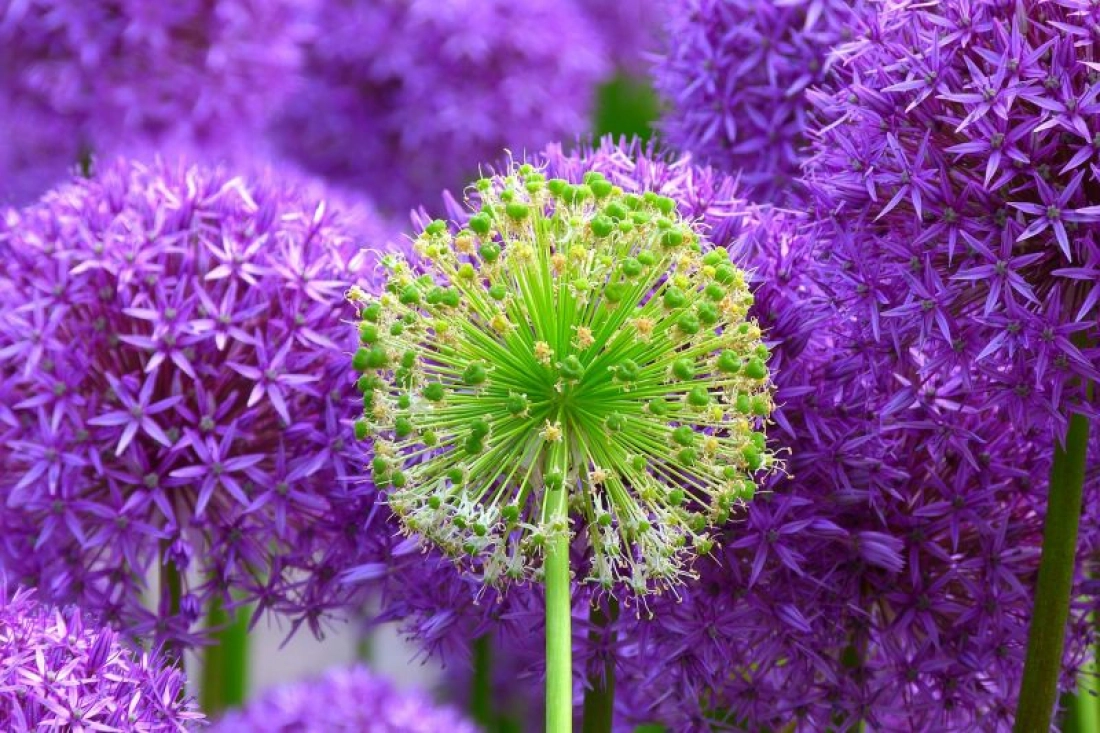
One of the most frustrating things when photographing flowers is the wind. You can handle a little wind with a faster shutter speed, but sometimes the wind is too strong and your flower swings in every direction.
When this happens, if you don't have a screen handy to shield the sun from the wind or a clip to anchor the stem to something more solid, you have to change your perspective!
Instead of trying to get a sharp image, use a slow shutter speed and capture the movement of the flower moving in front of the lens.
To hold the stem or branch carrying the flower, you could use, for example, a clip support for photographic backgrounds or a phone holder to attach to your tripod.
5. Environmental Portrait
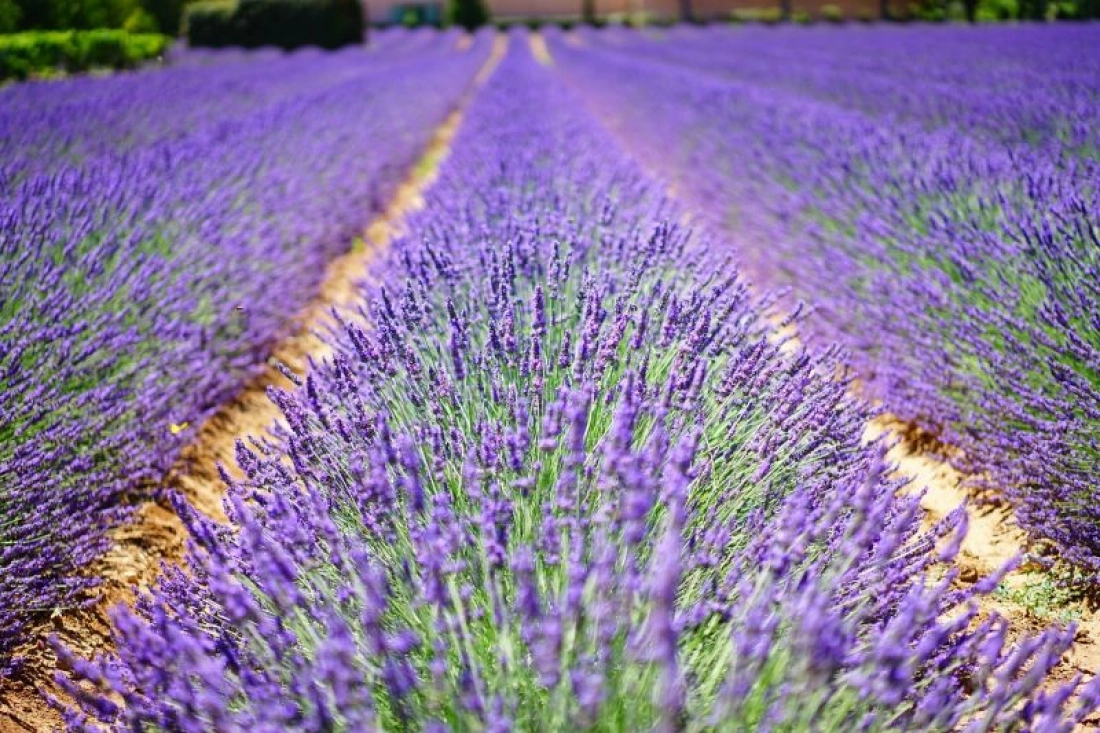
Most flower photos contain only the flower without context. But you can also create an environmental portrait that shows the flower and its surrounding environment.
6. Overlapping Planes
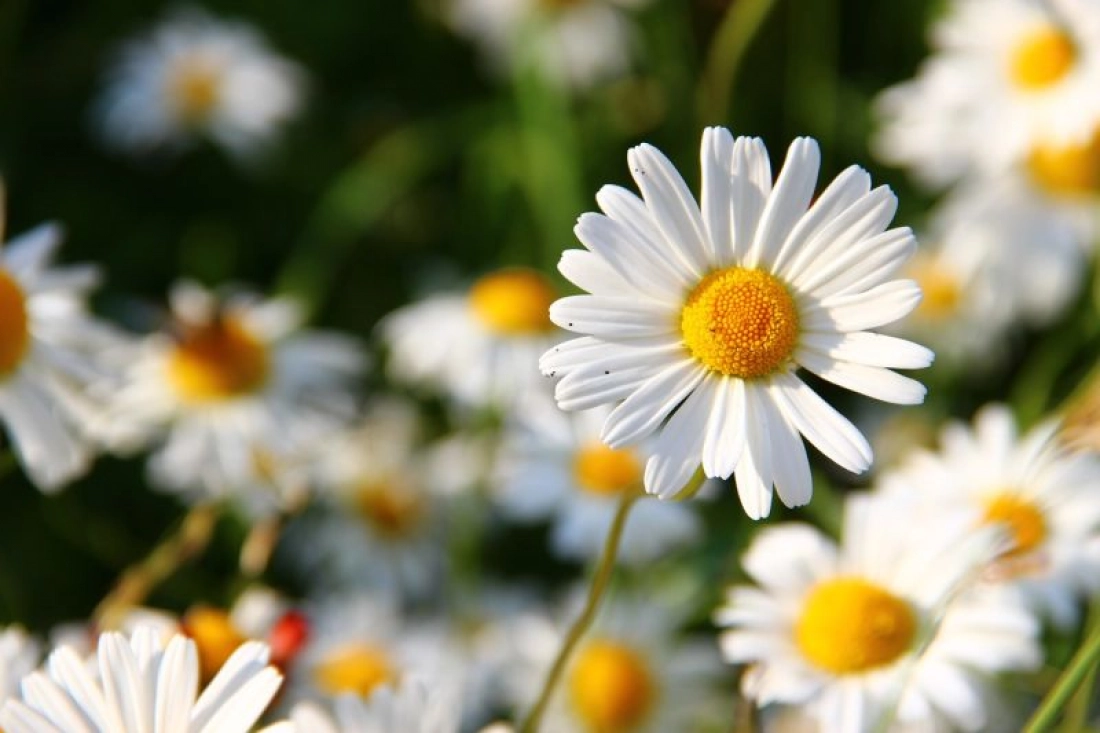
Use overlapping planes: for the main subject, find a flower that has another almost identical flower behind it. Use a shallow depth of field and focus on the main subject, letting the flower behind be out of focus. This creates a sort of echo of the main subject.
7. Less Perfect Flowers
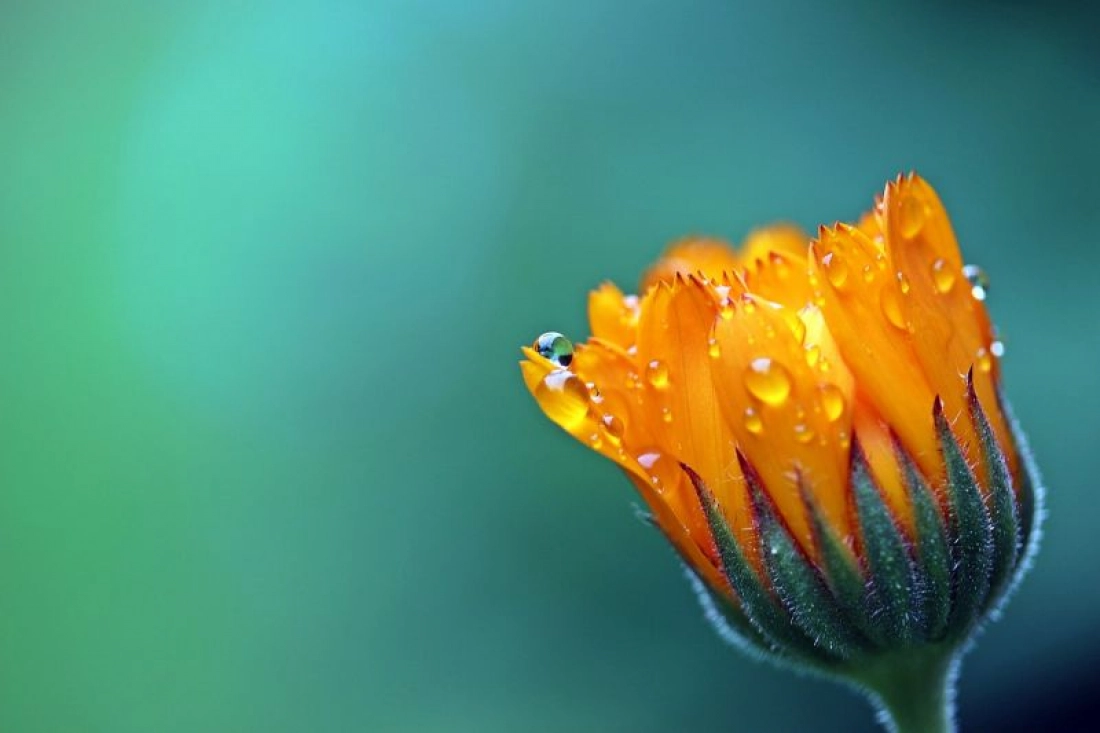
When photographing flowers, most photographers look for perfect specimens as the main subject. But perhaps the most interesting subjects are the less than perfect flowers.
They can be dead flowers, those with defects, or even fallen flowers. Look for something unusual to make your image stand out from other photographers'.
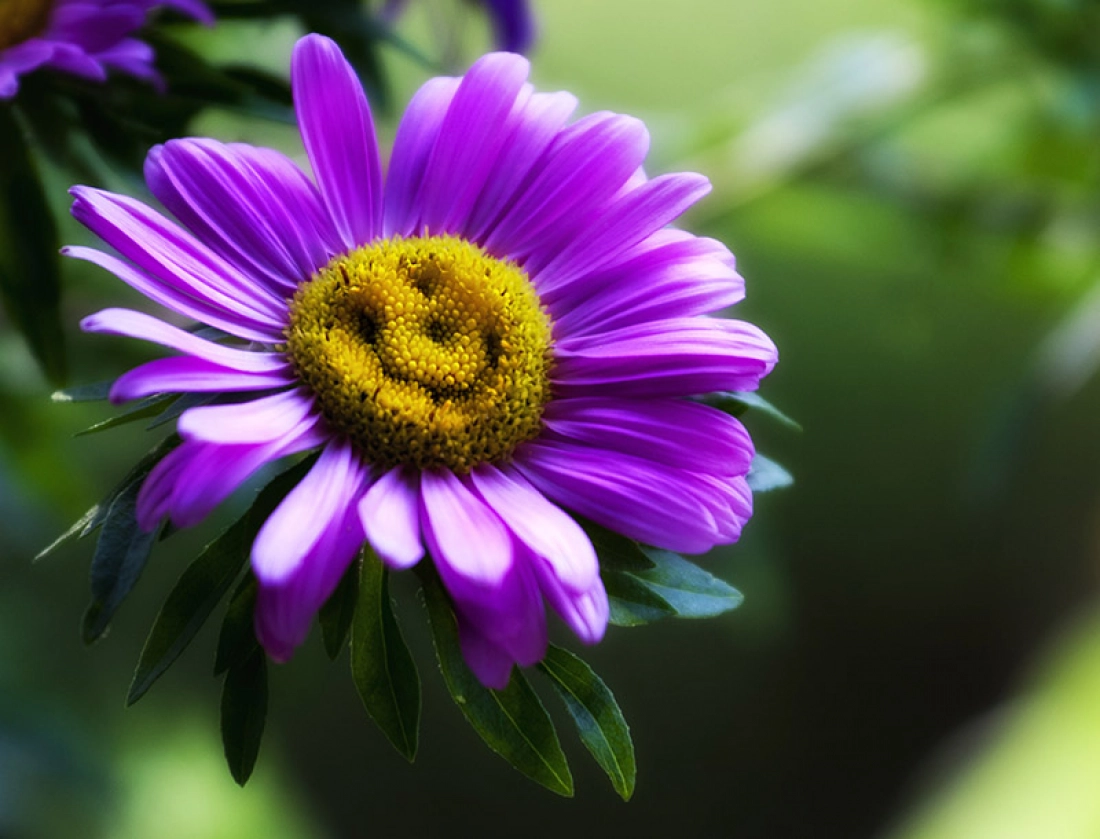
8. Emphasize Edges in Post-Processing
You can also introduce effects in post-processing to create unique and spectacular flower photos. Try experimenting with textures or edge effects during post-processing to draw the viewer's attention to the shape of the petals.
Conclusion
Two final considerations: (1) always think about your background and (2) always check your focus point.
Regarding point (1), if the background is “too busy” or “too colorful,” your flower might get lost in it. For this reason, always try to position an appropriate background behind your subject that allows your flower to stand out!
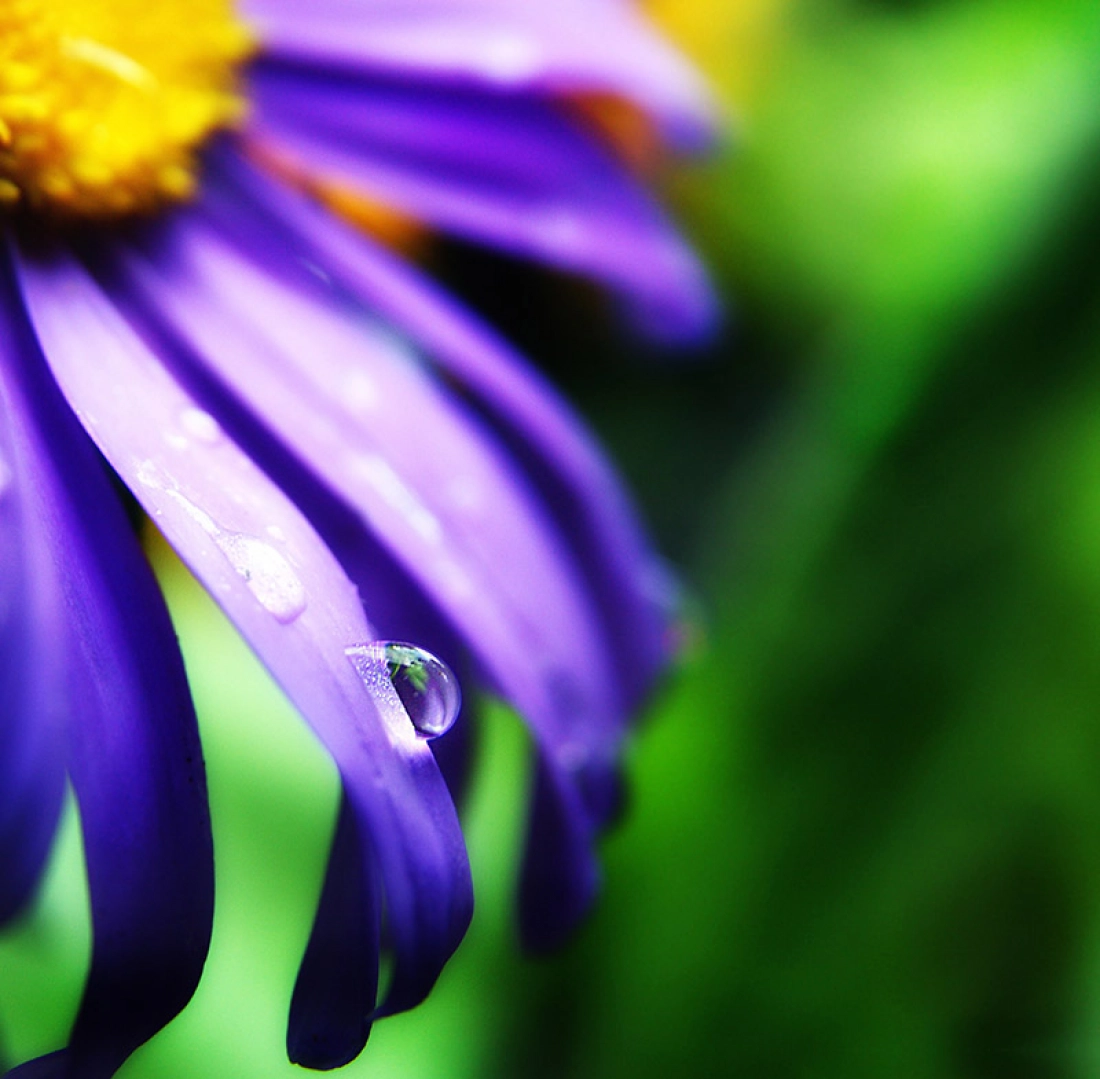
Regarding point (2), there isn’t much to say: unless you intentionally want to photograph a flower moving in the wind, if your subject is not in focus, the photo is wrong and should be discarded.
Photographing flowers has an additional problem: being generally low to the ground, they can force you into unnatural positions, making it difficult to maintain correct focus. This stability issue can be worsened if, following our second tip, you don’t take the usual shot but look for a more novel composition. For this reason, a tripod can definitely be useful to you!
Also, to avoid getting dirty or wet if you have to lie on the ground, take with you a waterproof sheet to lay on the ground.
What else can you think of? Flower photography doesn't have to be boring or predictable. In fact, any subject you find boring and predictable is a challenge waiting for you to unleash your unique perspective.



