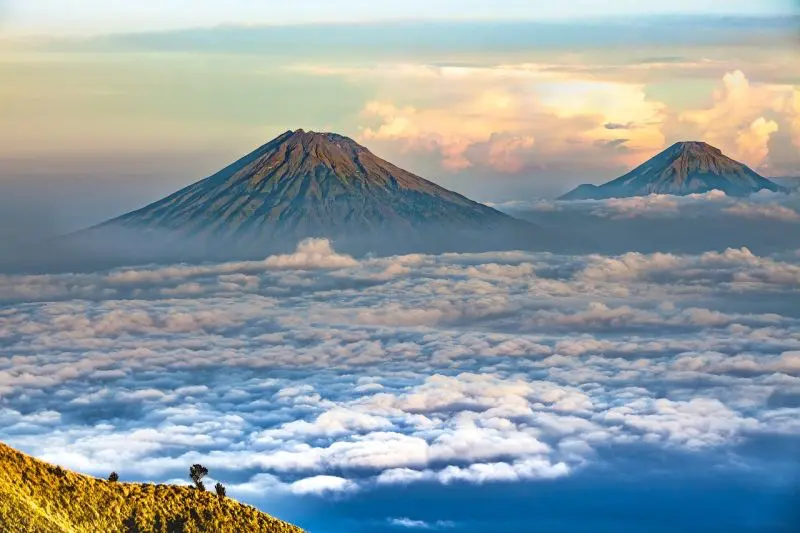
The landscape photography It is certainly one of the most popular photography genres. Whether the photos are taken with super professional cameras or just a simple smartphone camera, the results can be more or less satisfying.
Taking a good landscape photograph is not, in fact, simple and there is a risk of falling into small mistakes which then lead to incorrect results.
Here are therefore some tips that will allow you to discover how you can easily achieve better results and transform your images.

1. You include too many details in your image
Have you ever been in front of a fantastic landscape, taken a photo, and then when you are at home, looking back at the photos from your trip, you find something different that does not give you the same feelings? This can happen for several reasons.
If you include too many elements in your image, these can actually create confusion and “dilute” the strength of your image. So ask yourself if you are including too many details that do not add meaning to the image or if it is better to slightly crop the field of view to make everything cleaner.
2. Crooked horizons
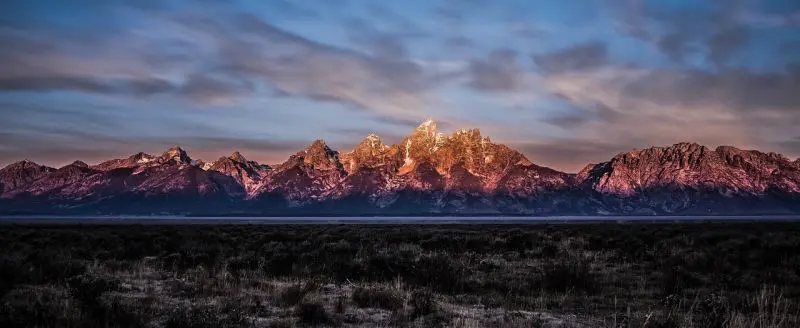
One of the most disturbing things in a landscape image is the tilted horizon. You can be so absorbed in enjoying a breathtaking view that you forget the detail of checking the horizon.
You can use the focus point indicators to check the position of the horizon directly in the camera viewfinder or, if available, the level or bubble function of the camera. Make sure therefore that the horizon is straight or alternatively proceed with post-processing on the computer to fix things once you are home.
Use a tripod to help you keep the horizon straight.
3. Taking the photo without thinking
Another mistake people make when photographing landscapes is to start shooting without thinking about what they are capturing. It’s easy to get carried away by an incredible view in front of you. But if you take the time to think about why your photos aren’t working, your results will improve.
First, just look with your eyes, think about what you want to capture, and then take your photo. This approach of "seeing the scene" first can help you take better photos instead of grabbing the camera and shooting without thinking about what you’re photographing.
It should be somewhat of a return to analog film photography, when you tried to avoid bad photos: exposures on a roll of film weren’t infinite and developing photos was expensive.
4. Shooting flat and uninteresting scenes
Imagine the landscape scene of your dreams is right in front of you and you start photographing the beautiful view. When you check your images, you find they look boring and uninteresting.
So you wonder why they aren’t like how your eyes saw it? An important factor that can make or break an image of that breathtaking landscape is the light. Without directional sunlight in your shots, images can look flat and lifeless with little texture and tone.
On your next landscape photography trip, I recommend paying attention to the light and trying to shoot photos of better-lit scenes. Try shooting photos under different lighting conditions and see how your images change as the light conditions change.
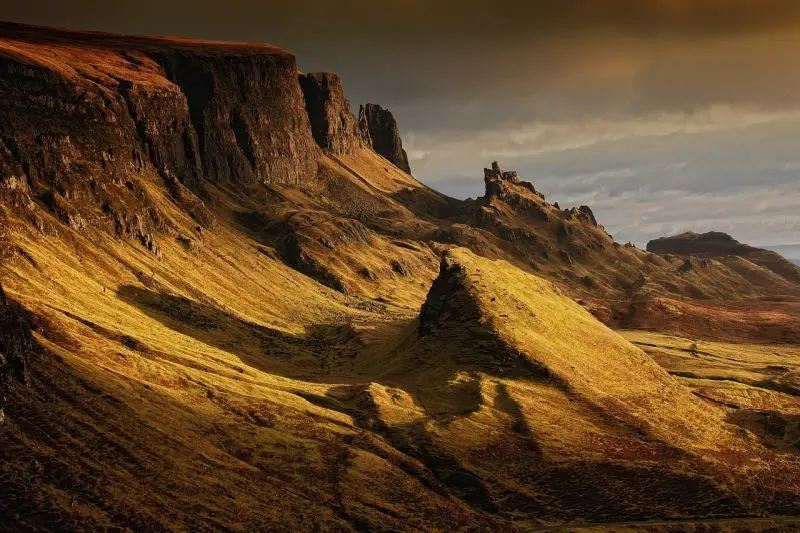
How do they change? Is one better than the other? How do they differ?
Understanding how light influences the outcome of your images is essential to continuously improving your photographic skills.
5. Including distracting elements
Once you’ve found a visually appealing location and have good light, think about composition. Consider which subjects seem interesting and include only those. You won't make the most of a scene if you include unpleasant aspects of the surrounding environment, such as utility poles or overhead power lines.
If you have no choice but to capture these elements in the composition, you can always remove them during post-processing. Editing the photo to remove unsightly elements improves the image and helps focus attention on the important details.
Conclusion
In this article, we have identified five key mistakes as to why your images might not stand out and to help you take better photos on your next photography outing. Now it's time to put these tips to the test, so go out and capture your greatest landscapes.