
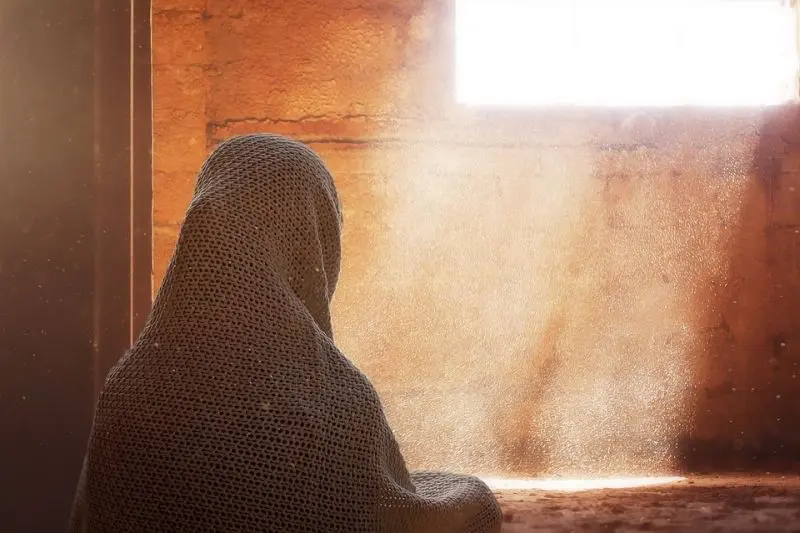
 Often, when we have to photograph using only natural light, the problem we face is its scarcity. Cloudy days, dimly lit environments, and late hours force us to raise the ISO, use a tripod, or open the lens aperture wide.
Sometimes, the only thing we can get is a blurry photo, full of noise, and very different from what we intended.
On the other hand, evenexcess light can be a problem. The question then becomes: “what do I do with all this light?”.
So let's see how to manage excess natural light in our photographs.
Scenario no. 1: intense light flowing through a window
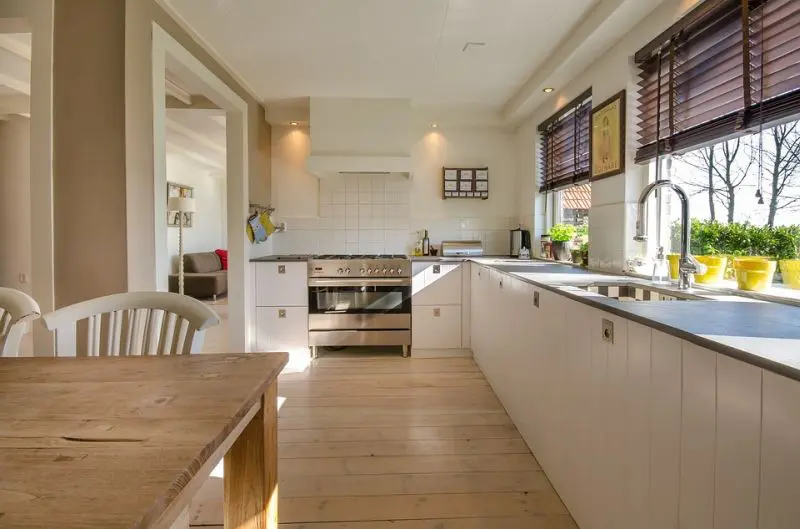
If you shoot interior photographs, the typical situation you might face is the presence of large windows letting in a large amount of natural light flooding part of the room, leaving the more hidden corners in darkness or shadow.
The simplest way to solve this situation is to use the HDR. However, in some cases, it is not possible to use a tripod or draw the curtains. Under such conditions, the only solution is to change our perspective using the elements present (furniture, people, ...) to block some of the light and achieve more even lighting.
Scenario no. 2: bright afternoon sun
On family outings or special occasions, it can be difficult to get people to move. You have to deal with the shadows and squinting eyes caused by the intense summer sun. And what if you don't have a flash? (check out our article on fill flash here).
A photograph in such conditions can turn out quite flat, with little depth.
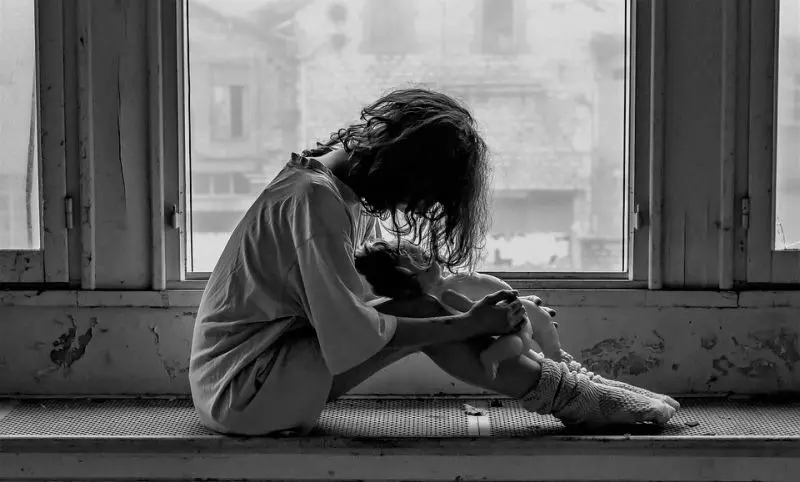
This is if we look at the image in color! Have you tried considering your image in black and white?
The advantage of black and white is that it allows you to hide faded colors and reduces the effect of dull whites. It’s an option to consider when working in such challenging lighting conditions.
Scenario 3: intense light spots
In some situations, the light is correct in some parts of a scene, but in others it is simply too bright and creates reflections that you obviously don’t want in your photographs. In this situation, you can use HDR again.
However, there are other options to consider, such as using a flash to fill in the shadows created during lighting balancing. Another way to mask the lights is to use a “ viewer manipulation" trick to divert the viewer’s attention from distracting elements.
For example, by including a subject in motion: in the image below, the attention is focused on the wine being poured, while the bright spots in the background are softened.

Conclusion
Light is both a blessing and a challenge when taking photographs. Sometimes you’ll have to think quickly. You’ll need to find ways to solve problems and manage lighting effectively.
There are many ways to create photographs, even in the most difficult situations, so try to think carefully about the scene in front of you. Try to be creative when handling difficult situations.



