
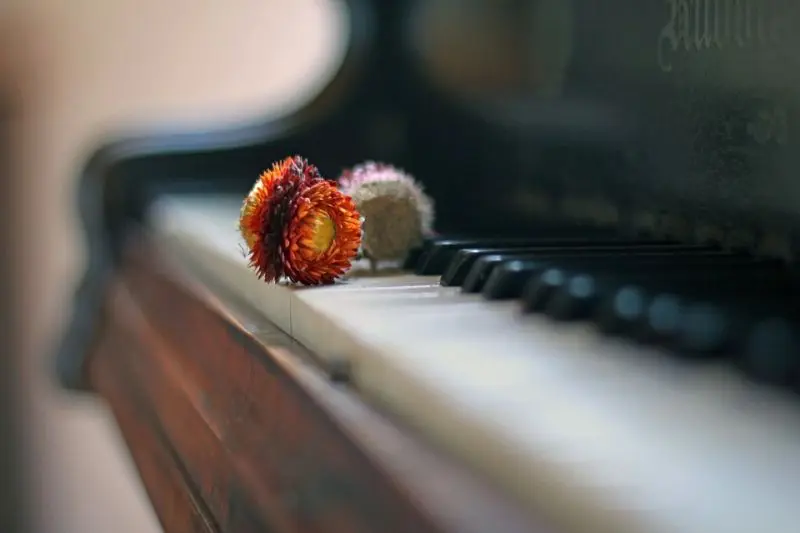
The depth of field (or DoF– Depth of Field) is determined by the aperture. But if it depended only on this factor, things would be very simple (and the article would already be over!).
In reality, there are other factors to consider besides the aperture that determine the depth of field in your photograph.
First of all: what do we mean when we talk about depth of field? DoF is the area of a photograph that can be defined as acceptably sharp.
Naturally, this area of sharpness extends in front of and behind the chosen focal point and its size depends on:
- Aperture setting
- Lens focal length
- Distance from the camera to the subject
- Sensor size
The transition between what is well defined and what is not is gradual. It is important to learn how to manage the variables to create the desired look in your photographs.
How sensor size affects DoF
The physical size of the camera sensor affects DoF. Unless you change cameras, this is the only variable over which we have no control.
Small sensors, as in phones and compact cameras, offer the maximum DoF. This is one of the reasons why a phone will never be able to fully replace a camera and it is one of the main reasons why people switch from a smartphone to a camera: they are unable to achieve a shallow depth of field with their phone.
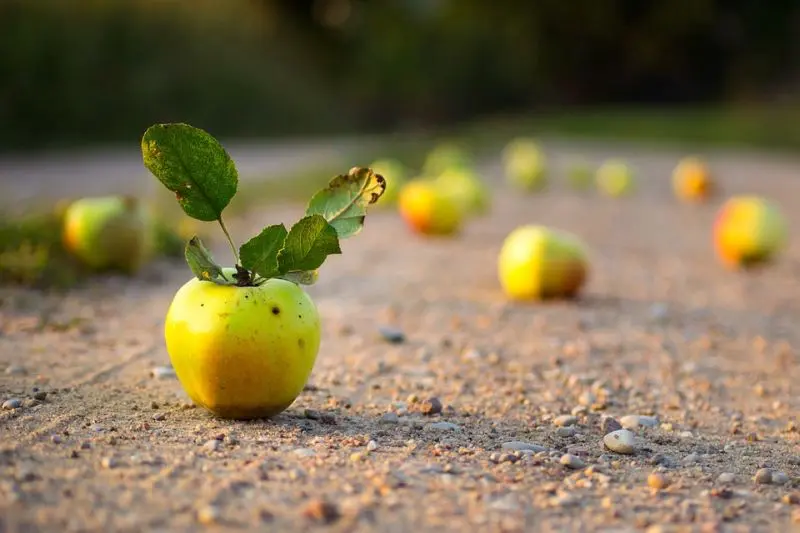
Even though smartphone manufacturers try to achieve the same results (via artificial intelligence), currently the gap between what can be achieved with a phone and with a camera remains large. For small sensors, it seems like a hopeless battle.
How the distance from the camera to the subject affects DoF
The closer you get to the subject, the less DoF you will have at any given aperture setting, with any lens regardless of the camera.
Move further back and your DoF increases. This is why it can be difficult to have enough DoF when taking close-up photos.
Being very close to the subject can mean that not everything is in focus. Using macro and close-up lenses amplifies this problem. Therefore, if you are still using the basic kit lens, you will need to get closer to achieve a shallow DoF.
This is because these lenses do not have a very wide maximum aperture or a long focal length. Remember that DoF extends for 1/3 of the distance from the focal point towards you and for 2/3 beyond the subject.
How the lens focal length affects (apparent) DOF
The longer the focal length of the lens used, smaller the shallower the DoF will be. But in reality, it does not change.
If you take photos of the same subject with two lenses of different focal lengths, the images taken with the wider lens appear to have a deeper DoF.
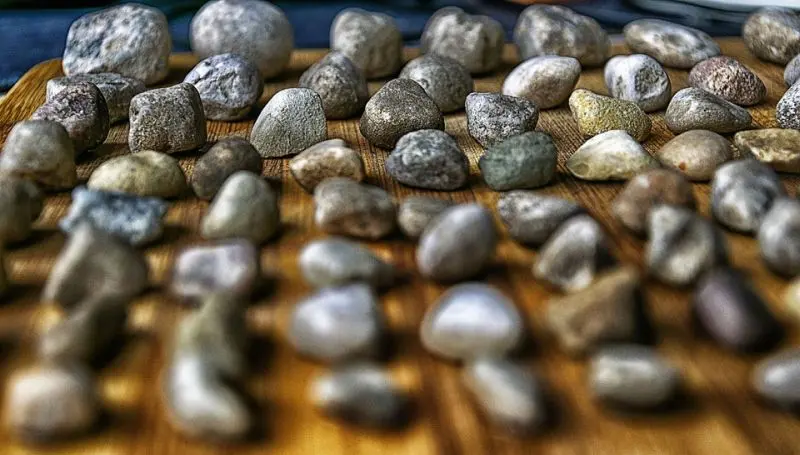
If the aperture remains constant, cropping the image taken with the wider field of view so that elements in the images are the same size, you will not see any real difference.
How does aperture affect depth of field?
The aperture is an adjustable opening inside a lens. Along with ISO and shutter speed, the aperture allows you to define and control the amount of light entering the camera. A smaller aperture setting lets in less light than a wider setting.
The settings are measured in f-stop. Adjusting the aperture setting (changing the f-stop value) controls not only the amount of light entering but also the depth of field (DoF).
Changing the aperture is the most common way photographers choose to control DoF. The wider the aperture, the shallower the depth of field. So, the lower the chosen f-stop number (e.g., f/1.4), the less of the image area will be acceptably sharp.
By choosing a narrower aperture, a higher f-stop number (e.g., f/22), you will make the in-focus area of your photo wider (see here the issues you might encounter by choosing apertures that are too small).

Lenses are made with different maximum apertures. Typically, a kit lens will have a maximum aperture around f/3.5 when zoomed to its widest focal length.
This value changes as you zoom in. Therefore, the widest f-stop at the longest focal length might be only f/6.3.
Prime lenses usually have a wider maximum aperture. The famous 50mm lenses have f-stop settings of f/1.8, f/1.4, or even wider.
How can you see the DoF when composing a photo?
Cameras with viewfinders or screens digital will display the DoF as it will appear in the photo. Due to their small size, it can be difficult to see clearly without zooming in.
Cameras like DSLRs with optical viewfinders will not let you see the DoF effect unless you use the DoF preview button (if available). This is because the aperture is automatically set to the widest possible.
It is adjusted to the f-stop you have chosen while you press the shutter button. Otherwise, if you use small apertures, the image would appear dark in the viewfinder and you might have difficulty composing correctly.
Manage your depth of field well
Maintaining balanced all these variables can seem complicated. But it is important to know how each of them affects the DoF so you can manage it well in your photos.
To help you understand how every aspect of DoF works, try taking some photos and experimenting with different settings.

Not to take beautiful photos, but to understand how changing each one affects the look of your images. Compare the photos side by side on your computer and note the differences in DoF. Check the EXIF data so you can see what the aperture and zoom settings were.
Working through an exercise like this will help you learn to control depth of field and make the adjustment automatic when you are out shooting.



