
The word “photography” derives from the combination of 2 Greek words: photo (phos) and graphy (graphis), so literally “photography” means drawing with light. The latter is therefore the essential element to be able to take an image; without it, we could not speak of photography.
A team of astrophysicists, probably having nothing better to do, decided to try to calculate the amount of light emitted by stars throughout the entire history of the universe (13 billion years).
These astrophysicists from Clemson University have estimated that the stars in the universe number at least one trillion billion, and thanks to data collected by the "Fermi" telescope, they reported that the light emitted by all these stars over their history equals 48x10 to the 84th (that is, 48 followed by 84 zeros) photons (the smallest unit of light)
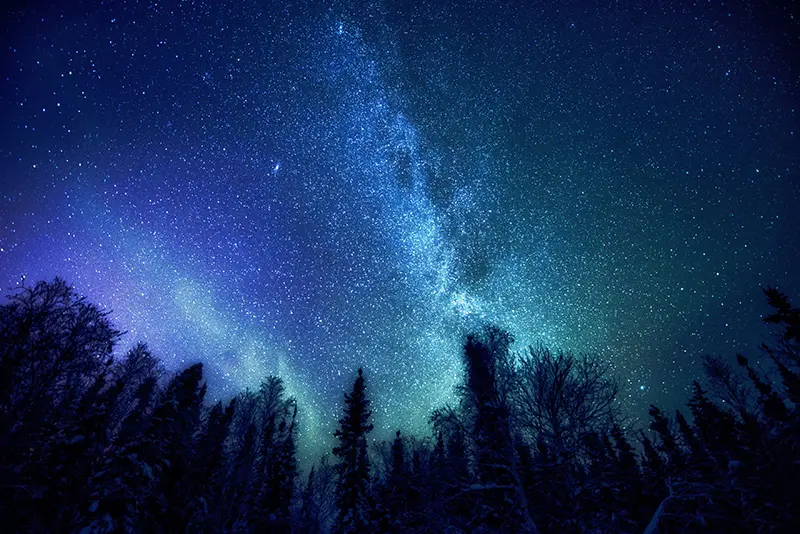
Astrophysicists then explain that at night, apart from the moon and the Milky Way, there isn't actually that much light reaching the Earth because most stars are inside galaxies too far from us and their light arrives like a dimmed light bulb.
I would like to understand what drove these researchers to spend months of calculations and measurements to calculate the amount of light emitted throughout history by the stars but perhaps I'm missing something! The real purpose of these people is probably to understand what really happened during the Big Bang, will they succeed?



