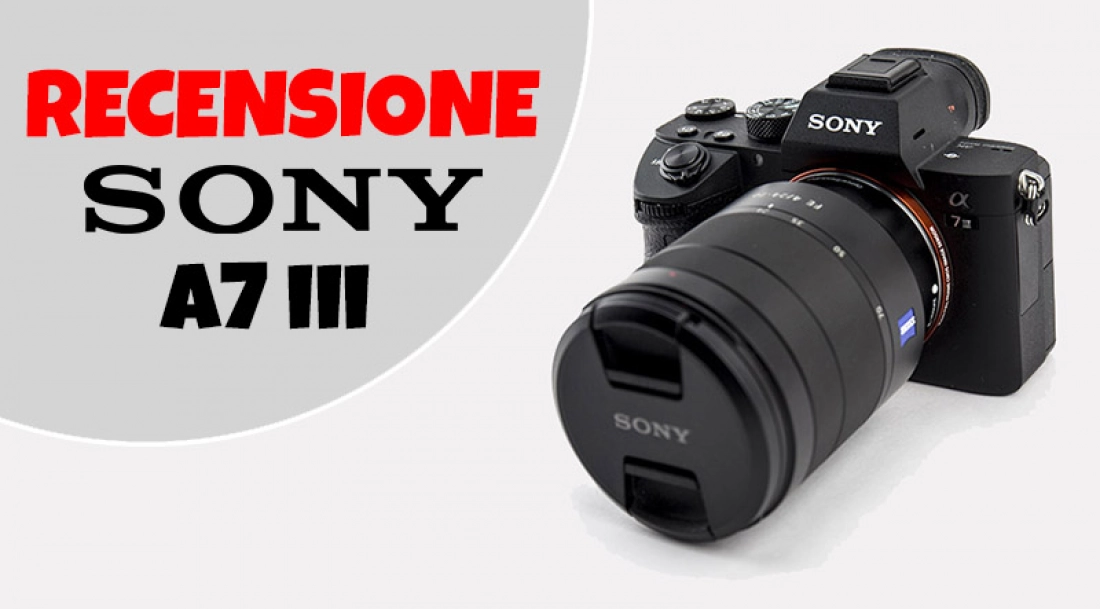
The camera market mirrorless has taken over, effectively surpassing that of classic DSLRs. In the coming years, we will probably see a further increase in this gap, although I am certain, at least for now, that DSLRs will never truly die out.
In the mirrorless sector, there is a company that started years ago, well ahead of everyone else, studying its development and is currently the leader in this field. I am talking about Sony which now has several models on the market and certainly has no intention of stopping.
In the past month, I had the pleasure of testing a gem of a mirrorless camera, which is the Sony A7 III, considered by Sony as a "basic" full-frame mirrorless but with features that certainly do not envy its bigger siblings. So here is my field test of the Sony A7 III, a camera with many strengths and few weaknesses. Let's look at them together.
Main features:
- 24-megapixel full-frame CMOS sensor
- Autofocus covering 93% of the available surface with 693 phase-detection points
- 4K video at 30 fps
- 5-axis in-body image stabilization
- 10 frames per second burst shooting
- 2.36 million pixel electronic viewfinder
- Joystick for focus control
- Touchscreen
- Long-lasting battery (about 700 shots)
- Dual memory card slots
- USB-C port
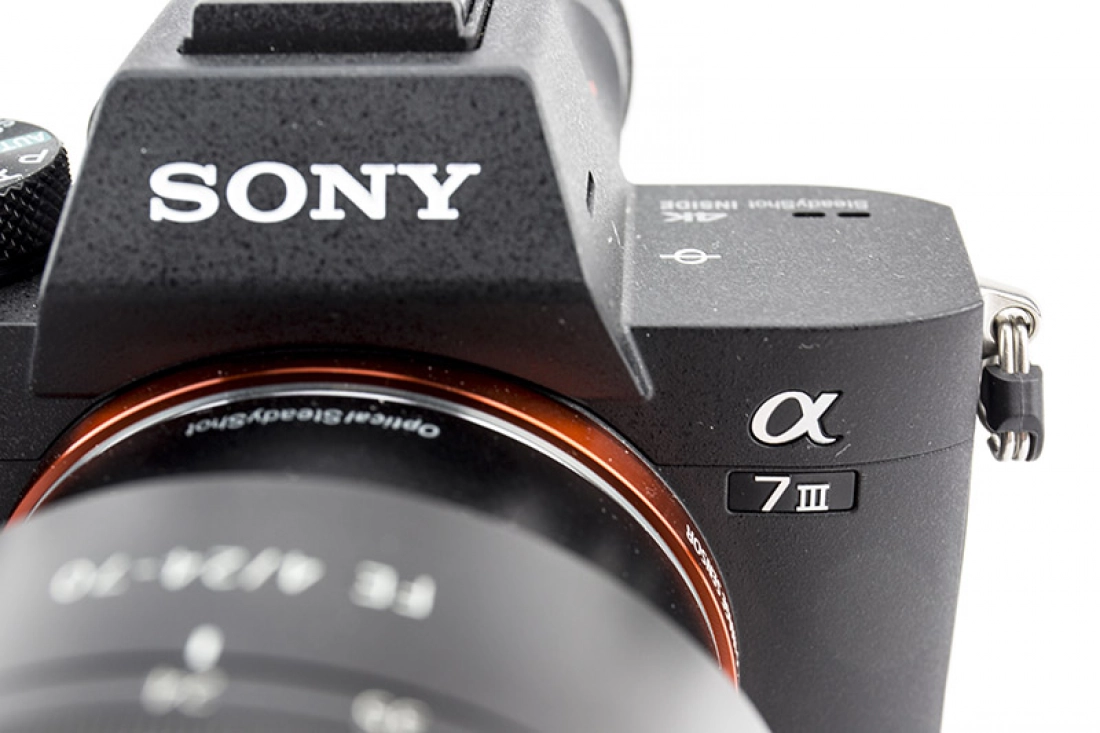
Differences compared to previous and higher-end models:
Compared to the previous A7 and A7 II models, the new Sony A7 III has improved practically everywhere starting first and foremost with the new CMOS sensor. This sensor, although having the same resolution as the A7 II, is completely redesigned to ensure excellent performance in bright light conditions and also in cases of low light.
Not only that, the new (back-illuminated) sensor of the Sony A7 III is paired with the latest generation BIONZ X processor which allows data to be read in half the time compared to before, a great leap in quality.
But the sensor is not the only area where a big leap was made. On the Sony A7 III, the system has definitely been improved the AF system and the focus points have even reached 693 compared to the "mere" 117 of the Sony A7 II.
Another important improvement compared to previous models concerns the battery life. On the Sony A7 III, a "Z-TYPE" battery has finally been installed which guarantees over 700 shots, exactly double compared to before! The dual memory card slot has also been appreciated and provides an additional possible backup for photos.
Here is a simple comparison table with the features of the Sony A7 III, the previous A7 II model, and the higher-end A7R III model
| Sony A7 III | Sony A7 II | Sony A7 RIII | |
| Resolution | 24 MP | 24 MP | 42.4 MP |
| Sensor type | Back-illuminated | Front-illuminated (FSI) | Back-illuminated |
| Stabilizer | In-body - 5 STOPS | In-body - 4.5 STOPS | In-body - 5.5 STOPS |
| Burst | 10 shots | 5 shots | 10 shots |
| LCD resolution | 0.92 million dots | 1.23 million dots | 1.44 million dots |
| Touchscreen | YES | NO | YES |
| Electronic viewfinder resolution | 2.36 megapixels | 2.36 megapixels | 3.69 megapixels |
| Video | 4K - 30 fps | 1080/60 fps | 4K - 30 fps |
| Battery life | 710 shots | 350 shots | 650 shots |
| Weight (battery included) | 650 grams | 600 grams | 657 grams |
| Indicative price (body only) | See all offers | See all offers | See all offers |
Ergonomics and controls
Sony mirrorless cameras have always stood out for being lightweight and easy to hold. However, this last characteristic has not been entirely appreciated by those who, like many, have fairly large hands and did not feel comfortable with such small cameras.
Sony has finally started listening to the many user feedbacks and with the Sony A7 III has definitely improved ergonomics and grip by slightly increasing the weight and size compared to the previous model but allowing anyone to hold the camera firmly in their hands thanks also to a significantly improved grip.
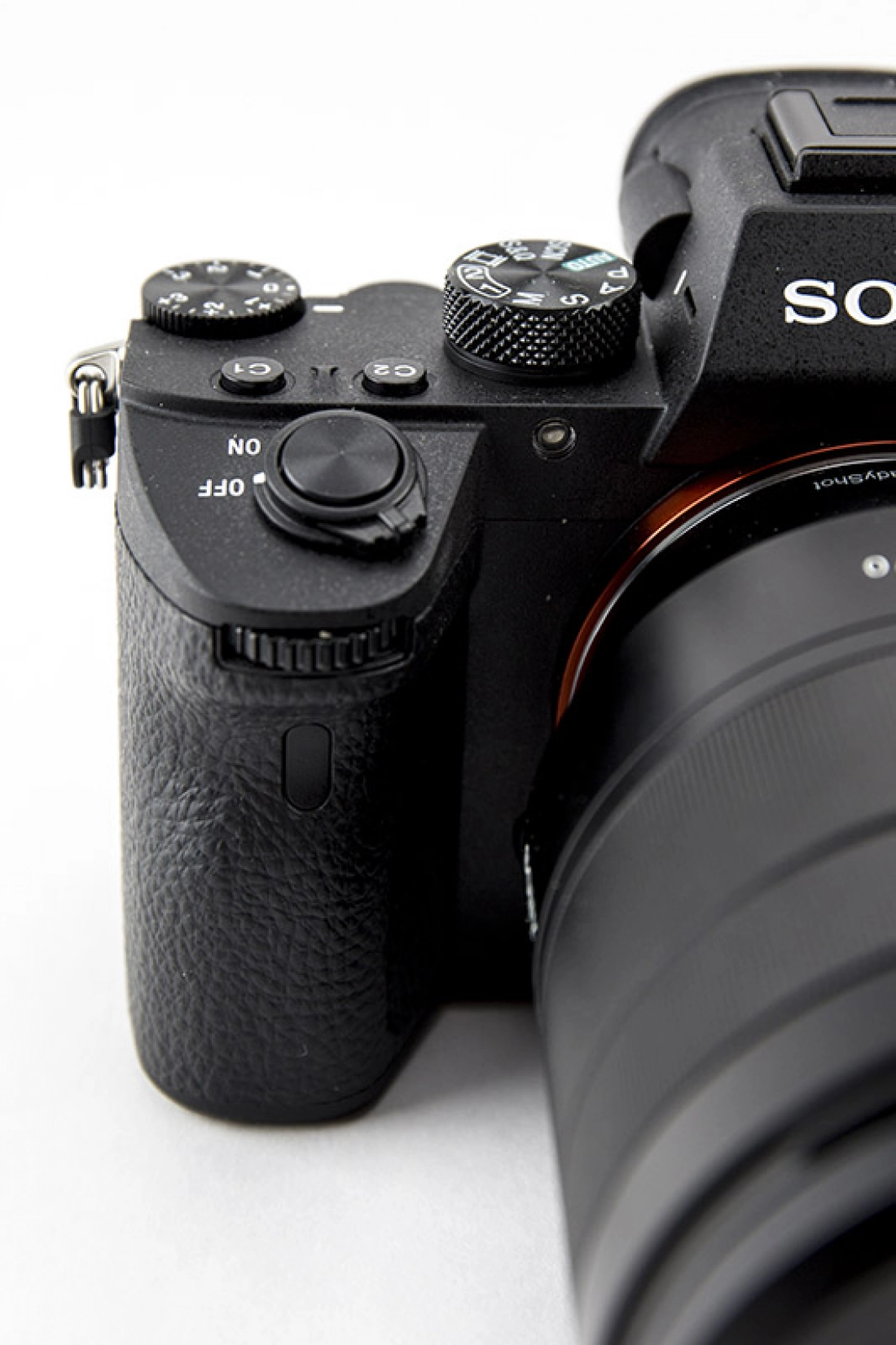
One thing Sony could improve regarding the grip is the distance between the fingers of the right hand and the lens. In the case of bulky lenses, the space for the fingers is really limited, although it is definitely a big step forward compared to the past.
The increase in size also allowed the use of a battery 2.2 times larger than before, effectively extending the duration to over 700 shots. Not bad!
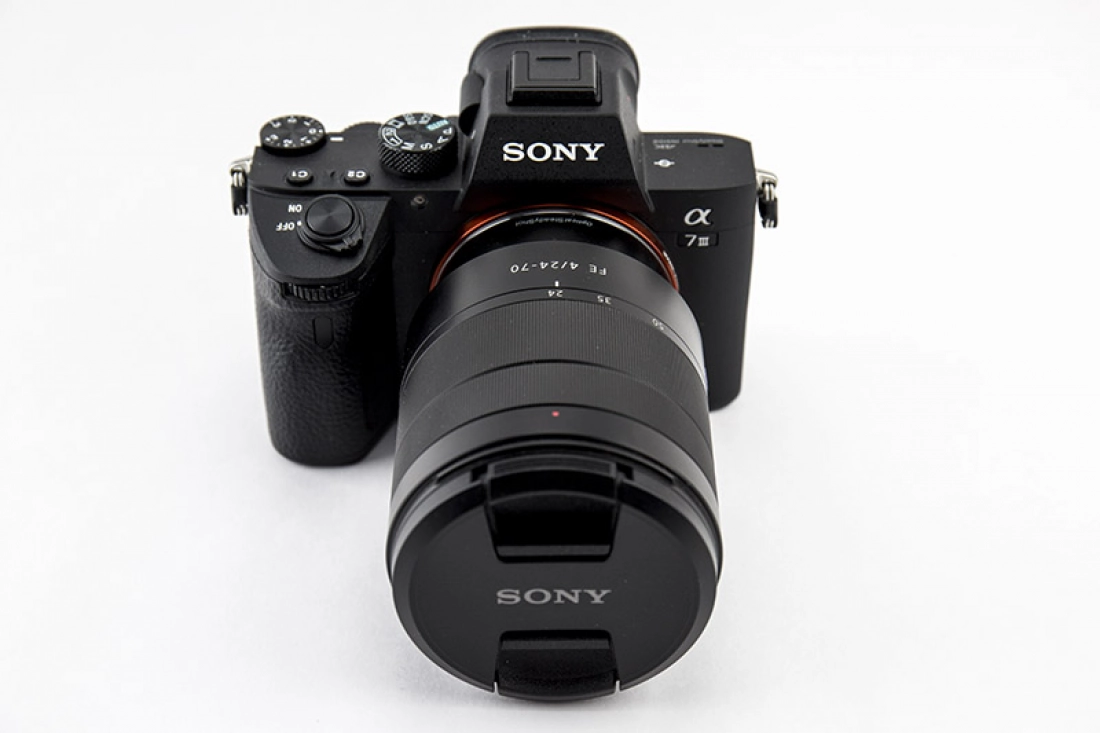
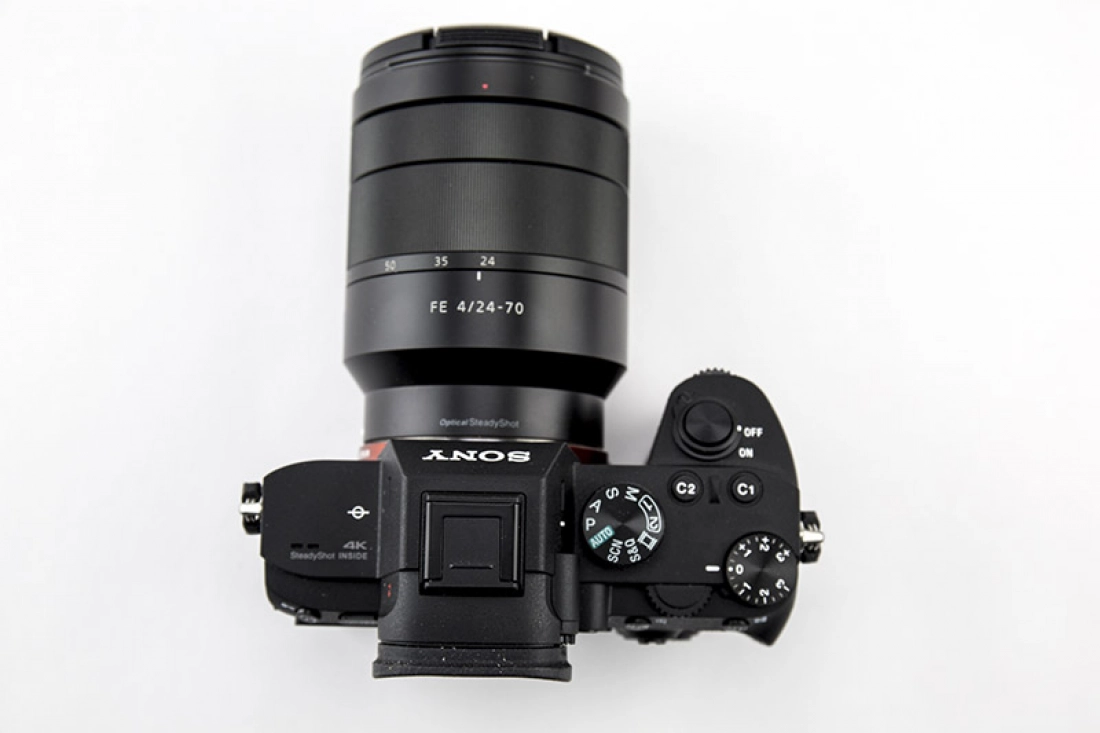
On the top of the Sony A7 III, we find, in addition to the power button and the shutter button, the mode dial, the exposure compensation dial, and 2 programmable buttons very useful for those who, like me, often work with the same menus.
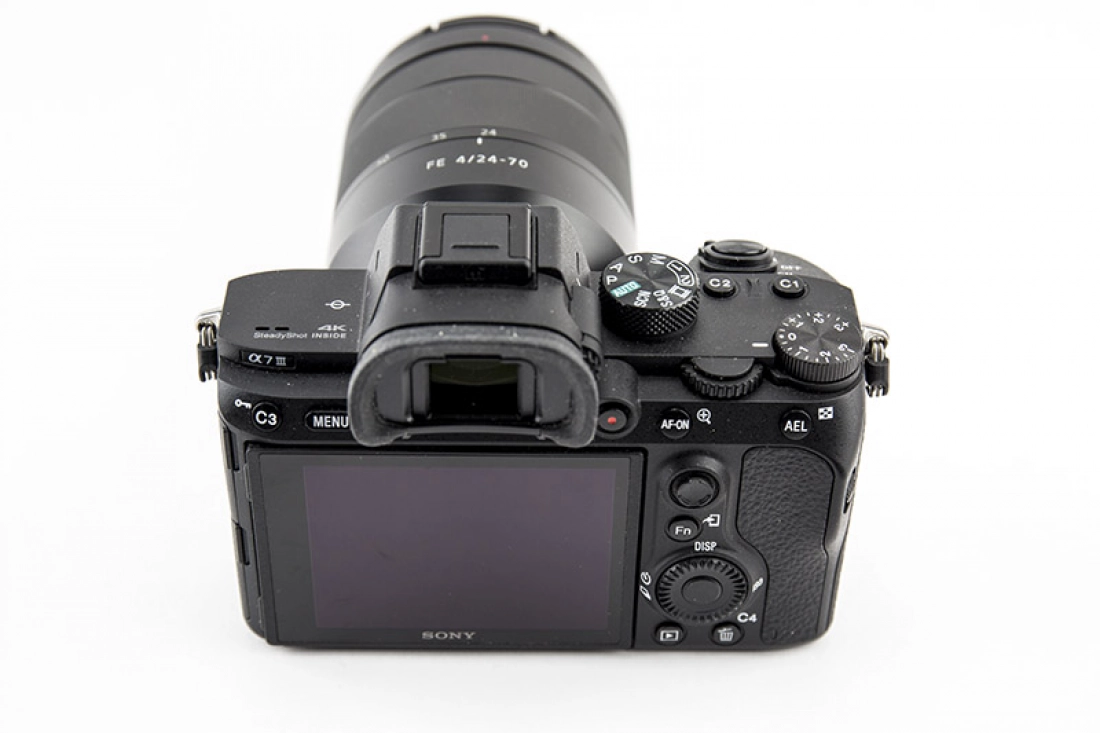
On the back we find a 3-inch diameter LCD touchscreen display with 921,600 dots. The display can be tilted up or down and this is definitely an improvable feature because if it could be oriented in any direction, it would be very convenient for those who do VLOGs.
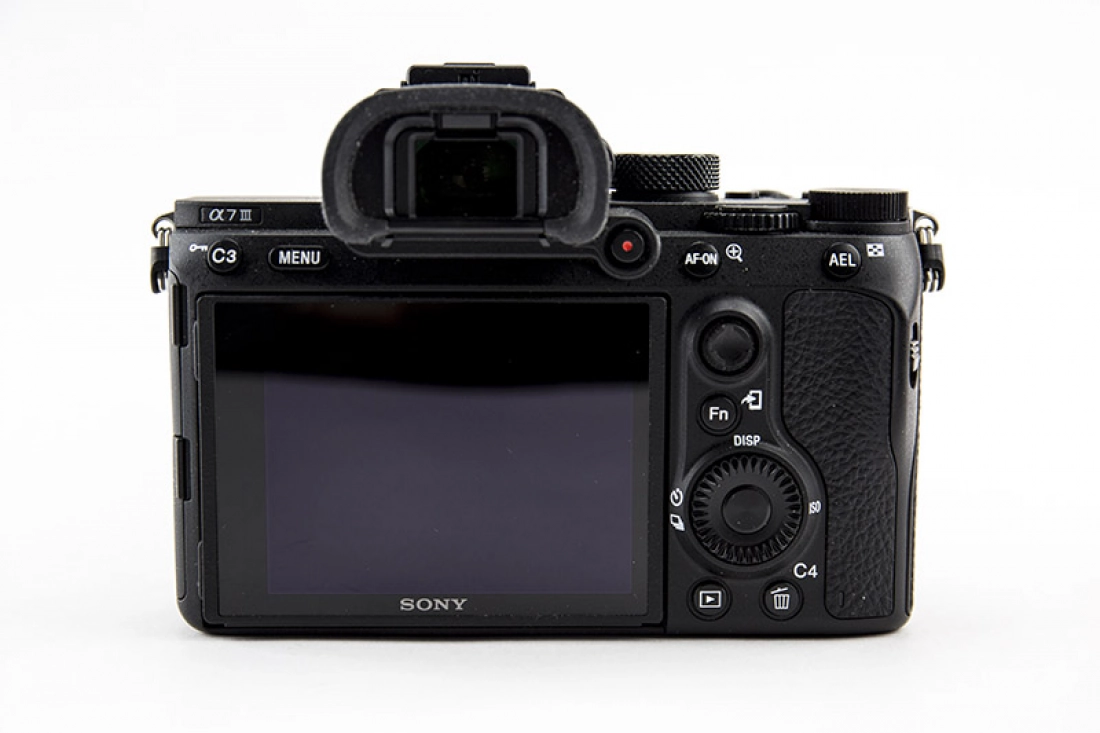
Besides the large display, on the back of the Sony A7 III we find 2 more customizable buttons, the "REC" button very convenient for video recording, a dial to navigate through various menu functions, and a new joystick, very handy for manual focus selection.
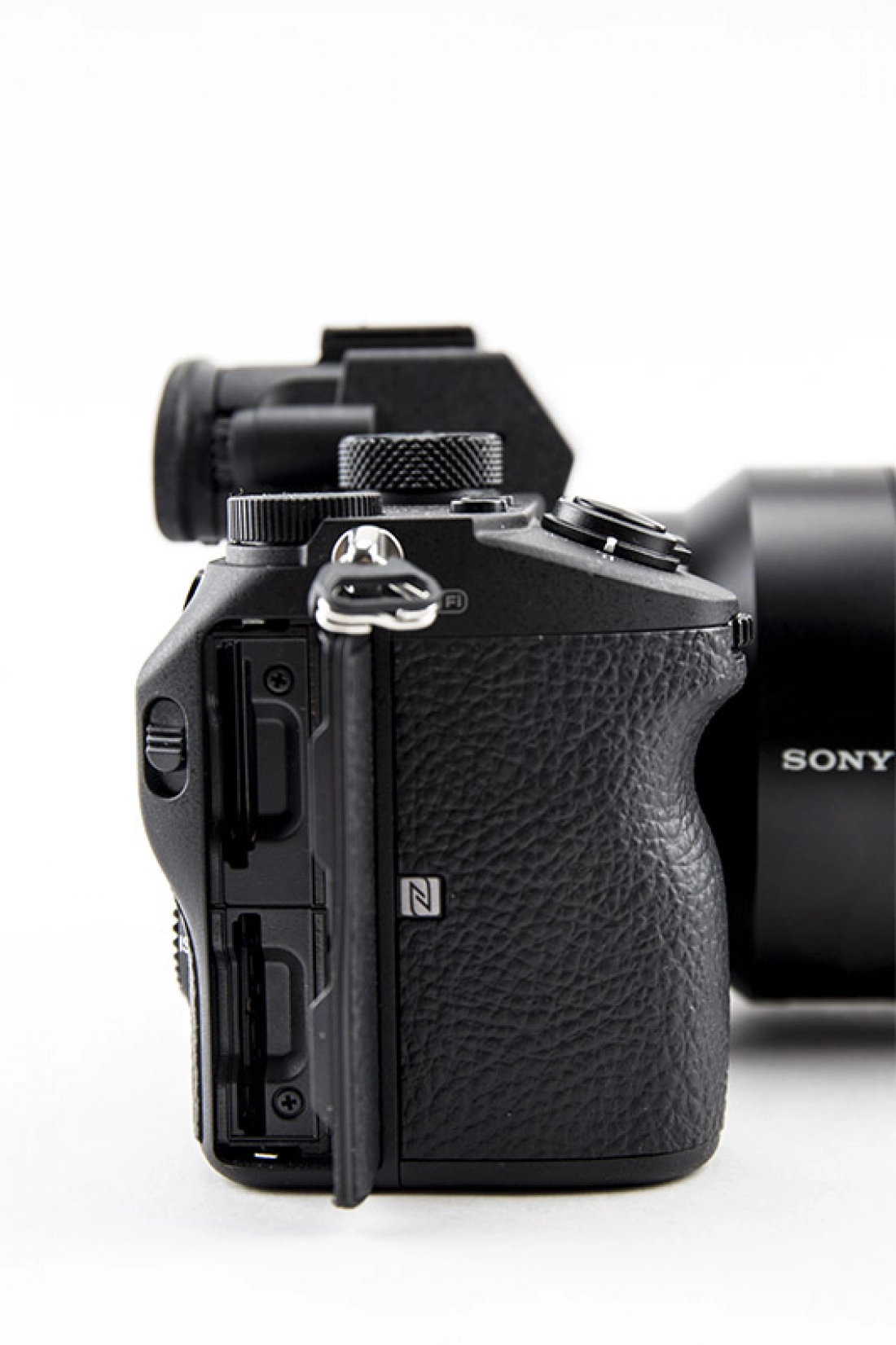
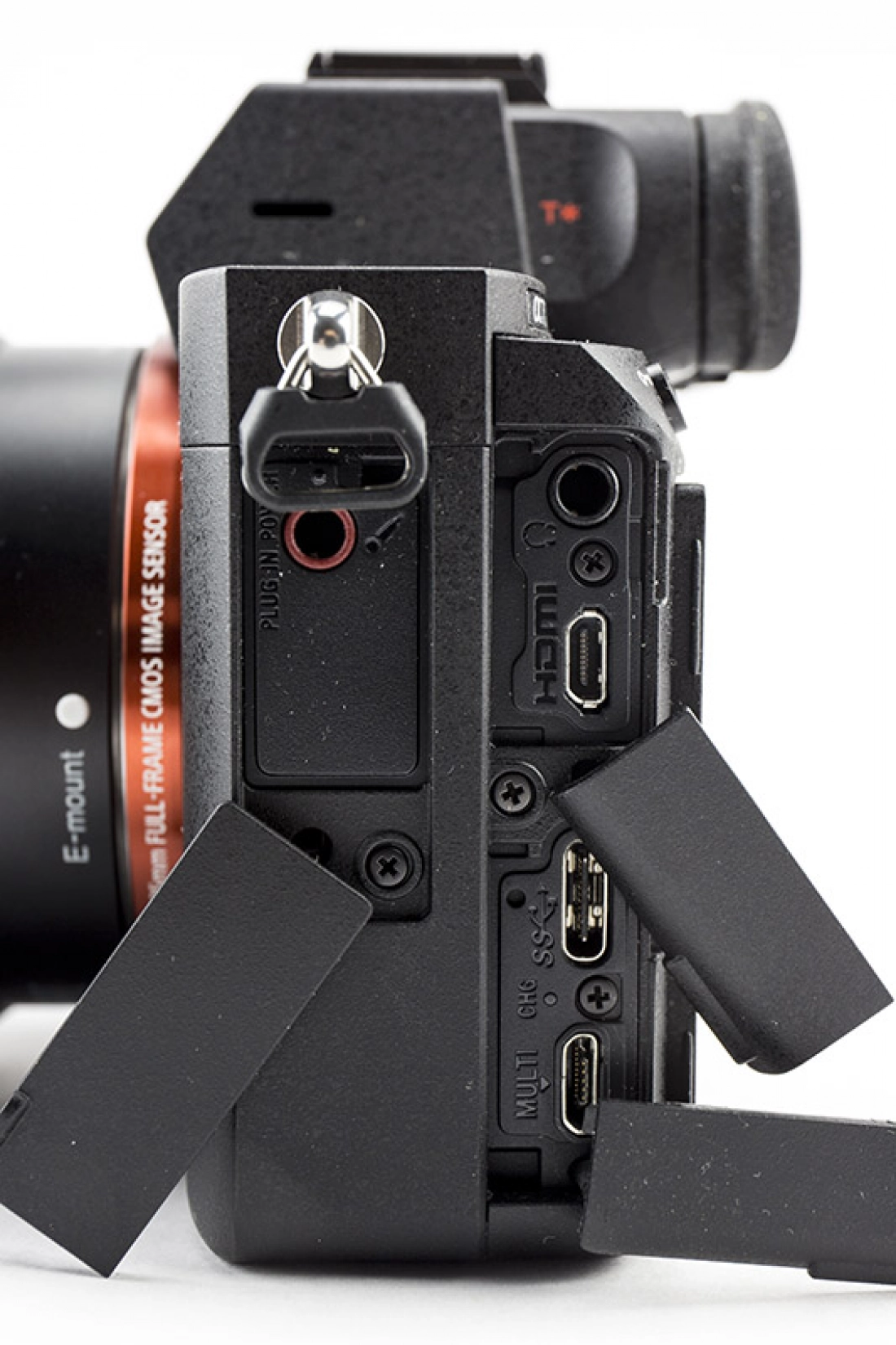
On the side, there is a headphone jack, a microphone jack, a micro HDMI port, a USB-C port for charging, and a micro USB port to connect a power bank. Of course, there is also a slot for memory cards, which can be as many as 2, but only one supports high-speed UHS-II cards.
Electronic viewfinder
As a lover of DSLRs, having always been used to placing my eye on the viewfinder, I still find it hard to get used to electronic viewfinders. I much prefer seeing the light reflected by mirrors (which is more natural) compared to light reproduced on a viewfinder.
This is obviously my personal opinion and should in no way diminish mirrorless cameras!
Aside from this personal consideration, returning to the Sony A7 III, it is equipped with a 0.5-inch electronic OLED viewfinder with 2.36 million pixels and which has been coated with a special ZEISS T glass to reduce reflections.
This electronic viewfinder is in no way comparable to the one mounted on the bigger sister A9 or even the A7R III, but it still performs quite well.
Performance
Thanks to the powerful BIONZ X processor, the Sony A7 III is capable of shooting bursts up to 10 frames per second, an impressive figure, especially compared to the previous model which reached "only" 5 frames.
The internal 5-axis stabilizer guarantees up to 5 stops of compensation and performs excellently both during a photo session and video recording.
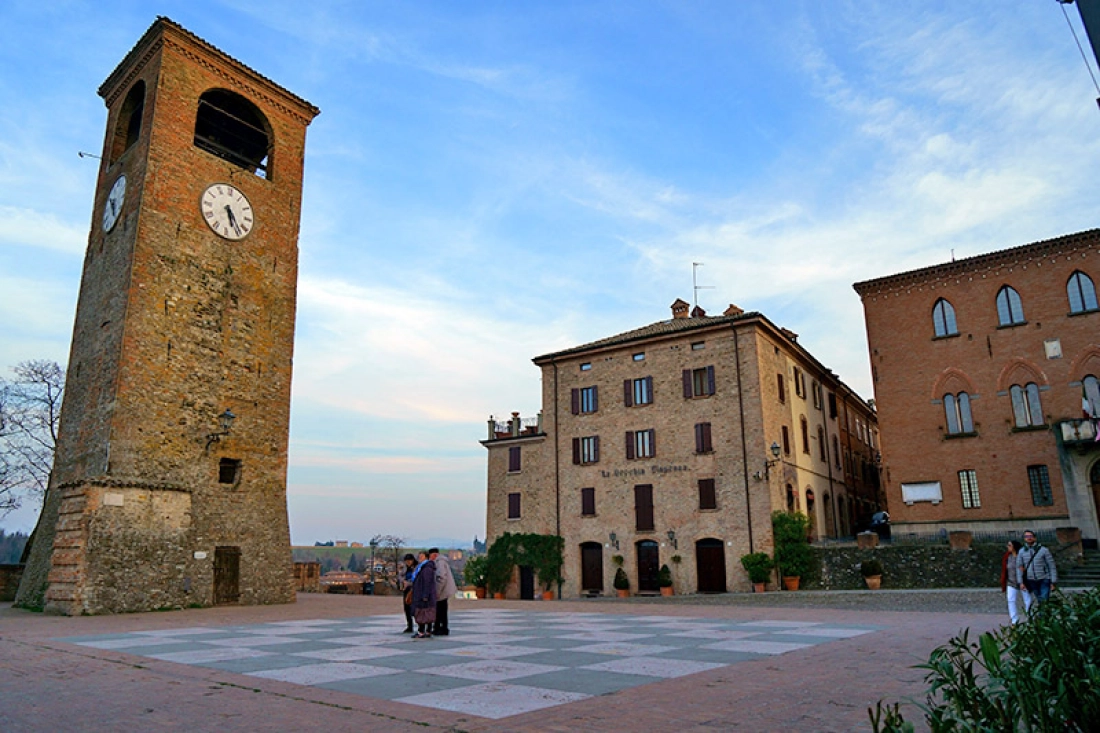
One of the things that impressed me most about the Sony A7 III is definitely the autofocus! It is absolutely one of the best in the mirrorless sector, extremely fast, precise, with 693 autofocus points that cover almost the entire frame.

In AF-C mode (continuous autofocus) the Sony A7 III has the ability to recognize the eye of the person we are framing without losing it for a second, continuously focusing on it. A wonderful feature if you need to photograph children who are always moving. This mode will allow you not to miss a single focus, try it to believe it... it's phenomenal!
Image Quality
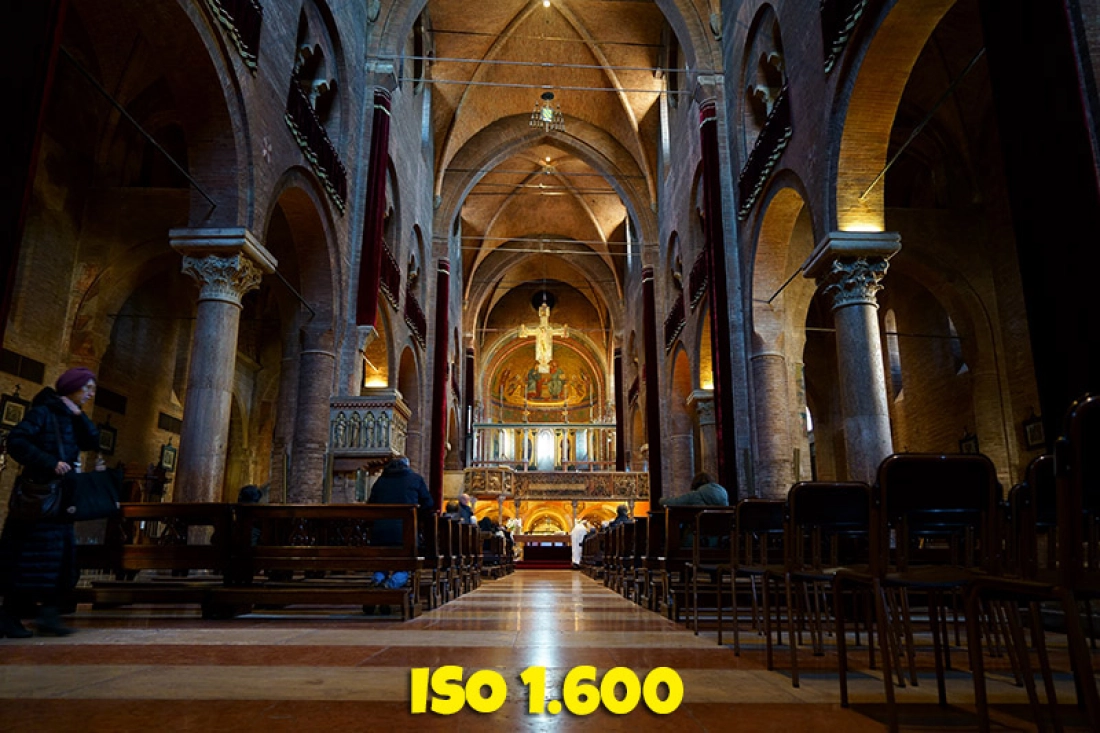
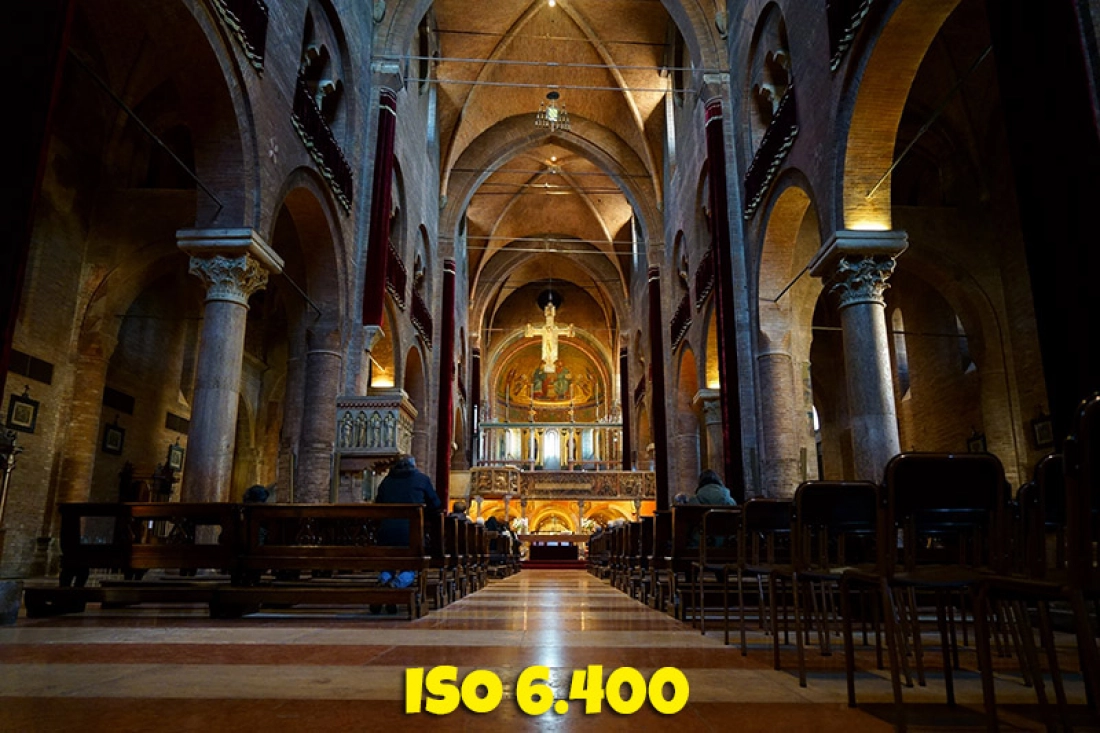
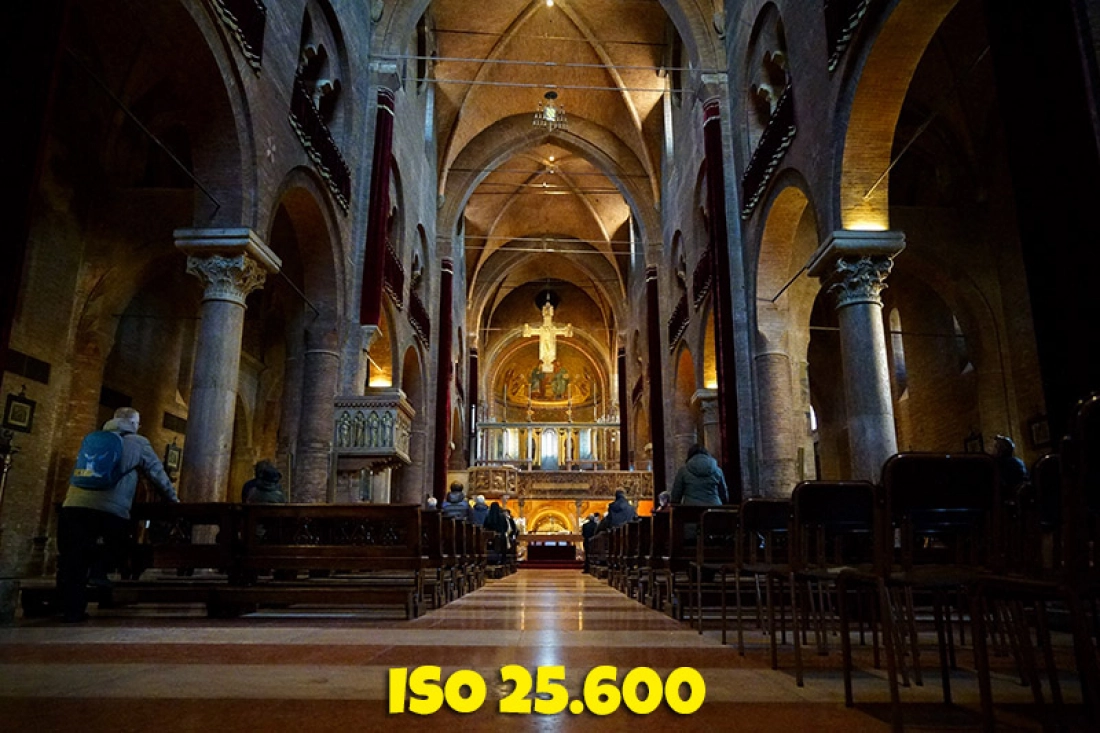
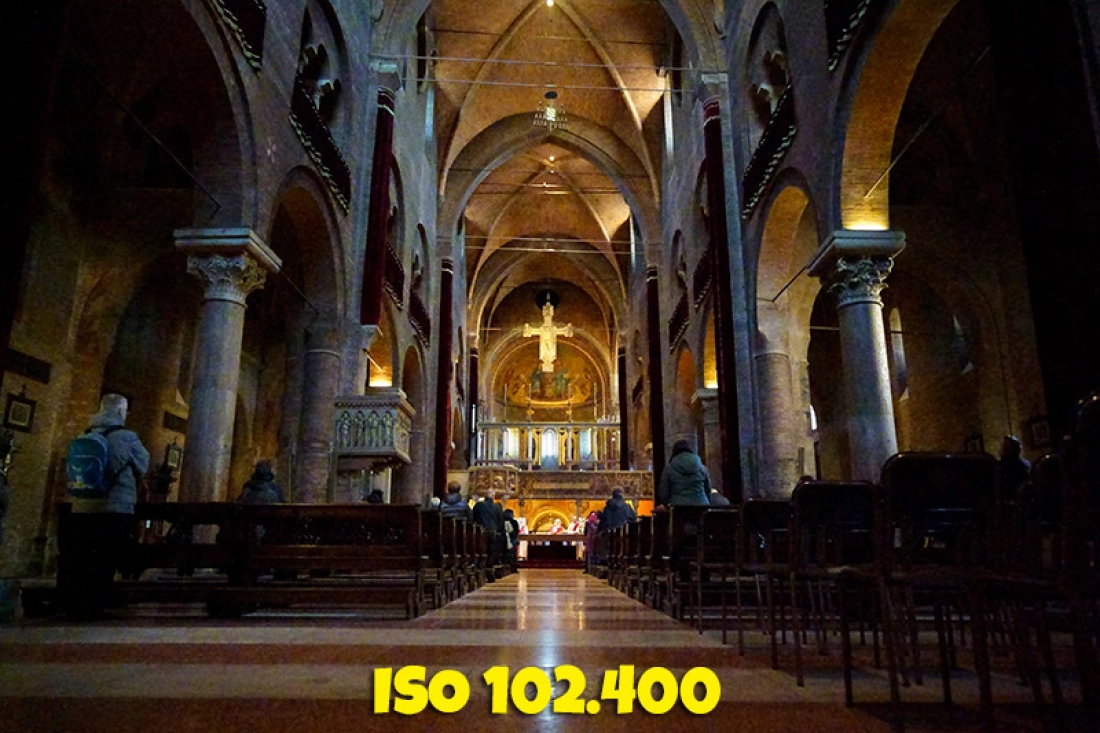
The final image quality of the Sony A7 III is nothing short of impressive. In particular, in low light conditions, this camera performs at its best and you can see this below in the ISO test.

The sharpness of details is excellent, as is the dynamic range. Thanks to the new back-illuminated sensor, the "noise" caused by low light is managed optimally and even at high ISO levels it is barely noticeable.
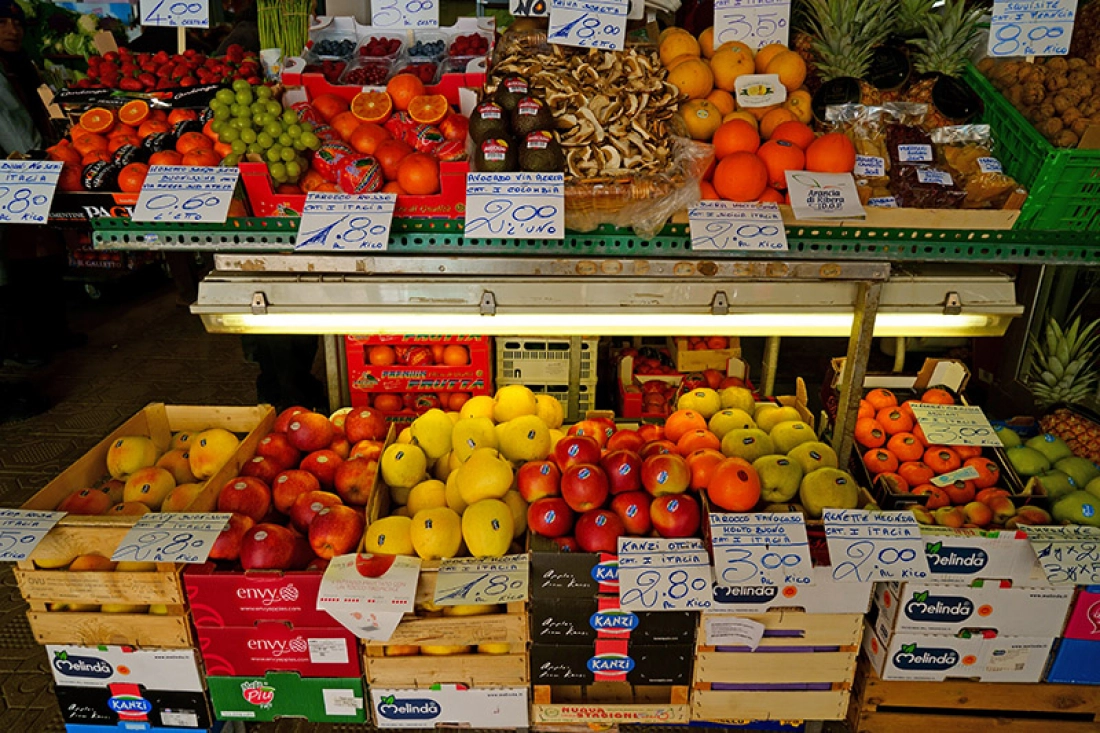
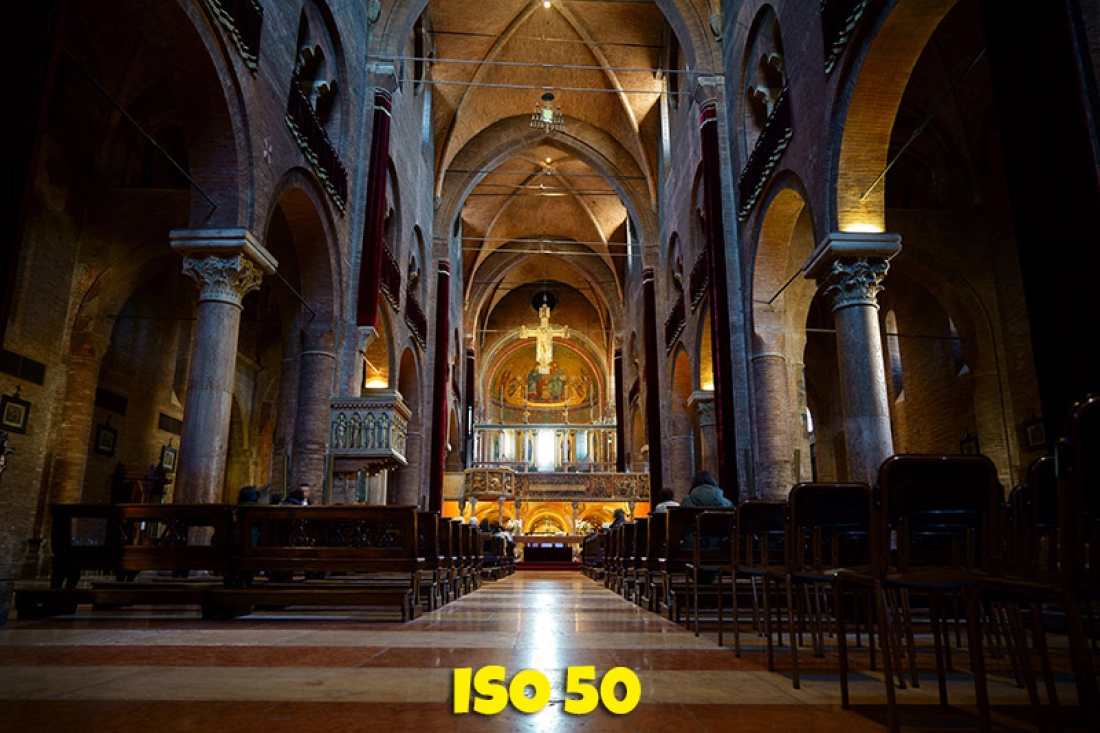
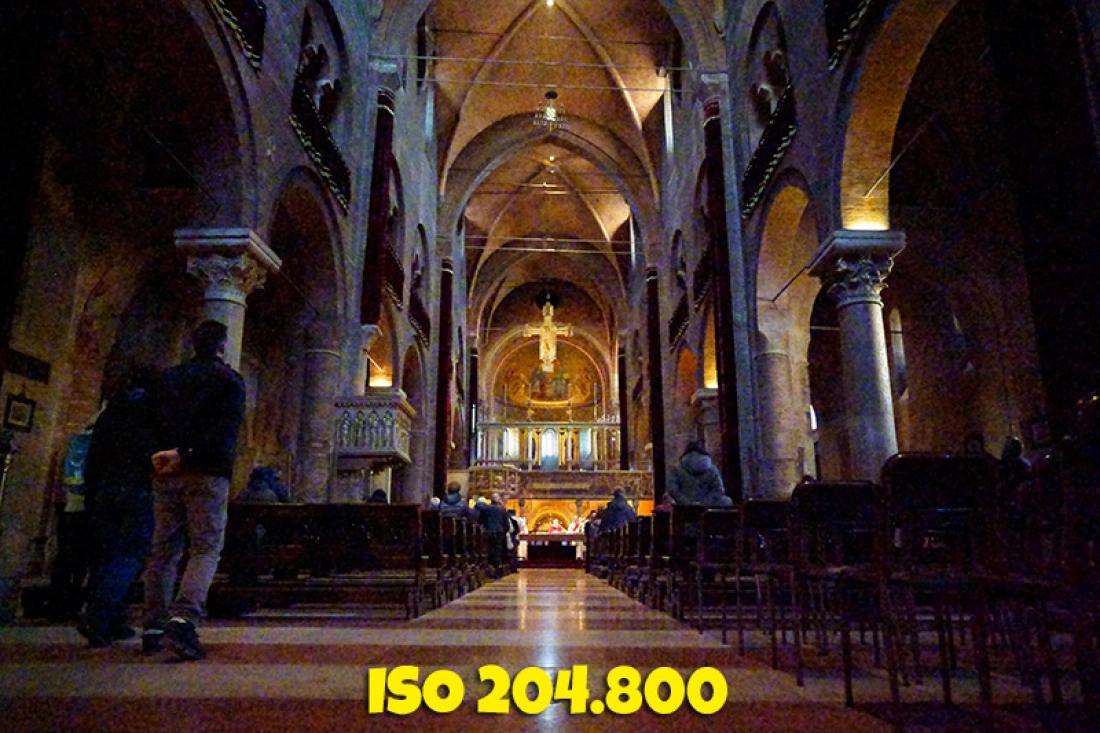
In the test I did inside the Modena Cathedral, you start to see "very slight" noise starting from 25,600 ISO. I wanted to push the Sony A7 III to the limit by shooting at 204,800 ISO, an insane value for photography.
Obviously the image is quite "disturbed" by noise but it still allowed me to shoot almost in the dark with an incredible shutter speed of 1/2000 second. Here is the test:
Video
The Sony A7 III is capable of recording 4K video at 25p without any crop. The final result is excellent and particularly detailed. There is also the possibility to shoot video in FULL HD 1080p in slow motion.
There are not many mirrorless cameras that can boast 4K video recording at 25 frames per second. One of the few cameras superior to the Sony A7 III is the Canon 1DX Mark II, which however costs more than twice as much!
Thanks to this impressive quality also in the video sector, Sony has convinced many videomakers to switch to the Japanese brand for quality, price, weight, and truly unmatched performance.
Below you can see what the Sony A7 III is capable of:
Conclusions - Sony A7 III
After about a month of testing, I can only confirm what I expected to see. Congratulations to Sony for creating a camera with huge improvements compared to the past and for listening to photographers and amateurs about what needed to be changed.
The Sony A7 III is definitely one of the best full-frame mirrorless cameras on the market in every aspect: photo and video quality, weight, price, speed, reliability, a mix of features that make it a very successful product and one that will surely find great success in the market.