
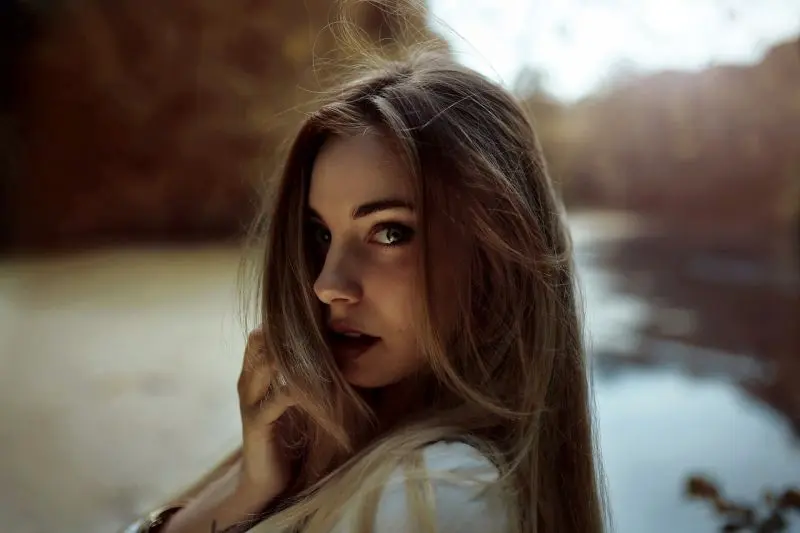
We have seen in previous articles the techniques on how to set the camera for portrait photography and how to create portraits with natural light. However, if we look at the many portraits on social media, we see that more or less they all look alike.
The techniques we learn from books are indeed the same ones everyone has learned, and let's not forget that, unfortunately, those who frequent social media tend to “copy” the photos of the most famous influencers. This means that, if we don't do something different, our portraits risk getting lost in a sea of similar images.
So let's see some tip for achieving stunning unconventional portrait images.
Change the perspective
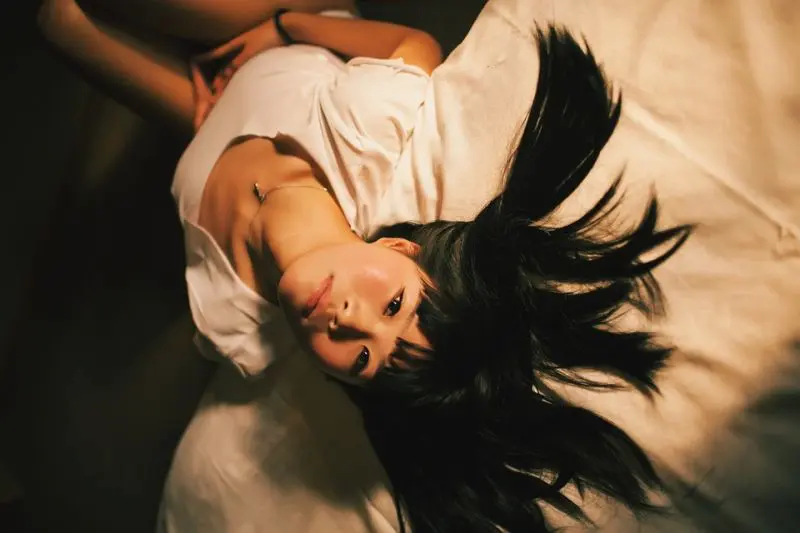
Most portraits are taken with the camera positioned at the subject's eye level. Although this is normally a sensible practice, completely changing the angle from which you shoot can give your portrait something different. Stand up high or get as close to the ground as possible and shoot.
In both cases, you will see your subject from an angle that is bound to create interest.
Play with eye contact
It's amazing how the direction of the subject's eyes can influence an image. Most portraits have the subject looking down the lens – something that can create a real sense of connection between a subject and those viewing the image. But there are a couple of other things to try:
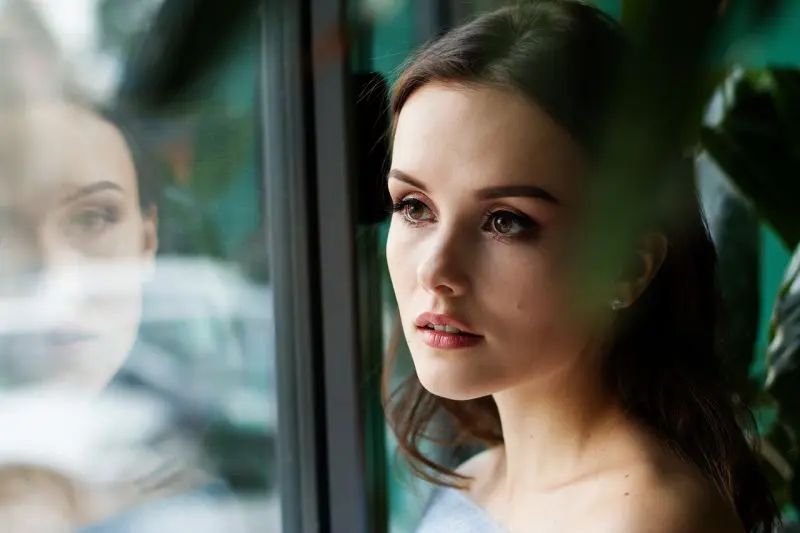
- Looking away from the camera: have your subject focus their attention on something invisible and outside the field of view of your camera. This can create a feeling of sincerity and also generate some intrigue and interest as the viewer wonders what they are looking at. This is particularly intriguing when the subject shows some kind of emotion (for example, "what makes them laugh?" or "what makes them look surprised?"). Remember that when you have a subject looking out of frame, you can also draw the viewer's eye to the edge of the image – taking them away from the point of interest in your shot – the subject.
- Looking inside the frame: alternatively, you could have the subject looking at something (or someone) inside the frame. A child looking at a ball, a woman looking at her newborn baby, a man eagerly looking at a large plate of pasta... When you give the subject something to look at within the frame, you create a second point of interest and a relationship between it and your main subject. It also helps create a "story" within the image.
Breaking the composition rules
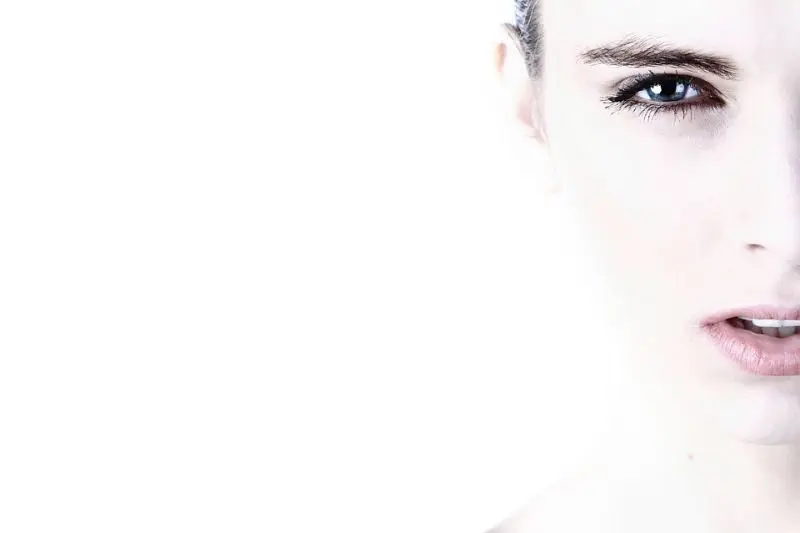
There are lots of "rules" when it comes to composition. The rules should be known and used at the right time, but also understanding how to break them to achieve something different as this can lead to exceptional results.
The rule of thirds is one of the rules that might need to be broken: if placing a subject or point of interest along one of the guidelines helps increase the subject's importance and direct the image, sometimes doing something different, like creatively positioning the subject right on the edge of a shot, can create something unexpected and therefore interesting.
Another "rule" often mentioned in portrait photography is giving space to the subject to consider. This can work very well, but again, sometimes rules are made to be broken.
Experiment with lighting
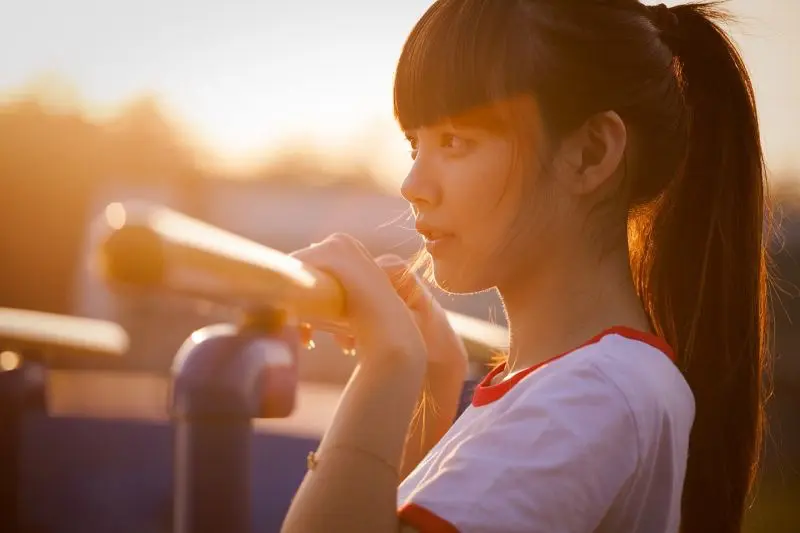
Another element of spontaneity you can introduce in your portraits is the way you light the subject. There are almost unlimited possibilities when it comes to using light in portraits.
The side lighting can create atmosphere, backlighting and shaping the subject to hide their features can be powerful. Using techniques like slow sync flash can create an impressive wow factor.
Move the subject out of their comfort zone
If the subject always stays in their comfort zone, they will never try anything new and the shots will be more or less similar to previous ones. All shots will be rather standardized, but there will be nothing that truly sets them apart from the crowd.
“Push” your subject to do something new. The shots will be surprising and quite fun. Even if all this might seem a bit "silly," the series of out-of-the-box images you get will be something you'll want to show
Shoot “secretly”
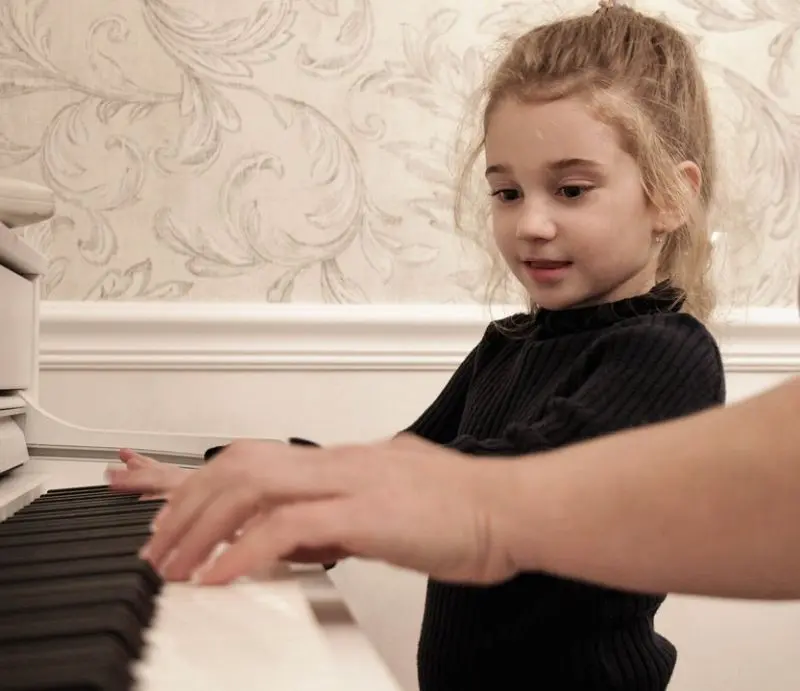
Sometimes overly posed images look, indeed, posed and unnatural. Some subjects don’t feel comfortable in such conditions and the result won’t be good. An approach like “candid camera" can therefore work better.
Photograph your subjects at work, with their family, or while doing something they love. This will make them more comfortable and you can then get some special images with them reacting naturally to the situation they are in.
You might also want to use a longer zoom lens to get out of their immediate zone and "paparazzi" them from farther away. This can work especially well when photographing children.
Adding another point of interest
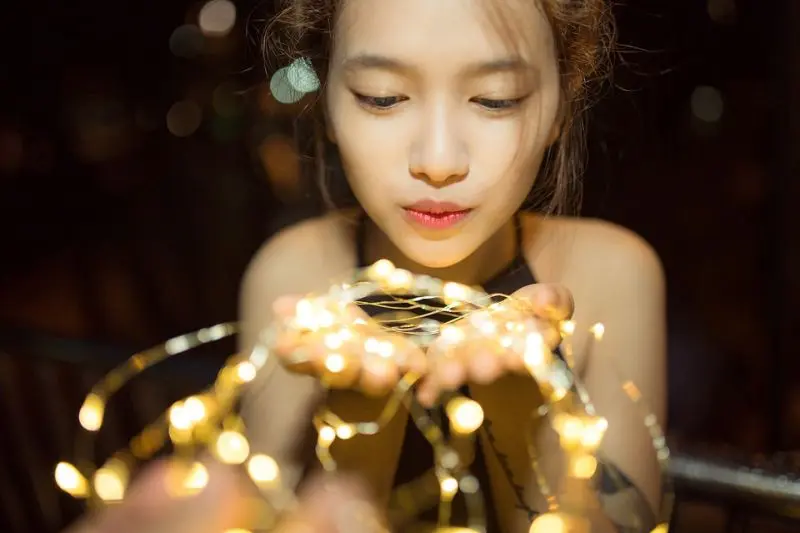
Add another point of interest of some kind in your shots that can improve your shot. You might risk drawing too much attention away from the main subject, but you could also add a sense of story and place to the image that takes it in a new direction and gives the person you are photographing an extra layer of depth they wouldn’t have had without this additional point of interest.
Focus on a part of the body - Get closer

credits: CSG Gloves
Take a lens with a long focal length attached to your camera or get closer so you can photograph only a part of your subject. Photographing the hands, eyes, mouth, or even just the lower part of a person’s body... can leave a lot to the viewer’s imagination of an image.
Sometimes it’s what’s left out of an image that says more than what’s included.
Obscure part of your subject
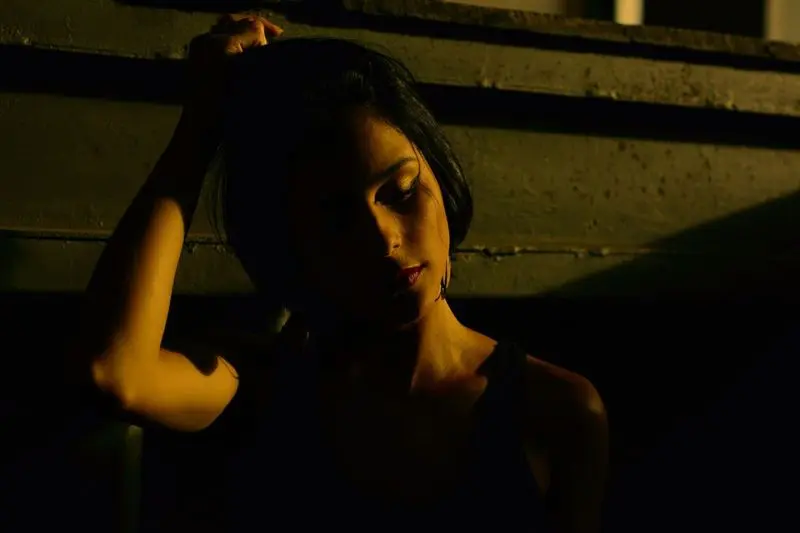
A variation on the idea of zooming in on a part of the body is to obscure parts of the face or body of the portrait subject. You can do this with clothing, objects, their hands, or simply by framing part of them out of the image.
This means you leave a bit to the viewer’s imagination, but also focus their attention on parts of your subject you want them to focus on.
A single portrait or a series of shots?
Set your camera to 'continuous shooting' mode and take a series of photographs. In doing so, you create a series of images that could be presented together instead of a single static image. This technique can work very well when photographing children, or really any active subject that is changing position or pose in rapid succession.



