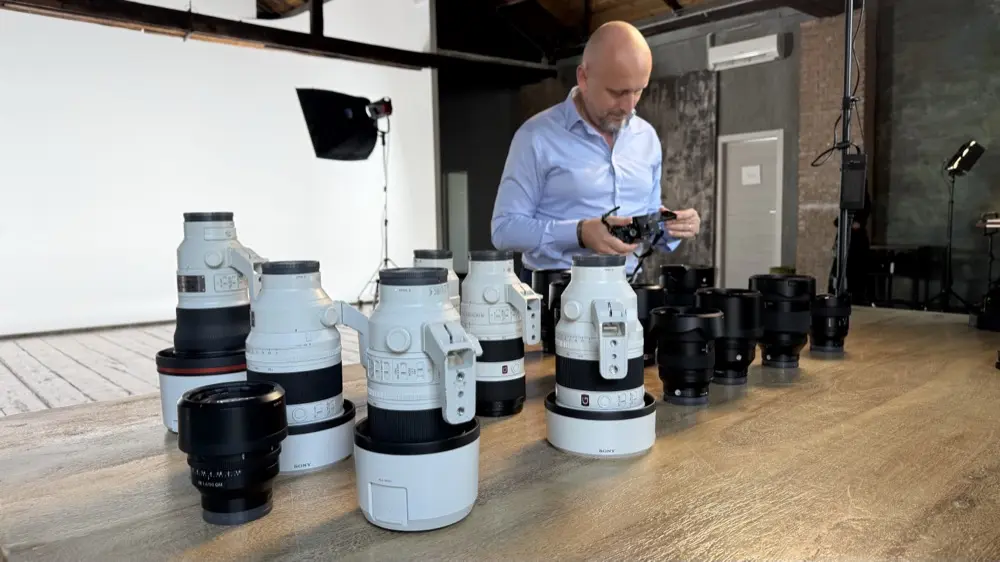
(Spoiler: we were in Milan to really find out)
What happens when a camera makes you feel the same feeling you get when you open a window for the first time after a storm?
What happens when an upgrade doesn’t seem like just a number after a model name, but a change of stance from the company that created it?
And above all: what happens when you touch it, and you realize that every detail carries an emotional as well as technical weight?
These three questions struck me as soon as I entered the Cross+Studio in Milan, where Sony presented the new A7 V.
An environment we know well: perfect lighting, a suspended atmosphere, a creative lab vibe more than a product event.
And it is precisely in that setting that the A7 V revealed itself for what it is: a camera with the ambition to define a new standard, not just update the previous one.
First contact: a feeling of déjà vu… but better
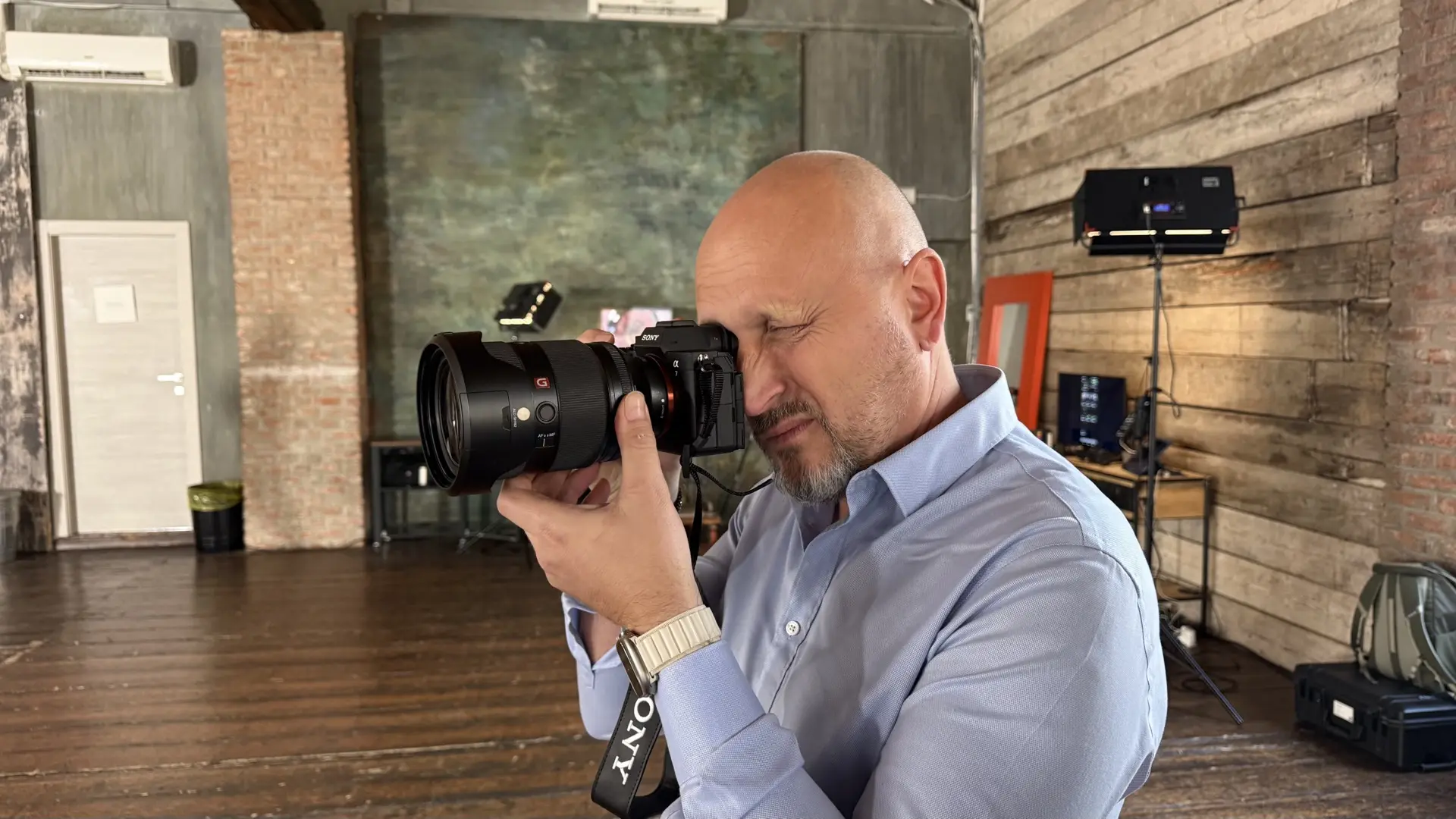
You pick it up and it feels like you already know it.
Familiar ergonomics, Sony lines, the usual balance between compactness and solidity.
But as soon as you start using it, you realize no, it’s not like the others.
It’s like when you change your phone after years: same gesture, same pocket, but everything is faster, smoother, more natural.
The A7 V takes that experience and amplifies it: more responsive buttons, a grip that finally feels designed for hands that work for hours, and that feeling of “ok, I can go to war with this.”
It’s not a detail.
For a photographer, the camera must disappear in the hands. And here we are very close.
The heart of the scene: the new sensor and the autofocus that anticipates you
The most discussed – and most awaited – part of this A7 V is its new sensor.
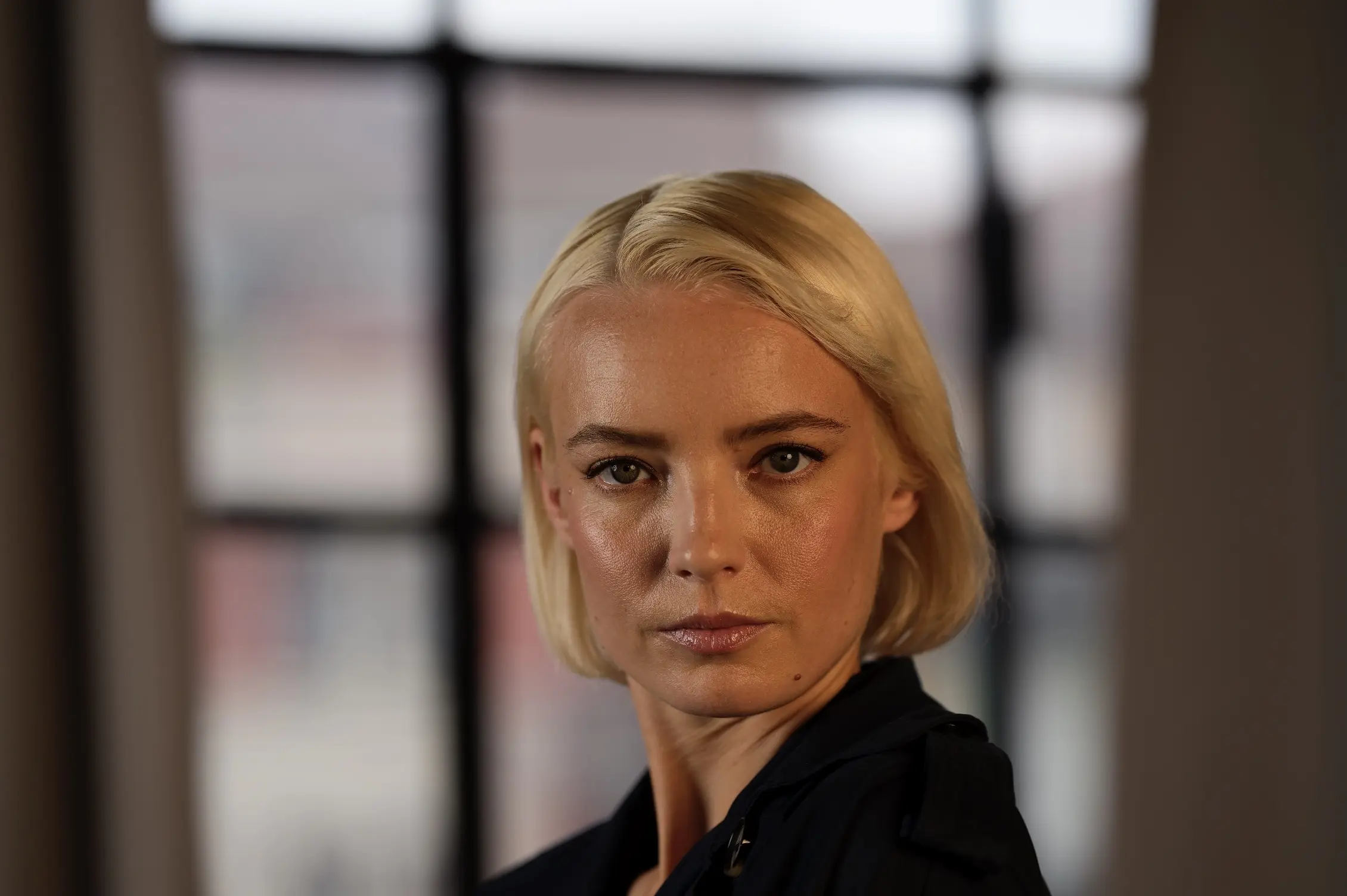
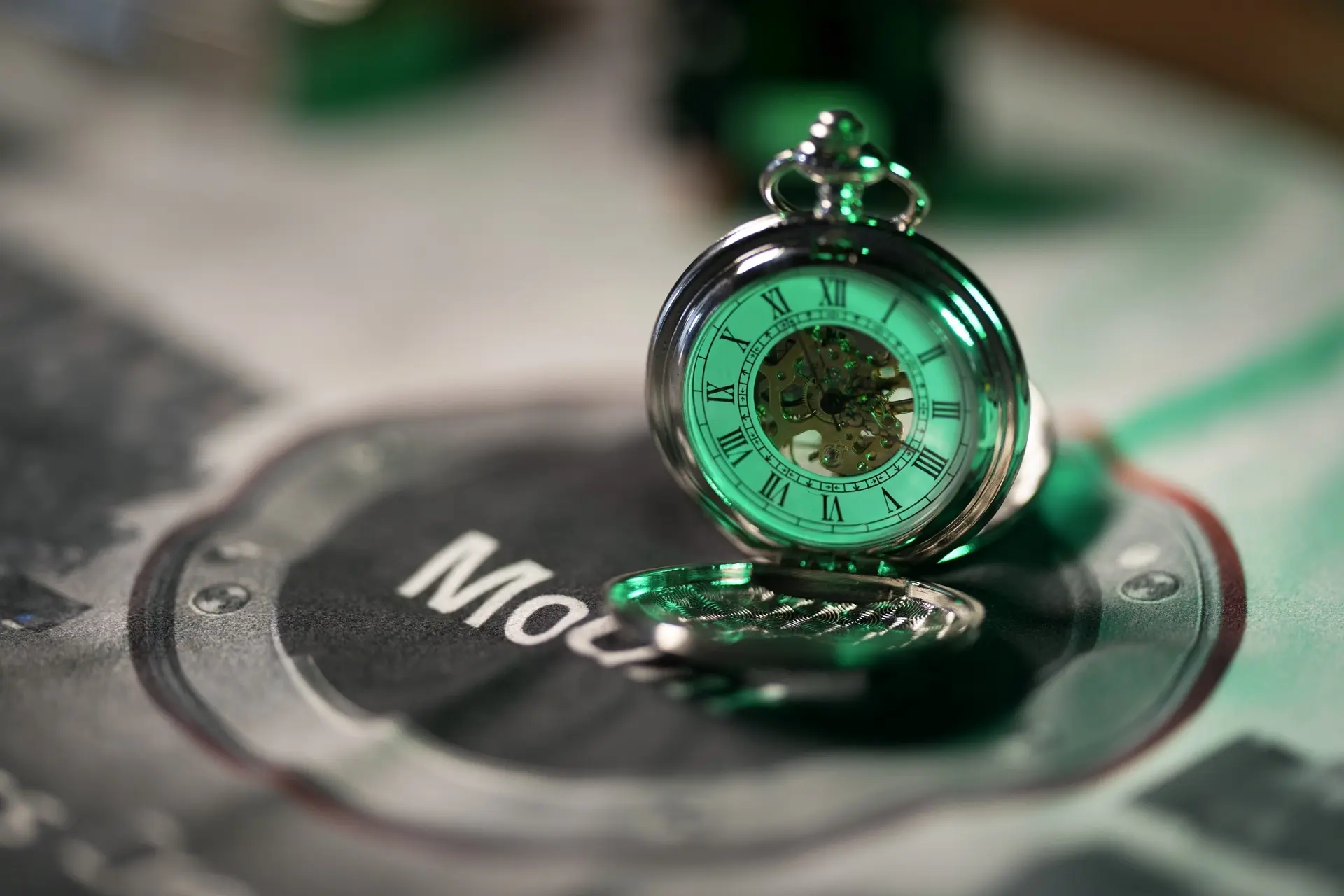
An evolution that doesn’t just pump up numbers, but works on light quality, dynamic range, and that “flexibility” of the image that really makes a difference when you’re out in the field.
The impressive thing is not just the resolution, but the cleanliness of files at high ISO.
It almost feels like working with a larger sensor, as if someone slipped a medium format into a mirrorless body without telling you.
And then there’s the autofocus.
I don’t want to exaggerate, but it’s probably one of the most intuitive systems I have ever tried on a camera not dedicated to sports reportage.
It follows subjects like a shepherd dog follows the movement of a flock: with attention, patience, and zero hesitation.
It moves from the eye to the face, from the face to the profile, from the profile to the whole subject as if it knew what you want to shoot before you decide.
In the studio, we tested it backlit, in motion, on fast subjects: it keeps reading the scene with a confidence bordering on arrogance.
The presence of some Capoeira dancers and a beautiful model allowed us to test very different scenarios and contexts.

Video: the A7 V looks filmmakers in the eye
Sony makes no secret of wanting to speak to photographers, but also – and perhaps especially – to videomakers.
And here the A7 V brings out all the character of the Alpha series.
Profiles S-Cinetone more mature, cleaner oversampling, rolling shutter at historic lows...
The result is a camera you can take onto a real set without feeling like an amateur infiltrator.
What struck me the most, however, is the color management.
Not so much the fidelity, but the pleasantness.
It's like shooting at sunset: technically you could correct everything, but why do it?
The rendering is already there, already alive, already cinematic.
And the stabilizer?
Much more natural, much less artificial, 7.5 stops are what's promised.
It gives you that 'well-done handheld' feeling that can save a shot when the slider stayed at home.
Ergonomics and interface: the most underrated step forward
There are innovations that don't make noise but change everything.
The fully articulated display finally feels sturdy.
The menu, I admit, is starting to become truly usable.
And the new customizations make the A7 V an extension of your way of working rather than a puzzle to remember.
It's a bit like organizing your desk after months: at first it doesn't seem revolutionary, then you realize you're working better, faster, with less stress.
The 'aha' moment: understanding who this camera is really for
The Sony A7 V is not a camera for everyone.
None of the series 7 cameras ever were, but this one even less so.
It's for those who photograph every day.
For those who walk into a studio and feel at home.
For those who walk for hours in the mountains chasing the light.
For those who shoot video but want to stay lightweight.
For those who shoot portraits, products, reportage, weddings…
For those who demand a camera that makes no compromises in real life, not just on paper.
If you’re looking for mathematical perfection, this isn’t the point.
The A7 V aims for something more human: to be the camera you can take anywhere without ever feeling limited.
The final question: where is Sony headed?
The feeling I had leaving Cross+Studio is that Sony is no longer playing to defend a position, but to open a new season.
The A7 V is a statement of intent: more quality, more stability, more sensitivity to light and user experience.
It’s not “just an update”.
It’s a camera that asks you to take a step forward together with it.
And so the question I leave you with is this:
If a camera today is capable of anticipating your shot…
are you ready to anticipate your next level as a photographer?