

We live in a time when taking photographs is extremely easy, fast, and can now be done with any device.
All this can be seen as an advantage or a disadvantage by a photography enthusiast. On one hand, the learning curve is faster, simpler, and certainly more affordable than before. On the other hand, many photographers tend to shoot in bursts without caring about composition or taking care of the shot, hoping to get a lucky or accidental shot. Before clicking, ask yourself: "What do I want to convey?" "What story do I want to tell?" Take a moment to think about what you want to achieve with the shot you are about to take.
Below are some tips that will help train your photographic eye, regardless of the camera or lens you use.
5 Tips to Train Your Photographic Eye
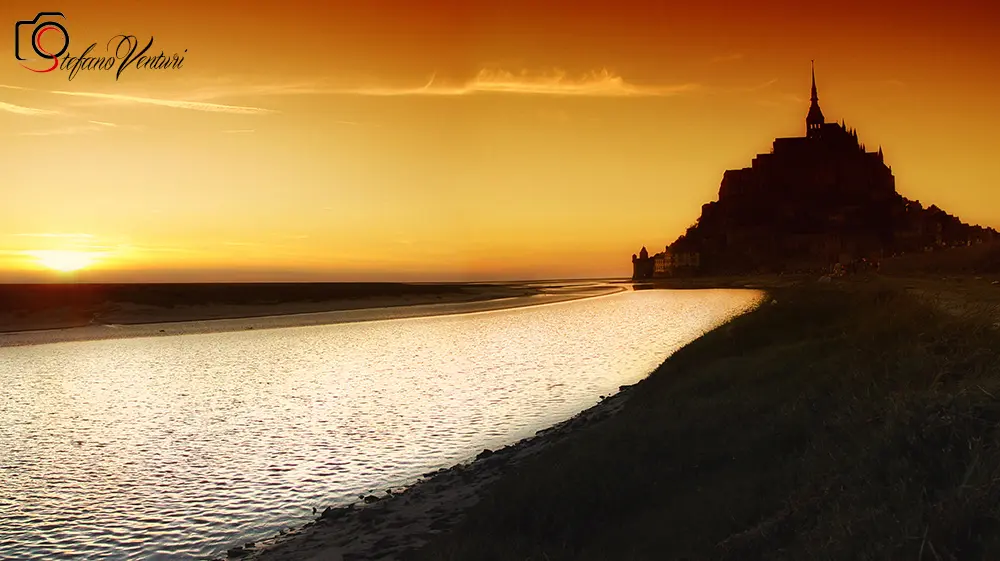
1) Observe the light
Learn to carefully observe the light and the shadows. Be aware of the quality of light at every hour of the day and the effects it produces on objects, buildings, people, etc. The more aware you are of the quality and quantity of light, the better photos you will be able to take, regardless of the time you shoot.

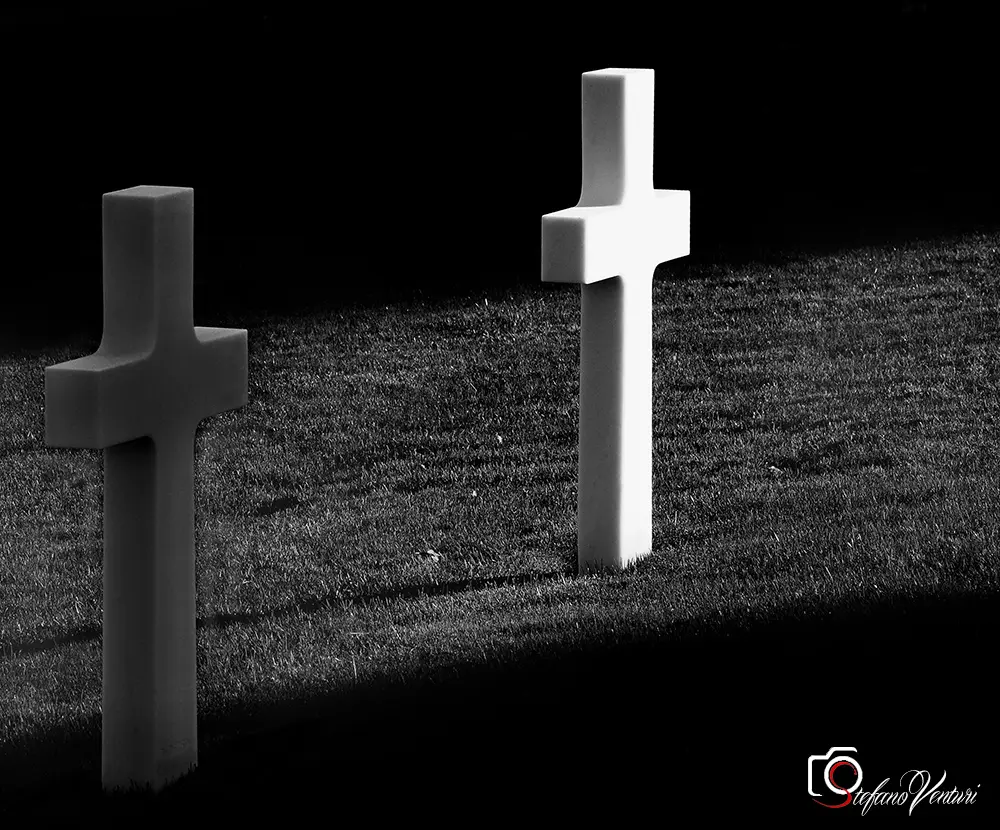
2) Express your vision by following (at least initially) the basic rules of composition
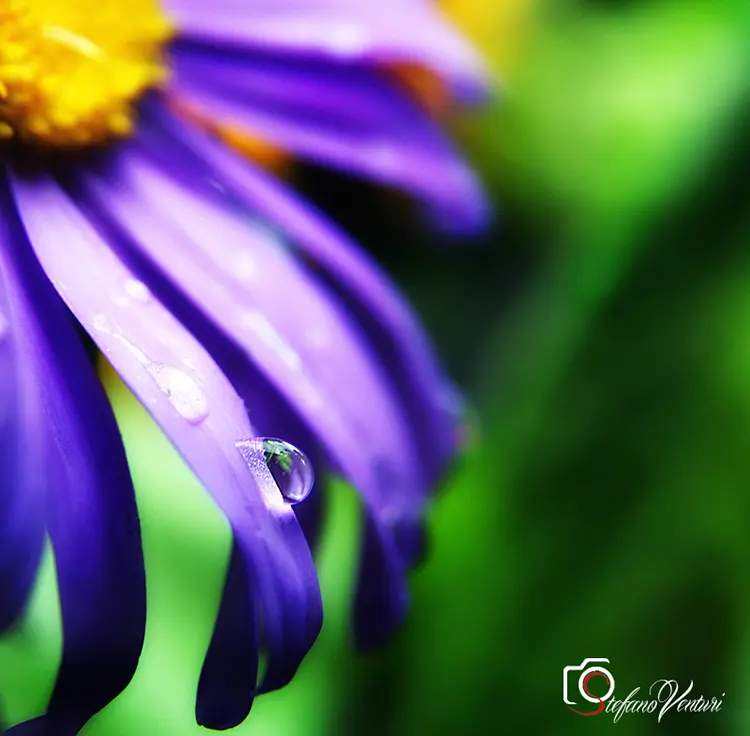
Focus well on the subject and use depth of field effectively
The fastest way to draw the viewer's eye to the subject you want is to use a good autofocus with a very narrow depth of field. This will ensure that only a small part of the image (the important part) is in focus and everything else will fade into the background.
Guidelines
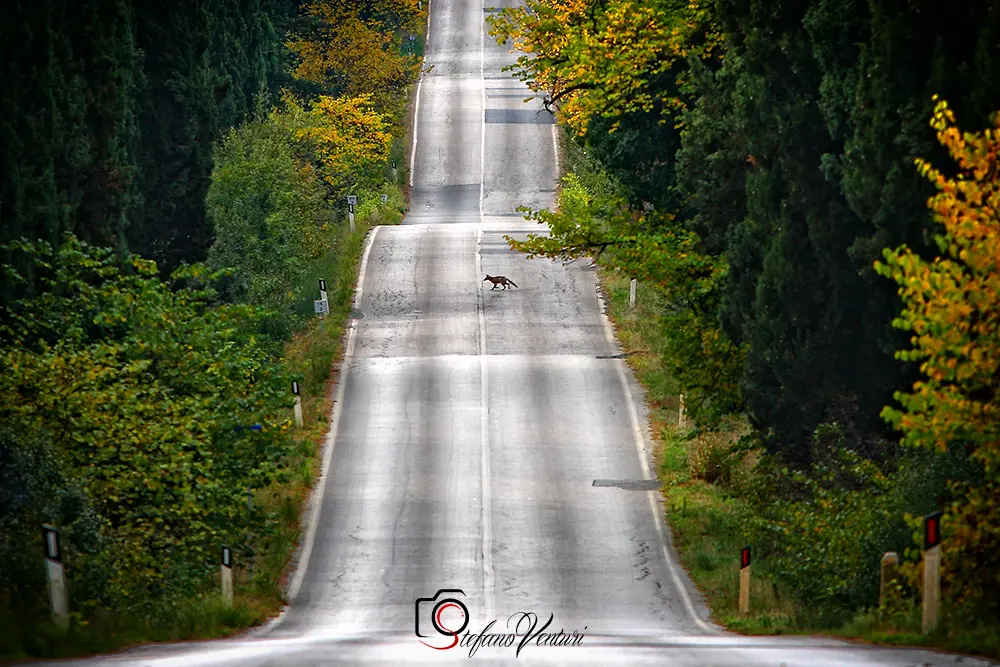
They are often ignored but the use of guidelines is a very powerful tool to guide the eye towards our main subject.
Use the rule of thirds
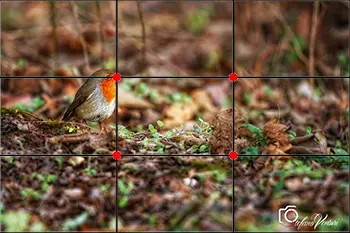
Divide the frame into nine zones by placing two imaginary (or real) vertical lines and two horizontal lines. The intersection of the lines creates four points of intersection. (see image below). This rule comes from the fact that, instinctively, the human eye focuses on the points identified precisely by the intersections of the lines.

So try to place your subjects at these 4 points.
 |  |
In landscape photography, align one of the two horizontal lines with your horizon.

Use of color
Just like using a focal point and a shallow depth of field to attract the eye, the use of colors strong colors is a powerful compositional tool. Alternatively, converting images to black and white, you will remove distractions from colors and make the images stronger!


3) Less is more
Often framing too many things distracts the viewer's eye. Learn to make your images stronger by leaving unnecessary things out of the frame, get closer to the subject and cut out everything else. It doesn't matter if the crop is tight and close, the important thing is to have no distractions around. Less is more, thinking "minimalist" will give more impact to your shots

4) Look for different perspectives
Try shooting from different perspectives, from above, from below, move around the subject. Tilt your camera to get more dynamic images.
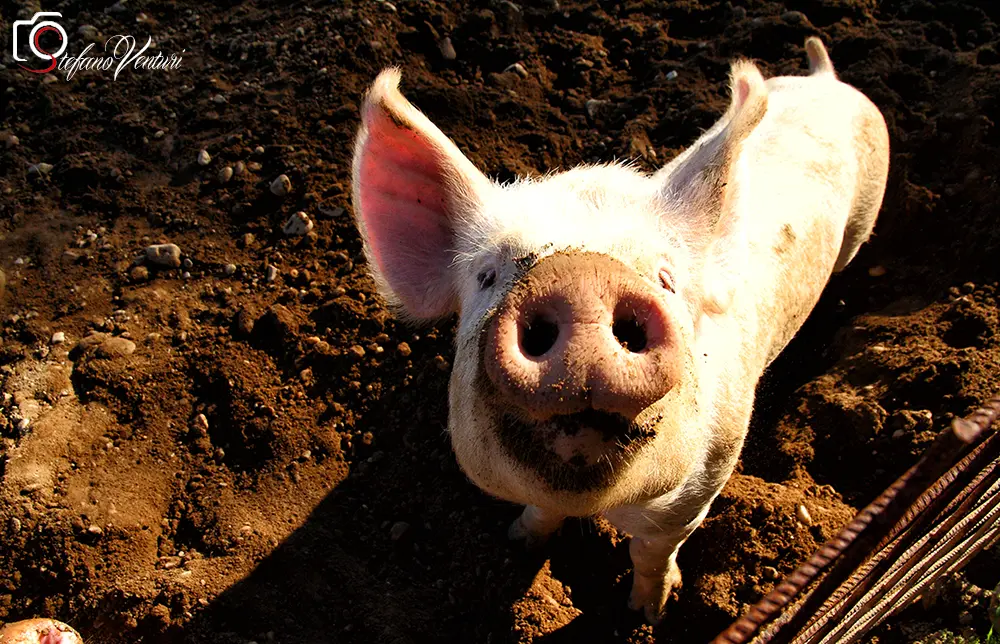
5) Pay attention to the background
Last but not least, the advice is to always be ALWAYS careful of the background of your images. Sometimes just a step to the right or left can completely change your shots. Make sure there are no distractions, it will only take a moment.

Next time you go out with your camera, try to slow down and think more about what you want to convey with your shots. Follow these 5 tips and you will soon learn to see things with a different photographic eye and your images will improve noticeably!
Have fun.
If you liked this article, please share it. :-)



