
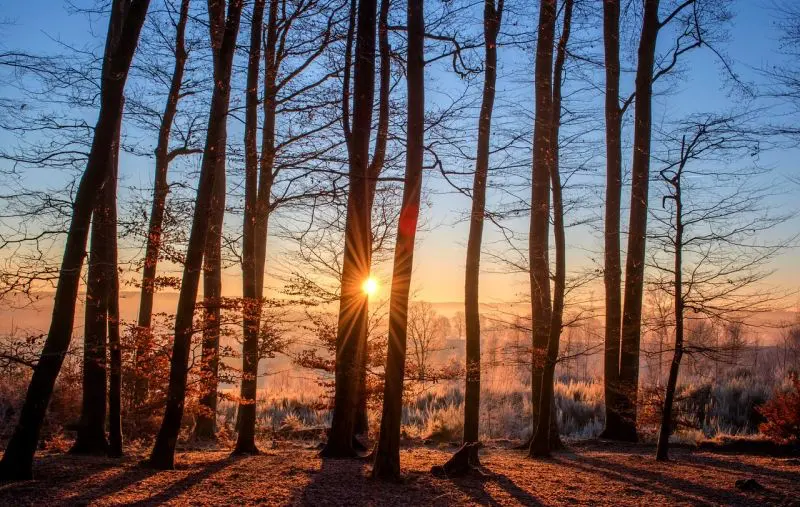
In the previous article "How to make the most of bad weather: 6 challenges for photographers" we said that photography is all about light.
Sure, that's quite easy to say, but what types of light might we encounter? Moreover, as photographers, we might find ourselves more focused on our subject than trying to understand and concentrate on the light.
In reality, proper lighting can create a subject out of nothing, modify or emphasize the importance of an element in the scene, cancel or hide a part of what is being photographed. Finding the right light is a real challenge.
What is called the golden hour is always indicated as a great time to take photographs, but it is not the only time to shoot photos with very effective lighting.
Managing light, in addition to finding an interesting subject, is one of the most difficult tasks for a photographer, especially if you are a beginner. So let's look at 9 types of light we can face every day.
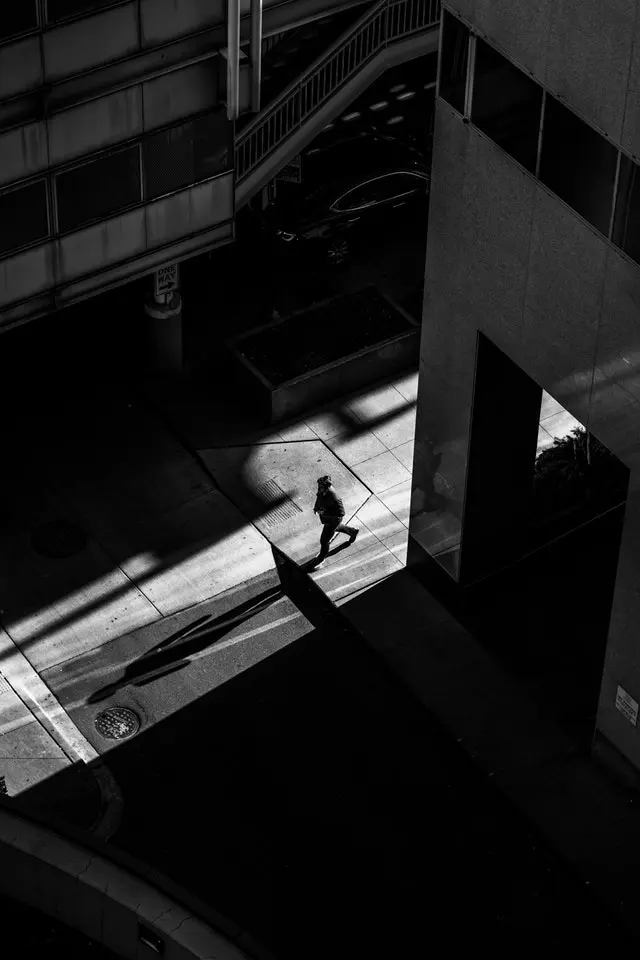
#1. Side lighting
As you might expect, side lighting is when the light comes from the side. Side lighting usually provides a lot of contrast, can create very long shadows and adds depth to the image.
This type of lighting can add a dramatic effect to architectural and portrait photography.
#2. Backlighting
Backlighting is when the light is behind the subject and faces the photographer and the camera. This type of lighting is very effective for easily creating silhouettes.
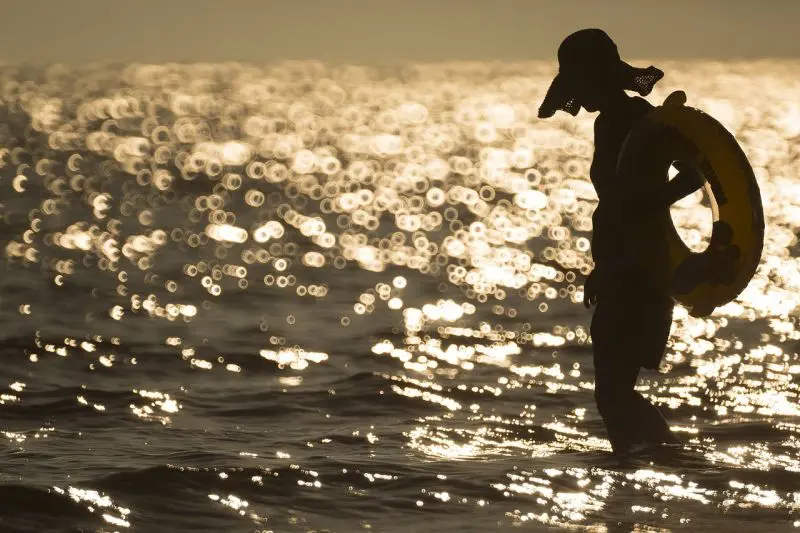
In combination with certain atmospheric conditions such as fog or dust in the air, very particular light effects can be obtained. However, you must be especially careful that the light does not “blind” the sensor of our camera, burning the image.
This could result in our subject being darker than desired, so it will be necessary to use a fill flash, if our subject is small and close.
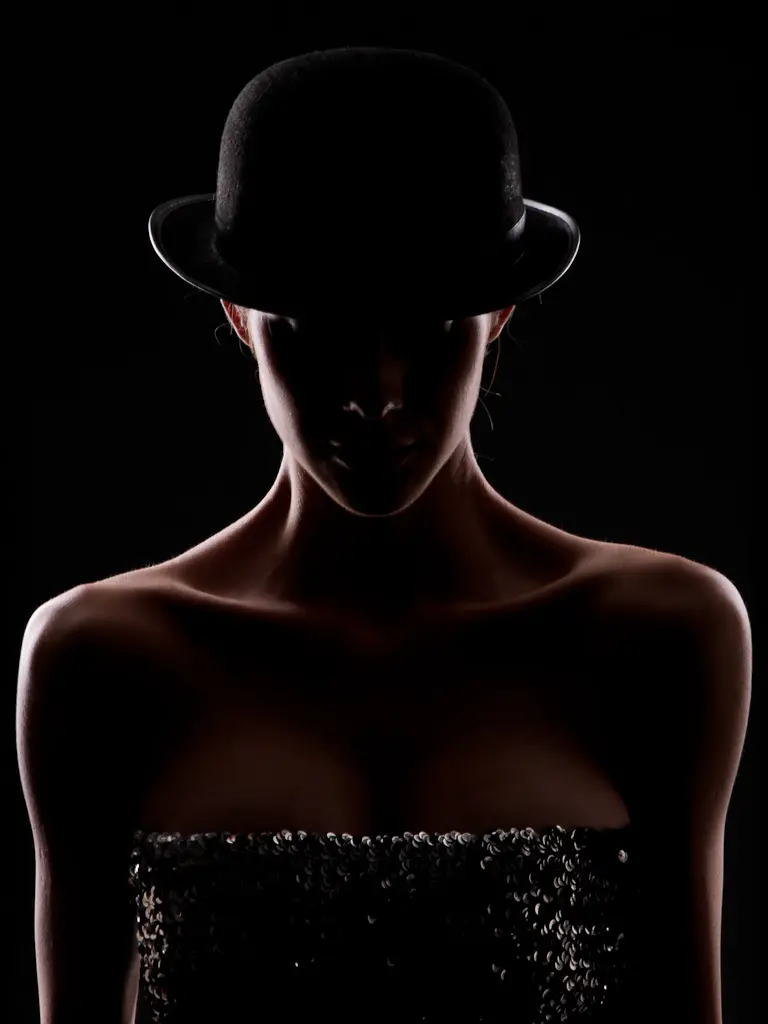
#3. Edge Lighting
When light enters at a sharp angle, it can create reflections along the edges of the subject.
The sharp contrast which highlights the different shapes. This type of lighting adds impact to nude photography, macro, wildlife, and monuments.
#4. Ambient Light
Ambient light is soft, non-direct light, often bounced from one surface to another. Because of the non-direct lighting, the brightness of the subject is lower compared to other types of lighting.
Ambient light works well for a variety of photographic genres, especially landscape photography, and is the easiest to find among all types of light.
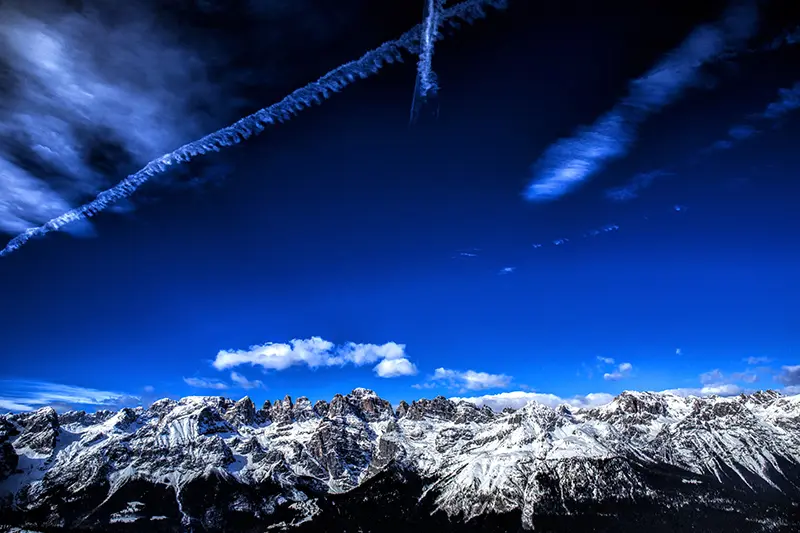
#5. Soft or Diffused Light
Soft light is diffused and provides a uniform illumination. This type of lighting reduces contrast and minimizes shadows. Soft light is excellent for portraits, macro, and nature photography.
#6. Hard Light
Hard light is quite direct and can often be intense in brightness. This type of lighting creates strong shadows and a high contrast.
Strong light requires paying particular attention to exposure. Hard light can be applied to most photographic genres, but to many eyes it may be less attractive than other types of lighting.
#7. Reflector
Using a reflector allows you to focus the light on a particular area of the subject or scene. This type of lighting can create strong shadows and contrasts.
The concentrated light from the reflector can add dramatic impact to all photography genres. Additionally, colored reflectors (e.g., gold) can be used to further characterize the reflected light.
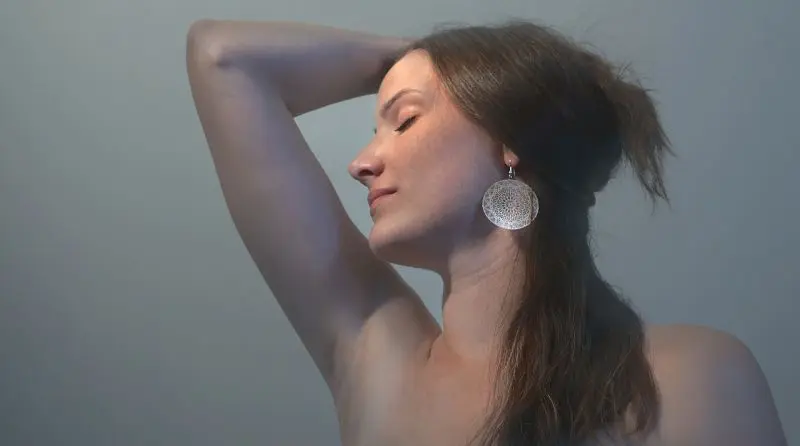
#8. Artificial lighting
If natural light is insufficient or does not come from the right direction, the most natural solution is to resort to artificial lighting. This can be generated by a variety of studio lights and built-in or external flash units.
There are few photography genres where artificial lighting cannot be used successfully. Artificial lighting offers many flexible and creative opportunities.
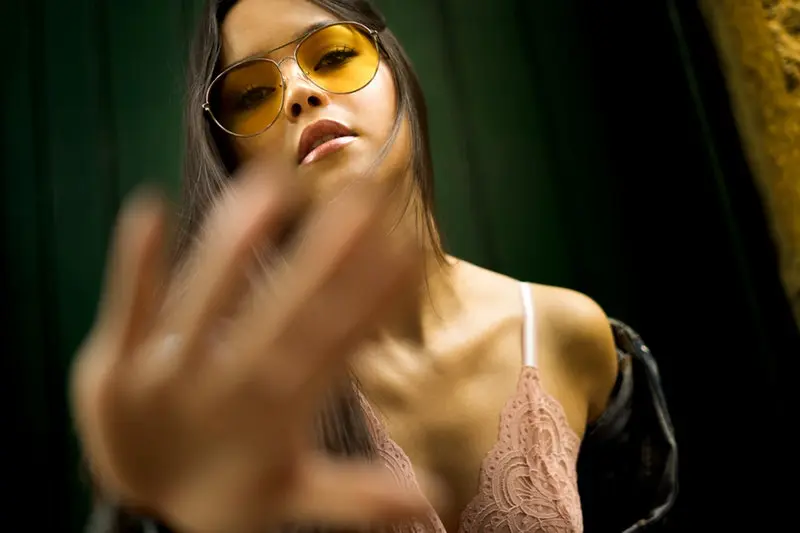
#9. Various lighting combinations
Finally, you can combine various types of light. Creatively lighting the subject is an integral part of the photographic process.
And you, which type of lighting do you prefer?



