
 In the our previous article on how to photograph children, we saw 5 tips on how to photograph children without problems.
Children are a very attractive subject, but it is very difficult to photograph them correctly.
A smile, a funny expression, a surprised look, last for only a moment and are immediately replaced by something completely different.
Unlike adult models, it is not possible to direct them properly. We must therefore be ready to capture the desired moment.
How to do it? Here are more tips to portray children correctly.
Light
Light is essential for any photograph: it illuminates the subject, adds dramatic contrasts, creates atmosphere.
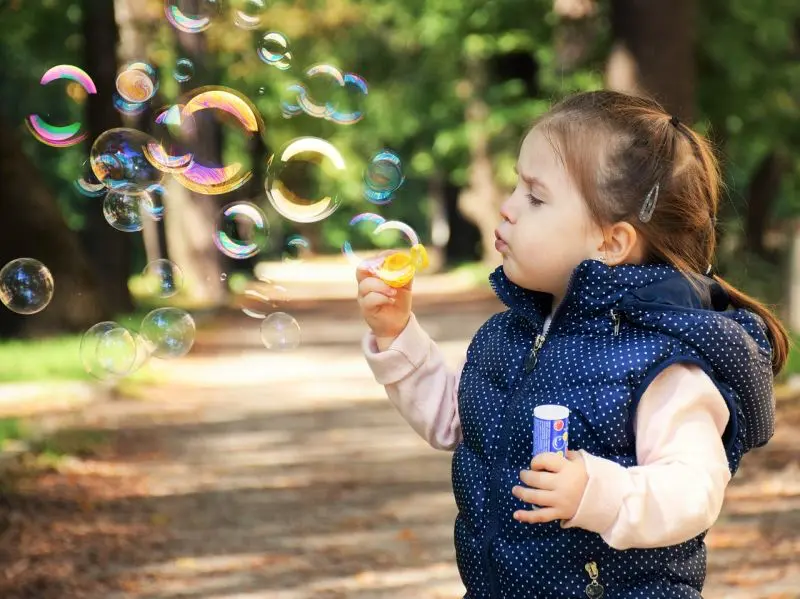
The natural sunlight is often the light that best suits human subjects, especially the warm and soft rays just after dawn and shortly before sunset. This delicate lighting bathes photos in a romantic glow. Midday sunlight can add energy and drama. Sunlight alternating with shadows, like filtered through tree leaves, creates rhythm in your photos.
If sunlight is not available, a soft and diffused desk lamp can also set an intimate scene.
If you have to use a flash, try experimenting with the slow flash setting. But be careful: excessive use of the flash can make the image unpleasant to look at.
Set the scene
By considering the surrounding environment, you will greatly improve your shot.
If you plan to take photos, clean up the image from clutter and visual distractions. The child's face may be perfect, but only when you look at the photo on the computer do you notice that road sign that seems to stick out from the head!

Also remember that, generally, children are shorter than you: so you will have to adapt to their position and kneel down. If you are outdoors, the environmental conditions can provide you with a remarkable background, but also a frame to highlight the child
Soft as a child ...
The characteristics of children are their big eyes, soft skin, and fragrant skin. All these are features you should be able to capture with your photographs.
Once again, lighting plays an important role.
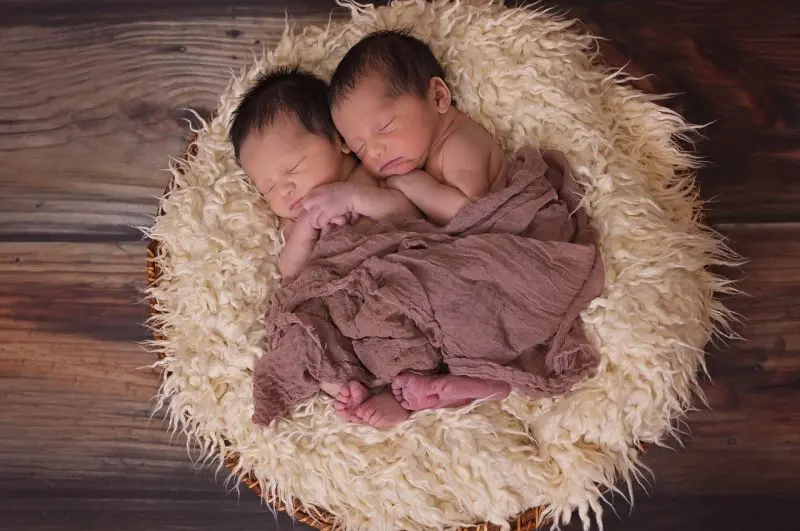
If you cannot manually control the camera settings, look for portrait or child modes, to emphasize the natural skin tones. You can also wrap your child with airy and soft fabrics.

A great moment to capture that rosy glow of the skin is right after the bath, with the child wrapped in a soft towel. If you want to emphasize the contrast with the softness of the skin, you can use rougher and harder fabrics.
Changes
Children grow up so fast. One minute you're holding a newborn, the next they're already going to school. If your child has just started lifting their head, sitting up unassisted, eating solid food, or standing and crawling, these are important changes in their life that you'll want to try to capture.
Regardless of what type of photographer you are, I suggest this project: one photo a day. From birth to their first year, try to take one photo a day, whether with a camera or a smartphone. After a year, arrange the photos in sequence to document your child's changes day by day.

It will surely be a much-appreciated gift for all close relatives and a unique keepsake!
Freeze the motion
Older and younger children are bundles of energy. It's impossible to stop it; you have to channel it toward the result you want to achieve. Set the camera to high ISO (but not so high as to introduce noise into the image) and shutter speeds. If you're unsure of the settings, set the camera to continuous shooting mode or sports scene mode.
When you're taking a snapshot of your child, you don't have to strive for perfection. These photographs preserve your memories of how your child has grown and blossomed. They should capture the essence of childhood rather than trying to sweep away the imperfections that make life so interesting.



