
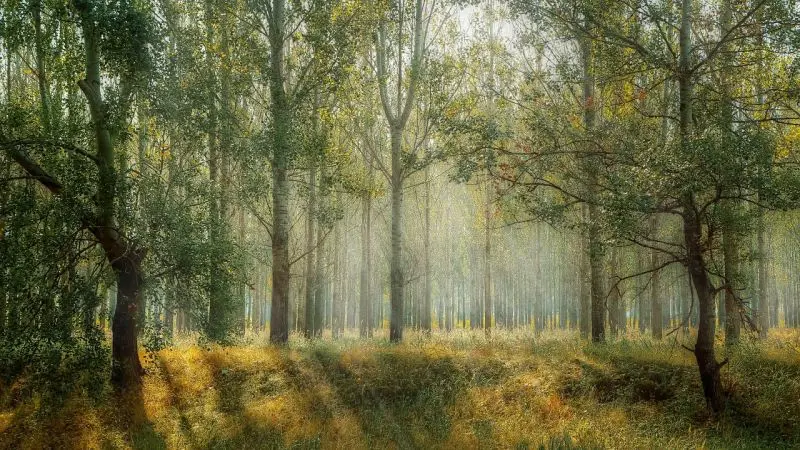
 Every photographer's goal is to get sharp images.
We have all experienced the disappointment of coming home and looking at the images on the computer screen only to realize that the photos are not sharp. This is especially true if we had to shoot in fairly difficult lighting conditions.
The reasons for these issues are different, but let's look at some solutions to correct these errors and still manage to bring home a correct photo.
#1. The shutter speed is too slow
The shutter speed is the cause of lack of sharp images in the majority of cases. A shutter speed that is too slow causes image blur.
This is a common mistake and it's easy to forget to change the shutter speed when you're out shooting. There are many things to manage: ISO, aperture, composition, light... and then the shutter speed.

The exact exposure time needed depends on the situation. However, a (VERY) empirical rule is to never use a shutter speed slower than the set focal length.
This means you should not use a shutter speed slower than 1/70 with a 70mm lens or slower than 1/16 with a 16mm lens.
However, be careful to also consider the camera's crop factor: if you use a full-frame and set a focal length of 50mm, then your shutter speed should not be slower than 1/50; if you use a camera that is not full-frame, you must multiply the focal length value by the crop factor.
For example, with a Nikon APS-C camera, where the crop factor is 1.5, if you set a focal length of 50mm your shutter speed should not be slower than 50x1.5=75, that is 1/80.
Remember, however, that this is not an exact science and although the suggestion above can serve as a guideline to get sharp images, you should still get used to zooming in on the image preview to double-check if the image is sharp.
If it is necessary to use a slower shutter speed to achieve a certain look or due to low light conditions, it is essential to use a tripod. This allows you to increase exposure time without worrying about a blurry image.
#2. Your lens is not good enough
Unfortunately, it is not always possible to attribute a bad image to human error. Sometimes it is the camera's fault.
As we have said many times in previous posts, if you use a cheap but poor-quality lens, you will at best get poor images compared to the results achievable with higher-performing lenses.
An inexpensive lens, due to the choice of materials used in the lenses and the number of lenses used, is not as sharp as a professional lens and sometimes this problem becomes quite noticeable.

For this reason, it is advisable to research the lens before purchasing it and make sure to read comments about what people say regarding the optical quality and image sharpness.
If you need to take images in low light, to use fairly long exposure times you need to look for a very bright lens, but this will certainly require a financial commitment.
#3. The camera is shaking
If you are using the correct shutter speed, have placed the camera on a tripod, and your lens is good enough, you should get a good result. If this does not happen, then perhaps your camera is shaking.
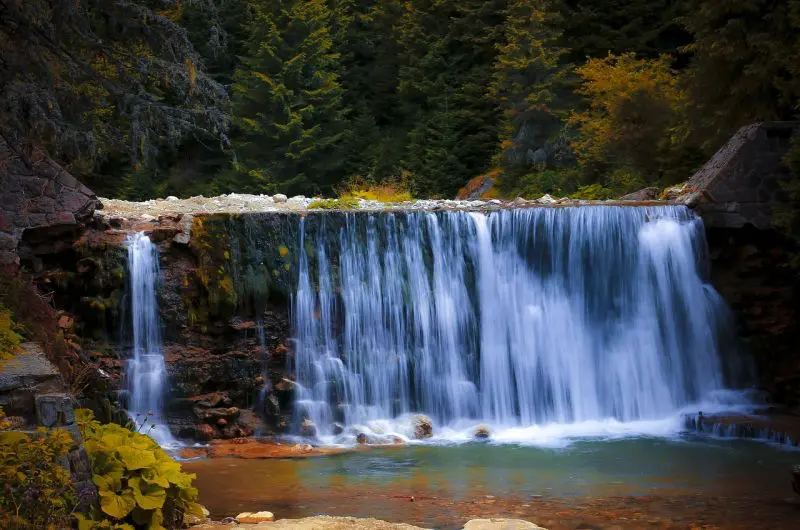
This could be due to wind, insecure tripod placement (for example on sand, in water, …) or the fact that you are not using a remote shutter release button.
Simply pressing the shutter button can introduce vibrations that will then be visible in the final image. In a DSLR, even the mirror flipping up can cause vibrations.
A good practice is to use the Live View and zoom in on the image at 100% to check sharpness. Such issues are further accentuated if you are using a lens with very long focal lengths or long exposure times, such as in night photography.
#4. Atmospheric conditions
Sometimes there is nothing you can do: even if you have the best equipment and have done everything the right way, there is no way to get a sharp image. It can be due to atmospheric conditions: dust and particles dispersed in the air, high ground temperatures causing shimmering air, …, make it impossible to obtain sharp images.
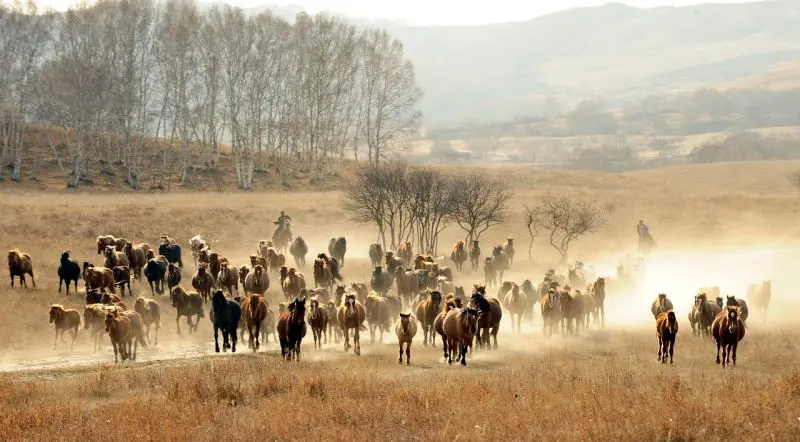
This problem is common when the subject you want to photograph is far away. Make sure to zoom in fully when using a telephoto lens to see if you are getting sharp images.



