
 In the previous post we looked at some tips on how to photograph marine landscapes. We recommend rereading it as we provide some safety tips.
When we are at the sea, everything seems easy and calm, but sometimes danger is just around the corner (or the rock). In this post, we will instead focus on some considerations more specifically related to photography, camera settings and tips on what to photograph.
We are referring to marine landscape photography “outside” the water; if you want to photograph “under the surface”, we recommend you check out this post about underwater photography!
1. Shutter Speed
Depending on the marine landscape scene you are shooting, you will have two choices: you can freeze the movement of the waves or you can blur the movement of the water.
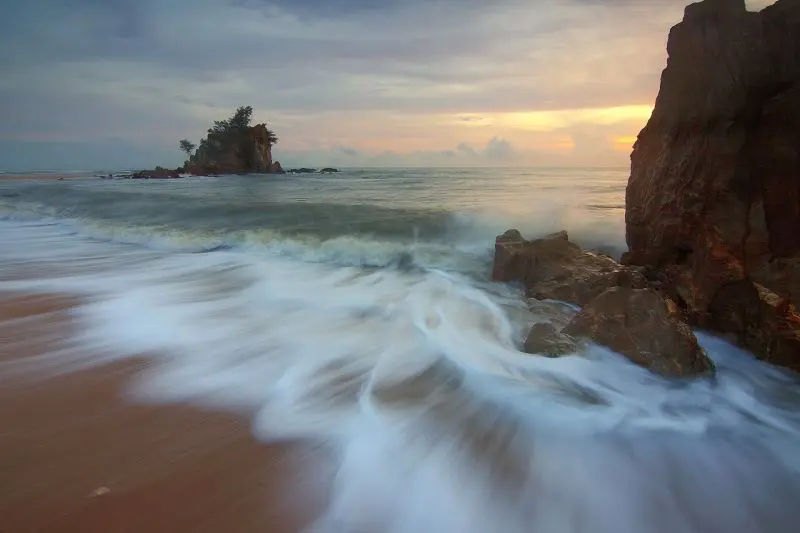
If you are shooting a seascape scene that includes rocks in the foreground and water flowing over the rocks, then you might want to blur the water. This will give the water that effect silky and soft and the images will look a bit surreal.
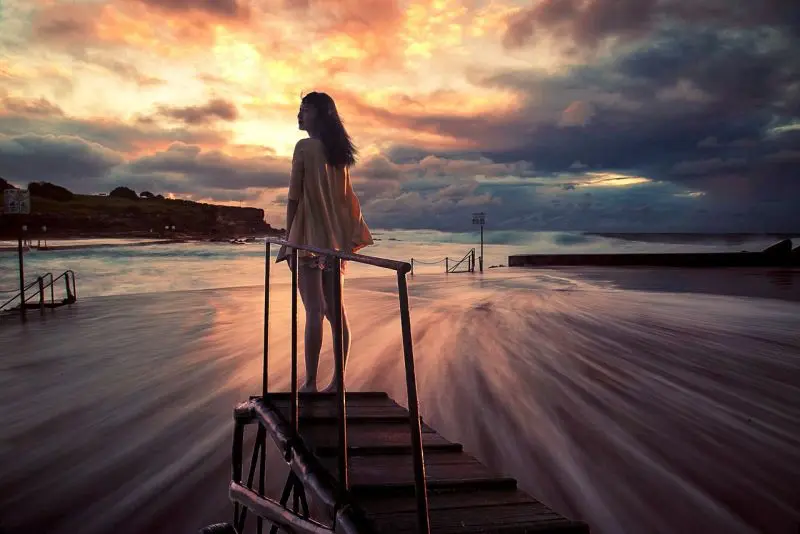
To further lengthen the shutter speed, and thus the exposure time, you can use a neutral density filter. This will have the effect of really softening the water to the point that it might appear milky.
Depending on how you have planned the result you want to achieve, you need to decide how soft you want the water to be.
To freeze the action of the water, you need to shoot at 1/1000 or faster. In general, freezing the action of the water does not always achieve as dramatic a result as making it silky.
Freezing the action is instead useful if you are shooting an athlete (for example a surfer) whose movement you want to freeze and capture the dramatic tension of the effort. A fast shutter speed is necessary to avoid motion blur.
2. Aperture
As in landscape photography, it is generally necessary to to focus everything, from the foreground to the background. This means you will need to use an aperture of f/8 or smaller. This will also allow you to slow down the shutter speed and soften the movement of the water in the scene.
Make sure to focus your camera once you have decided on the scene and composition, then move the camera to the manual focusing. This way, when the light starts to fade, your lens won’t try to find a new focus point and won’t change the composition you aimed for.
You can instead look for a well-defined focus on your subject if you want to highlight, for example, the action of an athlete and clearly separate it from the background.
3. Color or black and white?
Seascapes can work very well in black and white. You should shoot your images in color and then convert them later in Photoshop or Lightroom.
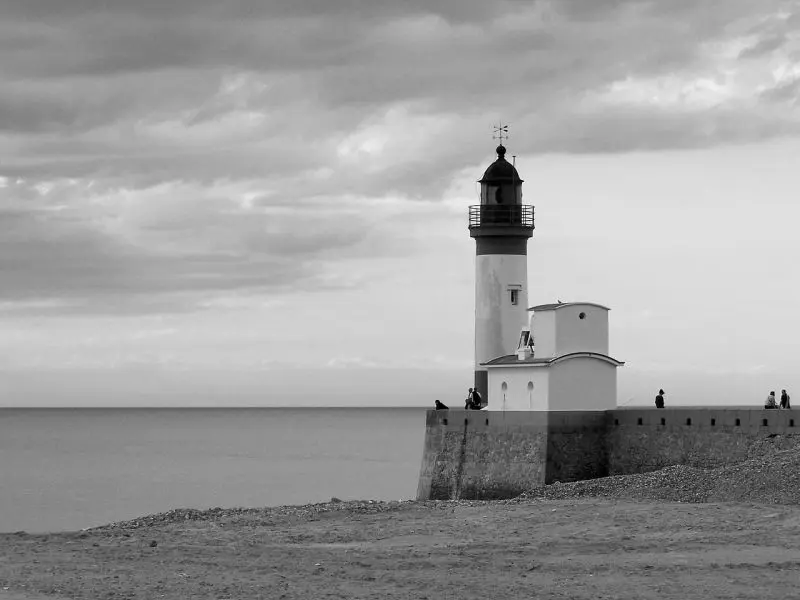
Both of these image editing suites have excellent black and white conversion tools, and you can then make numerous adjustments to your image.
If you shoot in black and white, you cannot bring the color back into the image. You can try the black and white image and realize it works better in color, so make sure to keep shooting in color.
4. Tripod
You will need a tripod to shoot effectively: if you are aiming for a sunset or to make the water movement silky, you won’t be able to keep the camera steady enough by hand to get a stable image.
Sharpness is fundamental in a good seascape.
Some parts of the image will be blurred (water), but other parts should be sharp (rocks, clouds, etc.). Always check your image to make sure the rocks and clouds are sharp.
So make sure that everything is very sharp using a tripod and a remote shutter cable, if possible. Be careful if you set up the tripod on sandy shore. When the sea laps the sand, it could shift or sink the tripod because the sandy surface might not be solid enough to keep the tripod perfectly steady. So, be careful! Also, watch out that your camera doesn’t fall into the water.
If part of your equipment gets wet, either because the tripod feet were immersed in water or because some splashes reached your gear, when you return make sure to clean it properly in the appropriate way from the effects (including long-term) of salt spray.
5. Filters
A series of neutral density filters can be useful if you want to achieve a silky effect on the water. Another filter that can be useful is a polarizing filter: allows you to block part of the polarized light reflected from the water surface. The result you can achieve is greater color saturation and the elimination of reflections.
It also makes thewater transparent, if clear, and allows the bottom to be seen clearly. Using a polarizing filter also allows you to protect the lens glass from scratches and various damages.
What to photograph
There is certainly no shortage of subjects to photograph in a marine landscape scene. Some of the following are ideas to keep an eye on at any beach:
• Lighthouses: are always an interesting subject to photograph, preferably in the early evening when the light turns on.
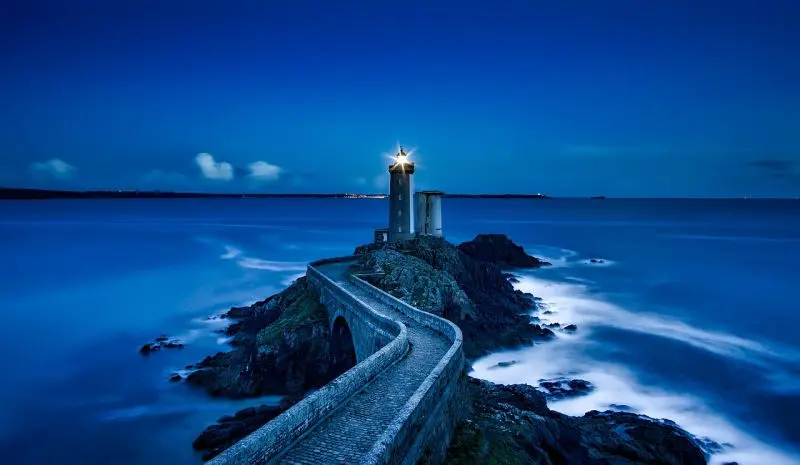
• Rock outcrops: the shifting of sandy and rocky beaches creates exceptional images of marine landscapes.
• Reflections: if the tide moves over a flat beach, you can capture some fantastic reflections of the sky on the shining sand of the beach.
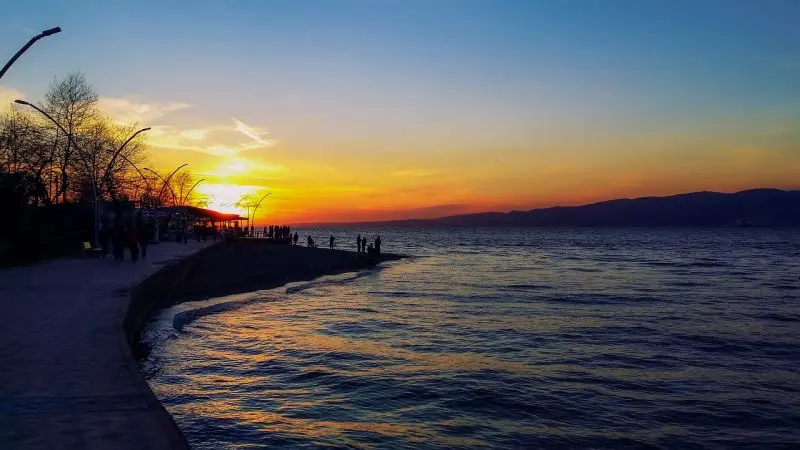
• Color of the light: if you expose correctly, you can have a warm sky and blue water in one image. This makes for a beautiful scene.
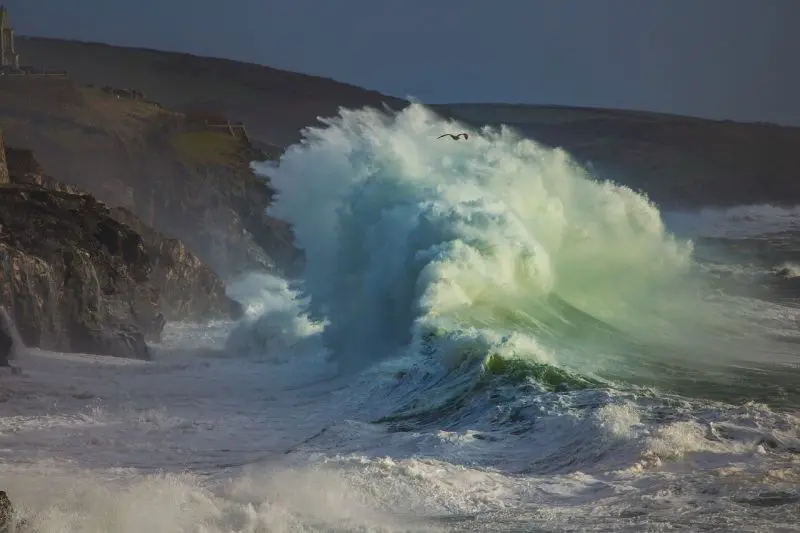
• Storms: this is a bit more complicated, but sometimes photographing when a storm rages over the sea can lead to a fantastic shot.
If you live near the sea or are planning a trip to the seaside, try your hand at this type of photography. The results can be very satisfying and you will be amazed at how easy it is to consistently produce good results.
The important thing is to be aware of your surroundings at all times. Don't be afraid to venture into trying this type of photography, it's a lot of fun and definitely worth it.



