
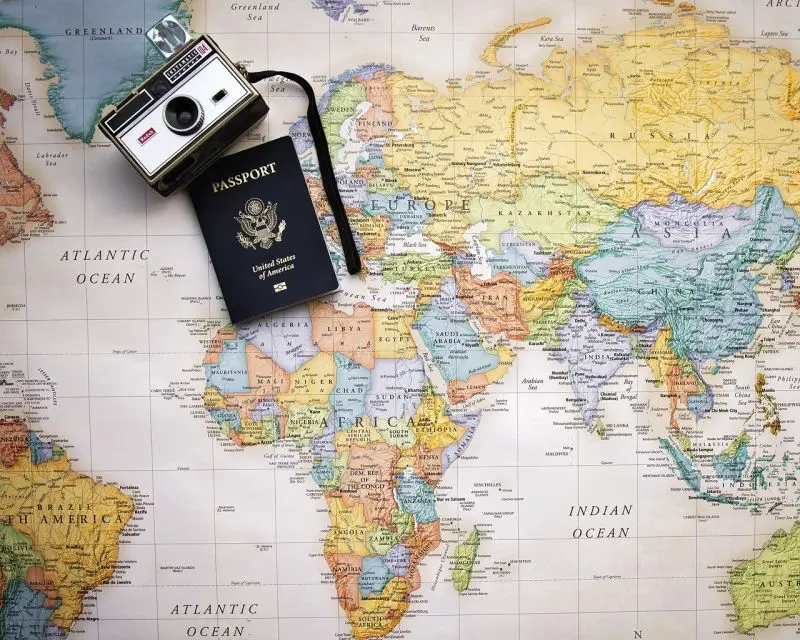
We have all waited for that specific photographic trip to take those long-desired photos, but once we arrive on site, unfortunately...
Planning a photographic trip must be a thoughtful activity and not done at the last minute in spare moments if our goal is to be efficient photographers. Once on site, we may not have an opportunity to fix mistakes made during planning.
So let's see what the steps are to properly plan a photographic trip.
Index:
\t
take the right equipment
\t
test all the gear
\t
study the location
\t
don't include too many destinations
\t
research the history and culture
\t
use social media and the web
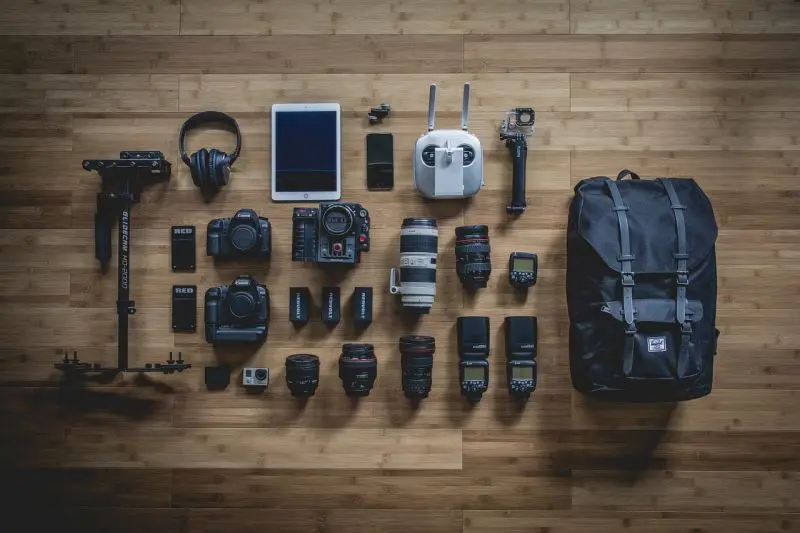
Take the right equipment
Whether you have to venture into an unknown jungle or a city, you will have to carry all your equipment on your back. Weight is therefore an important factor to consider, to avoid ending the day with a tired back and shoulders.
So choose the lenses you will actually need and leave at home those that “but you never know...”.
The tripod it must be sturdy but lightweight. Consider possibly a model to which you can attach a backpack to weigh it down and thus stabilize it.
A “bean bagto rest the camera on, it can be useful in many cases and doesn't weigh much (you can also use the neck pillow you use on planes).
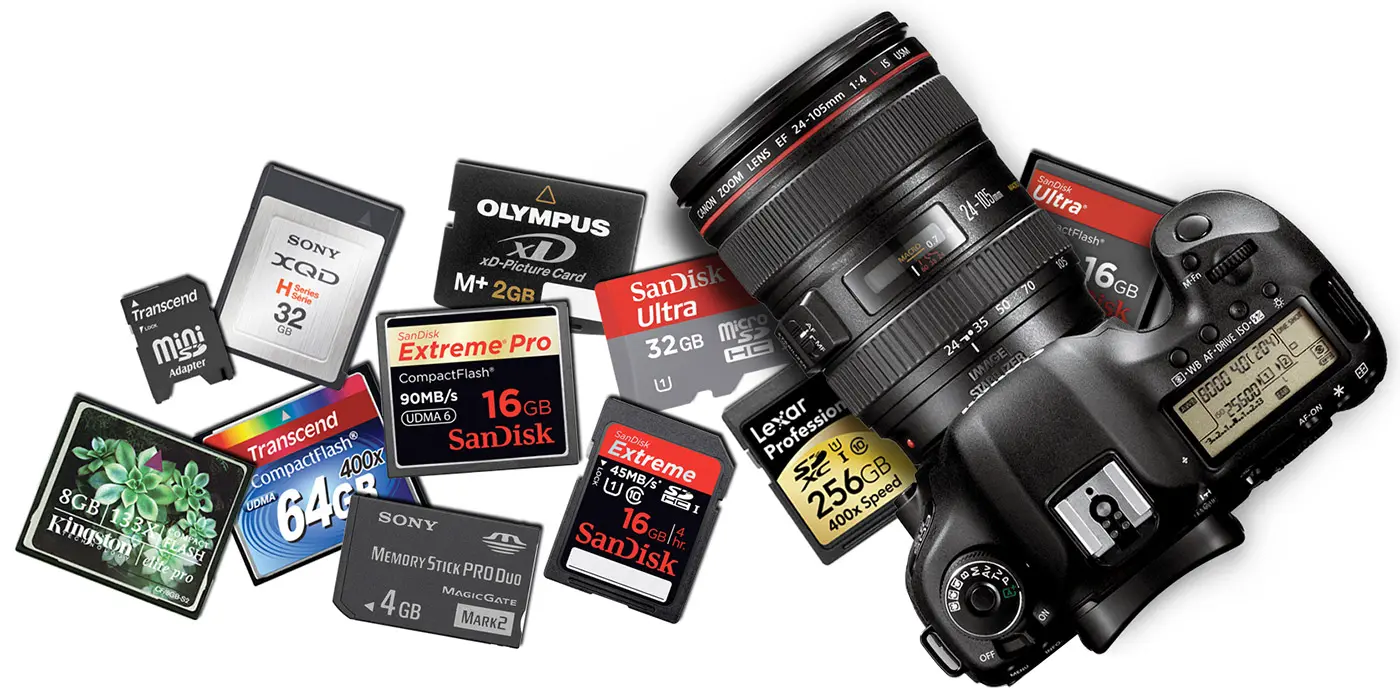
Take enough memory cards and possibly a portable hard drive to download your work onto in the evening.
Include a waterproof sheet lightweight one. It can be useful to protect your equipment from bad weather, but also to lie on so you don't get dirty if you need to shoot at ground level.
Don't forget batteries and charger, especially if you go to cold climates (which reduce battery life). In that case, also include a hand warmers, useful both for your hands and for keeping batteries warm.
Put everything in the backpack. Can you carry it comfortably? If not, try to reduce or split the gear with a travel companion, or consider a different backpack. Obviously, if you use a backpack, watch out for pickpockets!
Test all the equipment if it's new
New equipment is like a new pair of shoes: never use them on a long trip if you haven't tried them out. So, test all the gear check that it works as you expect and make sure you know how to use it well. If needed, download the user manuals to your phone.
Study the location
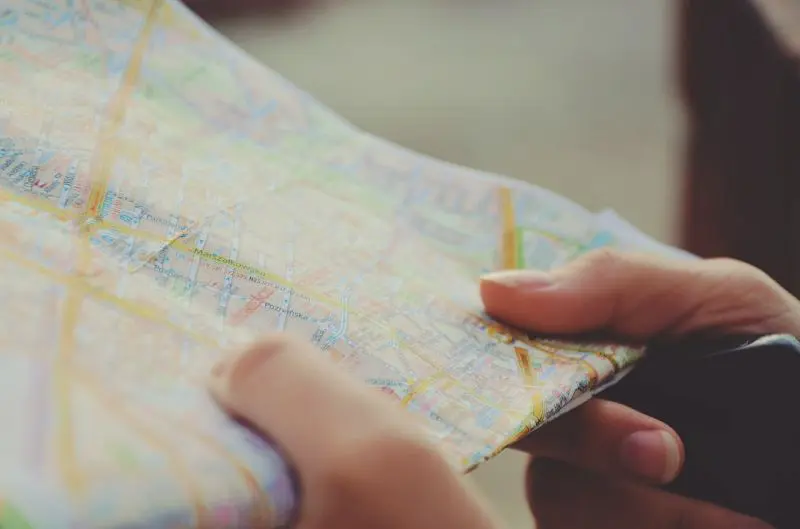
Before leaving, try to understand the place you will go to. Use Google Earth to find panoramic spots or special views. Use programs like SunCalc to understand the position of the sun on a given day and make sure it is in the correct position when you are on site.
It would be a shame to arrive at the chosen location and then discover that just a few hours' difference would have placed the sun in the best position for a fantastic photo. Create a route map. Also check the weather forecast. In this regard, always keep a Plan B in mind; an alternative destination can always come in handy!
Don't include too many locations
The more places you include in your trip, the less time you can dedicate to getting to know a specific location. This means you risk having lots of holiday photos but fewer opportunities to explore the light and more unusual places.
Research the history and culture of the place
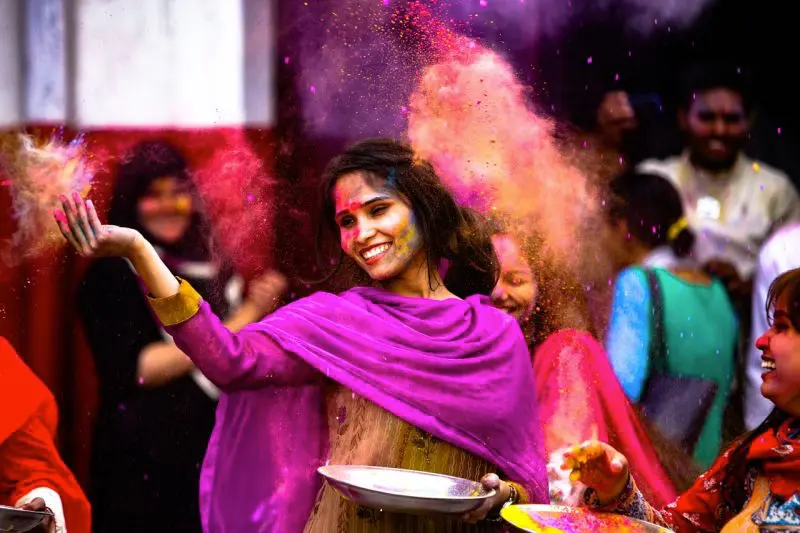
Knowing the place and the culture of the local people you want to visit allows you to tell a story, as well as to plan the trip at the best time to capture certain special aspects (festivals, events, ...).
So try to plan a photographic trip when you can also capture unusual aspects of the culture of the place you will visit.
Use social media and the web
See what others have photographed of that place and try not to replicate the same images. Look for new viewpoints and new compositions. This way your photos won't be mere copies of what others have done.
Now it's your turn!
Ready to plan a photographic trip?
Ready to go?
If you want to see on Amazon:
\t
bean bag (here)
\t
hand warmer/charger (here)
\t
tripod (here)
\t
camera backpack (here)



