
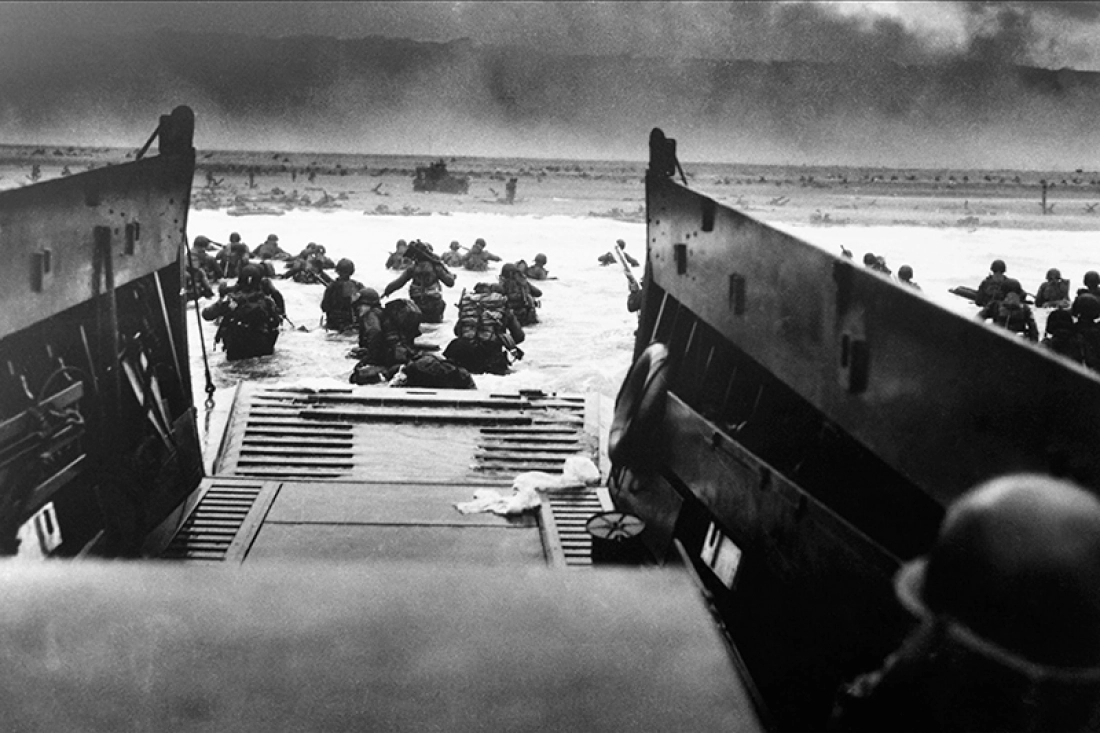
The June 6, 1944 is known as the D-DAY, the tragic day of the Normandy landing, an epic and tragic event that changed the course of history.
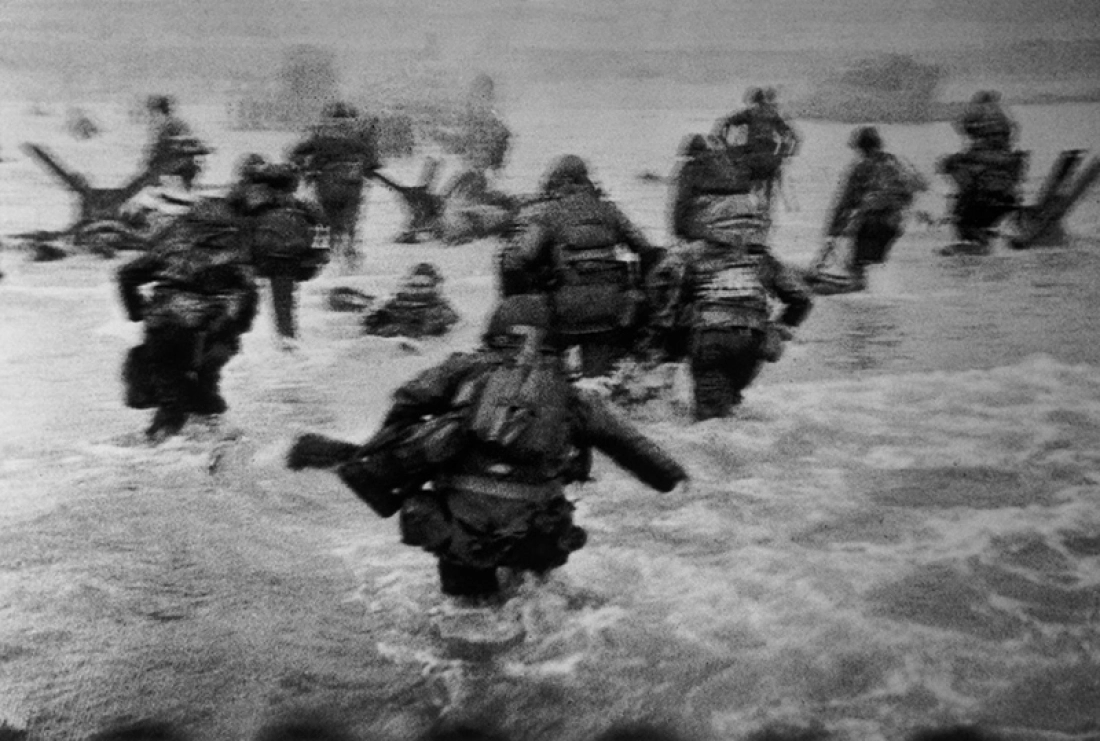
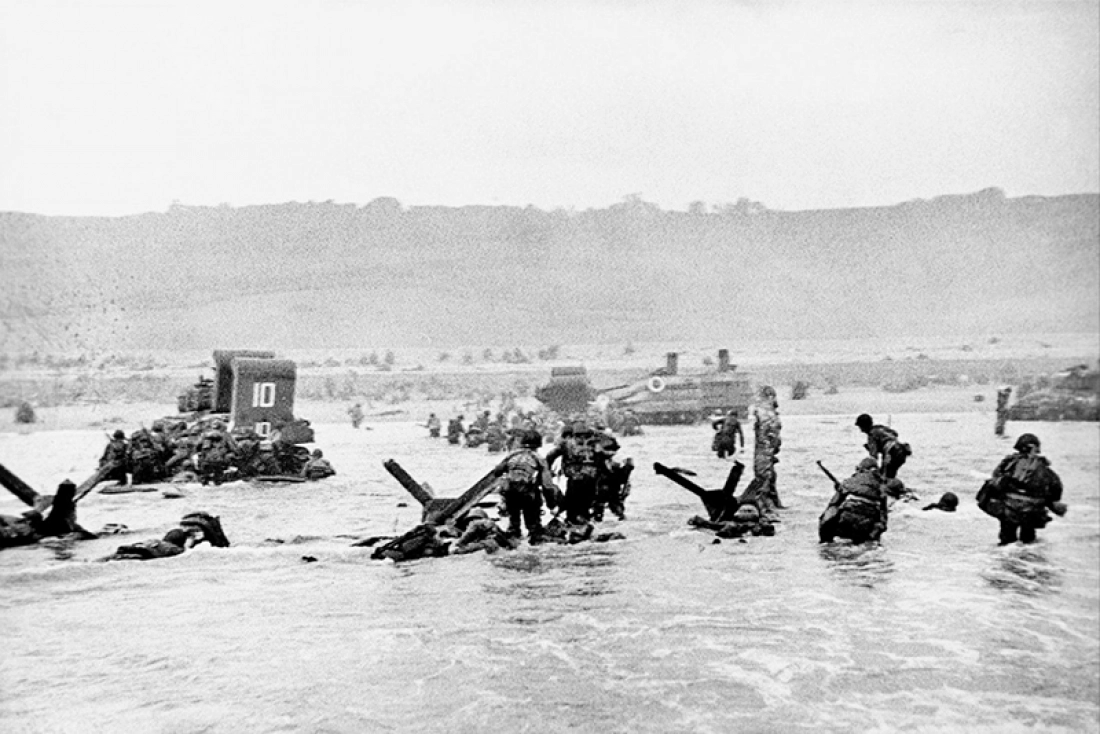
Alongside the thousands of soldiers ready to invade the beach of Omaha beach there was Robert Capa, a Hungarian photographer, called to document the delicate phases of the landing along with a few other photographers who, however, managed to document almost nothing or died immediately on the field.
Armed with two Contax II cameras, the photographer Robert Capa documented the second assault on Omaha Beach, later defined as one of the most intense war reports of all time.
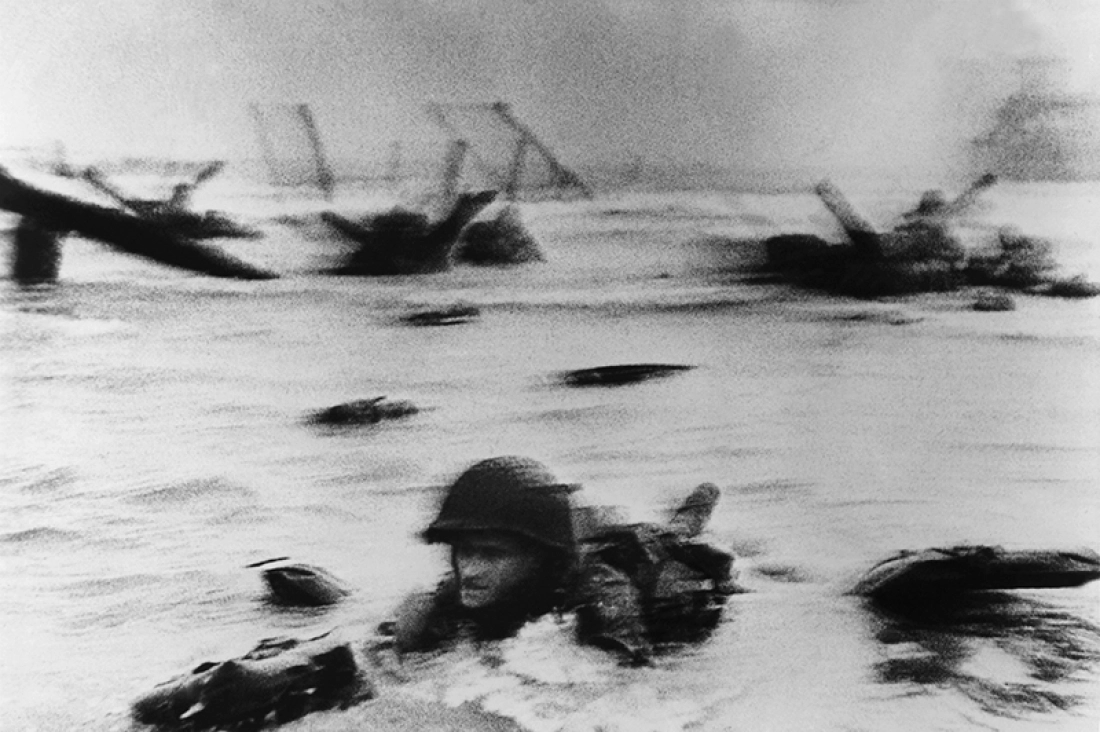
Capa managed to take 106 photographs of D-Day that were immediately sent to London at the headquarters of Life, the magazine for which Robert Capa worked.
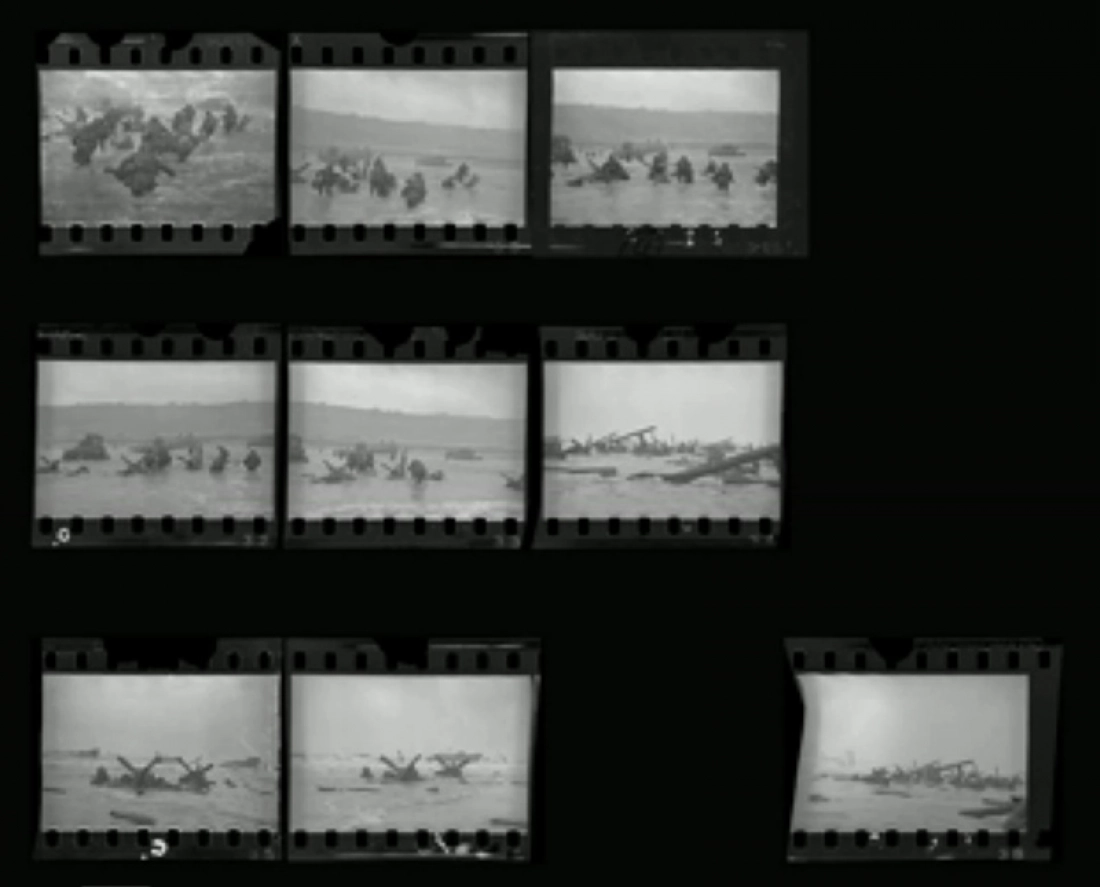
The 4 rolls sent were immediately developed but a young assistant, in haste, forgot to turn on the ventilation of the dryer used to dry the rolls and unfortunately 3 out of 4 were thrown away!
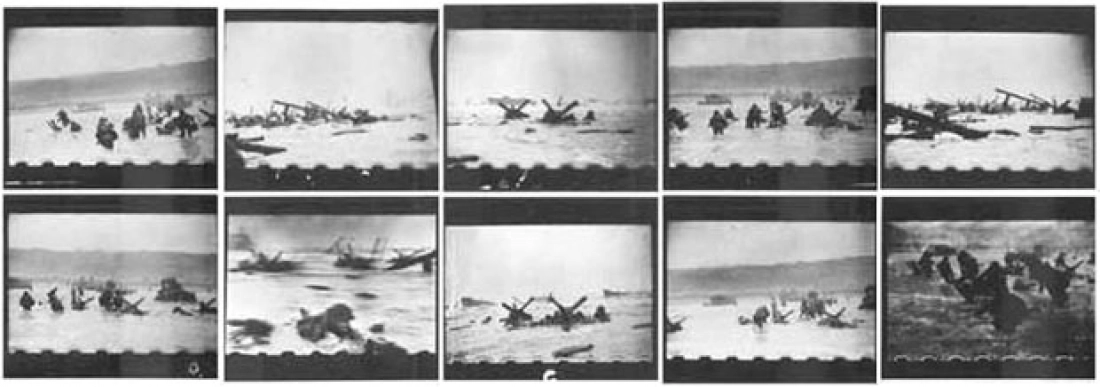
Fortunately, on the last remaining roll, were saved 11 photographs (some of which you see in this article) that were immediately dubbed "Magnificent Eleven".
These 11 rather blurred images also inspired Steven Spielberg the making of the film "Saving Private Ryan" and are the ONLY photographs in the world that document the day of the landing at Omaha Beach!
A saying by Capa, which became very famous in the photography world, goes: ""If your pictures aren't good enough, you weren't close enough" and judging by his shots, you certainly can't say he wasn't close to the soldiers who landed on D-Day!
 Robert Capa
"The soldiers waist-deep in water, their rifles ready to fire, the anti-invasion water defenses and the beach shrouded in smoke: all this was more than enough for a photographer. I stopped for a moment on the deck to take my first real images of the landing. The sea was freezing and the beach still about a hundred meters away. While bullets were whizzing around me, piercing the water, I headed towards the nearest steel barrier" said Robert Capa in an interview.
Robert Capa was undoubtedly an extraordinary photographer of a world that no longer exists.
In the digital age, there will no longer be film rolls accidentally ruined, nor photographs arriving weeks after the events they are meant to witness.
But one thing hasn't changed: if we still want images from the horrors of war, someone will have to decide to risk their life to take them just as Robert Capa did.



