
RAW Format: 8 Reasons to Use It for Your Photos
The RAW format It is a file format used by digital cameras that stores images in an unprocessed raw format. Although the RAW format is less common than standard JPEG files, it has a number of important advantages for professional or amateur photographers. Here are 8 reasons to use the RAW format for your photographs.
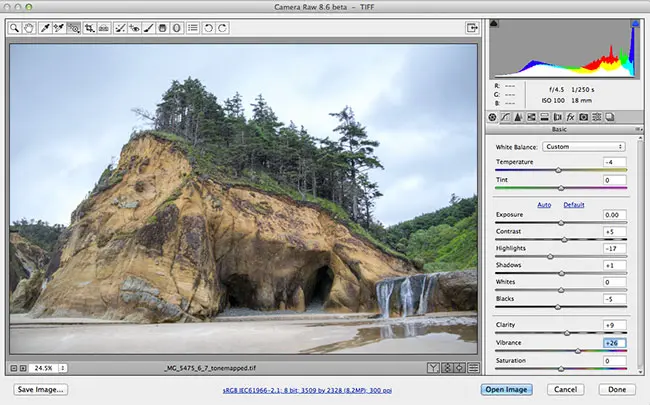
- Greater flexibility in post-production: the RAW format offers greater flexibility in post-production compared to JPEG files, as it records every detail of the image without any compression. This means you can easily adjust exposure, contrast, tone, and many other parameters, achieving high-quality results.
- Better dynamic range: the RAW format records a wider dynamic range compared to JPEG files. This means that details in highlights and shadows are better captured, offering a more balanced and detailed image.
- Higher image quality: thanks to recording unprocessed raw data, RAW files offer higher image quality compared to compressed JPEG files.
- White balance adjustment: the RAW format allows for more precise white balance adjustment, enabling you to achieve a more accurate and balanced image based on the lighting.
- Better noise control: the RAW format records less image noise compared to JPEG files, which means you can more easily remove any unwanted artifacts from the image.
- Better image detail: the RAW format allows you to preserve all the details present in the image, which implies higher image resolution even after editing.
- Image recovery capability: the RAW format allows you to easily recover even images that appear damaged or overexposed, offering a greater chance to save your photographs.
- Easy access to data: many cameras today offer RAW files at a lower cost or even for free. This means that the photographer can easily access their data without having to purchase expensive post-production software.
In summary, the RAW format is a smart choice for those who want more options in post-production and better image quality. It will take some practice to become familiar with the post-production software needed to work with RAW files, but the learning curve is definitely worth it.



