
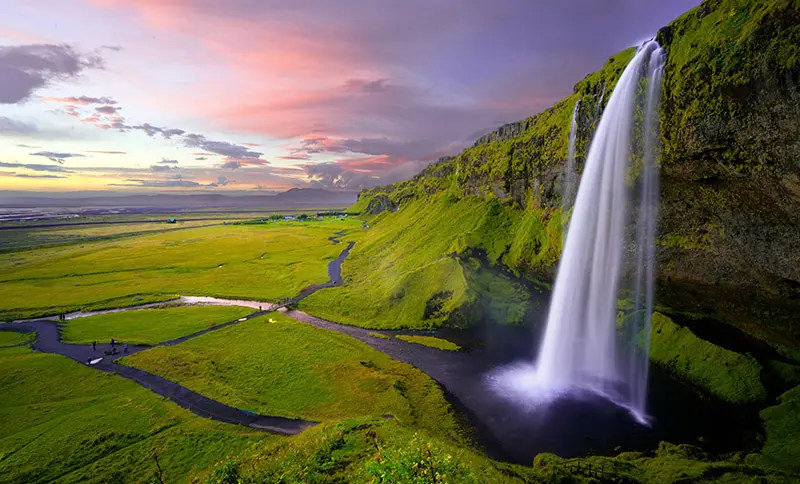
 We all do errors when we take photos. Obviously, the more inexperienced we are, the more our mistakes increase.
Learning from our own mistakes is effective, but also observing the work of others is useful because it allows us to explore countless mistakes we would never have thought to try!
So let's see what the seven most common mistakes are in landscape photography and how we can avoid them:
#1 – Including distracting elements
The distractions are all those elements in the photo that divert the viewer's attention. Fortunately, it is not that difficult to solve this problem; you just need to be aware of it and look for it.
Look at the photo below: if your subject is the hills in the background, the presence of the sign on the left is a distraction and you should try not to include it in the shot.
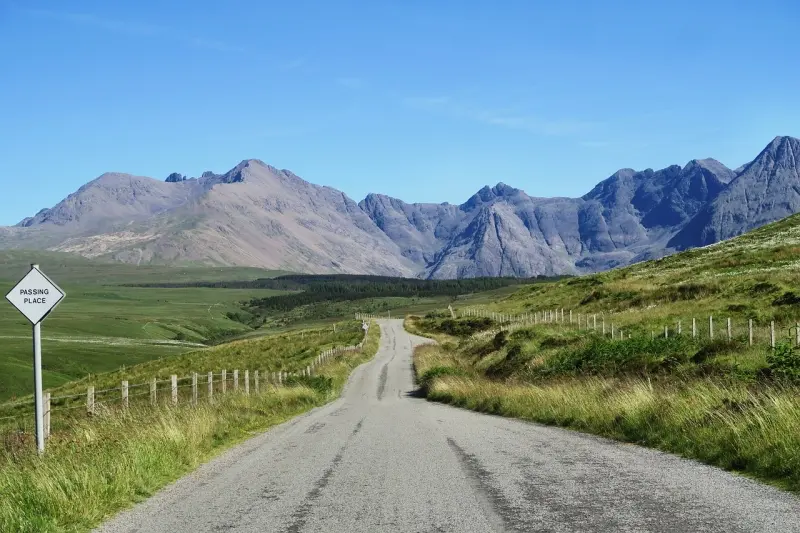
Often it is much easier to intervene before shooting, for example by slightly changing your position or angle, than to fix it in post-production.
Sometimes, however, the presence of a sign gives a precise indication of the time and place where the photo was taken or marks a specific end or start point of the leading lines. In such cases, including it may be better. It is up to you to be clear about what you want to achieve.
#2 – Too much concern about technology
Another mistake many beginners (and even experienced photographers) make is not worrying about taking the photo, but about adjusting the too many parameters of the camera.
If you are just starting out, your camera settings might seem a bit complicated and you will probably have to spend a lot of time and effort thinking about and setting everything up.
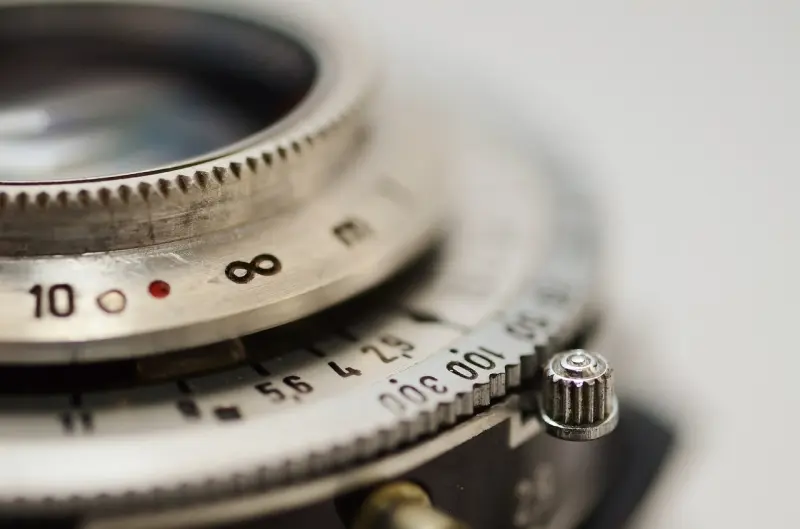
For this reason, as already indicated in the article related to travel photography, EVER starting a photo session without knowing your equipment well.
The adjustments must become more or less automatic. We need to remain focus on the composition of the image rather than on wheels and gears!
If you want to learn composition techniques from a great teacher, I recommend the two books below:
A high-end DSLR definitely delivers a better image. But sometimes you just need to focus on the light, the composition, and the world around you and forget about settings and equipment. That’s why sometimes it’s good to go back to basics and simply shoot with your phone or your old camera.
#3 – Ignoring the light
The light and the shadows add a lot to the photo and in fact they create the photo. Light helps highlight certain elements and can really make a difference.
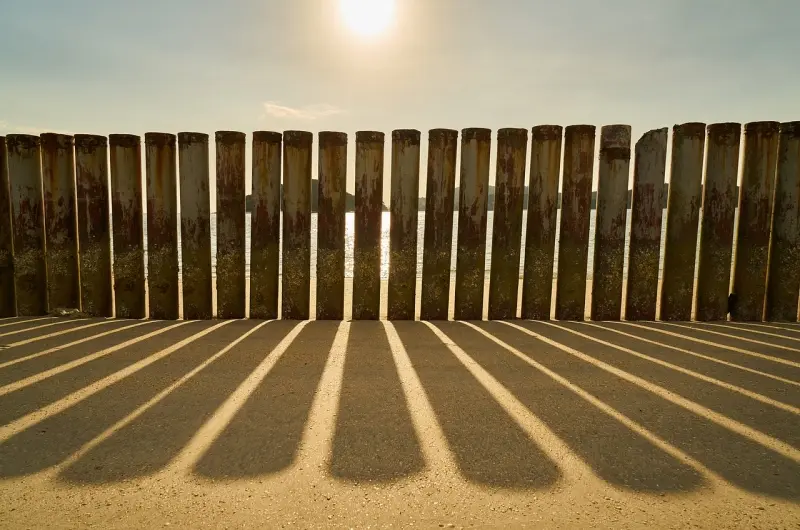
So, remember to appreciate the lighting, observe it, and think about how it can improve your images.
#4 – Using the weather as an excuse
We’ve all done it, going out in the rain, snow, or wind isn’t pleasant. But the truth is you can take amazing photos in any weather condition and the elements can add movement and drama to your images.
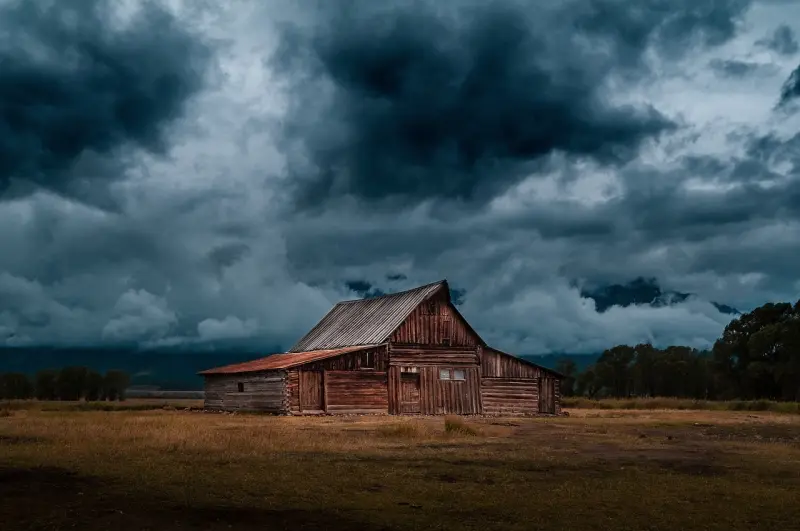
If a day is cloudy and dull, you can always use it to shoot portraits, the light is diffused and does not create harsh shadows on facial features.
Also, rainy days can be a great time to capture streets or landscapes because of the reflections that you don't see on a sunny day. Simply, try to make the most of the weather conditions and turn them to your advantage.
#5 – Staying too little time in one place
When you go to a place, don’t just take a series of photos and then immediately move to a different location. Instead, stay there for a while.
Sit down, enjoy the view, and have your coffee after taking the shots you planned. As the day passes and the light changes, even the same scenes will look different.

So, don’t visit many locations in one day. Rather, choose one, spend some time there, and try to make the most of it.
#6 – Not setting up the camera correctly
Don’t blame your camera and its settings if you can’t take good photos. Most of the time, your shots won’t be good because of you. Maybe you didn’t position yourself correctly or you didn’t choose the right settings.
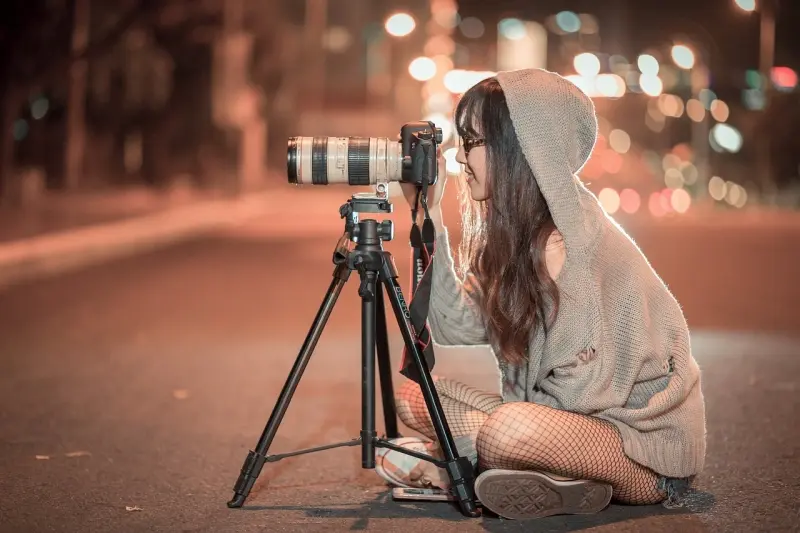
For example, it’s not the camera’s fault if you forgot to change ISO when you wanted to shoot a sunset or when you move from a bright outdoor scene to a dark indoor one or vice versa.
In any case, focus on what you can do to make the best use of your camera and your skills.
#7 – Not post-processing your photos
The final mistake many beginners make, not only in landscape photography but in all photographic genres, is not investing enough time in editing their photos. The fear is that spending a lot of time in post-production would make the photo excessively edited, unreal, and fake. But this is not necessarily the case.

The trick is to spend a little time making the most of your images and correcting imperfections, while still keeping them natural.
And you? Do you make any of these mistakes? Or did you when you were a beginner?



