
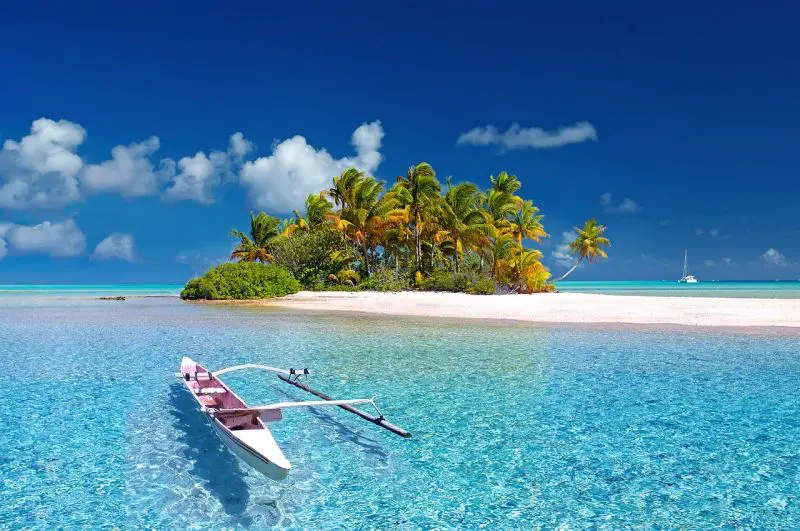
 Professional seascapes are often seen as a subset of landscape photography, although seascapes have their own specific peculiarities to consider when doing a photography session.
If we search on Google for an image of a typical seascape, we will surely get a lagoon, a sandy beach, a beautiful blue sky and, why not, a nice cluster of palm trees by the sea: the classic postcard shot.
Rarer are the images of stormy skies and seas, surely taken in less conventional and comfortable conditions. To get an image different from the usual ones, we must therefore plan our shot well, moving along the coast in search of unusual landscapes with unique views.
Safety first
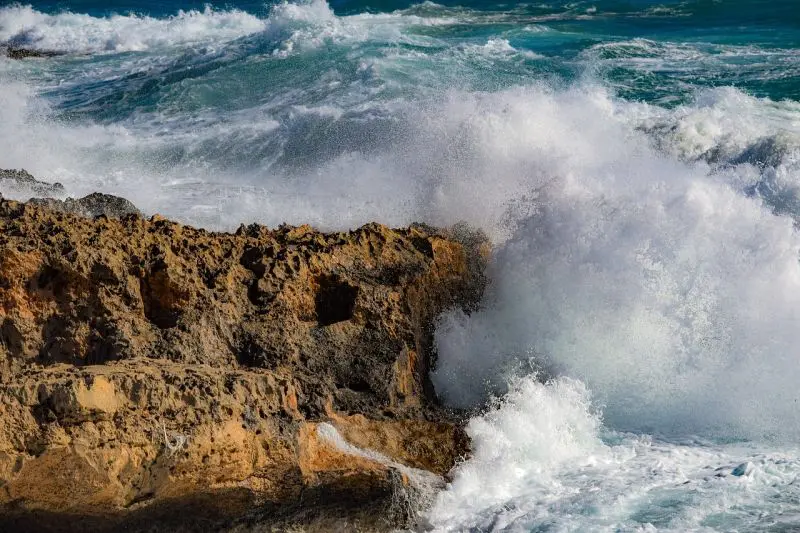
Photographing marine landscapes can be dangerous. Very often we will have to move along rocks that, if wet from water splashes, can be slippery and sharp.
This is not the case in the Mediterranean, but in some areas we must also consider the tide fluctuations which can be significant: what was a dry path could, in a short time, be flooded by water. Similarly, what seems like a safe beach could actually be a trap that traps us with quicksand mud.
So, never move alone and never be “too involved” in our photo session: keeping an eye on our surroundings is always necessary.
If we are on rocky outcrops, we must consider the waves and splashes that can break and thus wet and damage our photographic equipment. A waterproof protection can therefore be a good idea.
Let's look at some considerations to avoid trouble.
1. Tide
A good idea, to avoid trouble, is to know the movements of the tides. In many seaside towns, tide tables are available or can be found online. Services such as Meteopesca or Meteo Consult Marine, can be a valuable resource.
Knowing how the tides move is necessary for working safely.
For example, if you want to photograph Mont-Saint-Michel, remember that at low tide the sea is 15 km from the shore, but the tide comes in at the speed of a galloping horse with the sea level rising 15 meters between low and high tide.
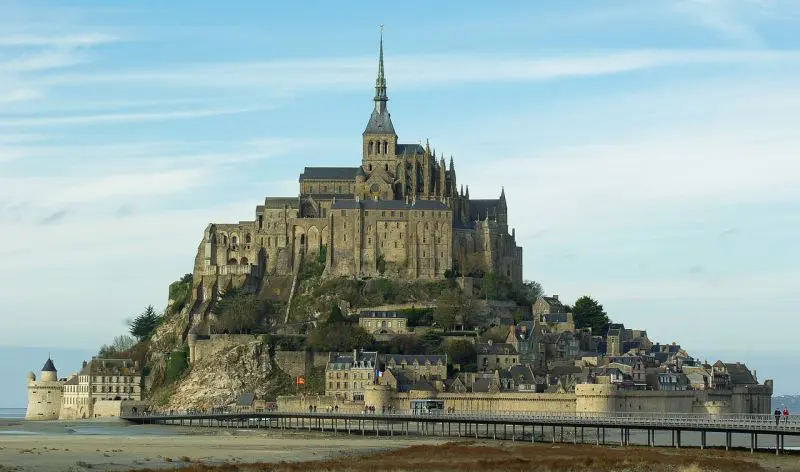
Being in the wrong place at the wrong time can be very dangerous.
Also knowing the sea conditions will allow you to better plan your images: if you want to photograph rough seas, finding the sea flat as a mirror is a problem! It’s also a good idea to talk with local photographers or fishermen to find out how the tide is moving.
2. Weather
Most coastal areas can be unpredictable in terms of weather. Wind changing direction can make access to a certain area problematic.
Make sure to check the weather forecast for three or four hours before planning the shot and an hour or two after you plan to finish shooting. Sometimes weather conditions, especially wind, can make the photo session difficult. Consult a reliable weather forecast app.
3. Location
You have to decide where you want to photograph from: from the beach, the rocks, or the elevated cliff?
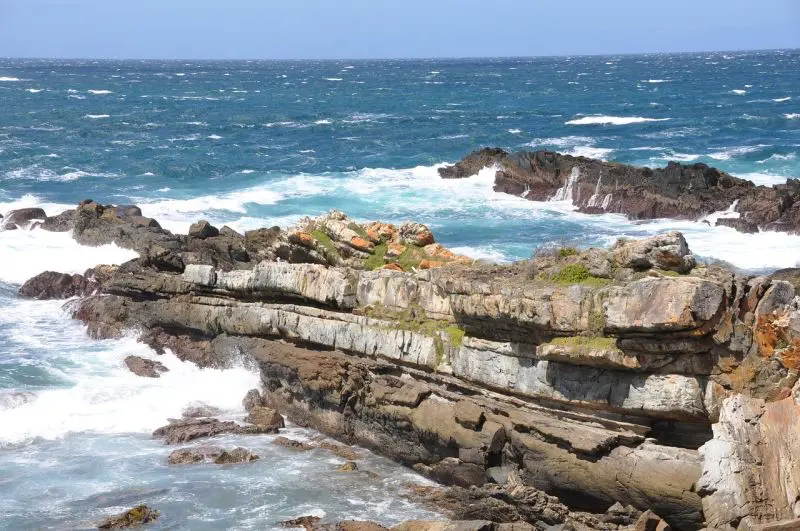
This will determine the type of personal equipment you will need to bring with you. The terrain conditions where you are moving affect your equipment: even if you are at the sea, hiking boots and long pants may be more suitable than flip-flops and shorts if you have to cross rather rough areas.
It's also a good idea to pack an extra sweater or rain jacket because you might get wet or cold very quickly.
Make sure to check what the position of the sun will be when you have planned the shot. There is nothing more frustrating than being in the shadow of a headland with 80% of the scene in shadow while the sun sets. A service like Suncalc can be useful for this purpose.
If you are on a rugged coast, remember to check where the sea recedes at low tide; with the return of high tide, it might be impossible to retreat and you could get trapped.
4. Lighting
It's easy to forget lamps or flashlights when walking along the beach under the warm sunlight to reach the shooting spot.
You might stay in your position until it gets dark and when you decide to return, you realize there is no lighting and the way back has changed because the tide has come in.
Don't forget to bring a flashlight with you every time you do any kind of landscape photography, but especially when you take photos of seascapes.
Risking moving at night on dangerous terrain is not advisable!



