
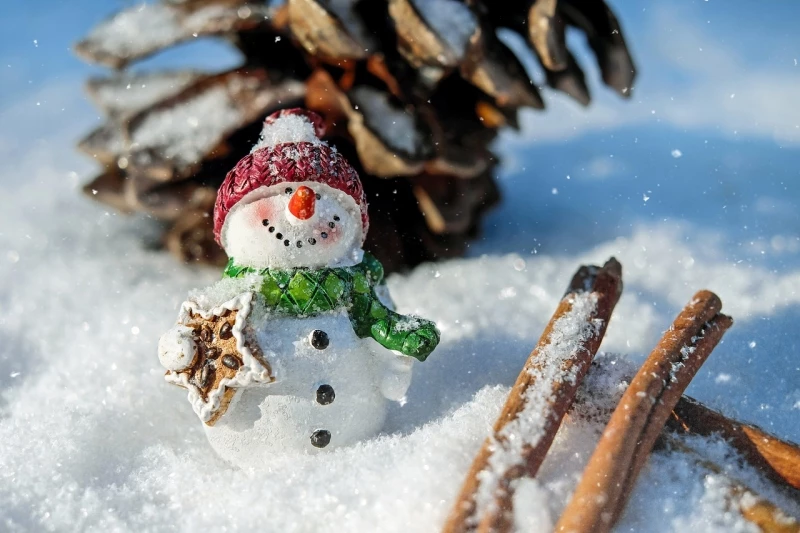
 The winter photography can be very fascinating: certain muffled and mysterious atmospheres can only be captured during the cold season.
However, such photography can be very stressful for photographic equipment and it is therefore necessary to carefully protect all devices from the most extreme environmental conditions.
Below are some basic tips that must be followed to preserve your equipment and also to achieve the best results from our winter photography sessions.
Grandma's first advice: dress the camera in layers
Just as grandma says to dress in layers when going out in winter, in the same way you must protect the camera, even when using professional cameras with very high weather protection ratings (IP67/IP68).
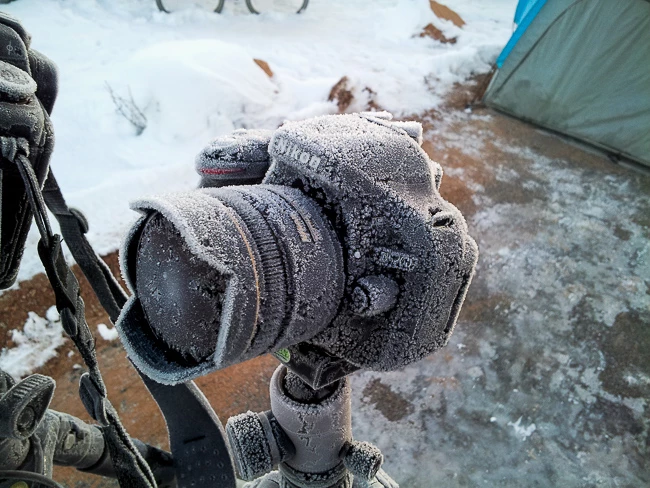
The longer the equipment remains exposed to the cold, the more problems will arise due to temperature, wind, snow, or ice.
Ice crystals or snowflakes can melt and then refreeze into small cracks around filters or lens mechanisms. It is therefore advisable to always protect the camera with a scarf, balaclava, or fleece.
Spare batteries
Another problem with the cold is battery life. The longer batteries stay in the cold, the shorter their life becomes.
In case of long winter photography sessions, it is therefore important to have a substantial supply of spare batteries (which you obviously need to make sure to recharge as soon as possible).
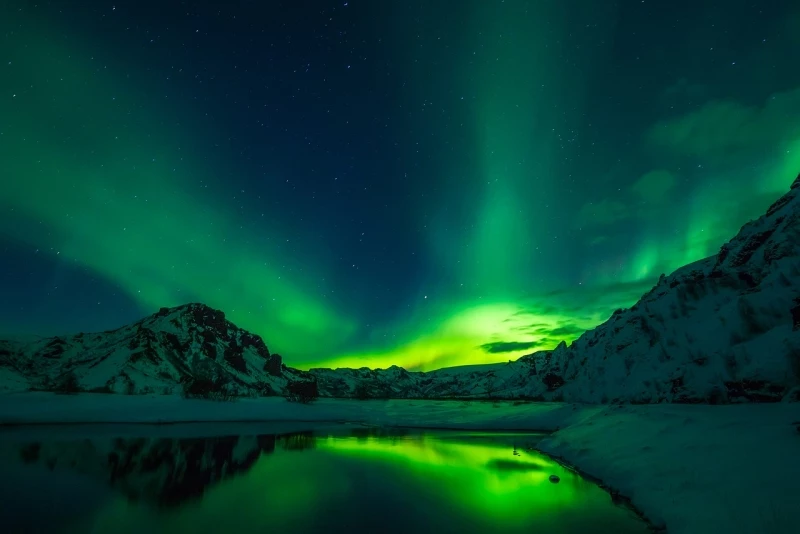
Keep spare batteries in an inner jacket pocket so they stay “warm” when you need to use them. The problem is worse if you are photographing at night, when the cold is more intense, for example, waiting for an aurora borealis.
Winter Photography - Watch the Exposure
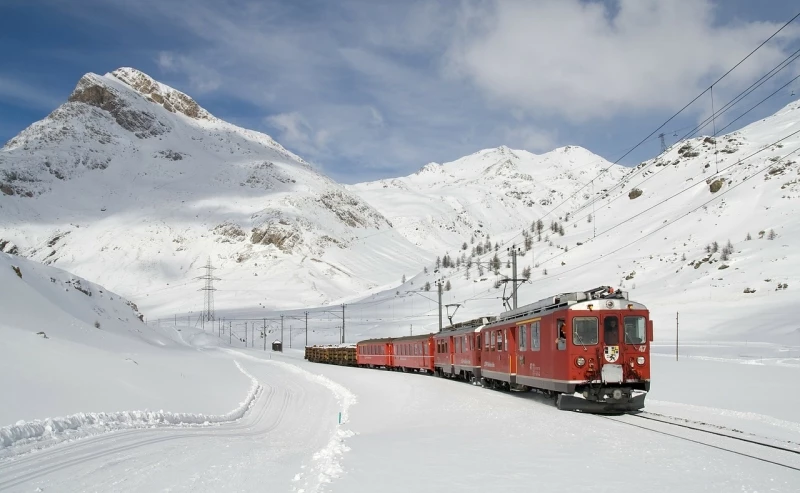
Scenes with a lot of white snow can confuse the camera's automatic light meter. Try to expose correctly the brightest parts and ensure that none of them are overexposed or blown out.
Usually, it is easier to recover details from shadows in post-production than from blown-out areas.
Use a lens hood: this way you will prevent the snow from acting like a reflector for sunlight and avoid unwanted reflections on the lenses.
Warm up your equipment gradually
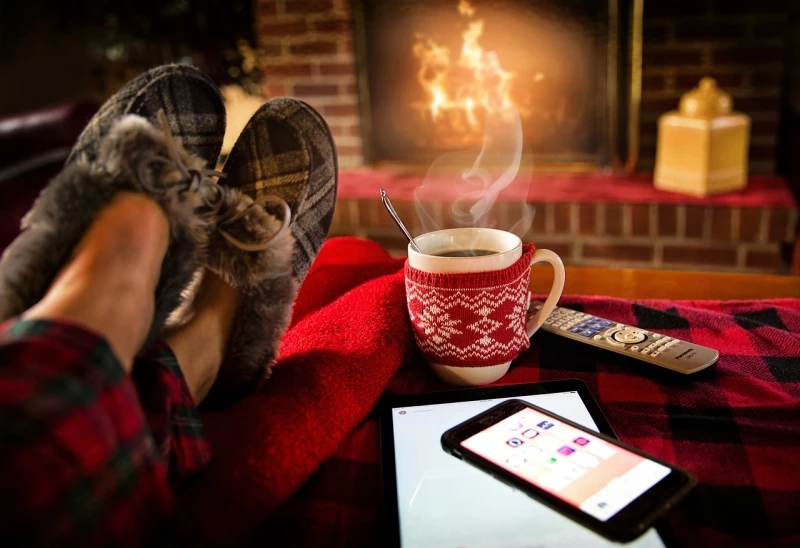
After spending a day out in the cold, of course you can't wait to get home and relax in the warmth, with a nice hot chocolate in hand, perhaps in front of the fireplace!
Unfortunately, while this is great for us, it’s not so good for our photographic equipment. The rapid temperature change from cold to warm causes moisture in the air to condense on the equipment, which risks water or moisture infiltration inside our devices.
Before going indoors to a warm place, put the camera in its bag. This way, condensation will form on the bag and not on the camera. Wait for the temperature to normalize before taking it out.
If needed, remove the memory card from the camera before going indoors, if you need to start working on the images immediately.
Winter Photography - Accessories
Besides winter clothing, remember a good pair of gloves: shooting and holding the camera steady with numb fingers is not easy. You might also bring some hand warmers, they will also help keep batteries and equipment at the right temperature in case of very cold outdoor temperatures.
Also use packets of silica gel: even if you are very quick to open the bag, take out/put away the equipment, and close the bag, some rain or snow may get in. Silica gel packets will help absorb this moisture.



