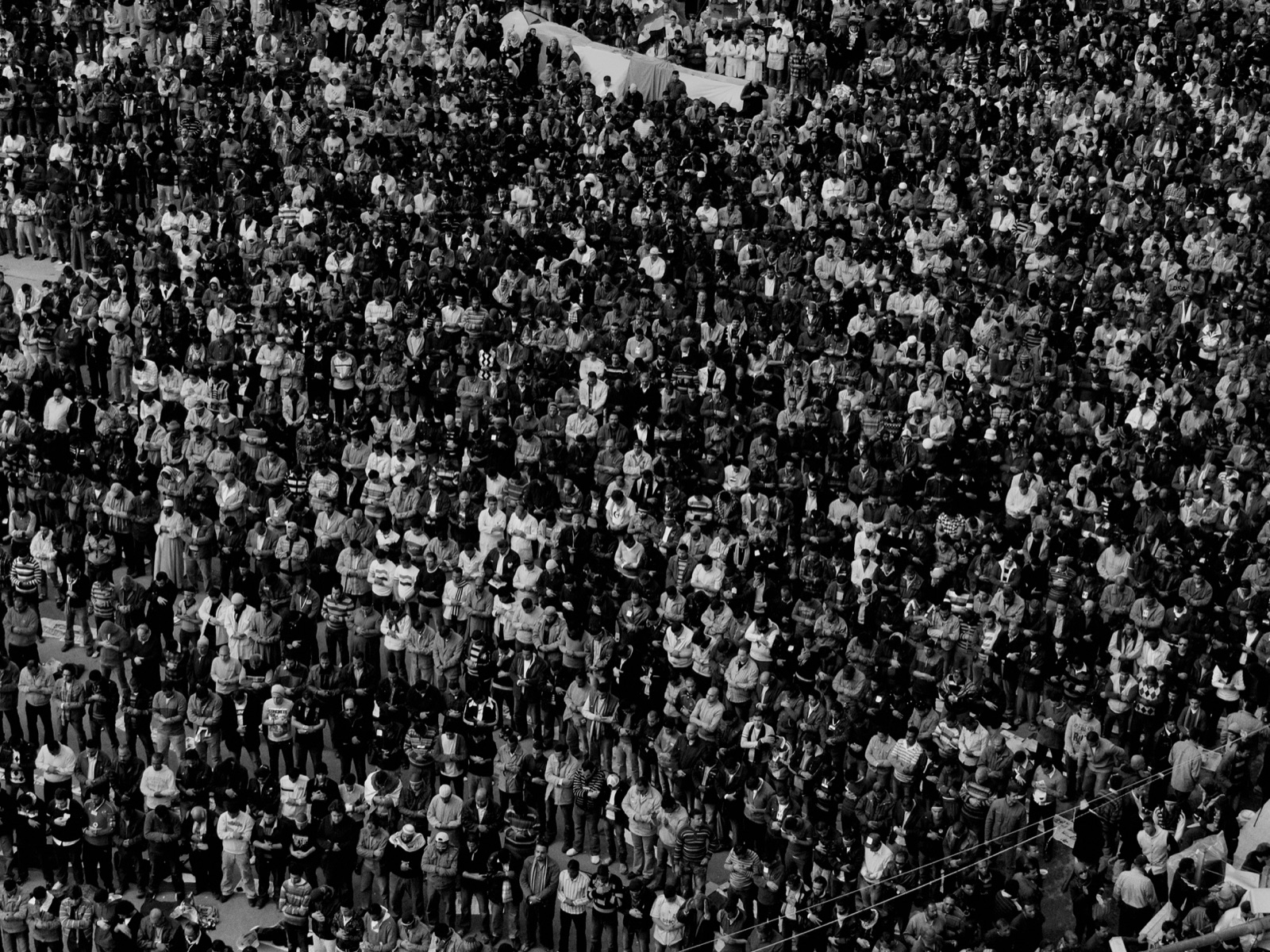
What does a crowd reveal about the place that holds it? In The Crowd, Milan-born photojournalist Gabriele Micalizzi turns that question toward the spaces people share, build and depend on. Curated by Giada Triola, the exhibition opens at Leica Galerie Milano on 29 January 2027. The selection comes from an ongoing project photographed between 2024 and 2026 in Indonesia, India and China.
The crowd as a way of reading a place
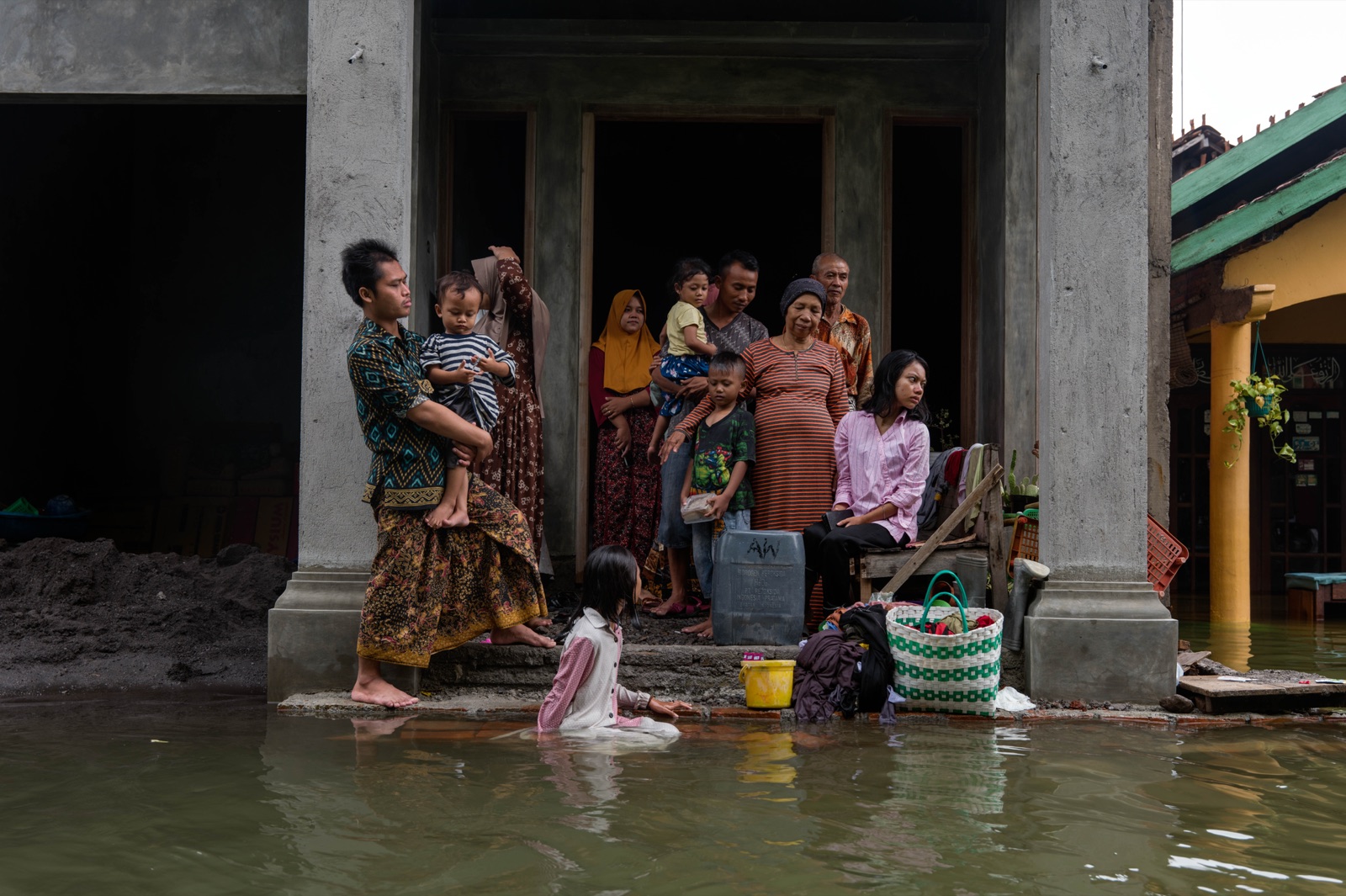
A crowd can make a place look anonymous. It can also bring the workings of that place into view. Who has room to move? What makes it possible for thousands of people to be in the same place at once? Where does public space end and working space begin? Micalizzi’s project takes these questions into markedly different settings, from Indonesian coastlines to Asian metropolises. The comparison is valuable because density never has quite the same meaning twice.
The scale of the subject can be misleading. A photograph cannot explain demographic change on its own. It can show how that change is experienced at a particular moment, and where its effects become visible. Read the photographs for the relationship between people and the spaces around them, and for the details that complicate any quick explanation.
Work, ritual and the shape of a city
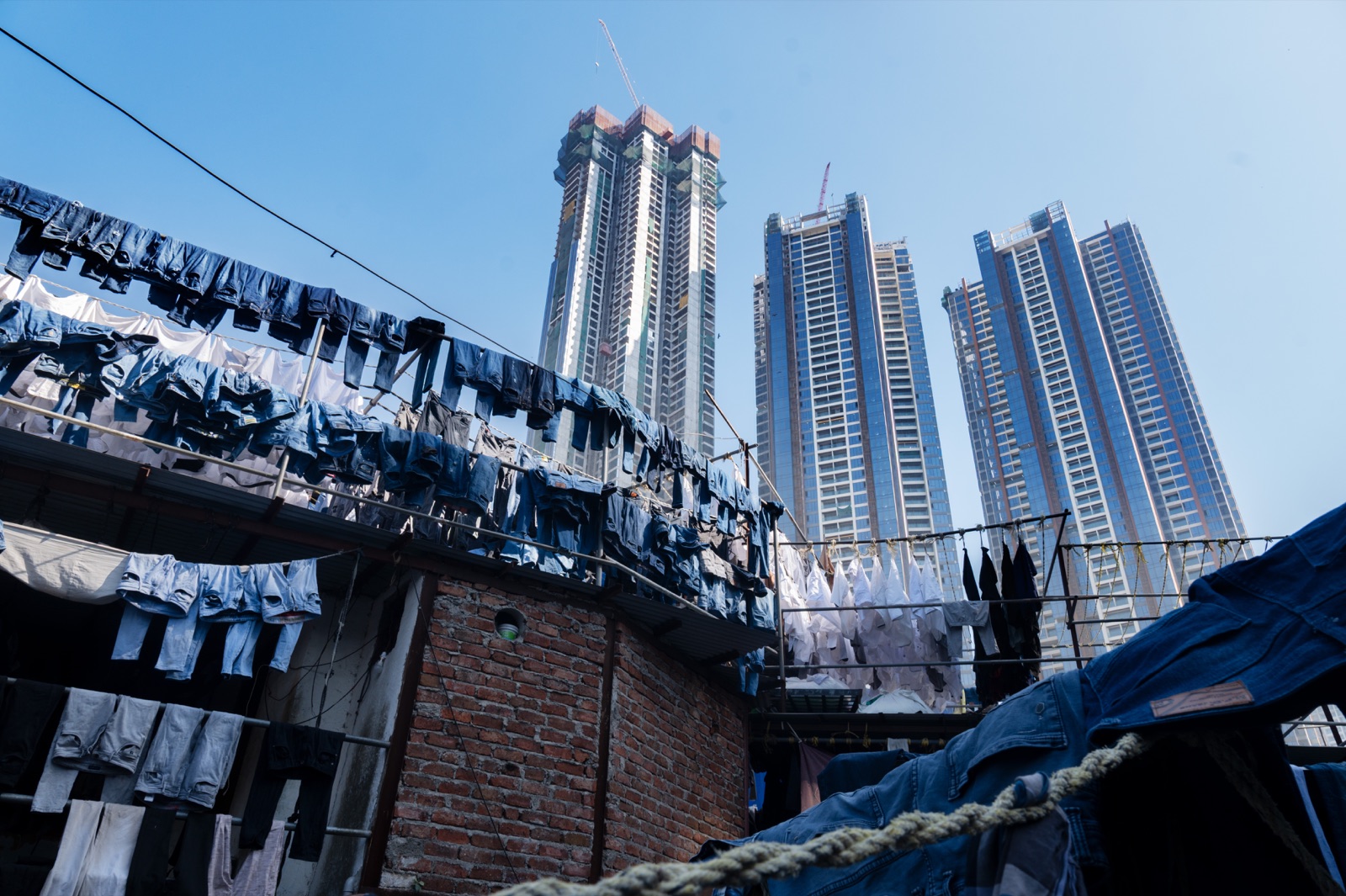
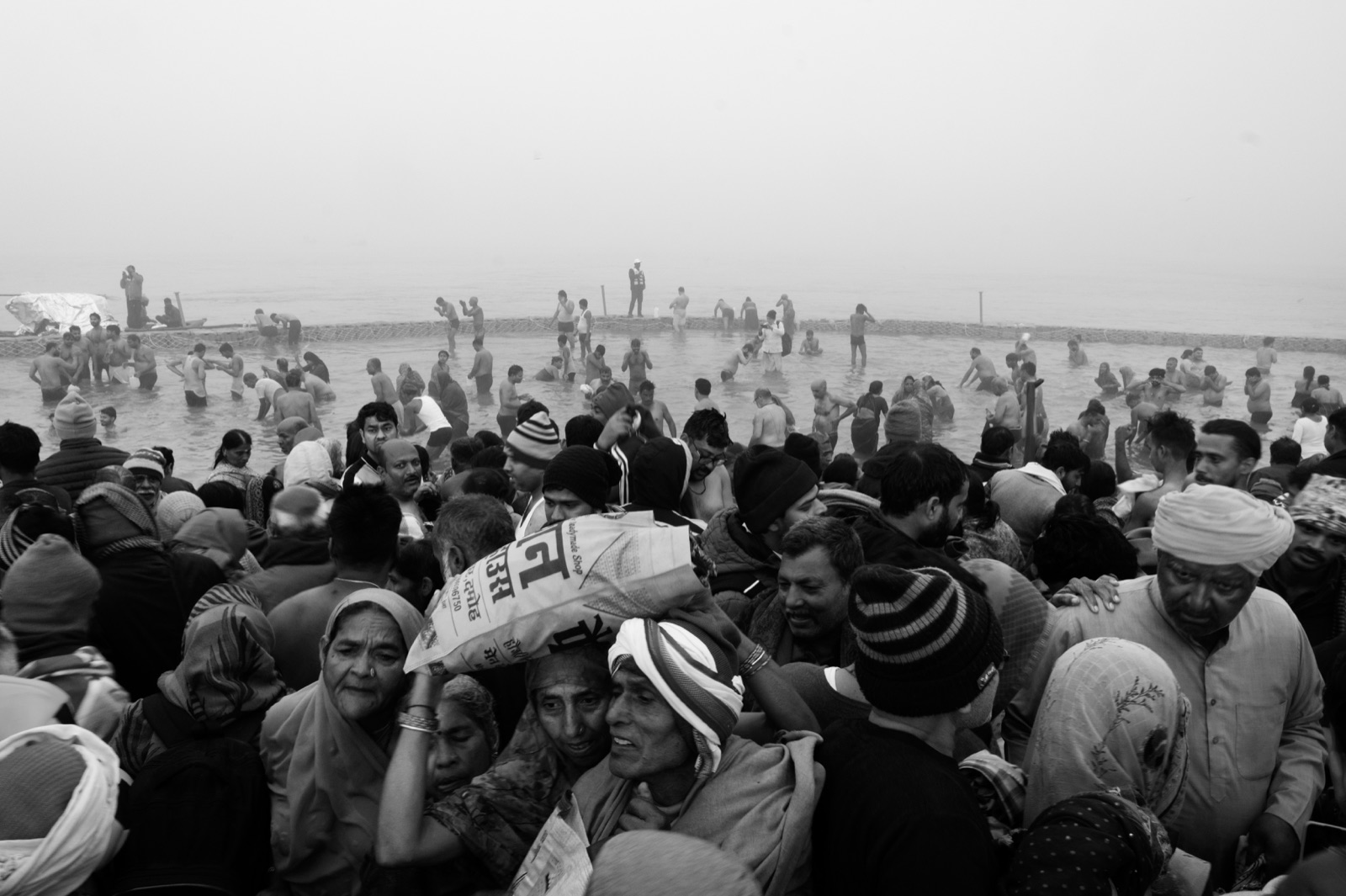
In India, the project moves between the Dhobi Ghat open-air laundry in Mumbai and the Kumbh Mela pilgrimage. Both draw attention to collective organisation. At the laundry, repeated gestures and the space needed to carry them out make work visible. At the pilgrimage, a gathering changes the use of a place for a limited time. Looking at these settings together raises a question about infrastructure: which arrangements endure, and which arise for the occasion?
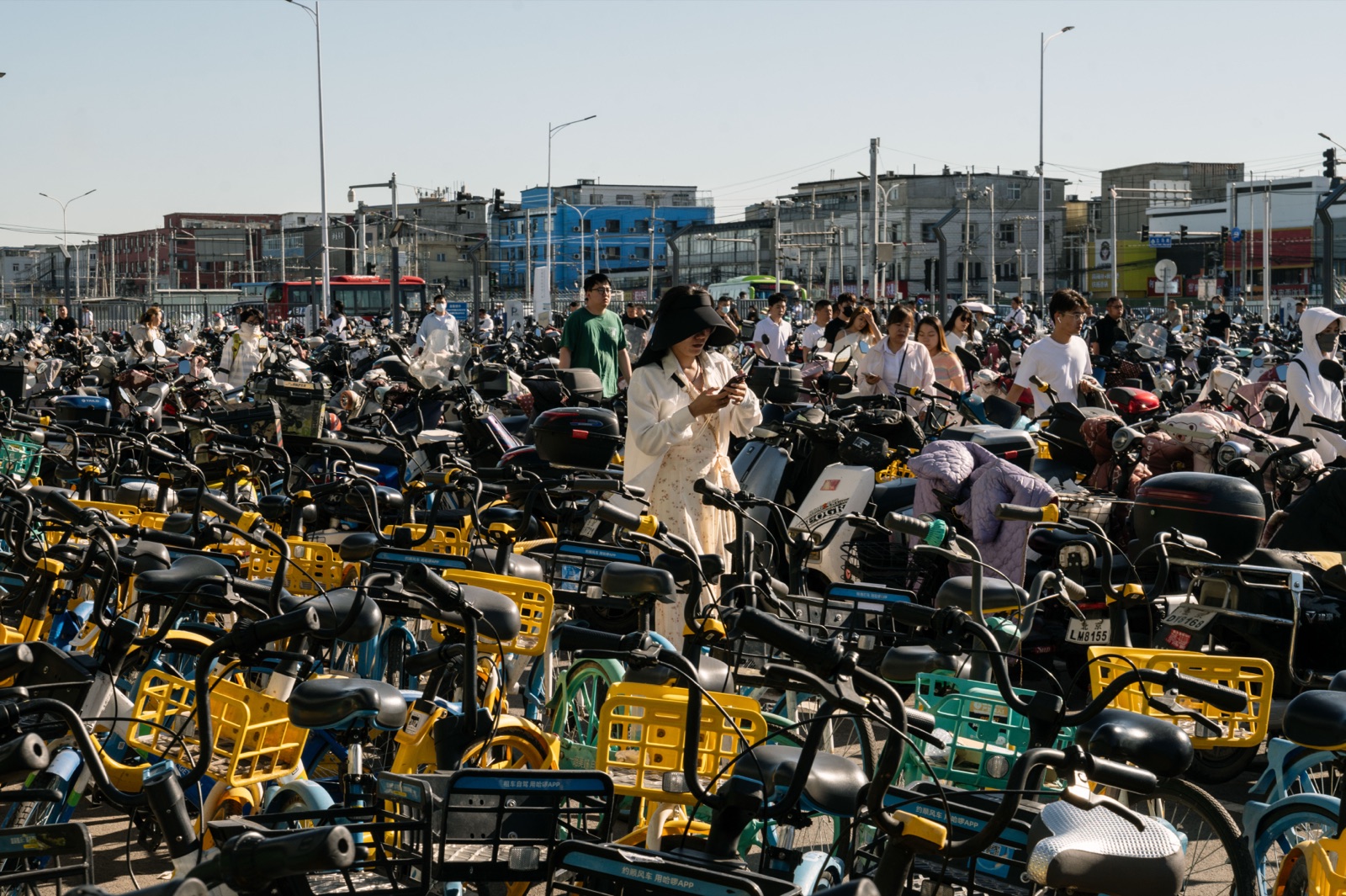
The Chinese part of the project approaches change through Beijing’s built environment, including housing complexes and concentrations of bicycles. These subjects introduce a different timescale. A building or a transport network can remain in place long after the expectations that shaped it have altered. An image of a city can hold traces of those changing expectations even when the people who made the decisions are out of frame.
Looking between the individual and the wider scene
Try looking twice at each photograph. On the first pass, see where the frame takes you: a person, a line of buildings or a repeated movement. On the second, look toward the edges. An object, a route or a boundary there may explain something that the main subject cannot. This exercise is particularly useful in reportage, where many of the relationships that give an image meaning are easy to miss at first glance.
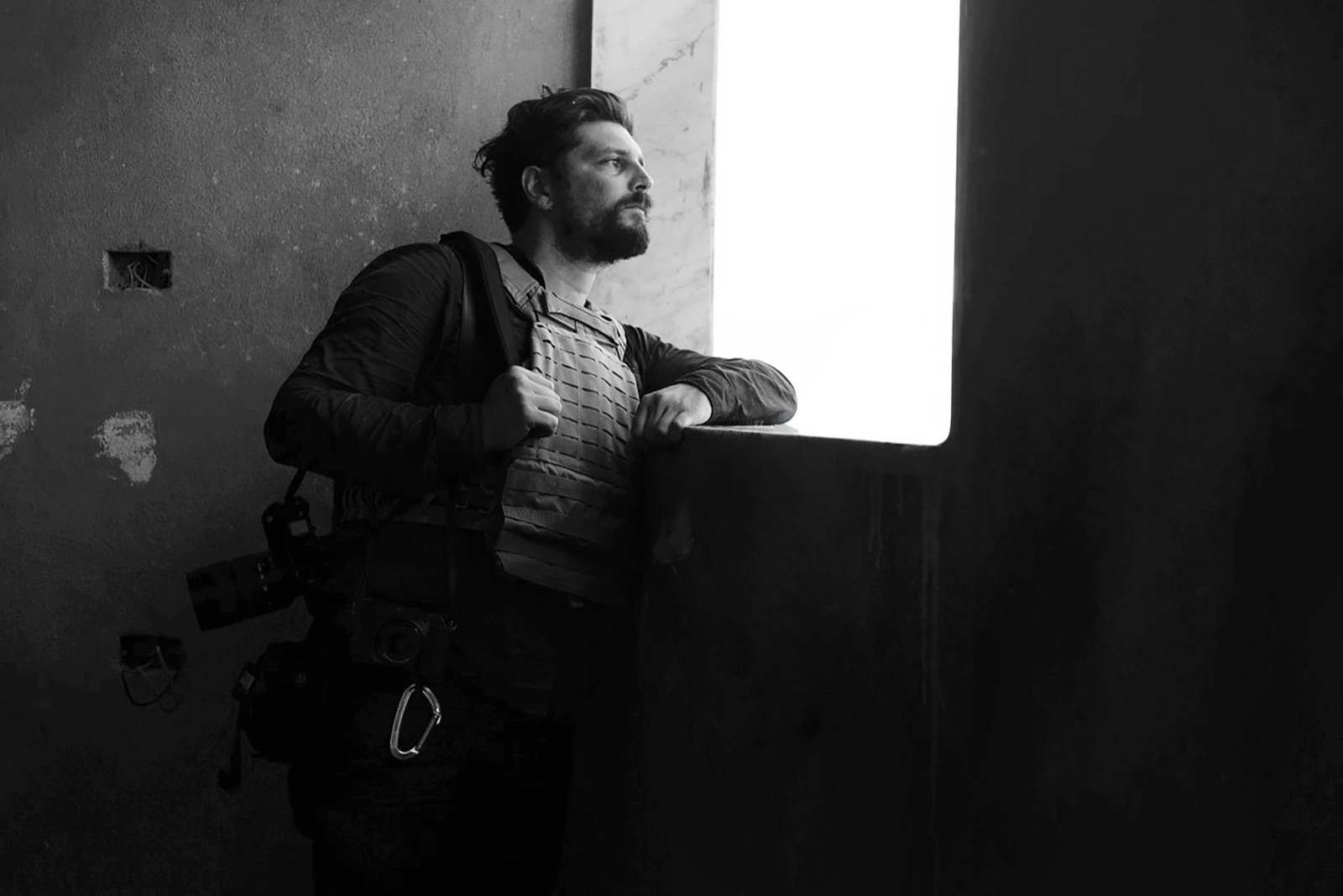
Micalizzi says he used the Leica SL3 system for the project. His account emphasises working across different environments and shooting conditions. For photographers, the question that follows is what happens to distance across a series. A broad view can describe the scale of a space. A closer view can show how one person inhabits it. Placing those views in sequence gives each a context it cannot supply alone.
Before you visit
The Milan exhibition brings together a selection from a project still in progress. A useful way to approach it is to choose one thread, such as work, movement or temporary uses of space, and follow it across countries. Pay attention to where the comparison breaks down. Those differences are among the reasons to see the works together.
Exhibition details
| Title | The Crowd |
|---|---|
| Photographer | Gabriele Micalizzi |
| Curator | Giada Triola |
| Dates | 29 January – 30 April 2027 |
| Venue | Leica Galerie Milano, Via Giuseppe Mengoni 4, Milan |
| Hours | Tuesday–Saturday, 10 am–2 pm and 3–7 pm |
| Admission | Free |
Source: Leica Camera Italia press release distributed by adicorbetta.