
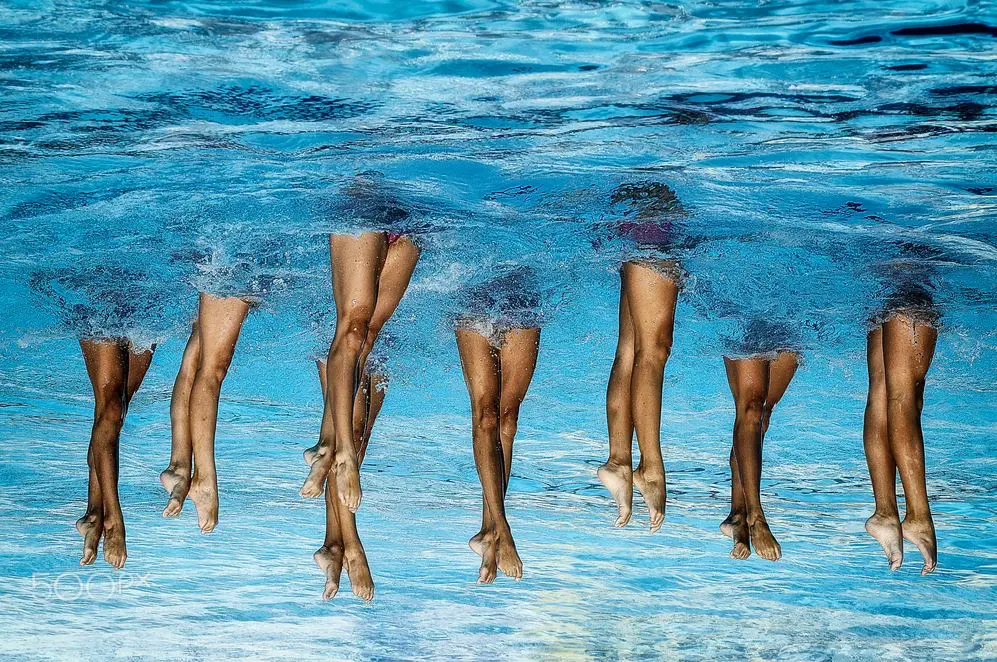
 The sports photography It is one of the most difficult photographic genres: fast-moving subjects, distance between photographer and center of action, poor lighting or coming from the wrong directions.
Just a small mistake and the shot you wanted to bring home is ruined.
The disappointment we felt for a photo that didn’t turn out as we wanted when we tried to photograph our children playing sports is a fairly common feeling for all of us.
So let's look at some tips related to sports photography that allow us to bring home a striking image, whether it’s an international event or an amateur one.
Equipment
The biggest obstacle to success in sports photography is definitely the required equipment: without a good quality camera (DSLR or mirrorless), equipped with bright and long-range lenses, it is certainly very difficult to get acceptable sports images.
All this implies that to create impactful images you will need to consider a fairly significant investment.
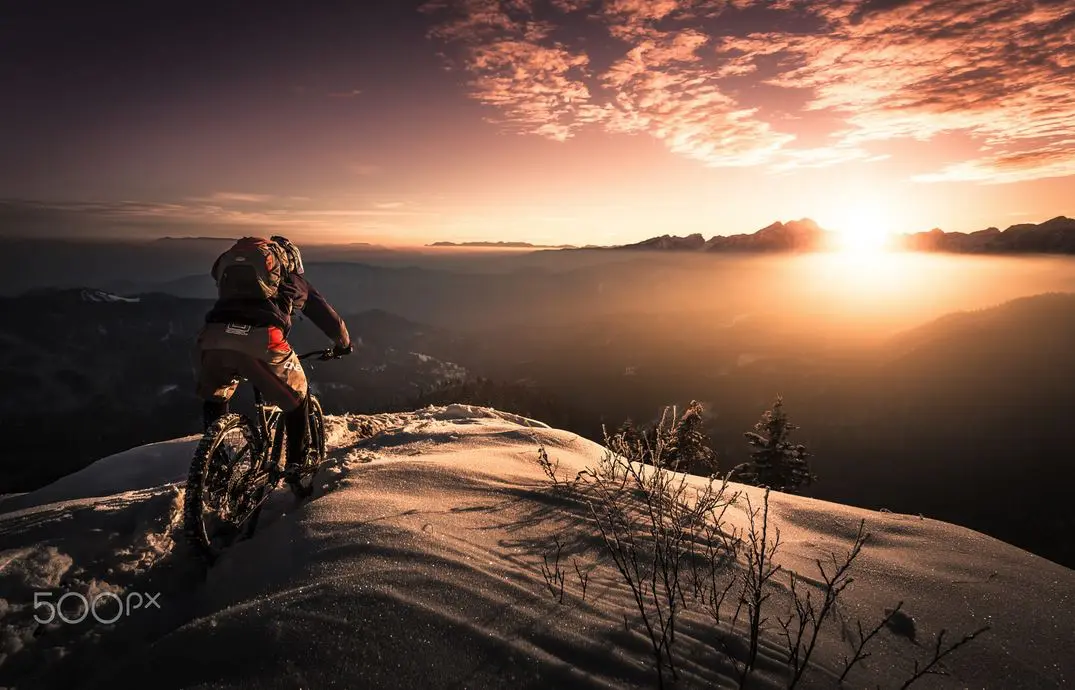
At minimum, consider a telephoto lens of at least 200mm, but if you also want to take wide shots you will also need a wide-angle lens.
In this case, you will need two camera bodies: in the heat of the action, you definitely can’t waste time mounting and dismounting lenses, nor have the wrong lens mounted when something interesting happens.
Lighting
When talking about sports, the lighting can be of two types: good or bad.
Usually outdoor events (football, motor sports, …) if they are during the day enjoy good lighting; indoor events (volleyball, basketball, …) or at night instead have rather difficult lighting.
If the lighting is good, you can possibly use even a consumer-level camera and lens, but if the lighting is not optimal, it is necessary to use something more professional.
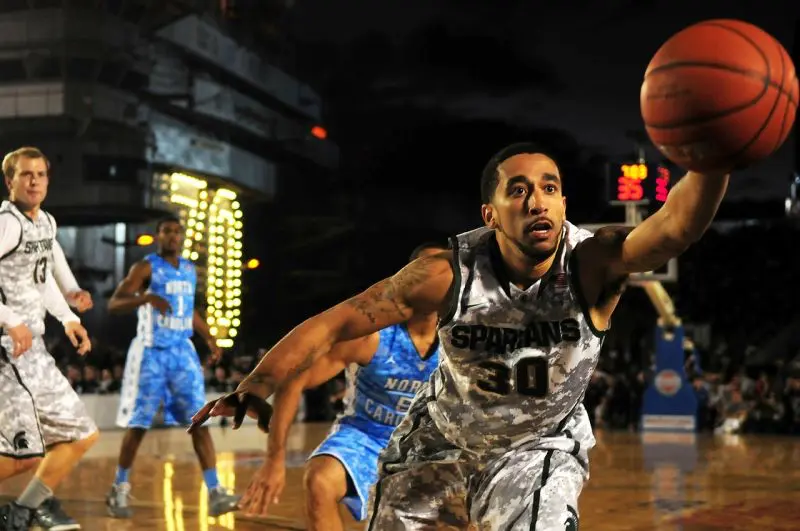
To capture the athletic effort, if the lighting is not optimal, you need to use fairly fast shutter speeds (1/250, 1/500, 1/1000). Also, to keep everything in focus you must stop down the lens a lot (f/8, f/11, …).
All this implies that you might be forced to raise the ISO quite a bit. If your camera already starts to have some issues above 800 ISO noise problems, then the result will be a annoying grain in the final image.
To solve the problem, and thus lower the ISO, you could use very fast lenses, but in this case the issue of cost arises.
To freeze the image in a well-lit environment, the problems are fewer: excellent results can already be obtained at 200/400 ISO and with lens apertures even at f/4.5-5.6, and in this case the costs of camera plus lenses are significantly lower.
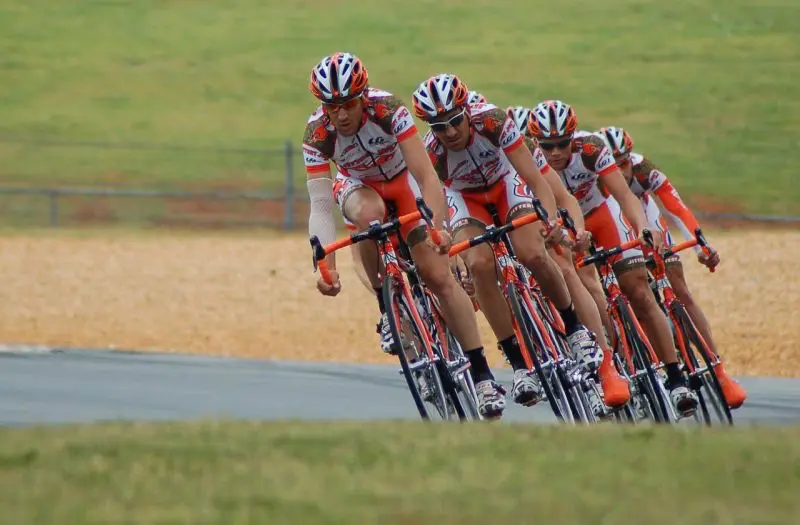 Another thing to have is a tripod: when using long lenses (200mm, 300mm, and beyond) a small movement of the hand holding your camera will result in noticeable blur in your image.
RAW or JPEG?
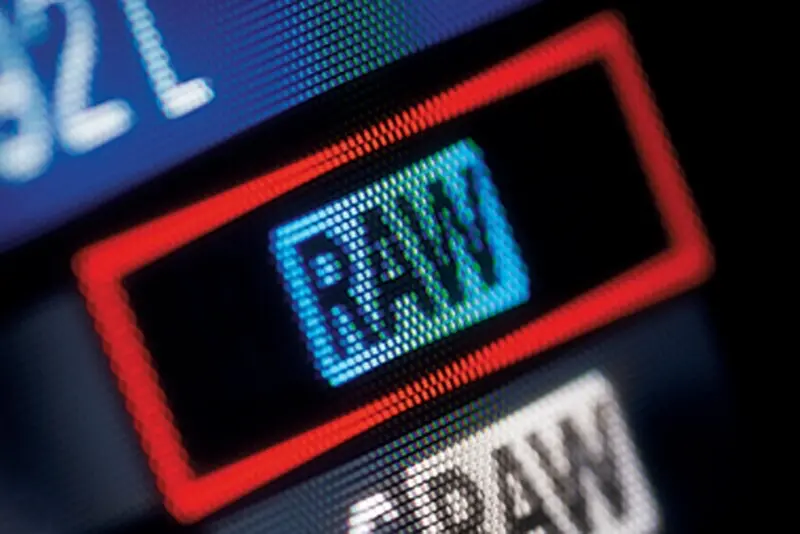
We dedicated an entire lesson of the photography course to talk about this. Personally, I always suggest you shoot in RAW: you have many more options to apply any corrections in post-processing.
Keep in mind, however, that a RAW file requires much more space compared to a JPEG file.
You certainly know this, but you must consider the fact that to capture the right moment in a sports photo, you might use the “shooting mode” function of your camera.
This implies that the number of photos you will need to store on the card during a sports photography session will increase exponentially compared to normal photographic activity. However, the “continuous shooting” function is essential if you need to shoot fast sports.
Focus
A camera with a good autofocus, fast and accurate, definitely solves a lot of problems. Usually, three types of autofocus are available: Automatic, Single and Continuous.
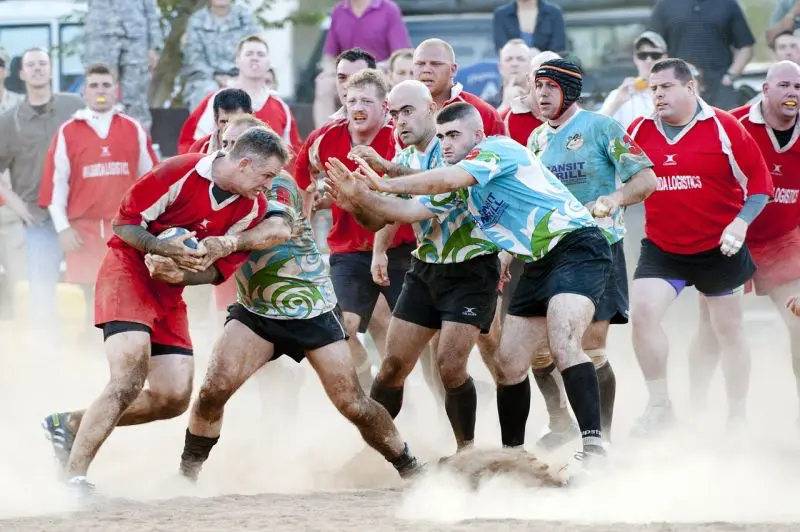
For sports photography, you will probably need to choose the Continuous autofocus mode, so you can always keep your moving subject in focus. Keep in mind that AF-C mode consumes a lot of power, so it's best to have spare batteries.
Which points to consider for focusing? Check your camera manual to see which ones offer the best performance; usually, these are the more central ones.
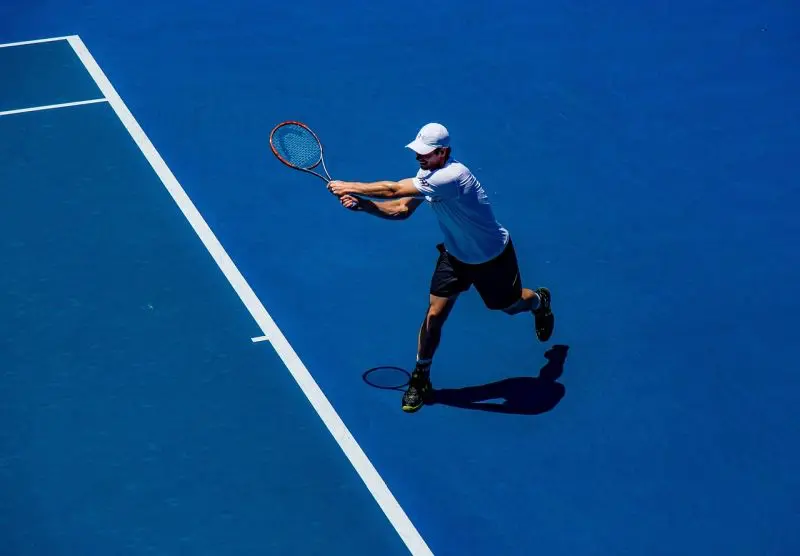
Don't just focus on the action!
Sometimes the photo of greater interest is found outside the central action: fans in the stands, substitutes ready to enter, coaches, stadium staff. These are all people showing emotions, often unfiltered.
Especially if the action is far away and you don’t have a good enough lens to capture it up close, consider those who are wrongly considered secondary characters.
Positioning is important
Another thing to consider is how close you will be to the action. The closer you can get to the “hot spots,” the better photos you’ll bring home. Usually, without press credentials, at some events you can only be far from the action. Have fun and, as mentioned, look for the secondary characters!
Final warning
At some events, unless you have photojournalist credentials, entry with large lenses, semi-professional equipment, or tripods may not be allowed. Try to find out in advance.
Nothing is worse than not being able to enter or having to leave your equipment in the car!
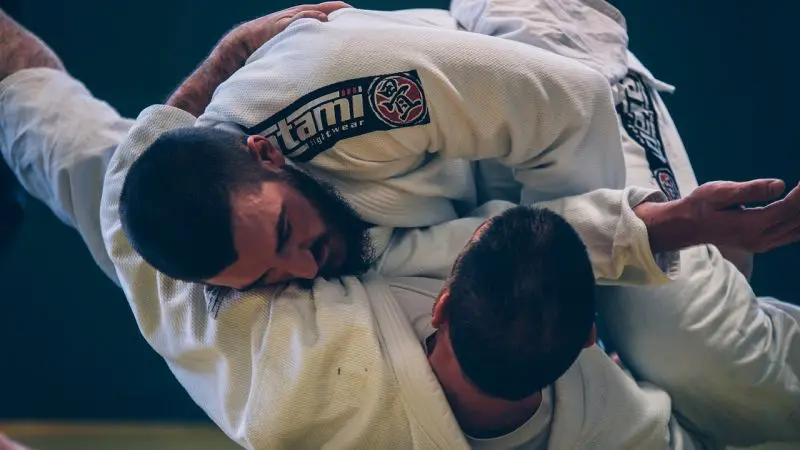
Finally, don’t forget to have fun!



