
 When to upgrade your camera?
Cameras do not follow the consumer trend set by smartphones, where the lineup is renewed every few months. In any case, even the major camera manufacturers frequently launch new models on the market.
Driven by market pressure or simply by comparing with the gear of our photographer friends, sooner or later we all ask ourselves if it's time to upgrade our camera and move to a new model. The first thing to clarify is that you need to free your mind from the notion that if the photos are not up to par of our expectations, the fault lies with the camera and so we will immediately become better photographers as soon as we switch to a higher-performing camera.
It is true that upgrading the camera is a natural aspect of the evolution of any photographer, but if you want to become a good photographer, buying a new camera is probably the last step to take.
So let's look at four signs that indicate it is not yet time to upgrade your photographic equipment.
You are not yet clear about what you want to do
What kind of photographer do you want to be and what are your goals?
This is the fundamental question to ask yourself before upgrading your equipment. Buying a heavy and bulky camera just because it is the latest release on the market can be a mistake we will soon regret if our passion is street photography, where having a lightweight camera that draws little attention is essential.
Before starting to upgrade your equipment, try, with your current equipment, the most diverse situations: people, events, landscapes, nature, street, still life, ….
Only after clearly understanding what you enjoy doing can you start thinking about upgrading the tools you need to achieve better results.
You are still using the “kit lens” provided with the camera
The power and processing capabilities of the processors inside the most modern cameras are increasingly advanced. Optical processors with very low thermal noise levels allow for higher ISO usage, resolutions with a high number of pixels to meet any printing need, high shooting speeds that make any Formula 1 car seem stationary, ….
Yet, your photos have something that doesn't satisfy you.
Everyone focuses on the camera's performance (the brain), but what about the lens, the eye of your system? If you are still using the lens provided in the bundle with your camera when you bought it and you are thinking of upgrading your system due to sharpness issues or poor performance in low light conditions, perhaps you should focus on the lens and consider something higher-end.
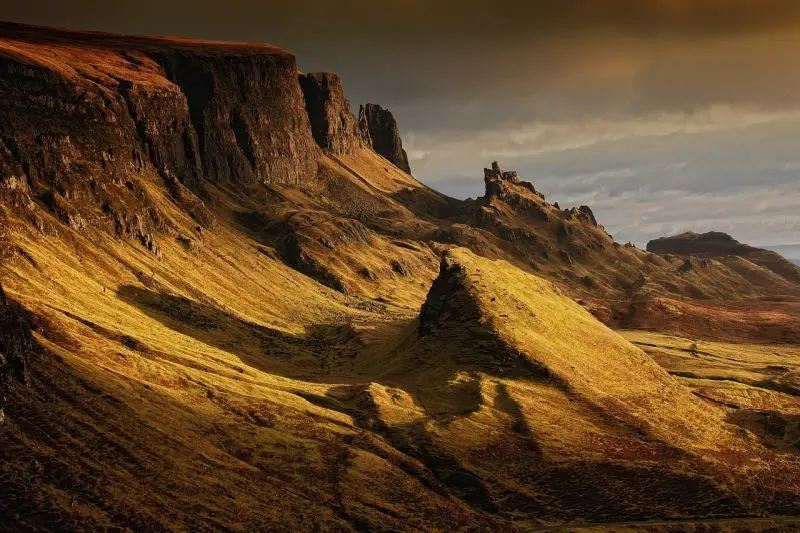
The bundled lenses are good, but they can't compare to a prime lens with an aperture f/2.8 or f/1.4.
Always remember that a lower-end camera with a superior lens will almost always perform better than a higher-end camera with an inferior lens.
To that end, consider upgrading the lens before the camera body.
You have never used full manual mode
The outcome of our photography is the result of how we define our exposure: shutter speed, aperture, ISO.
Choosing these three parameters can be intimidating, so instead of taking full control of our photos, we often choose to rely on automatic modes or aperture priority or shutter priority (which are usually quite effective, actually).
However, without the user's conscious and deliberate control, a camera is just a camera.
If you notice that your photos lack their technical or creative merits, try starting to shoot in manual mode. Completely new doors will open for you when you begin to understand the relationships between motion and shutter speed, or depth of field and aperture. Not to mention the brilliant nuances of working with ISO settings.
Once you have discovered these possibilities, it will probably be clear that it makes no sense to upgrade your camera hoping for a better automatic shooting experience. First, try taking a more active role in determining the technical aspects of your photographic experience. Then decide if it is really time to upgrade your camera.
You think your photography isn’t as good as someone else’s
You’ve seen someone else’s work and immediately think "ifonly I had the camera they use" or "no wonder their photos are so beautiful, look at that camera!".
The point is that it’s not the camera that makes the photo.
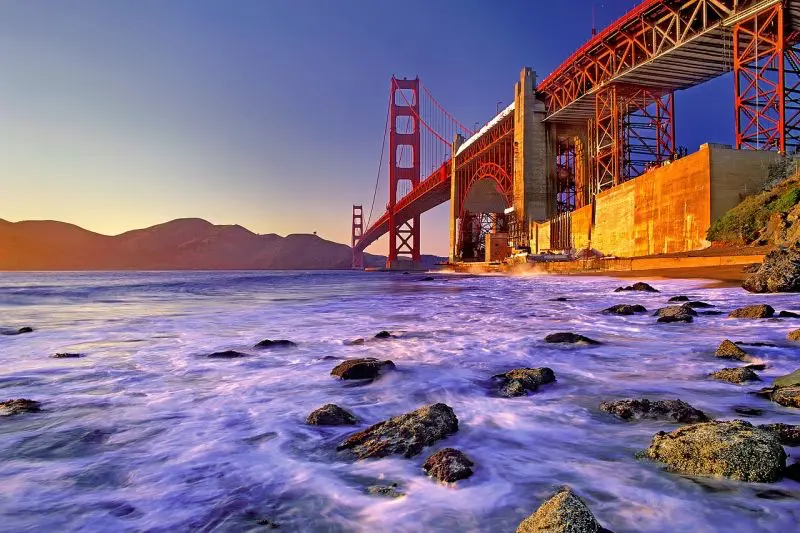
A camera is simply a channel for expressing the user’s skill and emotion. The camera is the means to transform light into a photograph, but the power and emotion conveyed through that photograph are born elsewhere.
Upgrading your camera won’t instantly make you a better photographer; only learning can do that. A camera doesn’t make a photograph; only a person can.
A few final words...
We have explored some important themes in this article regarding all the reasons you should think twice before upgrading your camera. However, with everything involving "art" and personal expression, these ideas are far from absolute.
In the end, only you can decide if a new or different camera will push you along the path to realizing your potential as a photographer. It’s not a process you should undertake lightly or without solid reasoning.
If you find yourself looking at your current camera with a growing sense of disgust, ask yourself if the performance you find lacking comes from the tool or from the artisan? In both cases, it is possible to easily solve the problem. You can get new cameras and acquire new knowledge. The trick is knowing which one you need the most.



