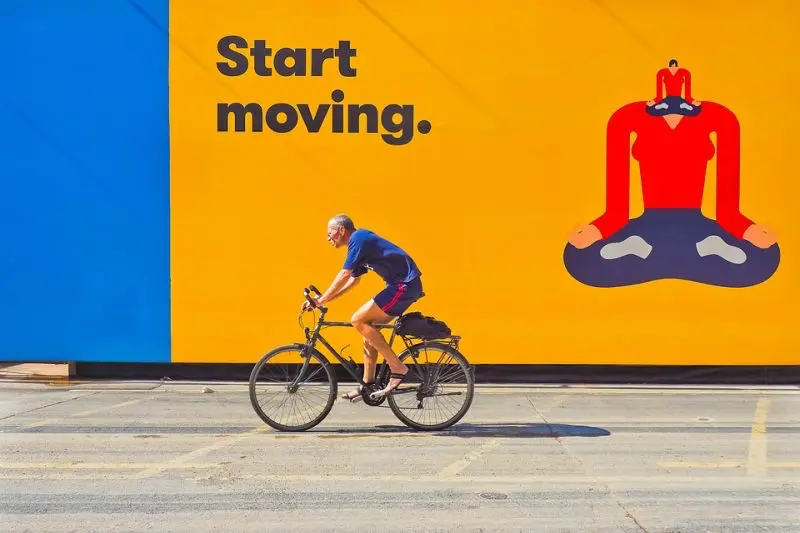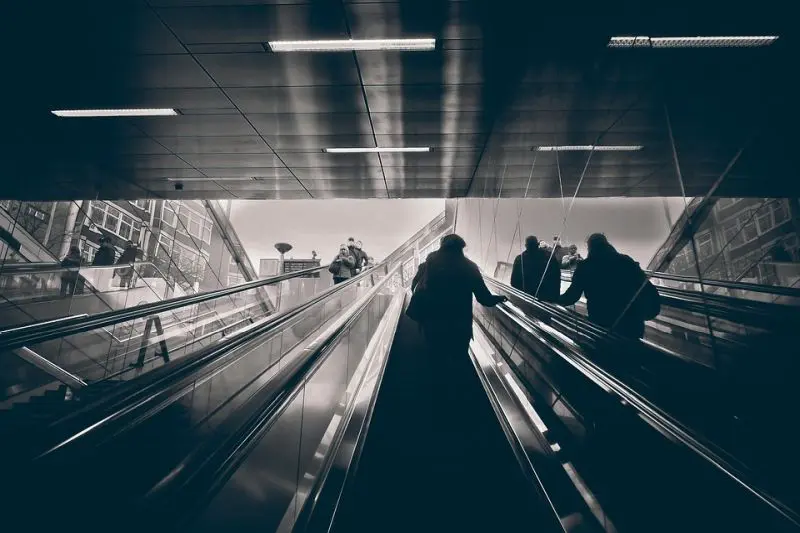
If you are interested in street photography, you will probably look for something that all other photographers try to avoid: a lighting with high contrastsSeen through the eyes of a landscape photographer or a portrait photographer, light with high contrast is to be avoided, but extremely contrasted and harsh light makes street photography situations and images much more dramatic and full of tension.
Understanding how to best exploit these lighting conditions allows you to achieve better images.
For this reason, it is necessary to understand how the camera interprets high contrast situations and how such situations can then be manipulated during post-production.
See how your camera
To date, the tonal range perceived by the human eye is much greater than what the best image sensor available on the market today can achieve. Perhaps this will no longer be true in a few years, but today this is the situation.
For this reason, when you review your images on the computer, they will be very different from what your eye perceived live: fewer details, less depth of field, more details lost in the highlights and in the deepest shadows.
To obtain good images, it is necessary to learn to understand how these images will turn out even after some post-processing. The choices you make regarding exposure and composition may depend on the treatment you will apply to your images on the computer.
For this reason, it is essential to shoot in RAW, format to avoid further loss of information. Understanding whether your camera can handle a high contrast lighting situation and how the final image will be produced will allow you to create better images.
Expose carefully
Photographing in a high contrast lighting situation means making well-considered exposure choices. In a street photography image, what do you want the focal point of the photo to be?
Do you want details to be recorded in the highlights or in the shadows? What is the dramatic situation you want to capture? Do you need to expose to achieve a more dramatic image?
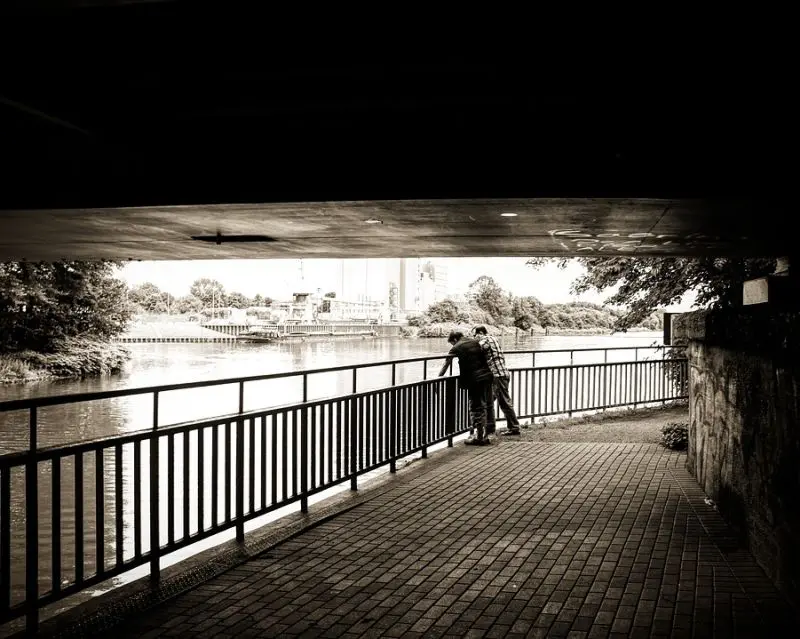
To do this, it is always better to use manual settings, to avoid the camera leading your creativity and changing the exposure unpredictably.
So, expose the highlights correctly and let the details in the shadows fall into black. You can also slightly underexpose the brighter areas to ensure you don’t lose details, achieve deeper blacks, and add drama and mystery to your street photography image.
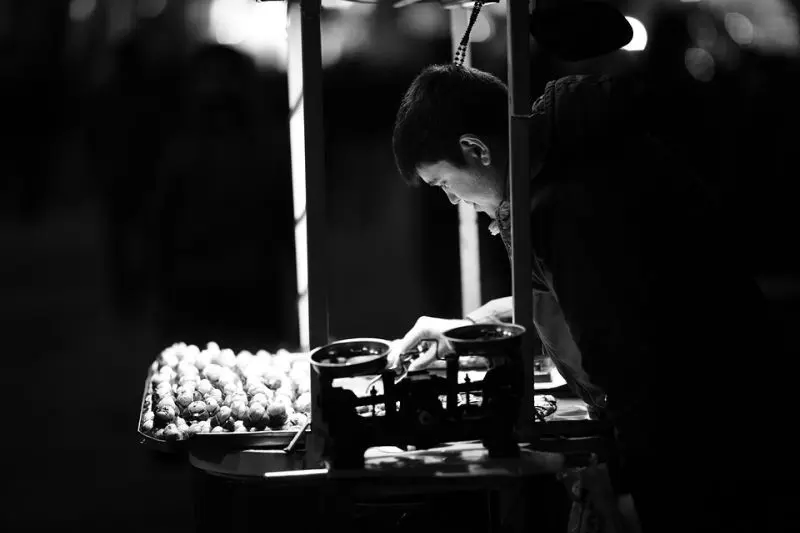
If instead you expose correctly for the shadows, the highlights will be even brighter, with fewer details, possibly even blown out.
Depending on what you want to achieve, both solutions are valid. In both cases, however, your choice affects how your final image will be: areas with little or no detail will be unrecoverable even in post-production.
At the moment of shooting, you must be very clear about what you want to achieve, especially if you are not shooting in RAW.
Use shadows
The shadows they create dramatic tension and are full of mystery. Use them to hide unwanted people or objects, but also as a source of surprise from which your main subject emerges.
Careful use of shadows can indeed isolate the main subject and draw the viewer’s gaze to it. Use graphic lines of shadows created by architecture, trees, or other strong shapes. The shadows themselves become graphic elements in your photographs. You can combine them with solid shapes in your composition to create tension or harmony.
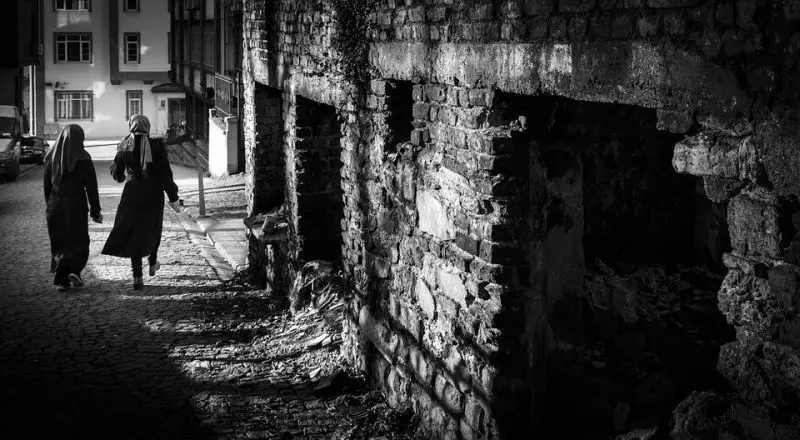
Look at how static and moving shadows appear in your compositions. What do the shadows of people on sidewalks or walls look like as they walk? Are there shadows created by passing trucks, buses, or cars? Can you see the light reflected from windows within the shadow?
Conclusion
Once you've decided where to work, stay there. Being patient is one of the most important things to do as a photographer, especially street photography in particular. Wait and watch. Look for patterns of movement and also when these patterns are broken or disrupted.