
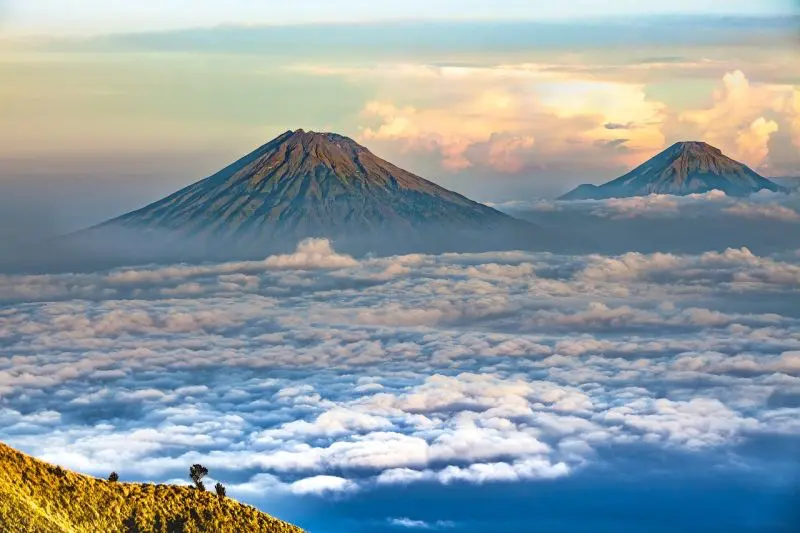
 Many beginner photographers, and some more experienced ones, fall into the trap of thinking that an interesting subject will always make an interesting photograph. Unfortunately, this is not true!
There are many terrible photographs of fabulous subjects around. A good photographer takes good photos, no matter what the subject is. Many photographers have the ability to make the ordinary look extraordinary.
To take the best photo, regardless of whether the subject is impressive or not, it is necessary to: Expose it well, Use the right timing, Choose the best lighting, Compose carefully, Create some connection between the subject and the viewer of the image. Successfully achieving all five of these aspects that make photographs interesting in a single frame is difficult.
It takes skill, practice, and patience. Being aware of these pillars of good photography will keep you far from the instant trap when you see something interesting. By learning to keep these things in mind, you will gradually improve and be able to make the most mundane subject look fantastic when you photograph it.
Master your photographic technique
Confidence in handling the camera is essentiale. Using your camera without understanding much about how it works will frustrate your creative growth. Learning what each of the main settings does on your camera is not difficult.
Exposure control is done using the aperture, the shutter speed and the ISO settings. The autofocus is automatic or manual. Neither is difficult to master when you put your mind to it and spend some time practicing.
Understanding which part of your composition needs to be well exposed and where the focal point is should be part of your creative choice. Knowing the technical aspects of basic camera use will make you more creative with your photography.
Press the shutter at the right moment
Choose the optimal moment to take your photo. Consider the action happening in front of you. Watch the colors as they change when the sun rises and sets. Watch a flower blooming in your garden. Every time you take a photo, make sure it is the optimal one.
What determines the decisive moment to take a photo depends on many things. Every circumstance is different, so it is important for you to observe what is happening carefully. Sometimes you will need to respond quickly.
Other times it is better to be patient and wait, or come back another time. This is true for landscape and architectural photography where the right light and weather conditions are so vital.

Anticipating when the best moment is will help you capture it at the right time. Think about what will happen next. What is the sequence of events that will unfold? How do the clouds move in the sky? Will they cover the sun before it sets?
In situations where you have some control over the subject and action, timing is not so hard to predict. You can ask the model to move her hair on the count of three.
You might ask your children to run and jump over the sleeping dog and be ready for them. The timing is one of the key elements that influence good photos. Every photo you take is a brief moment in time.
Making sure you capture the right moment can often make or break your photographs.
Create your compositions
Relying on the subject to make your photo interesting means you can't compose it well. Don't just place it centrally in the viewfinder, focus, and click. Anyone with a camera can do that. Move. Look for a better background without distractions.
Take some time to think about a few composition rules. Are there strong lines you could incorporate? Will using the rule of thirds make the photo stronger? What else is in the frame and is relevant to your photo?
Use lenses with different focal lengths to include more or less background. With a wide lens, you'll see more background. Using a longer lens will reduce more of the background and help isolate the subject. Longer lenses also give the impression of compressed distance, whereas wide lenses do the opposite.
Many of the best street photographs look like they were taken quickly. People rush by, looking at the camera. Or absorbed in what they are doing. Mostly these photos are not snapshots.
The photographer planned well and anticipated the action. Then waited. Action is more easily captured and well composed when patience and observation are applied.
Lighting
Harsh light or soft light will create different moods. Strong contrast when you have hard light is more dramatic. If you want a softer, more romantic feel, hard light is not the best.
Even with an interesting subject, like a newborn or a flower, harsh lighting does not provide a delicate feeling in photography.

Making matching the light to the mood you want to create in your photography will make the photo feel right. There are no fixed rules. You have to decide for yourself with each photo. This is part of your creative expression as a photographer.
Think about the direction the light is coming from. Is it hard or soft? How is it affecting your subject? Is there too much shadow or contrast for the mood you want?
Connect with your subject
No matter what you choose to photograph, the more you connect with your subject, the better the photos you will take of it.
This doesn't only apply to people and perhaps animals, but to everything you photograph. If you love flowers and enjoy growing them, you will probably be much more successful photographing them than someone who doesn't share the same passion.
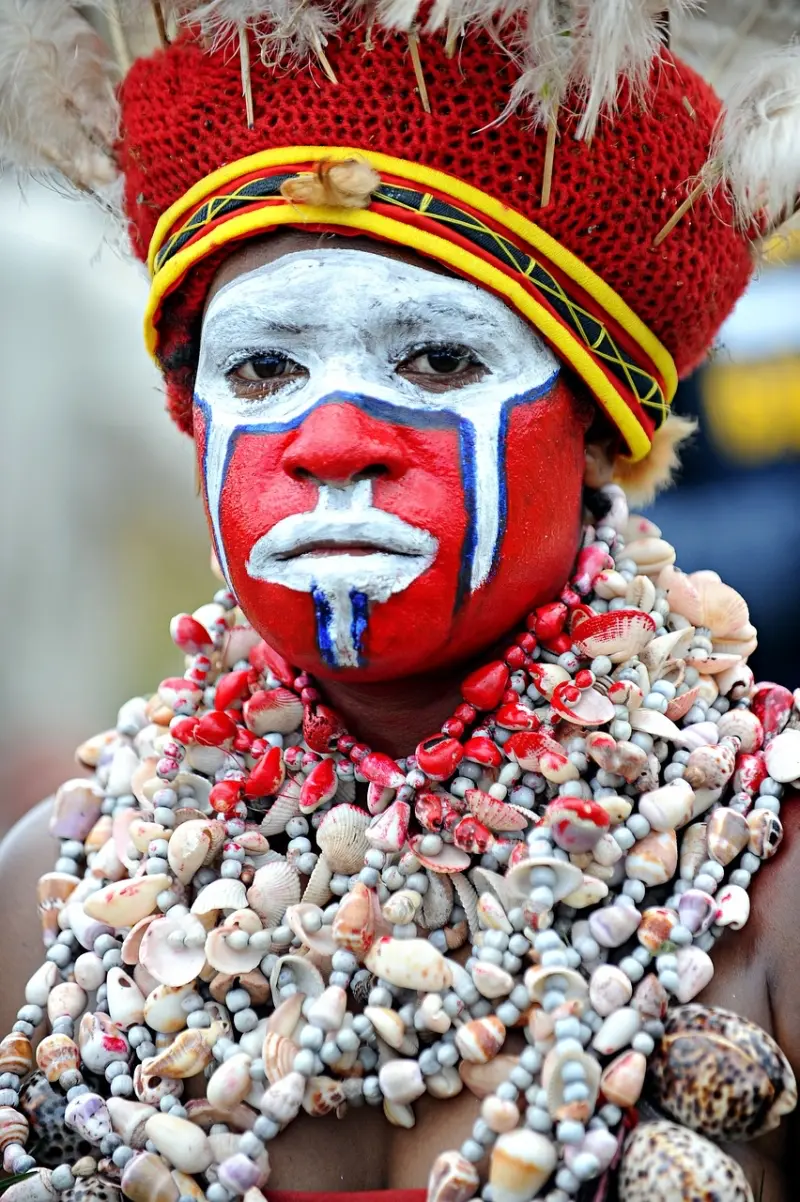
Similarly, if you love the place where you live, or where you grew up, you will photograph it more intimately than a stranger probably could. How you connect with the people you are photographing will definitely make a big difference in your photos.
Conclusion
Take your time. Be more attentive. When you find your next captivating subject, think about how to create the best photo of it. Don’t rely solely on its inherent interest. When you travel, you always see new and interesting things to photograph. This is part of what makes traveling so fascinating.
Remember, it’s the photographer who makes the image interesting, not the subject.



