
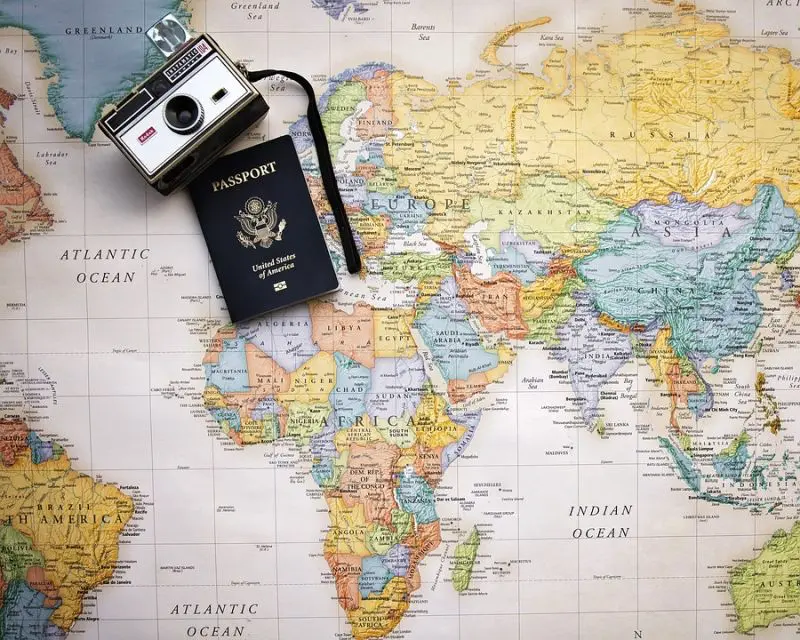
 You made your unforgettable trip. Now you are back home and can't wait to show your relatives and friends the result of your photographic efforts. They were not with you, but with your camera you managed to capture for them, moment by moment, your journey.
Yet during your slideshow, after the first two or three hundred images (!), even your closest friend begins to show some signs of impatience! What went wrong?
All your photos are beautiful, but maybe it's your presentation that lacks interest. If you want this experience not to be a burden for your friends and family, you need to make things interesting.
How? Let's look at some suggestions.
Tell a story with your photographs
Planning your trip has taken time and effort. Decide where you want to go, what you want to see, and how long you will stay. Why not include photography in the planning phase as well? Think about why you are going and what you will do. How can you turn it into a story? Consider adding a common thread of what interests and attracts you most in each place you visit. Make a list of some themes you can follow. Each day you travel, check the list and make sure to include some of the elements in your photos.
You might want to photograph:
- specific architectural features (churches, pagodas, skyscrapers, …)
- people (Buddhist monks, market vendors, …)
- characteristic shops (local products, …)
- street signs and means of transport (pedestrians in Tokyo, scooters in Bangkok, double-decker buses in London, …)
- billboards.
\t
\t
\t
\t
\t
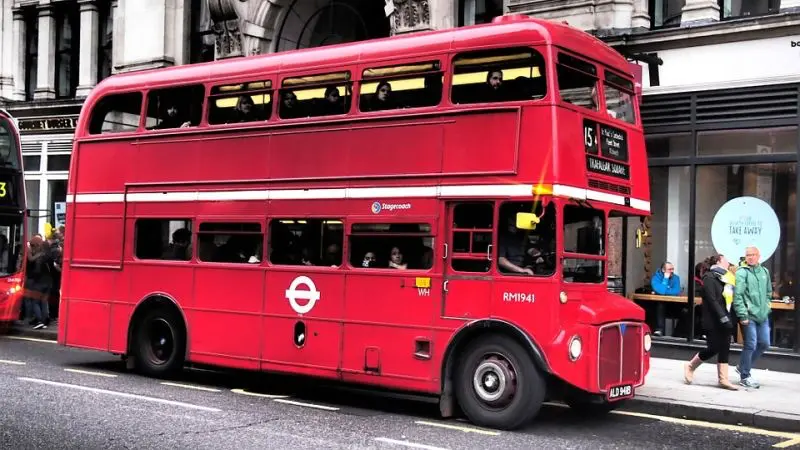
Consider what is most relevant for the places you will visit. Which of these interests you the most and will offer the best photographic opportunities? Plan to spend more time in these locations.
Get the full picture
If a close-up shot allows you to highlight well the details (an architectural element, the texture of a fabric, a flower, …) only with wide-angle shots will you be able to define and characterize well the place where you are.
Both types of images must be present in your presentation. Just as in a film you switch from wide shots to details (or vice versa), in the same way your story must be kept alive the interest of your viewer.

So: take a step forward and show the details, take a step back and embrace the entire scene. Only by alternating with a proper rhythm the different types of images will you keep your viewer's curiosity high.
Include your travel companions
Traveling with other photographers generally makes life easier: they understand well that to achieve certain results it is necessary to take time (which may not be easy to make understood by those afflicted with smartphone shooting bulimia).
One way to make the most of your time with non-photographer travel companions is to include them in your photos and make them part of your story. This does not mean making cheesy social media photos, but including them as active players in your story. Show what you are doing and the interesting aspects of the places you visit.
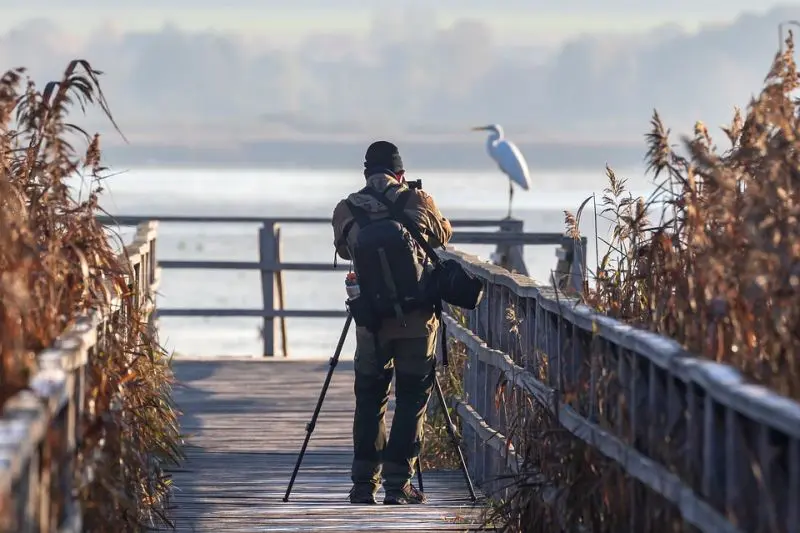
Having the people you travel with in some of your photos makes them more personal. Including them in some activities helps tell the story. Photograph them while eating strange foods. Take photos aboard the boat or rickshaw. Take photos of what you are doing together, not just what you are looking at.
Take some free time
Take some free time for photography: you alone with your camera without other lenses. Being bound by time constraints without having the time to express yourself at your best can be frustrating.

This may mean having to wake up earlier than others you are traveling with or leaving the restaurant while you wait for your lunch or dinner to be prepared. You will find it is worth it because you will get better photographs when you can take your time.
Take more photos and edit them
Take more photos than you think you need to take. Then choose the best. Don’t go crazy and snap everything you see.
A good subject does not always make a good photograph.
You don’t want to come home with hundreds of photos you could have taken with your phone. When you find something interesting to photograph, look at it from different angles. Consider how it will appear from various viewpoints. Walk around and take a series of shots: wide, medium, and close-up of the same subject. Taking the time to do this means you will still have plenty to work with to help tell your story.
If you’re not taking enough photos, you might regret it later when you see gaps in your narrative. Deleting junk photos and showing only the best is important. No one will want to look at all the photos you take. Be careful and selective about the ones you choose to share. This will help you take better photos the next time you travel as well.
Caption your photographs
Captioning your photographs is like adding a narrative to your story. Include location details and perhaps the time of day when relevant. Think about how you can add information that will enhance your photograph. Don’t always include the obvious. It’s not necessary to describe what can already be seen.
A caption can contain a few words or several sentences. Your caption should be concise and informative. Don’t confuse or include irrelevant information. Use your captions to support your photos and enhance your story.
Conclusion
Holiday trips are usually exciting. You see and experience new and interesting things more frequently than when you are at home. This allows you to take more interesting photographs. Tell your story well and you will also inspire your friends to travel. So remember that to succeed in your presentation you need: an interesting story, something unexpected that keeps attention alive, an rhythm to your story.



