
 What turns a photo into a great photo? If we do a quick survey, probably the phrases "light is everything" or maybe "composition is everything" are the most common answers.
There is certainly some truth to this, but are there other factors that make photos great? A photo with very poor composition will never be a fantastic photo. But a decent composition that captures the most fantastic light can be a good photo, if not exceptional.
On the other hand, a great composition in poor light can produce a boring photo.
Creating a photo almost always involves some kind of compromise. Either the light isn’t quite right, or the timing isn’t perfect, or you can’t reach the ideal position because you can’t rise in the air or walk on water.
Or, finally, the main elements in the scene aren’t perfectly arranged. There are so many factors that need to be right at the same time, it seems impossible to make a perfect photo.
Knowing what matters can increase your success in making quality photos.
So what makes photos fantastic?
We can identify five factors that make a photo great. If you can maximize all five, you will have a perfect photo. However, creating such a photo is really rare, even for the best photographers.
In fact, you don’t have to maximize all five to make a fantastic photo. A decent composition with fantastic lighting and timing, combined with great post-processing, can make an excellent photo. The same goes for an exceptional composition. So you just need to balancedo your best to optimize the five factors.
If one of the factors is somewhat lacking, it can be compensated by one or more others if they score high. These factors all work together in creating a great photo, but a completely failed composition, bad light, completely missed timing, a nonexistent story, and poor image processing will make it impossible to reach your goal.
The factors are very often interconnected. For example, composition is often linked to the timing of capturing a moving subject. And light is connected to timing, in the case of natural light. Composition can also be linked to light, a shadow, a ray of light, or another light source.
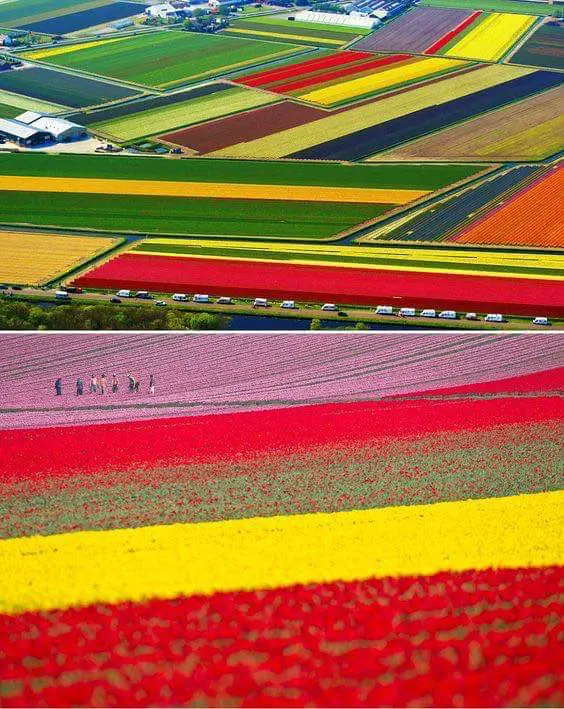
They are all dependent on each other, which increases the complexity. No wonder it’s difficult to create fantastic photos! And it’s no surprise that some types of photographers, such as those who make commercial and studio photos, try to control some of the factors, especially light, to achieve a higher success rate with their photos.
So what are these factors?
Factor No. 1: Composition
The composition It is something that comes naturally to some people, while others have to learn it. It is a fundamental skill to master as a photographer.
If it doesn't come naturally to you, try copying other compositions you like, in your own way and in different places. This will quickly improve your skills.
Factor No. 2: Light
The light It can be many different things. There is hard light, soft light, diffused light, warm light, cool light, studio flash, natural light just to name some of the most common types. Light is a big topic and requires some research to gain full understanding.
If you like landscape photography, you will improve the quality of your photos by avoiding the blue sky in the middle of the day. Instead, go for sunrise and sunset. The golden hour and the blue hour offer excellent light for landscape photography.
If you like flash photography, you would do well to experiment with an external flash, rather than the one mounted on your camera. Also try high-speed sync flash which opens the doors to creative flash photography.
Try to understand the type of light that is relevant to the kind of photography you like to do.
Factor No. 3: Timing
If you are in the right place at the wrong time, making a great photo is definitely a daunting task. The timing, depending on the type of photography you do, can be a matter of capturing that split second that makes the difference.
You have to capture a moment: the magical moment.
The moment of a fleeting kiss, the instant a soccer player kicks the ball, the moment a wave crashes on a rocky beach with a huge splash.
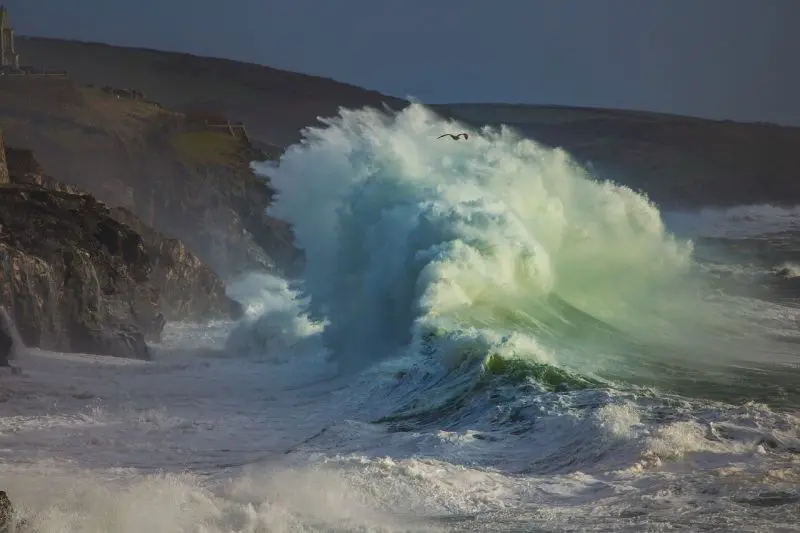
Other moments are slower, like sunrise. However, even in this case, timing is important. You have to get up early, sometimes very early, to reach the right position for the shot.
Factor No. 4: The Story
One story can be somewhat abstract, yet there must be a purpose for choosing to include what you do in the photo. Sometimes a story is complex and deep, while other times it is simply "this is a beautiful boulder in the middle of a beautiful landscape." Story and timing can be closely linked.
Factor No. 5: Image Processing
The last and fifth factor might raise some debate. If you believe in photo editing, you know that often it is what transforms a photo from flat to a memorable image. In some cases, it is what makes or breaks a photo. Image editing or post-processing is not simple at all and there are many opinions about it.
But even simple things like adjusting white balance, exposure, and contrast can make a difference. If you like documentary photography, there are some things you cannot do. You do not interfere with reality. But if you do not do this type of photography, it is in the post-processing phase that you can make your artistic interpretation.
There are a number of things that can totally ruin your image if you are not careful. Some of the classic problems of over-processing include halos, overly high contrast, and oversaturation, but there are many others.
One reason to improve your image processing skills is that you can somehow compensate for other factors. For example, removing unwanted objects or insignificant details.
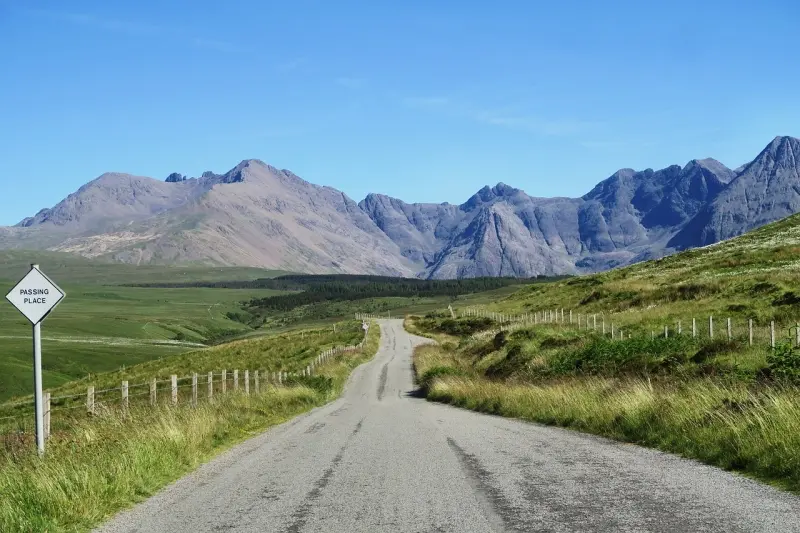
A great side effect of improving your editing skills and paying close attention to your photos is that you will achieve a better understanding of what makes photos fantastic.
You will find things that degrade your photo (why did I include that trash bin or that light pole?) and you will learn to avoid them the next time you shoot outdoors. You learn by making mistakes and trying to fix them.
The more times you fail and understand your mistakes, the better photographer you will end up being.
Final remarks
In photography, there are no absolutes. Two people rarely share the same opinion. We don't all love the same things, so some people might consider a photo perfect, while others might not.



