
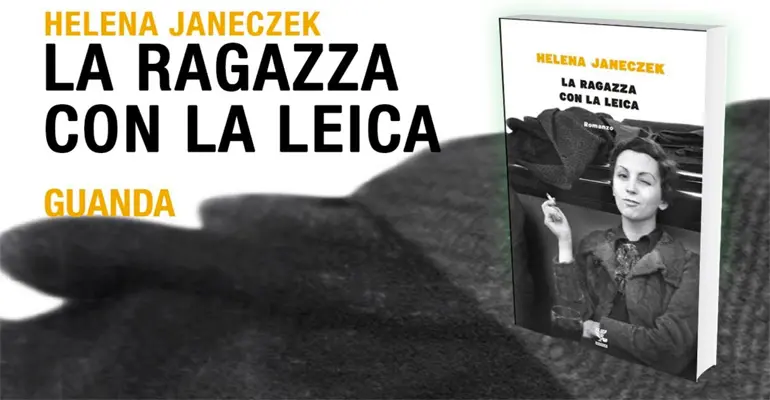
Helena Janeczek, an Italian-German writer, wins the 2018 edition with the book "The Girl with the Leica", a novel dedicated to the rebellious and adventurous life of Gerda Taro, the first photojournalist to die on a battlefield.
It had been 15 years since the Strega Prize was awarded to a woman; the last time it happened was to Melania Mazzucco in 2003 with the book "Vita. Since 1947 (the first edition of the Strega Prize) to today only 10 female writers have won the coveted prize, including Helena Janeczek.
"I am happily overwhelmed, I think Gerda won, without her I wouldn't have gotten here," exclaimed Helena Janeczek, winner with 196 votes out of a total of 554 cast.
The Girl with the Leica - Synopsis
On August 1, 1937, a parade full of red flags crosses Paris. It is the funeral procession for Gerda Taro, the first female photographer fallen on a battlefield.
That very day she would have turned twenty-seven. Robert Capa, in the front row, is devastated: they had been happy together, he had taught her to use the Leica and then they both left for the Spanish Civil War.
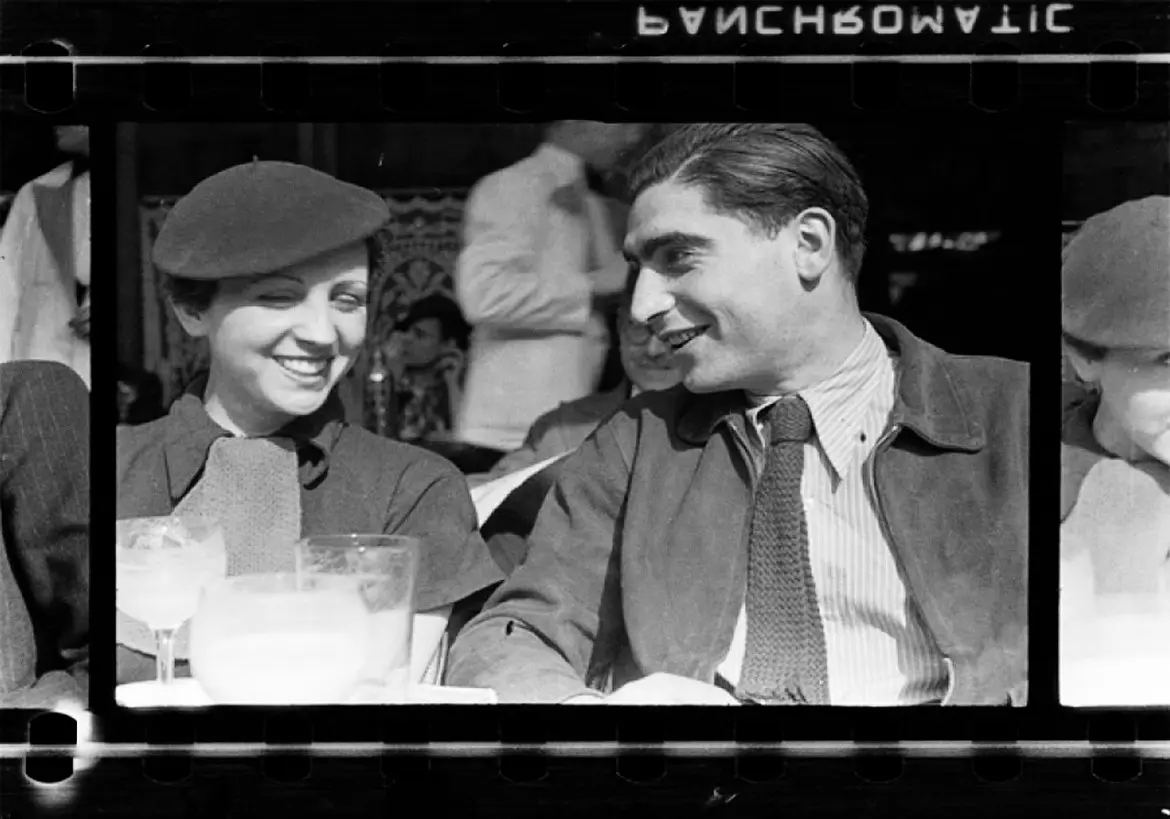
In the crowd follow others who were connected to Gerda long before she became Capa's girl: Ruth Cerf, the friend from Leipzig, with whom she lived through the hardest times in Paris after fleeing Germany; Willy Chardack, who settled for the role of devoted servant since the irresistible girl preferred Georg Kuritzkes, engaged in fighting with the International Brigades.
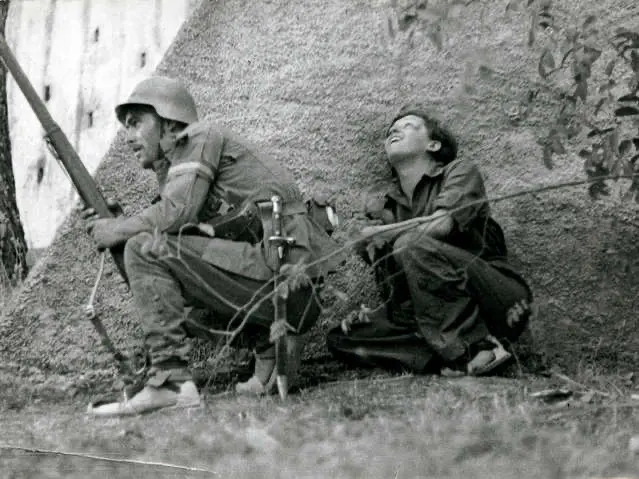
For everyone, Gerda will remain a presence stronger and more alive than the celebrated antifascist heroine: Gerda often disappointed and hurt them, but her joy of living, her thirst for freedom are sparks capable of reigniting even after decades.
Just an intercontinental phone call between Willy and Georg, who are in touch for a completely different reason, is enough to start a kaleidoscopic novel, built on original sources, of which Gerda is the beating heart.
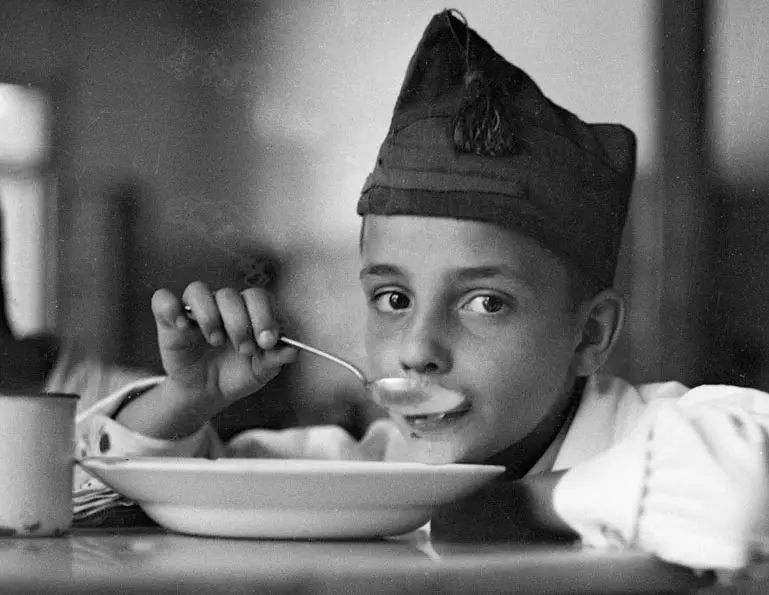
It is her heartbeat that holds together a flow linking distant eras and places, bringing to life the snapshots of these young people from the Thirties grappling with the economic crisis, the rise of Nazism, the hostility towards refugees in France that especially targeted those who were Jewish and left-wing, like them. But for those who loved her, that youth remains the time when, as long as Gerda lived, everything still seemed possible.
The Girl with the Leica is a book I read in one breath and highly recommend reading. You can find it directly on AMAZON



