
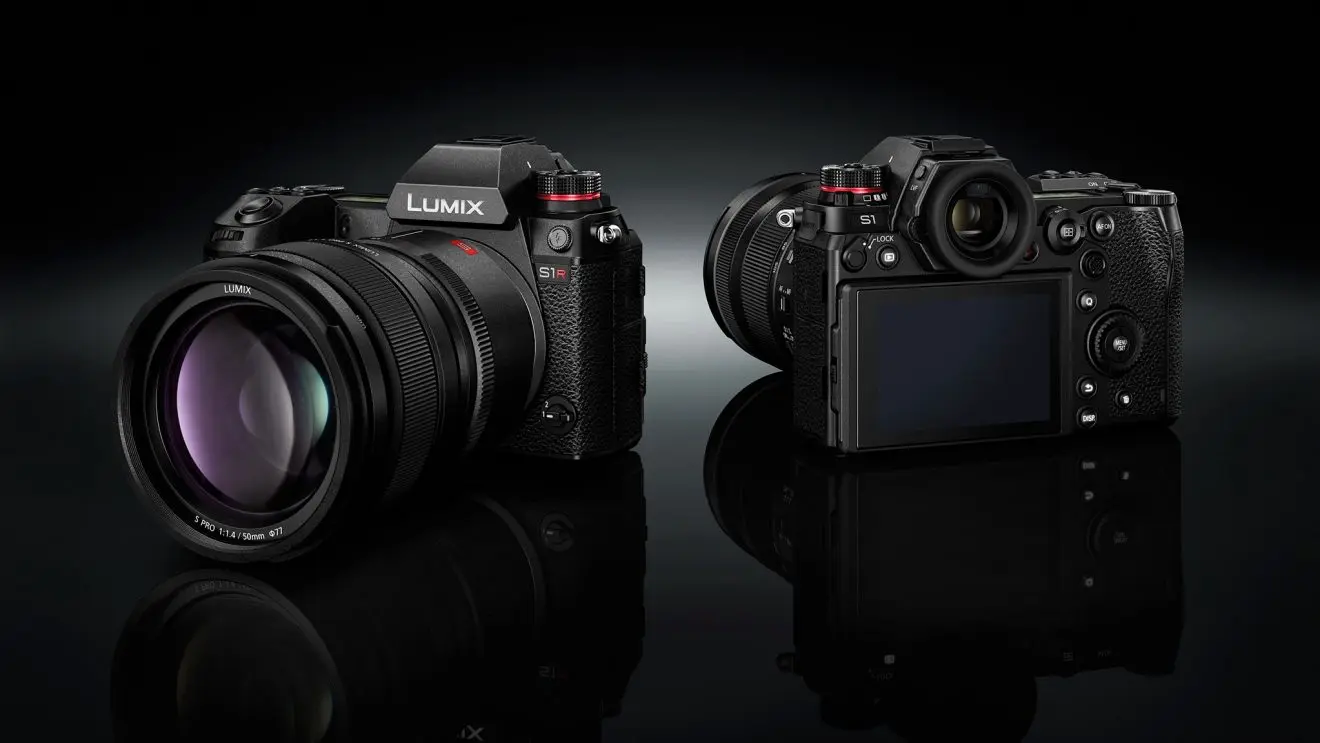
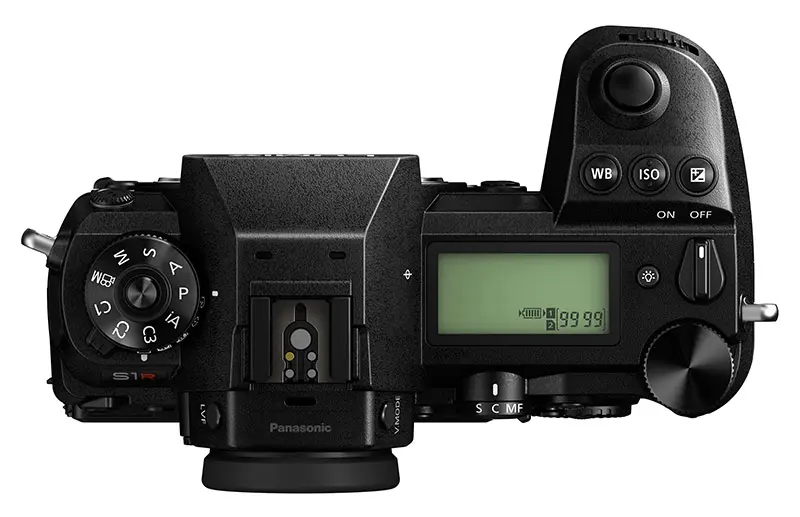
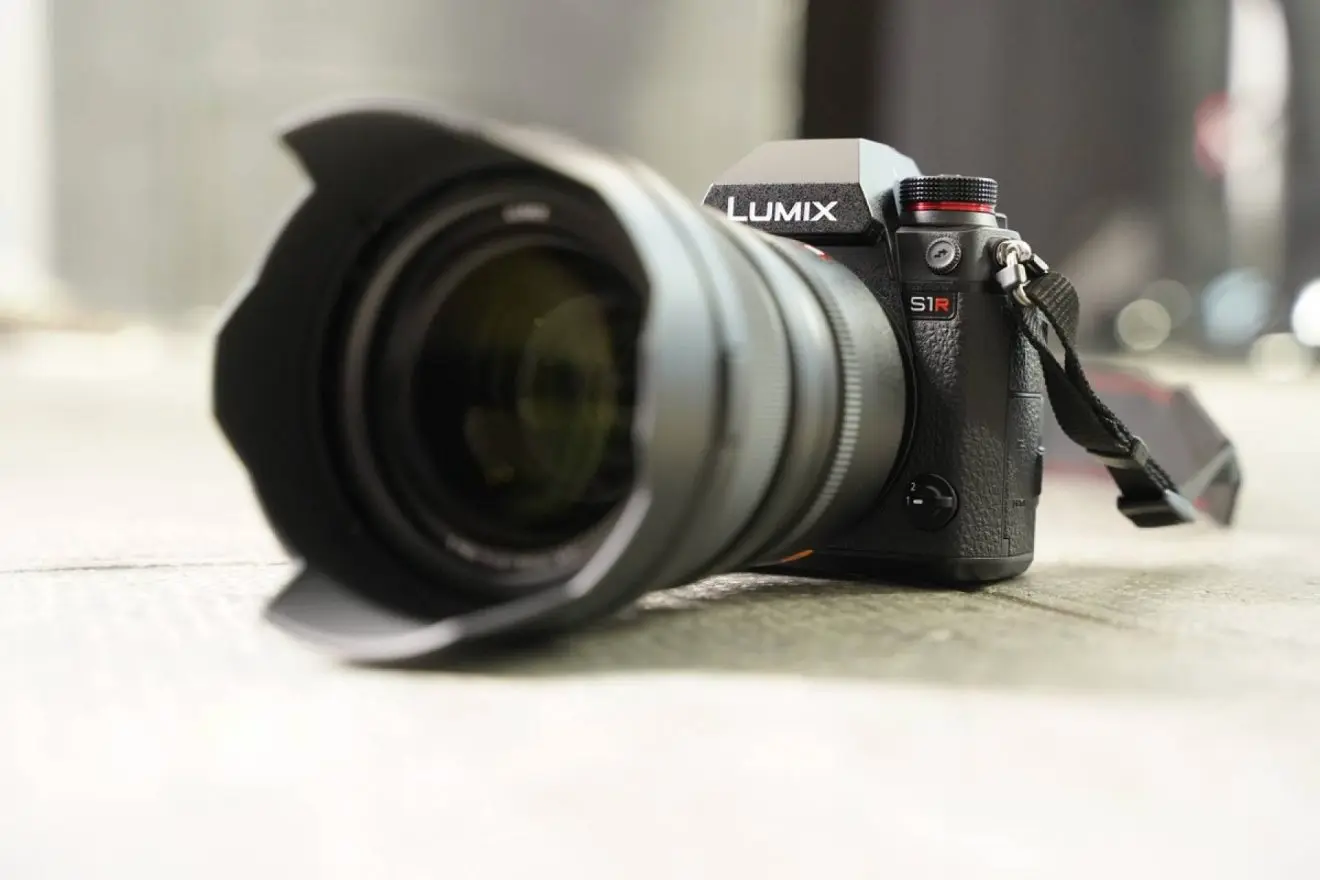
Panasonic shows its claws to Nikon, Canon, and Sony and presents its new full-frame mirrorless cameras, previewed in the last months of 2018 at Photokina. They are called Lumix S1 and S1R and they are 2 high-end cameras that will feature the new L-Mount, a mount already adopted by Sigma and Leica.
To follow the trend, Panasonic has also jumped on the bandwagon of competitors who had already presented their full-frame mirrorless cameras in recent months. Except for Sony, which has had its A7 and A9, last year it was Canon and Nikon's turn respectively with the EOS R and the Z6/Z7.
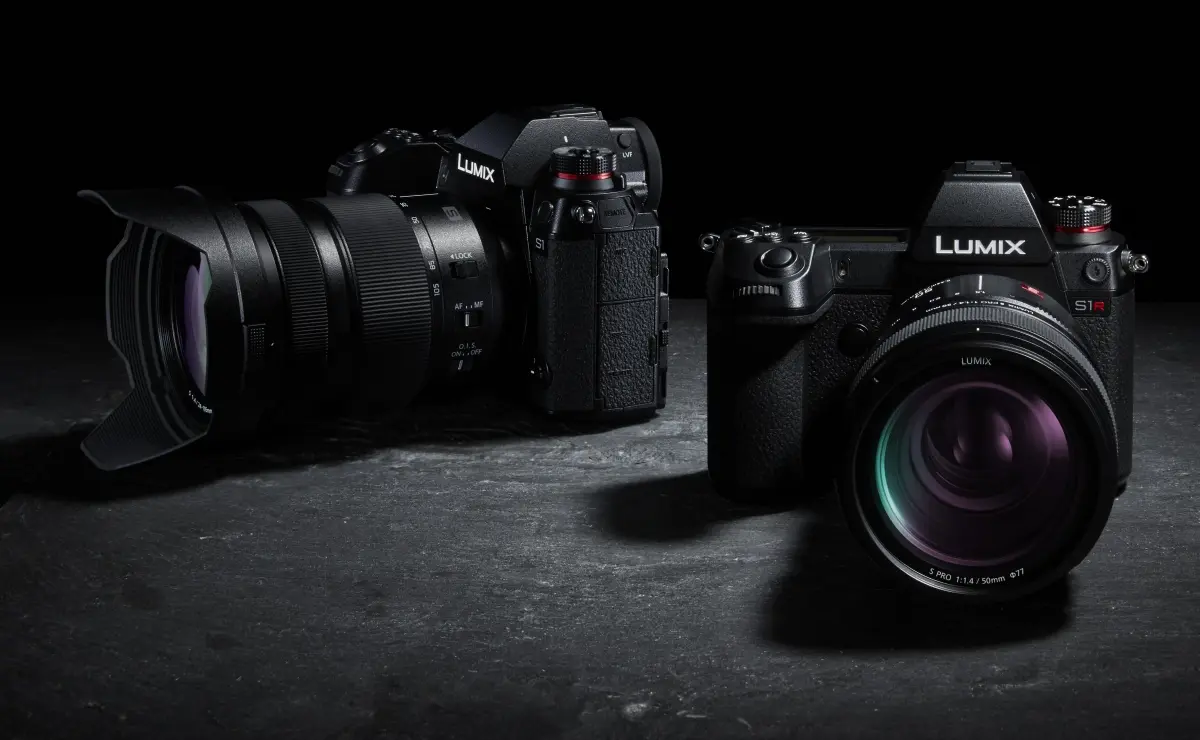
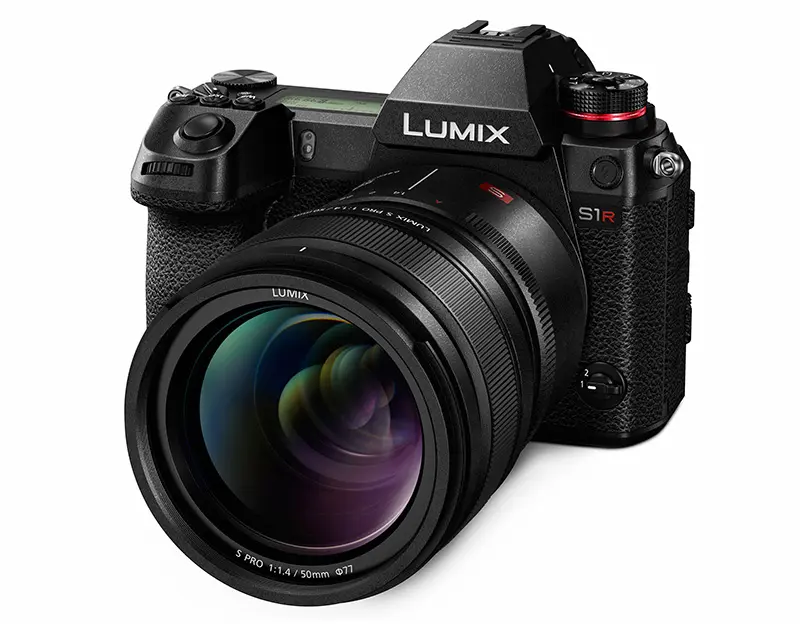
At first glance, both cameras look more like DSLRs than mirrorless; the size is not insignificant since the dimensions are more or less similar to those of a Nikon D850. The weight is also noticeable; while Nikon, Sony, and Canon stop at 650-660 grams, the Lumix S1 and S1R reach 1 kg, 50% more than the competition.
The main difference between the Lumix S1 and the S1R lies in the sensor. The first boasts a standard resolution of 24.2 megapixels, a standard resolution found in many of the latest cameras. The Lumix S1R instead features a super resolution of 47.3 megapixels, suitable for those seeking the utmost detail in every photograph. A record resolution for this type of camera considering that the Nikon Z7 reaches "only" 46 megapixels!
To these spectacular resolutions, one must add the fact that both the Lumix S1 and the S1R offer the possibility to activate the "HIGH RESOLUTION" mode. This mode requires the use of a tripod and ultimately combines 8 shots in which the camera must remain still while the internal 5-axis stabilizer moves slightly in all directions to create a final image with extremely high pixel density.
This RAW image will ultimately weigh on the Lumix S1 96 megabytes (12,000x8,000 pixels) while on the Lumix S1R it will reach up to 187 megapixels (16,736x11,168). Resolutions that require the use of large capacity memory cards if you take many shots in this mode!!!!
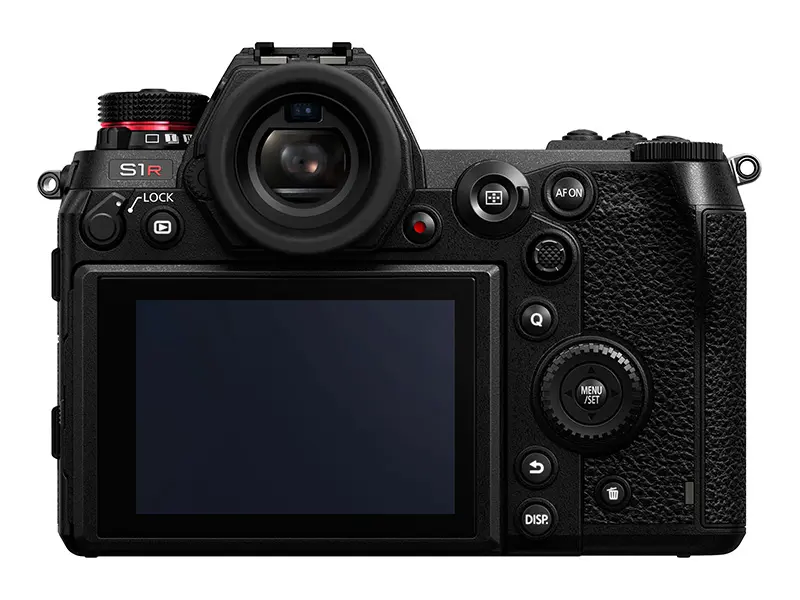
The electronic viewfinder on the Lumix S1 - S1R is probably the best in the world for this type of camera. It boasts a resolution of 5.76 million dots and is optimized to reduce response time to almost zero: only 5 milliseconds. This greatly benefits videomakers who can record their scenes without delays in the display preview. 3.2-inch tilting touchscreen display with a resolution of 2.1 million dots.
Another small difference between the Lumix S1 and the Lumix S1R lies in the maximum ISO sensitivity. On the S1 it goes up to 51,200 while on the S1R it reaches "only" 25,500. The difference is normal since with higher resolution there is less of a "noise" problem.
The focusing system is very fast and accurate thanks especially to the work of the processor "Venus Engine" which communicates 480 times per second with the sensor and the lens. Processor that can also leverage the technology "Advanced Artificial Intelligence" that can identify people and animals and anticipate their movements. Not only that, there is also the possibility to identify the gaze of the captured subject to automatically focus on the closest eye, as a good portrait requires.
Burst shooting reaches for both models up to 9 frames per second with single autofocus or 6 shots per second with continuous autofocus.
From a video perspective, both Lumix S1 and S1R are capable of recording 4K footage at 30 or 60 fps, in the latter case with a slight crop of the video.
The memory card slots are 2, better than Canon EOS R and Nikon Z which have only one. Also better than Sony which has 2 slots but both are SD cards. On the Lumix S1 and S1R there are indeed 2 slots but for different cards: 1 for SD card and one for XQD (compatible with future CFExpress)
The lenses available for the new Lumix S1 and S1R will initially be 3 (they will reach 13-15 by 2020) and they are a standard zoom 50mm f1.4, a 24-105mm f4 and a 70-200mm, all resistant to shocks, water and dust.
The prices? They are not official yet but at the presentation in Barcelona some fairly reliable rumors arrived. The Lumix S1 should cost 2500 for the body only, 3400 in a kit with the 24-105mm lens. The larger Lumix S1R will instead cost as much as 3700 euros for the body only and 4600 euros in a kit with the 24-105mm lens. The 70-200 lens will cost 1900 euros, for the 24-105 "only" 1400 euros while for the 50mm F1.4 it rises up to 2500 euros.
Obviously significant prices but certainly well spent for a camera we are eager to see in action as soon as possible. The official release on the Italian market is expected for the second half of March 2019.



