
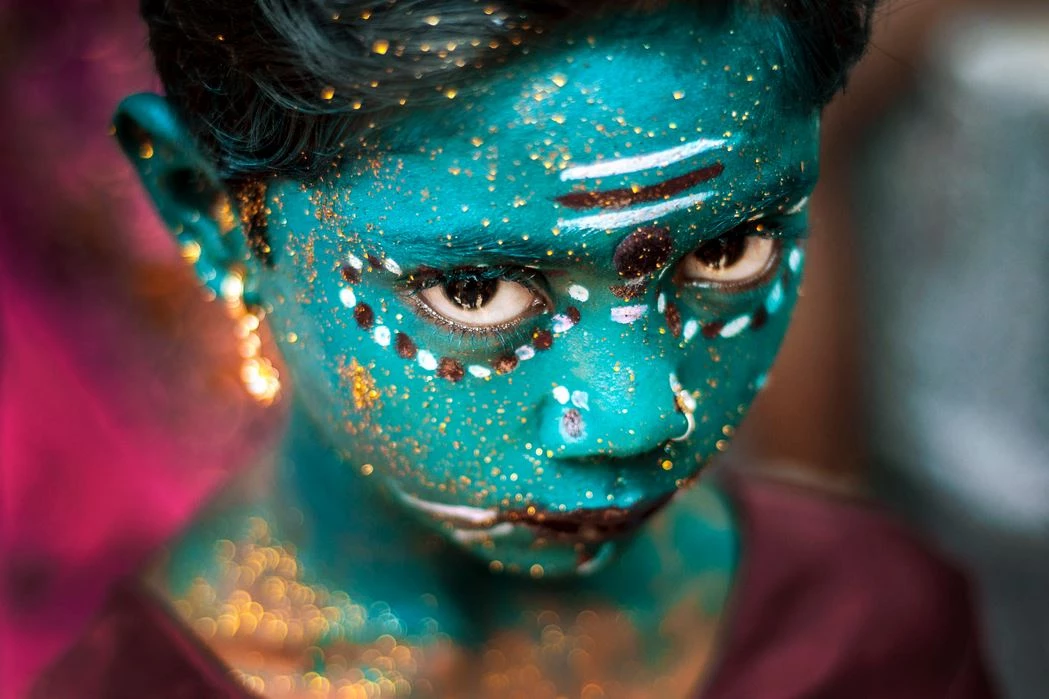
Taking portraits is difficult. Not only because for some it can be personally challenging to photograph people, but also, and above all, because there are no preset settings for making portraits.
Some people are photogenic, so we are facilitated, while others are not at all. In any case, all people are different from each other: face shape, eye shape, nose size, skin tone, posture and spontaneity in front of the lens, … No two people are alike.
Therefore, there is no preset “program” on our camera that always makes us take successful portraits. It is us who must adapt to each subject and to what we want to express with an image.
Even though there is no “portrait kit,” there are fundamental tools that will help us succeed with our portraits.
Using the right lens
Unfortunately, there is no one lens that is right for everything. If we start with the basic kit provided with the camera, we will probably have a versatile zoom lens in hand 18-55mm.
Such a lens is definitely good for everyday use, but for portraits it might be better to use something more specific.
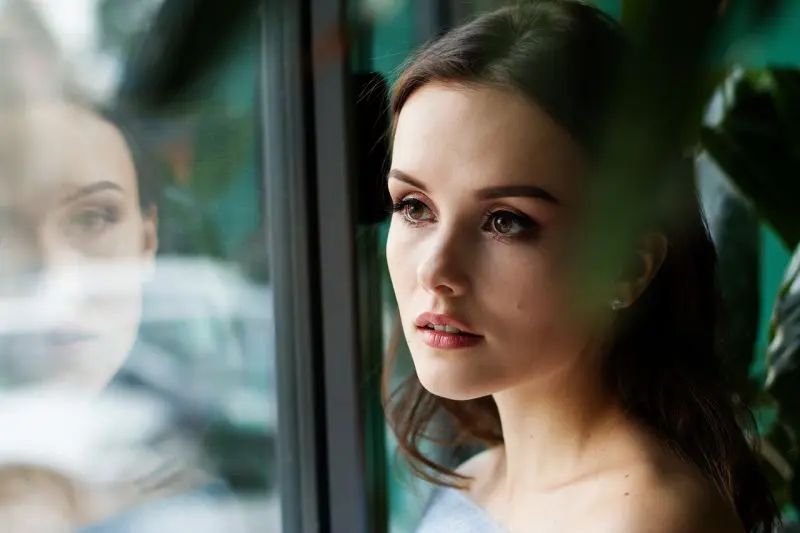
For example, a longer lens is a better choice.
An 85mm, 105mm or 200mm, allow you to achieve higher-level portraits with a a shallow depth of field and a nice background compression. Furthermore they do not introduce distortion, as shorter lenses do (haven't you ever ended up with a big nose when photographing someone with the lens set to 18mm?)
Use the right angle for the person
Many people don't like being photographed, not because they aren't photogenic, but rather because they have had unsatisfactory past experiences: a photograph taken from the wrong angle highlighted small imperfections, making them the focal point of the image!
Try photographing your subjects from both sides and show the two different results. Seeing that there is “a better side” makes people feel more at ease and relax more.
Especially for female portraits, try shooting from slightly above eye level. This will prevent unwanted necklines from entering the frame, slim the cheeks, and slightly narrow the face.
Also, to look at the lens they have to raise their chin, which conveys confidence and better posture. If instead you photograph children, try lowering yourself to their level or slightly below. This will prevent intimidating them and you will be able to clearly see their faces.
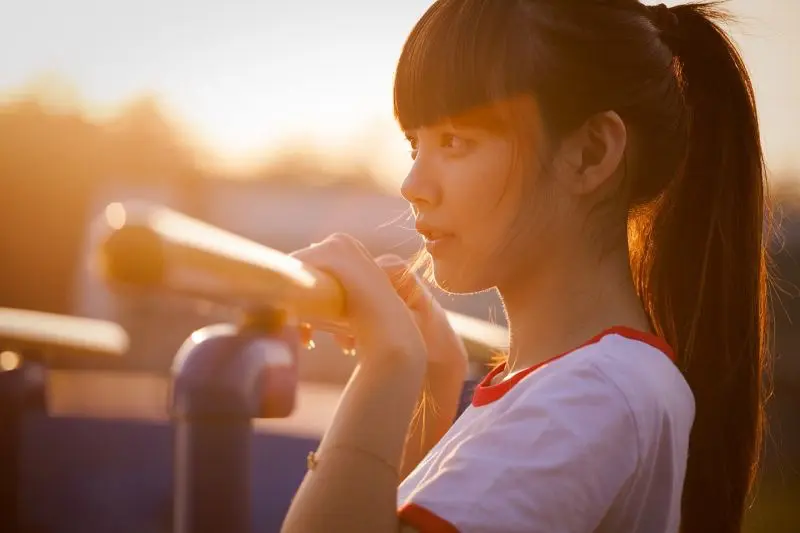
Use the right type of lighting
When setting up lighting for a portrait, you may find yourself in two situations: the shadowed side of the face is the closer to the camera or it is the farther.
The first type of lighting can be effectively used to: make the face appear slimmer, create shadows on a large part of the face, produce strong contrast, add depth to images, and hide imperfections.
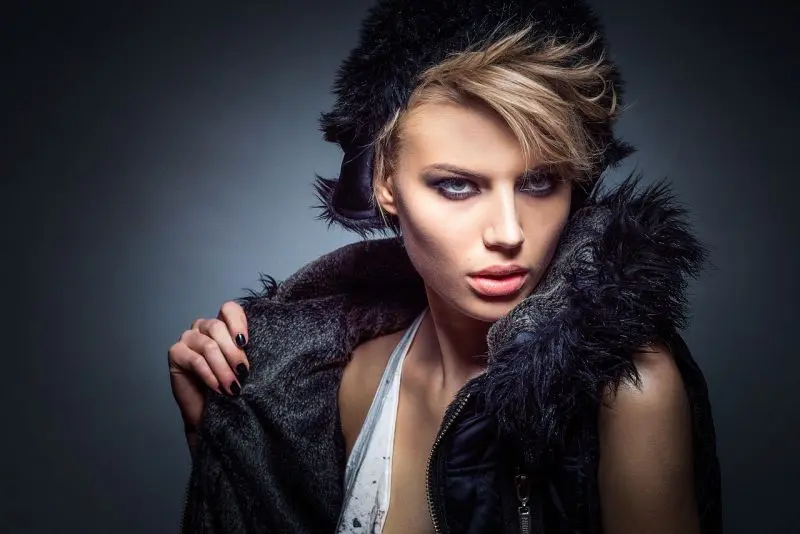
The second type of lighting makes the face appear wider and should therefore be used cautiously with subjects who naturally have a wide face.
Even in this case, it is possible to achieve strong contrasts and very deep shadows on the farther side of the face.
In both cases, you need to assess whether the strong variations of light and shadow should be softened by using a reflector.
Crop correctly
Especially when photographing non-professional subjects, it is unlikely that everything will be composed perfectly.
Rather than trying to be perfect at the shot with the risk that excessive demands and fussiness create disharmony and tension between photographer and subject, it might be better to try to achieve the desired result in post-production with appropriate cropping.
Keep in mind never to crop or compose your photos so that edges and tangents fall on body joints such as elbows, knees, neck, wrist, shoulders, and across the stomach.
Such crops look odd and somewhat unsettling. Cropping in the middle of or across joints—such as the chest, arms, hips, leg, calves, forehead—is more acceptable.
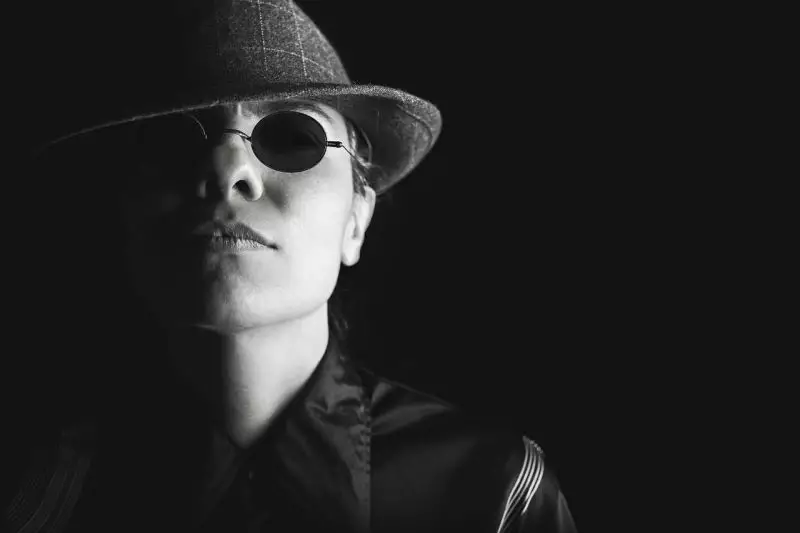
You can also crop to reposition the image and strengthen your composition accordingly. The use of rule of thirds is a very strong compositional tool. A symmetrical composition is also strong and effective.
Conclusions
With these simple technical tips, your portraits will definitely improve. Perhaps even more important is creating a good rapport with your subject: a relaxed atmosphere will produce better results!
It is also important to talk with the subject clearly explaining what you want to do; only this way will you avoid leaving them "wandering in the dark" searching for a satisfying pose.
If you liked this article, also check out:



