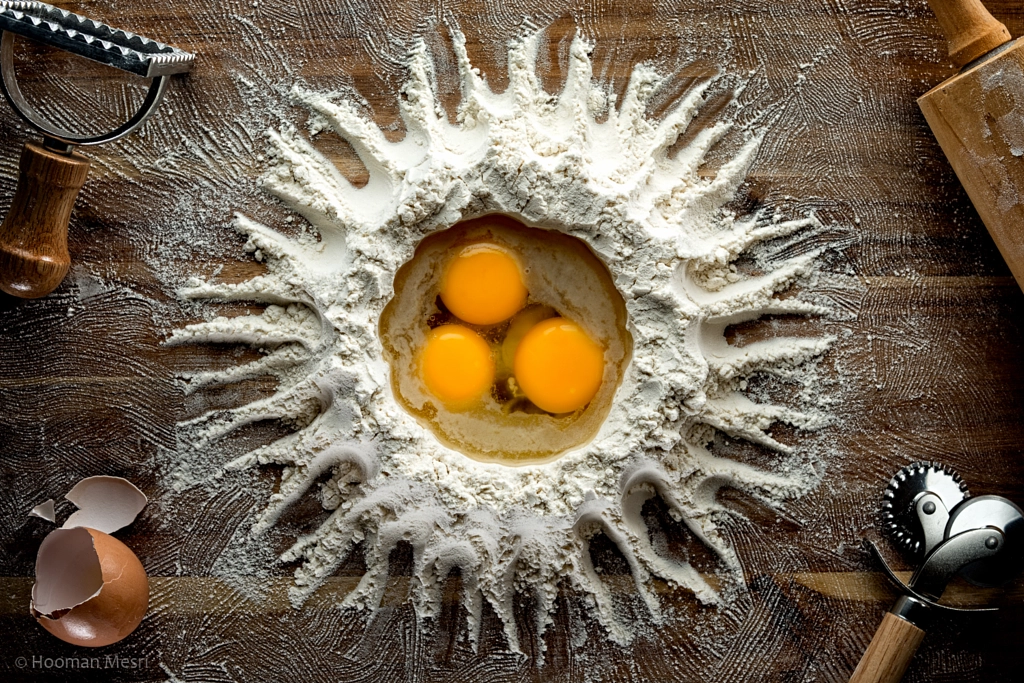
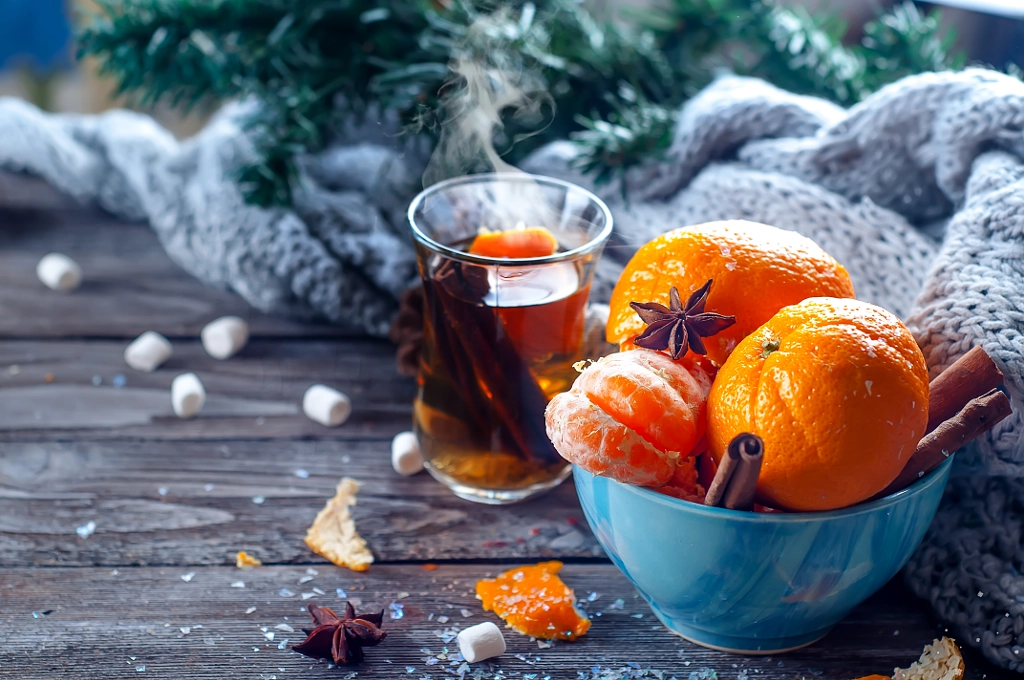
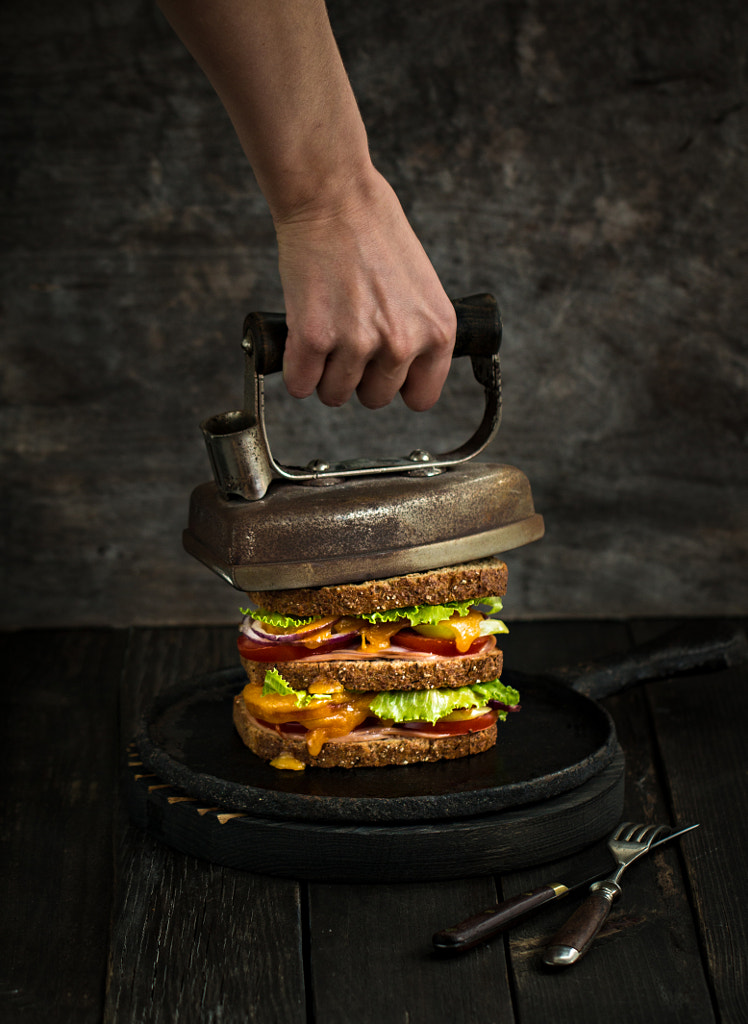
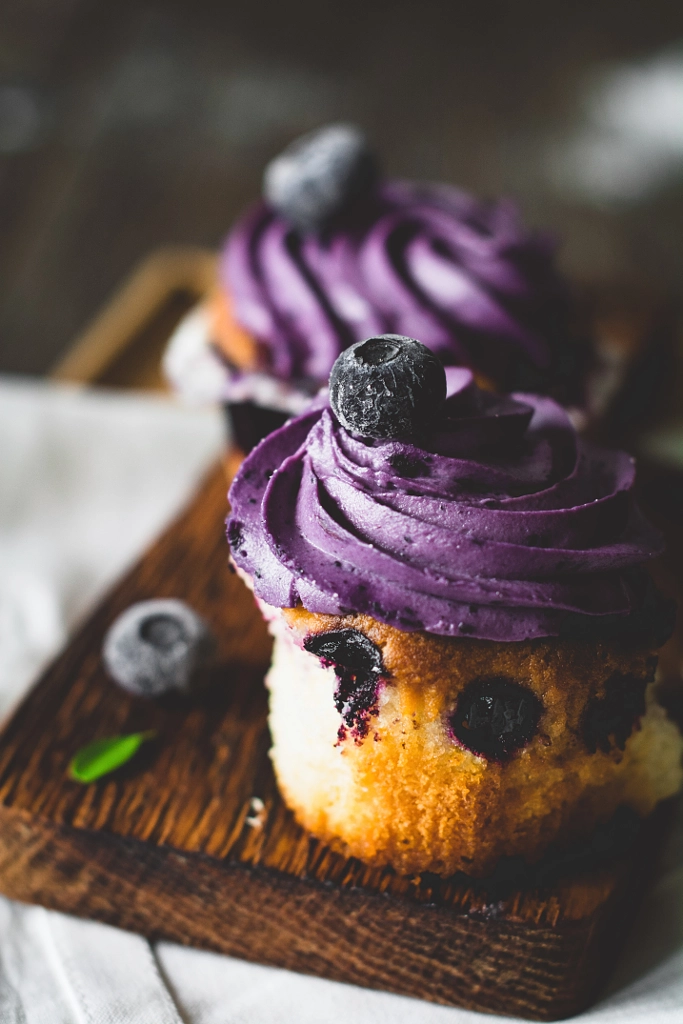
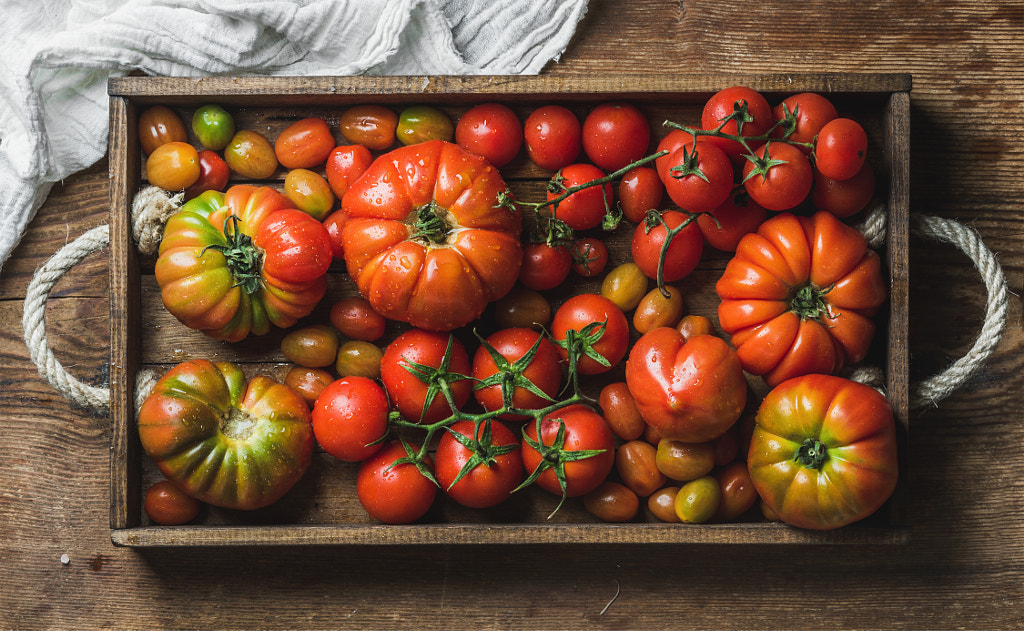
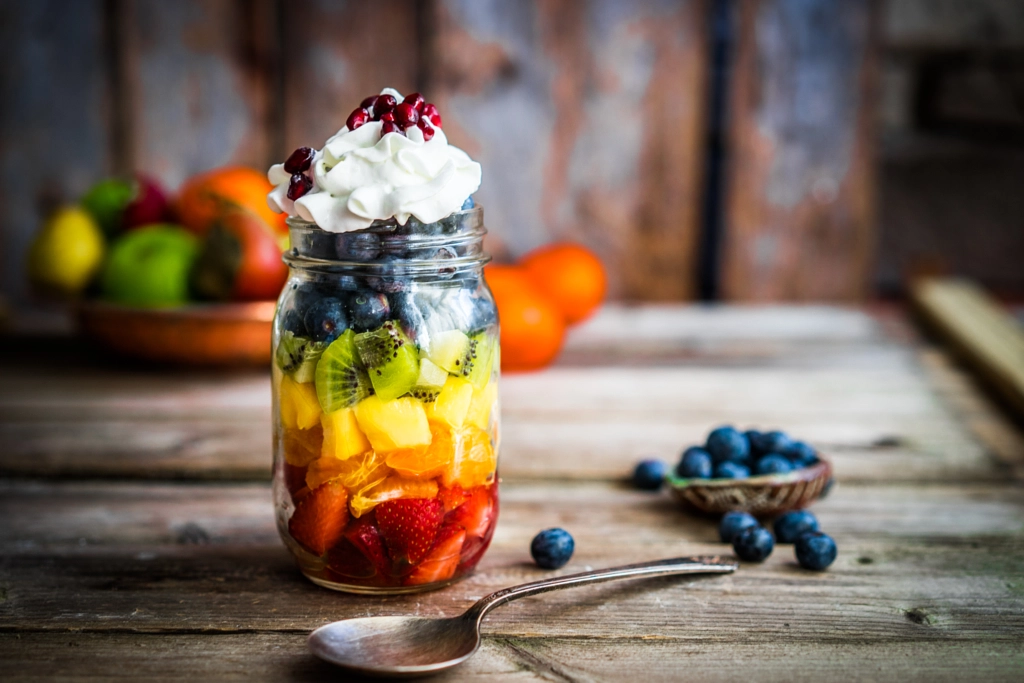
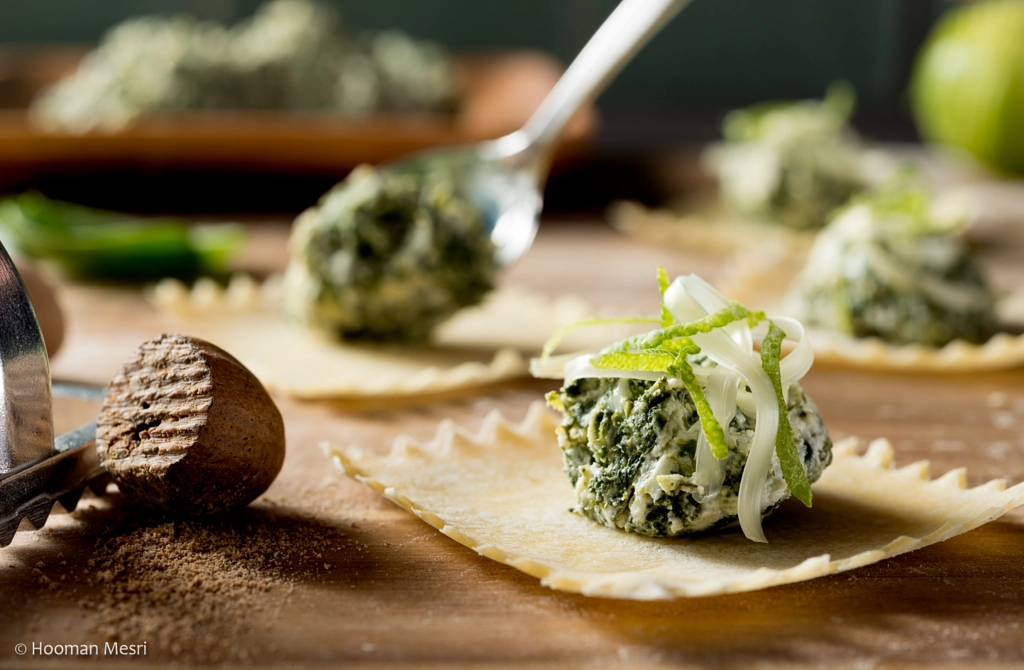
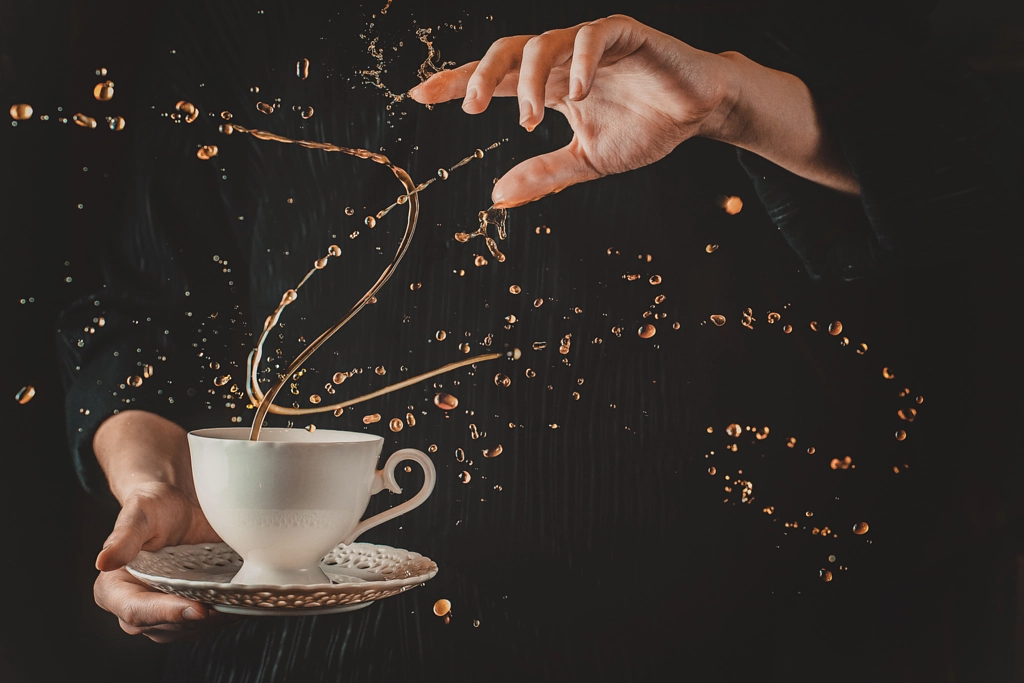
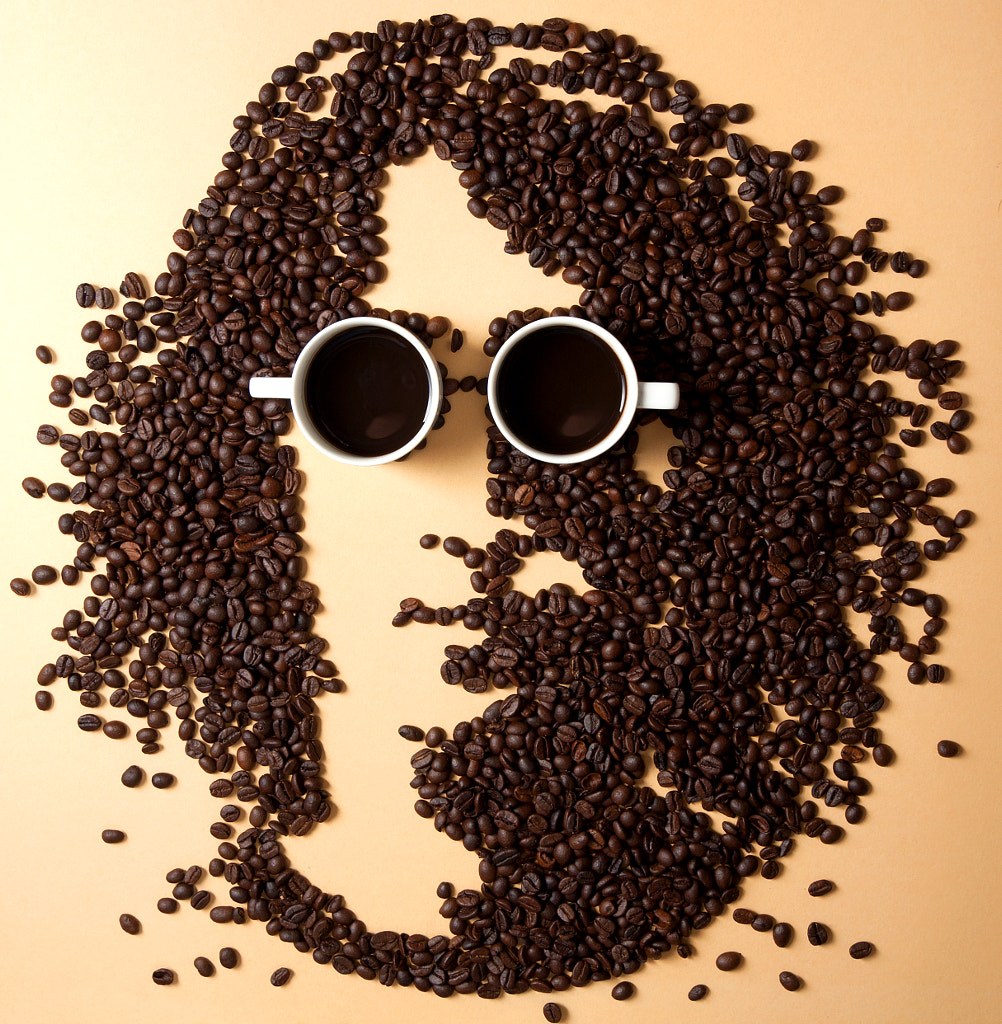
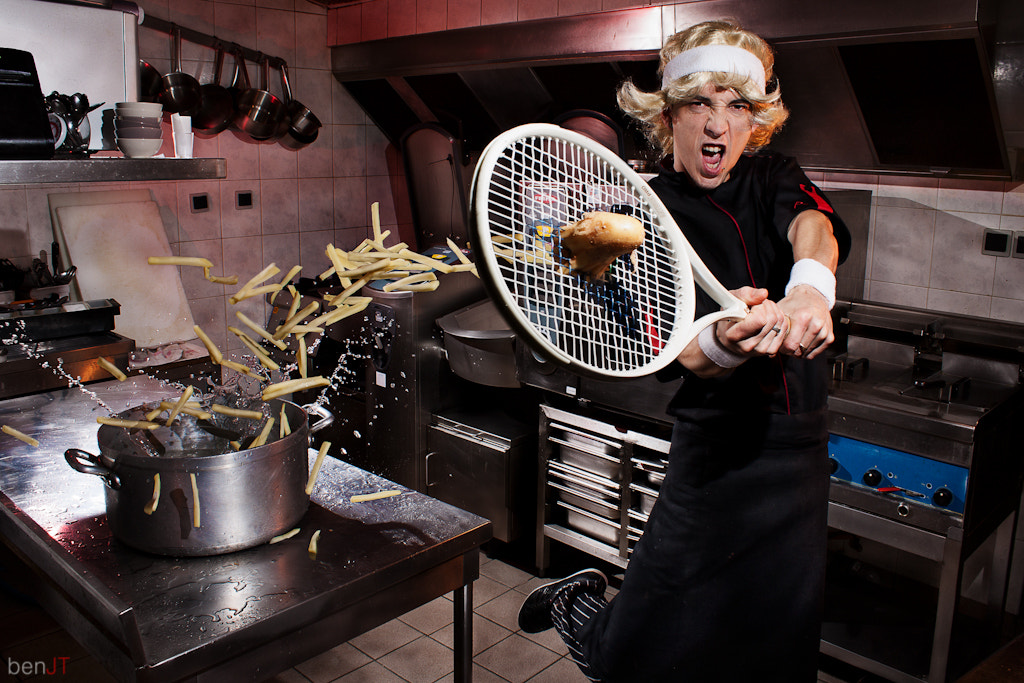
The food photography is a very photographic genre fun and also very creative. Although extremely overused due to the advent of smartphones that allow us to photograph the dishes we are about to eat at a restaurant, serious food photography has several applications: it must generate curiosity in the potential buyer at the supermarket, it must convince a diner to eat a specific dish at a restaurant or to attract the attention of a potential cookbook reader.
Food photography combines photographic technique with "food styling," that is, the ability to prepare a dish to make it attractive. If you ever venture into this photographic genre, know that none of the photos you see in books are made up solely of real food, most photographs resort to tricks such as using fake oil that stays stuck to the food, drops of fake water magically glued to the bottle or pieces of plastic used to create some parts of the dish.
If you are not interested in using these tricks and want to have fun with "real" food, remember to follow these little tips:
- Try to use the natural light and not the built-in flash of your camera; it will only complicate your life by creating shadows and unexpected colors.
- Use a tripod. You won’t always shoot a dish at 45 degrees; often dishes look better when photographed from above, and to get a good result you need to rely on a good tripod that can position the camera horizontally, facing the floor.
- Avoid overly refined plates. It is the food you are photographing and only this should stand out; the plate containing the food should be as neutral as possible so as not to distract the viewer.
- Photograph the food just cooked, do not wait for it to become "old" or cold (in case it is a hot dish)
- Plan the food photography beforehand; don’t limit yourself to photographing only the dish you have chosen, try to create a composition with objects that fit well in the context. But be careful not to overdo it, the main focus must remain on the main dish, not on the rest!
- Help the colors. If a mayonnaise is too white, mix it with something yellow (even paint). Your goal is not to eat the food but to photograph it and make it appealing for photography (not for appetite).
\t
\t
\t
\t
\t
\t
So for this week number 48/2017 of the new column of the (GRAND)Corner of photographic inspirations I propose 10 food photographs to draw maximum inspiration for your next shots (or hearty meals!). Good light to everyone!!!