
 In our evolution as photographers, a particular chapter deserves understanding the importance of light in the success of our photographs.
The right lighting is indeed one of the three pillars on which the success of a photo is based: interesting subject, correct composition and, finally, an emotional light.
Great lighting will indeed lead to an extraordinary photograph.
So, what is the best light? There is no type of light that makes a photograph good or bad. Hardness, brightness, color, direction. All these things and much more will determine how the image appears and, even more importantly, how it is perceived.
If we dedicate ourselves to landscape photography, the light we will most frequently encounter (unless we photograph near dawn or dusk) is vertical light. Understanding how this influences my image is essential for the success of the photo.
Unlike portrait photographers, landscape photographers have few opportunities to influence and control the light, but applying the principles of vertical lighting will make it possible to create much more dramatic landscapes that make the viewer feel something.
Light and shadow
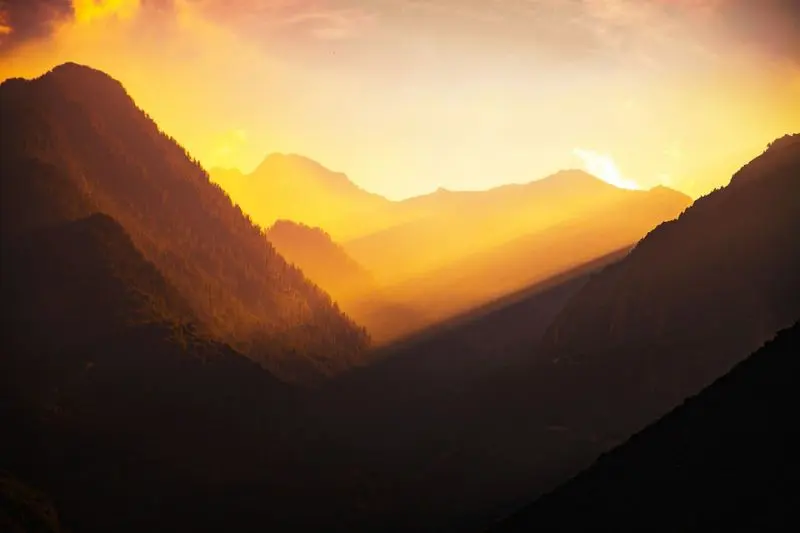
At its most basic level, a photograph is composed of lights and shadows. We tend to focus a lot on light in photography, but shadows are just as important, if not more so. Shadows reveal shape, depth and texture.
Portrait photographers are masters at managing light and shadow, probably better than anyone else. They create a portrait by moving the light source around the subject until the light falls just right so that the shadows reveal the subject's contours.
When shooting with natural light that cannot be controlled, they instead move the subject.
The transition from light to shadow is often lost in modern landscape photography. Camera sensors with incredible dynamic range, along with the popularity of HDR, have allowed us to bring out many details in the shadows of our landscapes.
This is not a bad thing in itself, because usually we want some detail in the shadows, but there is a risk of overdoing it.
Just because we can brighten the shadows doesn't mean we should. Leaving parts of the image in darkness adds mood and mystery.
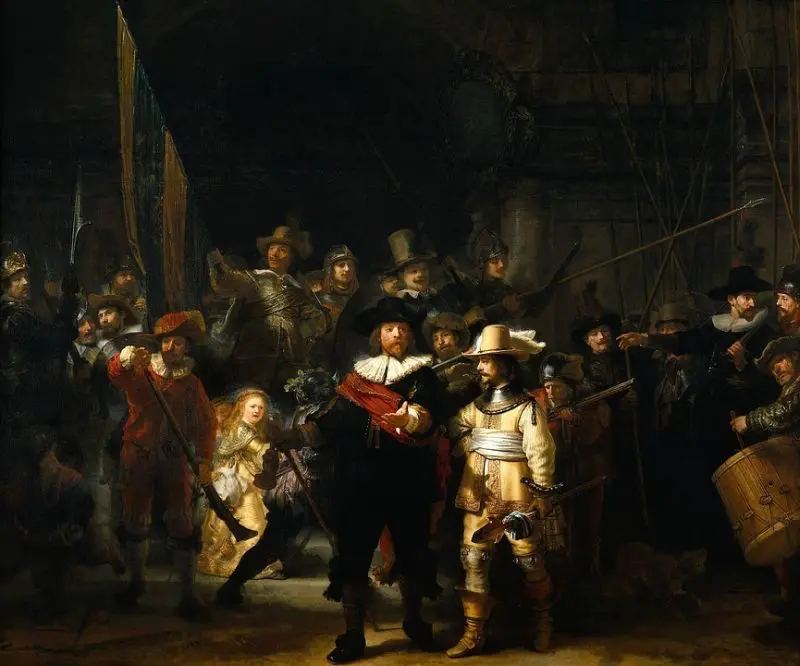
Rembrandt Lighting
Rembrandt was a master painter who understood the principles of light and shadow better than anyone else. Studying his paintings will teach you a lot about how to create atmosphere and drama in an image.
The Rembrandt lighting has become a classic lighting setup in portrait photography. Using soft side lights this technique creates a beautiful look that you will probably recognize easily.
When the light source comes from the side of the subject, the light allows you to reveal and hide various elements. The parts of the subject visible to the light source will be illuminated while the parts not visible to the light source will be in shadow.
Understanding vertical lighting to highlight texture and dimension.
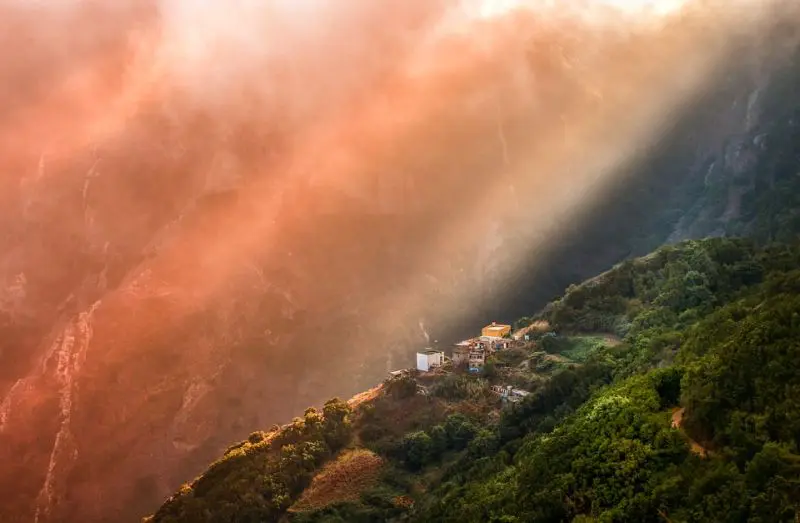
Obviously, you can't control the light source when photographing landscapes, but you can still apply the same principles. Considering how the light will fall on your landscape can guide the way you photograph it.
The position from which you shoot, your composition, and the time of day will all influence how lighting affects your landscapes. Even if you can't control the light, it never stays the same, so waiting for the sun's angle to change or for a break in the clouds can make a big difference in how it lights the scene.
Reverse Engineering
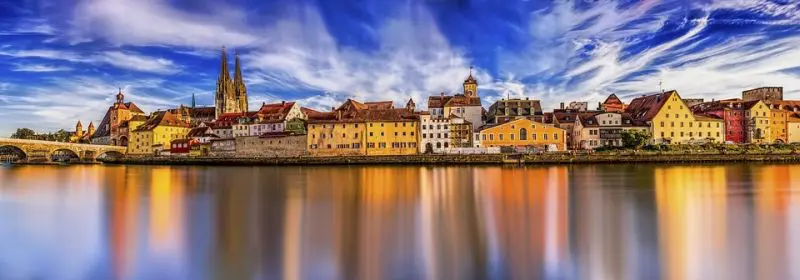
A great exercise to learn to understand light is to decode a photograph. Study an image that attracts you and try to understand how it was created.
Is it natural light or flash? How far is it from the subject? How large is the light source? Is there more than one light source? From which direction is the light coming? What time of day was it taken? Was the sky clear or cloudy?
Learn to get used to analyzing photos you admire by asking yourself more specific questions like these, rather than which elements or presets the photographer used.
Dodge and Burn
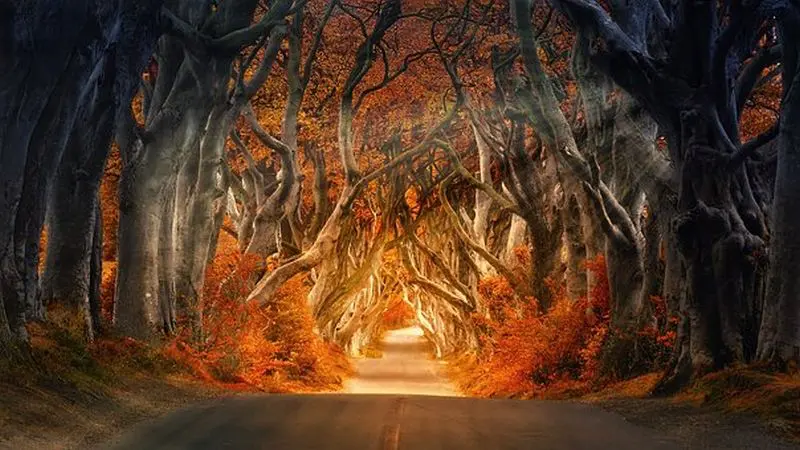
Shaping light and shadow doesn't stop when you take the photo. Dodge and Burn It is the process of lightening and darkening areas of a photo during post-production. It doesn't need to be a complicated process.
Often all that's needed is to burn (darken) areas that could use more shadow or might be distracting. One of the best ways to think about dodging and burning is to ask yourself where you want the viewer to look.
It could be a specific element of the photo, or you might want to draw the viewer's eye through the image. You can paint more light and shadow in a photo to guide this process.
Our eyes are naturally drawn to the brighter parts of an image. Portrait photographers often dodge and burn to draw the viewer toward the subject's eyes or another important element of the subject. When editing landscapes, try painting with light and shadow to control which parts of the image attract your attention.
Go to practice
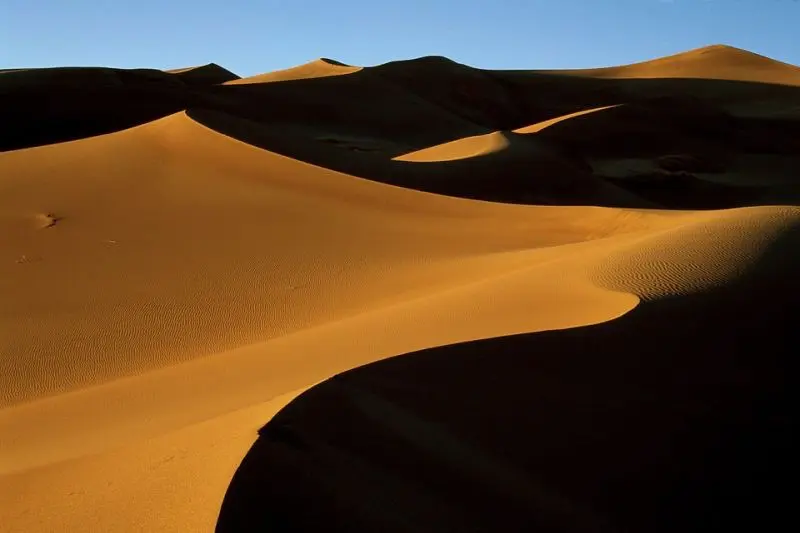
The next time you are photographing a landscape, try taking another look at the light. Ask yourself some of the questions you saw earlier. Look for shadows. Experiment with side lighting.
Wait for the light to change. By understanding portrait lighting, you will be better equipped to apply it to your landscape photography. You will find that thinking of the landscape as contours with depth and shape rather than separate elements will help you create more engaging landscapes with mood and drama.



