
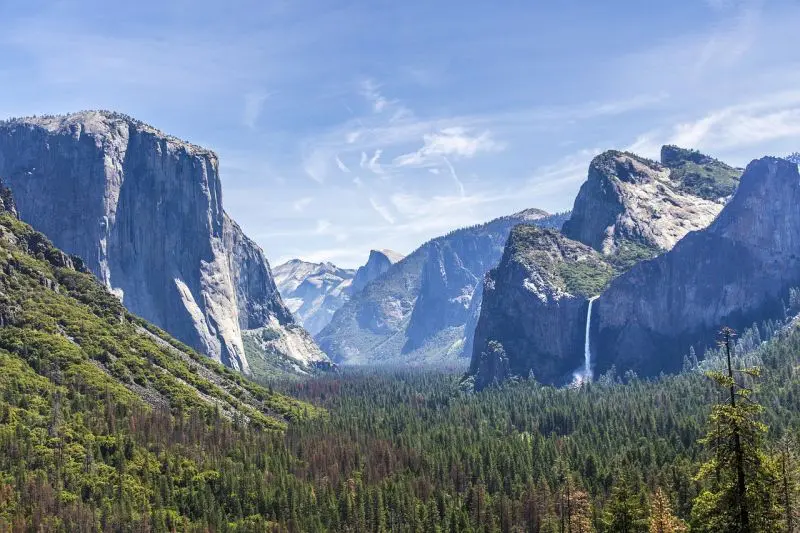
 Every type of photography has its own arsenal of accessories.
Professional portrait photographers choose lights and illuminators; macro photographers have extension tubes and sports photographers walk with monopods to support heavy telephoto lenses in the field.
Similarly, landscape photographers have some accessories to help them work with the natural environment, the time of day, and the elements to maximize their time.
With good weather and holiday periods approaching, it becomes much easier to plan a landscape photography session.
At the end of the article you can find the links to our tips related to landscape photography.
Here are some key accessories that you should have in your camera bag.
1. Filters (Polarizer, ND, GND, UV)

Professional filters They are an excellent way to shape your available natural light and there are many different types. Filters are generally lightweight tools to carry in your bag and can be found at great prices.
One warning though: like all photographic tools, you cannot do without quality. A cheap filter that creates unnatural color shifts or scratches easily is not a good travel companion!
The most common ones used for landscape are the polarizer and graduated neutral density filters.
Polarizer
The polarizing filter allows you to block part of the polarized light reflected from the surface of water. For this reason, it can make a water surface “transparent” and reveal the bottom. Additionally, it reduces reflections and the glare, so the result you can achieve is a greater color saturation (think about how it can enhance blue skies).
Another function of the polarizing filter is to protect the front element of your lens from dirt and scratches of your lens.
Neutral Density (ND)
This filter is basically a piece of darkened glass/resin that reduces the amount of light entering the lens. Also, in a proper ND filter, the color of the light is not affected (neutral). It is very useful in bright conditions, where you want to use a shutter speed longer/lower shutter speed or a wider aperture. ND filters come in various strengths, which vary the amount of light you block.
A Neutral Density filter allows you to shoot longer exposures during the day.
Graduated Neutral Density (GND)
Also known as a split neutral density filter, GND filters selectively transmit light. Therefore, it is essentially an ND filter where only part of the filter is darker, allowing you to reduce the brightness of one part of the image.
As a result, it is particularly useful in a high-contrast scene with a bright sky. A graduated neutral density filter thus helps balance the sky when it is much brighter than the landscape. Without an ND filter, you risk either overexposing the sky or underexposing your subject.
Ultraviolet (UV)
These filters do little to affect the image, their main purpose is to protect the front element of the lens from dust and scratches.
That said, compromising the quality of a UV filter can degrade image quality. The best reason to add a UV filter would be for lenses that require a filter to complete weather sealing.
2. Remote Shutter / Intervalometer
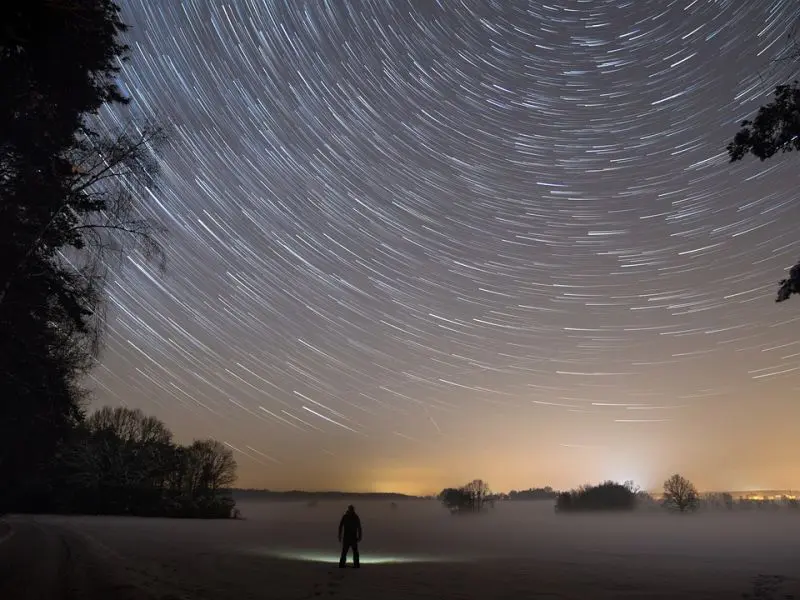
When capturing an image, minimizing vibrations is very important for potential sharpness. This is one of the reasons why most cameras have a built-in self-timer function (usually 2 or 10 seconds).
A remote shutter release gives you even more control over this feature and comes in wireless/wired options. Some remote shutter versions (or wired versions) have basic or expanded options.
One of these options, available in advanced remote shutters, is interval timing. An intervalometer offers the ability to automatically take images at preset intervals for a defined period.
So the intervals can be short (seconds) or long (hours). This feature is essential if you want to engage in time-lapse photography (see our articles on timelapse and hyperlapse photography here and here).
Some camera models come with built-in interval timers. If your camera already has this, an intervalometer is only needed when more advanced features are required.
Another good reason is if you want to change settings between shots. When using the built-in function, the timer locks the camera for too long before you can make adjustments.
3. Protection from rain and splashes
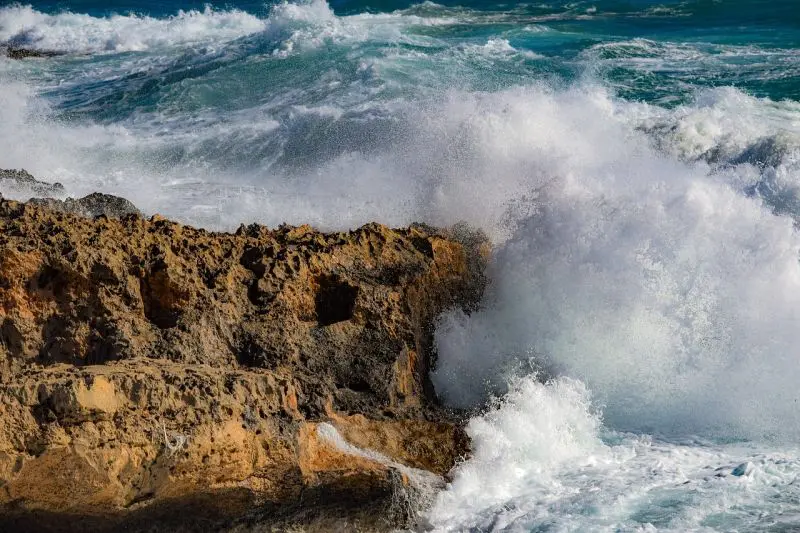
Even if you own a weather-sealed camera, large amounts of water can still damage it. As a landscape photographer, you must be prepared for weather changes.
Alternatively, it might be your choice to shoot in rain or snow or be in environments where water splashes are practically certain. In either case, it's better to play it safe and protect the camera body, lenses, and all connected electronic accessories.
The protection can be a simple or expensive solution, ranging from shower caps or plastic/garbage bags with cut holes to a professional product that is usually more durable and offers easier access to controls as well as being more durable than a plastic bag.
Whatever solution works for you, most take up very little space and should have a place in your camera bag.
4. Flashlight
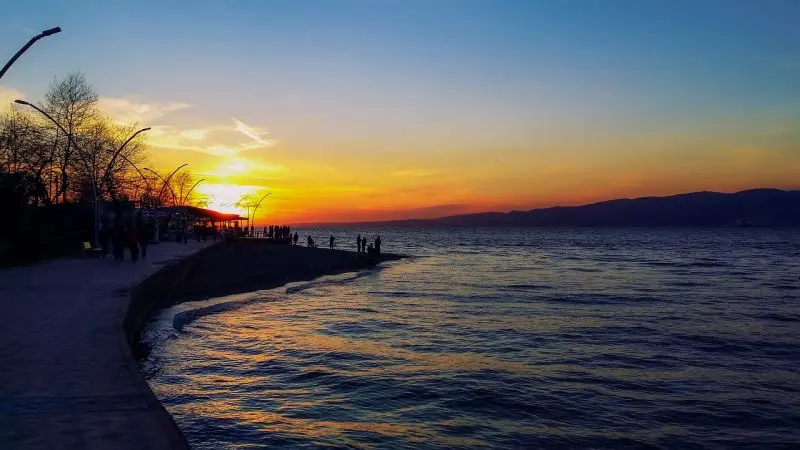
Considered an essential kit for night photographers, this small tool is useful when you least expect it, so keep it in your bag.
If you are a photographer moving around at sunset, a flashlight can be useful to perform a quick scan of the area to make sure you don’t leave anything behind. Also, if you are a night shooter, these are useful for focusing or illuminating a subject in the dark.
Tip: choose a durable and lightweight flashlight and keep it in an external pocket of your camera bag that is easy to reach.
5. Tripod
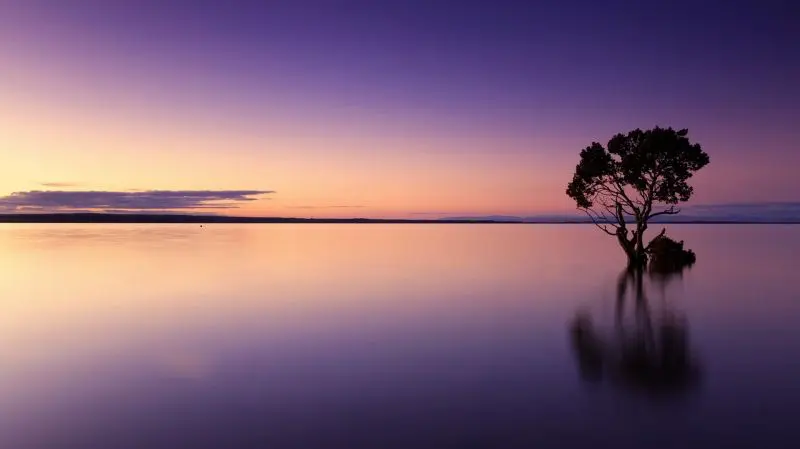
You probably already know the importance of having a good tripod. In some conditions, such as mud, snow, uneven terrain, or wet sand, adding a tripod increases stability.
The tripod is also indispensable if you aim for long exposures; there is no other way to keep the camera steady.
Conclusion
Some of the accessories you carry with you can make the difference between a successful outing and an average one. Choose carefully what you put in your bag, remembering that you still have to carry it on your shoulder. In any case, some accessories should be part of your everyday bag, just in case.
Which accessories do you always carry with you?



